
Passing your driving test and getting the keys to your first car is one of the most liberating milestones in life. However, that rush of independence can quickly grind to a halt when a mysterious warning light pops up on your dashboard or your engine starts making a sound like a blender full of rocks.
Understanding Common Car Problems New Drivers Should Know is not just about saving money at the mechanic; it is about keeping yourself, your passengers, and your vehicle safe on the road.
Modern cars in 2026 are highly advanced, packed with digital screens, advanced driver-assistance systems (ADAS), and smart diagnostics. Yet, at their core, they still rely on the same fundamental mechanical systems that have powered vehicles for decades.
Whether you are driving a brand-new hybrid, a reliable used sedan, or a handed-down family SUV, knowing how to spot, troubleshoot, and react to typical automotive issues is an essential skill.
In this comprehensive guide, we will break down the most common car problems you are likely to encounter, how to identify them early, and what steps you should take to resolve them safely.
1. Electrical and Battery Failures: When Your Car Won’t Start
One of the most frustrating experiences for any driver is turning the key or pressing the start button, only to hear a clicking noise—or worse, complete silence. Electrical issues are incredibly common, especially for new drivers who might still be getting used to car maintenance routines.
The Dreaded Dead Battery
Your car battery is the heart of your vehicle’s electrical system. In 2026, with cars running more onboard computers, cameras, and sensors than ever before, battery health is critical.
The Symptoms: Dim headlights, slow engine cranking, interior lights flickering, or a complete lack of power when you try to start the car.
The Cause: Leaving an interior light or headlights on overnight, a parasitic draw from an aftermarket accessory, extreme cold or hot weather, or simply an old battery (most last between 3 to 5 years).
How to Handle It: Every new driver should know how to safely use jumper cables or a portable lithium-ion jump starter pack. Always connect positive (+) to positive and negative (-) to a clean metal ground on the dead car’s chassis.
Alternator Failure
Sometimes, the battery isn’t the root cause of the problem. Your car’s alternator is responsible for recharging the battery while the engine runs. If the alternator fails, your battery will quickly drain its power and die.
The Warning Signs: Your dashboard battery light turns on while driving, your headlights dim when you idle but brighten when you rev the engine, or you smell burning rubber (caused by a slipping alternator belt).
The Verdict: If your car dies shortly after being jump-started, the alternator is likely the culprit and needs to be replaced by a professional.

2. Braking Issues: Your Most Critical Safety System
Brake problems are non-negotiable. If your engine fails, you stop moving; if your brakes fail, you cannot stop moving. Recognizing the warning signs of worn brakes is an absolute must-know for beginner drivers.
Squeaking, Squealing, or Grinding Brakes
Brake pads are designed with a built-in metal wear indicator. When the friction material on the pad gets dangerously thin, this metal tab rubs against the brake rotor, creating a high-pitched squeal.
Squeaking/Squealing: This is your car’s way of politely warning you that your brake pads are wearing thin. You should schedule an appointment to get them replaced soon.
Grinding: If you hear a harsh, metallic grinding noise, stop driving immediately. This means the brake pads are completely worn away, and metal is grinding against metal. This severely reduces your stopping power and destroys your brake rotors, turning a simple pad replacement into a highly expensive repair.
A Soft or “Spongy” Brake Pedal
When you press down on the brake pedal, it should feel firm and responsive. If the pedal feels soft, mushy, or sinks all the way to the floorboard before the car starts slowing down, you have a serious issue.
The Cause: This is typically caused by air in the brake lines or a leak in the brake fluid system. Because hydraulic pressure is what forces your brakes to grip, any loss of pressure can lead to complete brake failure. Check your brake fluid reservoir immediately and seek professional mechanical help.
3. Under the Hood: Engine Performance and Fluid Issues
The engine is a complex environment of high heat, intense pressure, and moving parts. Keeping it running smoothly requires paying attention to what is happening beneath the hood.
The Infamous “Check Engine” Light
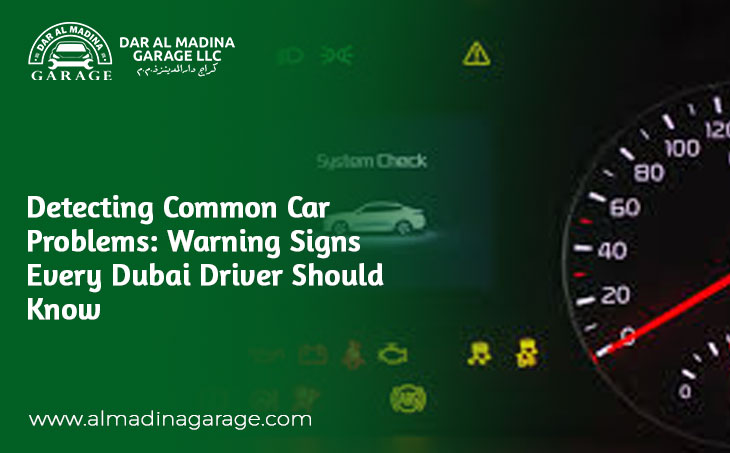
The “Check Engine” light (or Malfunction Indicator Light) is the most misunderstood dashboard icon. It can indicate something as minor as a loose gas cap or as severe as an engine misfire.
Solid Light: A solid check engine light means there is an issue with your emissions or engine control system, but it is not an immediate emergency. You can drive home or to a repair shop, but do not ignore it.
Flashing Light: A flashing check engine light indicates a critical engine misfire that can destroy your catalytic converter (a highly expensive part) within minutes. Pull over safely, turn off the engine, and call for a tow.
Pro Tip for 2026: You can buy an inexpensive wireless OBD-II scanner that plugs into your car’s diagnostic port and syncs with your smartphone. This tool will tell you exactly what code your car is throwing, helping you avoid getting ripped off at the mechanic.
Engine Overheating
Engines generate immense heat and rely on a mixture of water and antifreeze (coolant) to stay at a safe operating temperature. If your temperature gauge spikes into the red zone or steam starts billowing from the hood, your engine is overheating.
What to Do: Pull over safely, turn off the engine, and let it cool down completely (at least 30 minutes) before opening the hood. Never open the radiator cap while the engine is hot, as boiling coolant can spray out and cause severe burns.
The Culprit: Overheating is usually caused by a coolant leak, a broken radiator fan, a failed thermostat, or a bad water pump.
4. Tire and Suspension Troubles: Staying Grounded
Your tires are the only point of contact between your vehicle and the road. Neglecting them is one of the most common mistakes new drivers make.
Low Tire Pressure and TPMS Warnings
Most modern cars are equipped with a Tire Pressure Monitoring System (TPMS) that alerts you when a tire is underinflated.
| Symptom | Potential Cause | Action Required |
| :— | :— | :— |
| TPMS Light On | Temperature drop, slow leak, or a puncture (nail/screw). | Check pressures with a gauge; inflate to recommended PSI. |
| Car Pulls to One Side | Uneven tire pressure or bad wheel alignment. | Check alignment and tire wear patterns. |
| Vibration in Steering Wheel | Unbalanced wheels or uneven tire wear. | Visit a tire shop for balancing or rotation. |
How to Handle a Tire Blowout
A sudden tire blowout at high speed can be terrifying. The key to surviving a blowout is your reaction:
- Do not slam on the brakes. This is a natural instinct, but it will cause you to lose control of the vehicle.
- Accelerate slightly to stabilize the car and keep it moving in a straight line.
- Gently ease off the gas pedal and steer toward a safe spot on the shoulder of the road.
- Once you have slowed down, apply the brakes gently and pull over completely.
5. Critical Mistakes New Drivers Make (And How to Avoid Them)
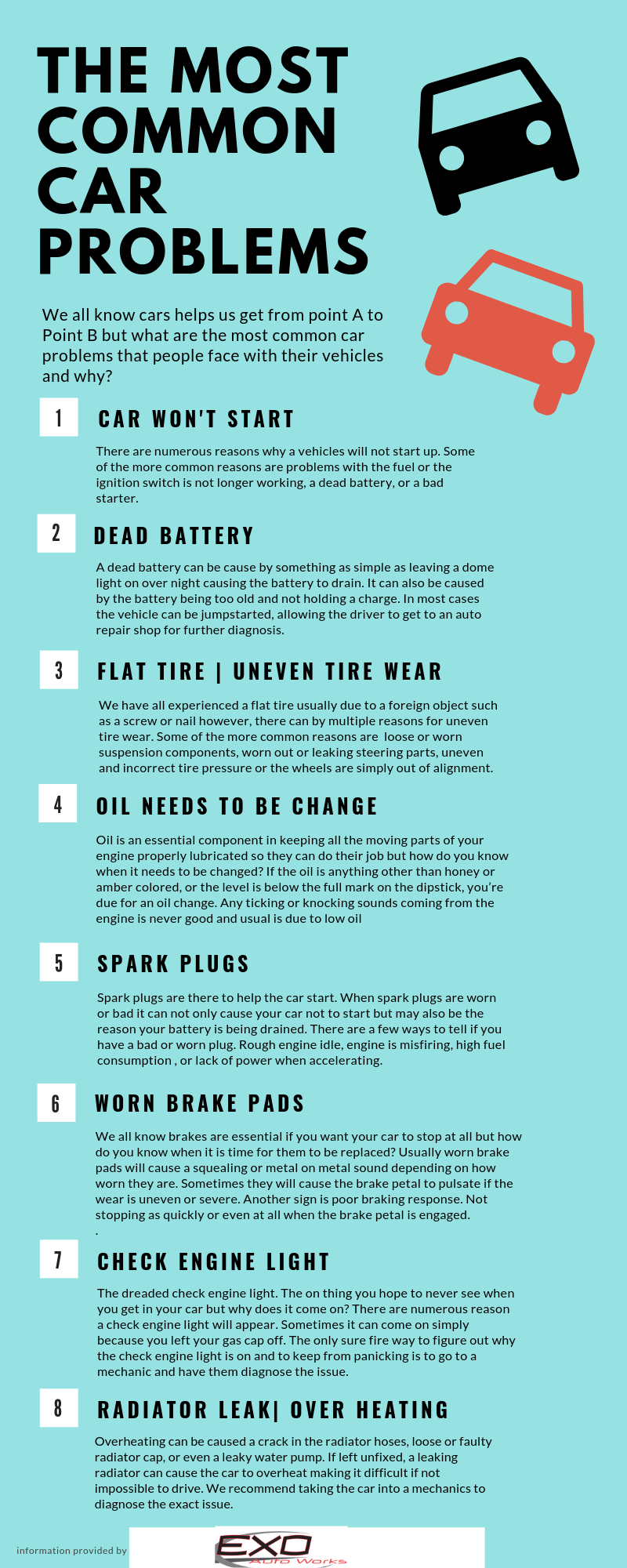
Understanding Common Car Problems New Drivers Should Know also means understanding how driver behavior contributes to these issues. By avoiding these common pitfalls, you can extend the lifespan of your vehicle and save thousands of dollars in avoidable repairs.
Ignoring Routine Oil Changes: Engine oil is the lifeblood of your car. It lubricates moving parts and keeps the engine cool. Neglecting oil changes leads to oil sludge buildup, which can seize your engine and ruin it completely. Always change your oil according to your manufacturer’s recommended interval (usually every 5,000 to 10,000 miles, depending on the oil type).
Driving on “E” (Empty): It can be tempting to see how far you can push your car once the low-fuel light comes on. However, your fuel pump relies on the gasoline in the tank to keep itself cool and lubricated. Consistently running your tank dry can cause the fuel pump to overheat and fail prematurely.
Riding the Brakes Down steep Hills: Keeping your foot constantly on the brake pedal while driving down a long hill causes extreme heat buildup. This can lead to “brake fade,” where the brakes temporarily lose their stopping power. Instead, shift your car into a lower gear (even in an automatic) to use engine braking to control your speed.
- Ignoring Windshield Wiper Wear: Many new drivers do not realize their wiper blades are worn out until they get caught in a sudden torrential downpour. Replace your wiper blades every 6 to 12 months, or as soon as they start leaving streaks on your windshield.
6. Your Essential 2026 Roadside Emergency Kit
Being prepared for the unexpected is the hallmark of a smart, responsible driver. Every new driver should assemble a basic emergency kit to keep in the trunk. Your kit should include:
- Quality Jumper Cables or a portable lithium-ion jump starter.
- A Digital Tire Pressure Gauge and a portable 12V tire inflator.
- A Basic Tool Kit containing a screwdriver, pliers, and an adjustable wrench.
- A High-Visibility Safety Vest and reflective warning triangles or LED flares.
- A Smartphone Charger and a high-capacity power bank.
- A First-Aid Kit with bandages, antiseptic wipes, and medical tape.
- A Flashlight with extra batteries (or a hand-crank version).
Conclusion: Knowledge is Your Best Defense
Cars can feel incredibly complex, but mastering the basics of vehicle health doesn’t require a degree in automotive engineering. By understanding these Common Car Problems New Drivers Should Know, you transition from a passive passenger to an active, confident driver who is in complete control of their journey.
Pay attention to how your car feels, sounds, and smells. Never ignore warning lights, perform your routine maintenance on time, and always prioritize safety over convenience. With a little bit of preparation and proactive care, you can keep your car running smoothly, safely, and efficiently for years to come.
Safe driving!