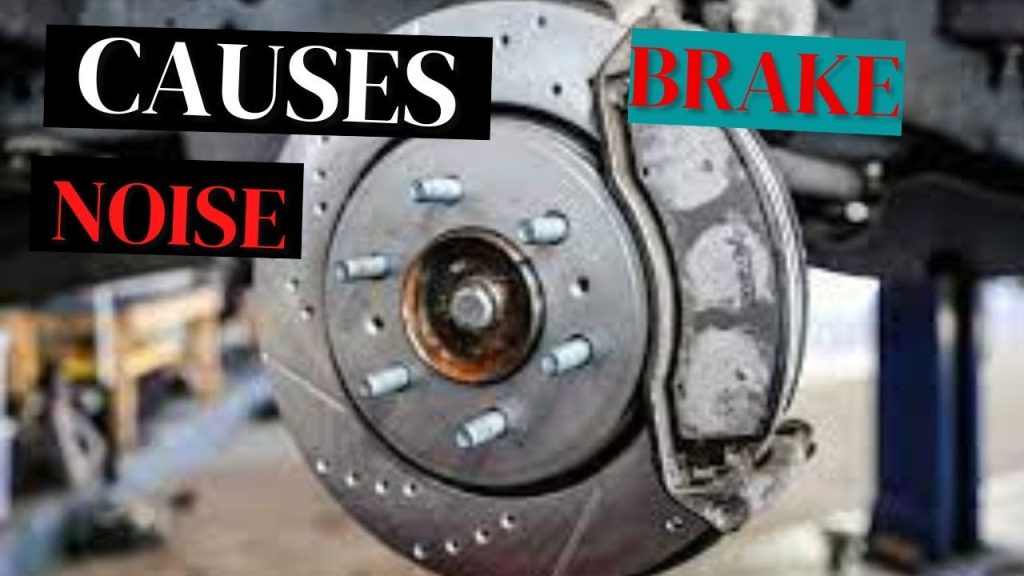
There are few things more unsettling than pressing down on your brake pedal and hearing an unexpected sound. Your car’s braking system is your most critical safety feature, and any deviation from quiet, smooth operation, or the illumination of a brake warning light on your dashboard, is a direct communication from your vehicle. If you are currently asking yourself, “Why is my car making noise when I brake?” you are not alone.
Every year, millions of drivers head to mechanics to diagnose mysterious squeaks, grinds, and rattles. In 2026, with a mix of traditional internal combustion vehicles, hybrids, and electric vehicles (EVs) on the road, understanding brake noises is more important than ever. Different powertrains and modern braking systems present unique wear patterns, but the fundamental mechanics remain the same.
This comprehensive guide will help you decode exactly what your brakes are trying to tell you, how to diagnose the issue, and when it is safe to drive versus when you need to call a tow truck.
1. The Brake Noise Decoder: What Do Different Sounds Mean?
Not all brake noises are created equal. The specific pitch, volume, and timing of the sound offer vital clues about what is failing under your wheel wells. Understanding these sounds is crucial when you’re trying to figure out why is my car making noise when I brake. Let’s break down the most common sounds you might hear.
High-Pitch Squealing or Squeaking
If you hear a sharp, piercing squeal every time you slow down, it is usually a warning sign by design. Most modern brake pads are equipped with a small metal tab called a wear indicator (or “scratcher”).
When your brake pad friction material wears down to a critically low level (typically around 2-3mm), this metal tab makes contact with the brake rotor. This creates a continuous high-pitched squeal to alert you that it is time for a replacement before serious damage occurs.
Other causes of squeaking include:
Moisture and Surface Rust: If your car sits overnight in humid or rainy conditions, a thin layer of rust can form on the rotors. This causes a temporary squeak during your first few stops of the morning.
Cheap Brake Pad Materials: Low-grade semi-metallic pads naturally contain hard metal fibers that can squeak against the rotor surface.
Lack of Lubrication: If the contact points between the brake pads and the caliper assembly are dry, they will vibrate and squeak.
Loud Metallic Grinding
A loud, harsh grinding noise is an automotive emergency. This sound almost always indicates a metal-on-metal scenario.
When you ignore the squealing wear indicators, the friction material on your brake pads eventually wears away completely. This leaves only the steel backing plate of the pad to press directly against the cast-iron brake rotor.
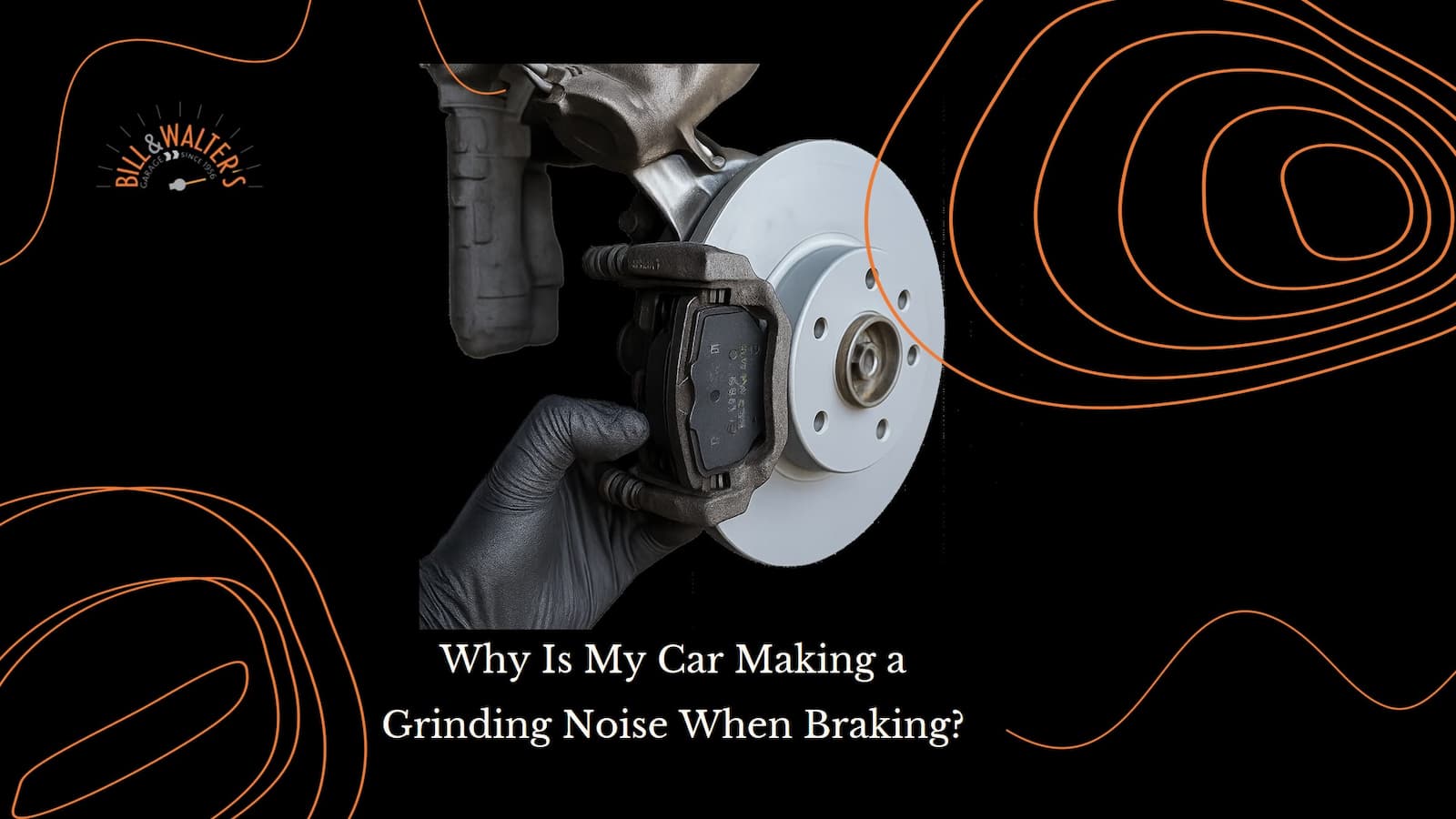
If you continue to drive with grinding brakes, you will ruin your rotors, potentially seize your brake calipers, and drastically increase your stopping distances. If you hear grinding, stop driving immediately and seek professional repair. This severe sound is a critical answer to the question, ‘Why Is My Car Making Noise When I Brake?’
Thumping, Vibrating, or Pulsing
If you don’t hear a high-pitched sound but instead feel a rhythmic thumping or vibration through the brake pedal and steering wheel, you are likely dealing with warped brake rotors or disc thickness variation (DTV).
Rotors can warp due to extreme heat cycles—such as riding the brakes down a long mountain pass or braking hard from high speeds. When the rotor surface is no longer perfectly flat, the brake pads grip unevenly, creating a vibrating sensation and a low-frequency thumping sound. This is another common reason why is my car making noise when I brake.
Rattling, Clicking, or Popping
A lighter rattling or clicking sound that occurs when you press or release the brake pedal usually points to loose brake hardware.
Your braking system relies on small anti-rattle clips, shims, and pins to keep the brake pads securely seated within the caliper bracket. Over time, these clips can lose their tension, rust, or snap. Without proper tension, the brake pads will shift and bounce inside the caliper, creating a distinct clicking or popping noise. This type of noise also helps answer why is my car making noise when I brake.
Hissing or Whooshing
If you hear a soft hissing sound when you press the brake pedal, the issue might not be at the wheels at all. Instead, it could be a failing brake booster.
Most vehicles use a vacuum-assisted brake booster to make the pedal easy to press. A tear in the internal diaphragm of the booster allows air to escape, creating a vacuum leak and a noticeable hissing sound inside the cabin. This is often accompanied by a stiff brake pedal and rough engine idling, providing a different answer to why is my car making noise when I brake.
2. The Core Culprits: Why Is My Car Making Noise When I Brake?
To fully understand why these noises occur, it helps to look at the primary mechanical culprits within your braking system.
Worn-Out Brake Pads
This is the number one reason for brake noise. Brake pads are designed to wear out over time. Depending on your driving habits, vehicle weight, and pad material, brake pads typically last between 30,000 and 70,000 miles. If you frequently drive in stop-and-go city traffic or haul heavy loads, your pads will wear out much faster, and a primary answer to why is my car making noise when I brake.
Warped or Damaged Rotors
The brake rotor (or disc) is the shiny metal wheel that spins alongside your tires. The brake pads clamp down on this disc to stop your vehicle. If the rotors are deeply grooved, rusted, or warped, they will create noise, vibrations, and uneven pad wear. In some cases, rotor resurfacing can correct minor imperfections, but severely damaged rotors will require full replacement, explaining another common reason why is my car making noise when I brake.
Seized Brake Calipers
The caliper is the hydraulic clamp that presses the brake pads against the rotor. Calipers rely on rubber boots, guide pins, and pistons to move smoothly. If a guide pin gets stuck or a piston seizes due to road debris and rust, the caliper may keep the brake pad pressed against the rotor continuously. This causes extreme heat, rapid wear, a burning smell, and a constant squealing or grinding sound, often necessitating a brake caliper replacement, which is a serious answer to why is my car making noise when I brake.
Environmental Factors and Vehicle Inactivity
Sometimes, the answer to “Why is my car making noise when I brake?” is simply that your car has been sitting too long.
In 2026, with remote work remaining highly popular, many vehicles sit idle for days or weeks at a time. Moisture in the air causes surface oxidation (rust) on the brake rotors. When you finally drive the car, the pads scraping over this rust layer will make a loud scraping or grinding noise. Fortunately, this type of noise usually disappears after a few firm stops.
The 2026 EV and Hybrid Factor: Regenerative Braking Rust
If you drive a hybrid or electric vehicle, you might notice your brakes squeaking or grinding more often than expected. This is due to regenerative braking.
EVs and hybrids use the electric motor to slow the vehicle down, recovering energy to recharge the battery. Because the mechanical friction brakes are rarely used, moisture and rust build up on the rotors much faster. This lack of use can cause the brake components to seize or make loud scraping noises when they are finally called into action during an emergency stop, a unique reason why is my car making noise when I brake in modern vehicles.
3. Step-by-Step Diagnostic Guide: How to Inspect Your Brakes
If your brakes are making noise, you can perform a basic visual and physical inspection before heading to a mechanic to understand why is my car making noise when I brake.
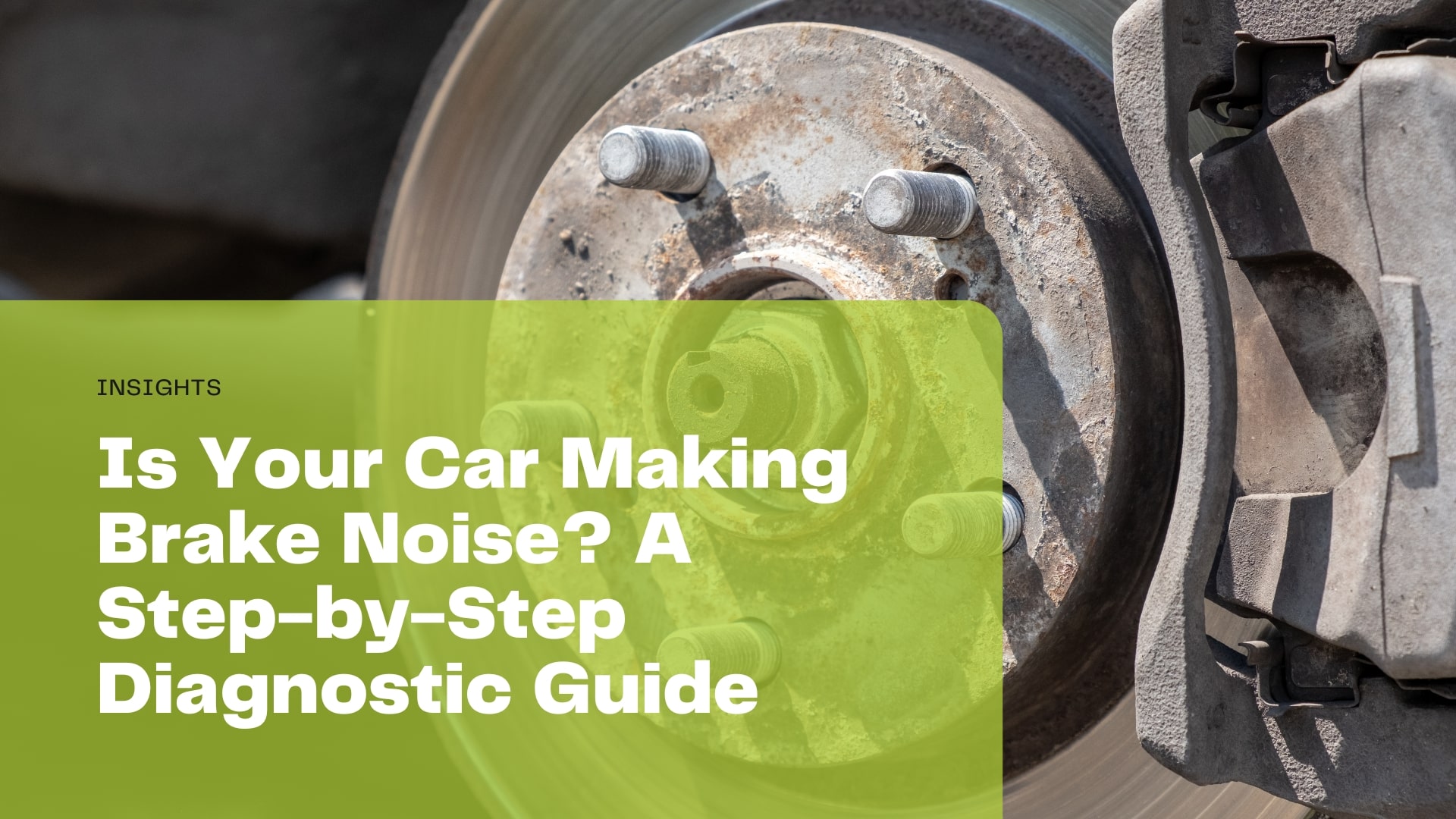
Follow these steps to safely diagnose your vehicle’s braking system:
Step 1: Conduct a Visual Inspection Through the Wheels
Many modern vehicles have alloy wheels with wide spokes, allowing you to see the brake components without even removing the tire.
Check Pad Thickness: Look through the wheel spokes at the brake caliper. You should be able to see the outer brake pad pressed against the rotor. If the friction material looks thinner than a pencil (less than 3mm), your pads need immediate replacement.
Inspect the Rotors: Look at the surface of the brake rotor. It should be smooth and shiny. If you see deep concentric rings, heavy rust scales, or a dark blue tint (indicating extreme overheating), your rotors are damaged. These visual cues are vital in determining why is my car making noise when I brake.
Step 2: Check Your Brake Fluid Level
Open your car’s hood and locate the brake fluid reservoir (usually a clear plastic container near the firewall on the driver’s side).
The fluid level should sit between the “Min” and “Max” lines.
If the fluid is exceptionally low, it could indicate that your brake pads are extremely worn (as the calipers must extend further, drawing more fluid down the brake lines) or that you have a dangerous brake fluid leak.
Note: If the fluid is dark brown or black, it is contaminated and needs a complete brake fluid flush to maintain optimal performance and prevent damage to other components.
Step 3: Listen During a Controlled Test Drive
Find a quiet, safe parking lot or residential street to conduct a brief test drive.
Roll down your windows and turn off the radio.
Accelerate to about 20 mph and apply the brakes gently. Does the noise happen immediately? Is it a squeal, a grind, or a click?
Apply the brakes firmly. Does the steering wheel shake, or does the pedal pulsate?
Note which side of the vehicle the noise is coming from (front or rear, left or right). This information will be incredibly helpful for your mechanic in diagnosing why is my car making noise when I brake.
4. The True Cost of Ignoring Brake Noise
It can be tempting to turn up the radio and ignore a minor squeak, but delaying brake repairs is a costly and dangerous mistake, significantly increasing your overall brake pad replacement cost and other related expenses, especially when you’re trying to figure out why is my car making noise when I brake.
| Brake Issue | Cost of Quick Fix | Cost of Delayed Repair | Potential Consequences |
| :— | :— | :— | :— |
| Worn Brake Pads | $150 – $300 (Pad Replacement) | $600 – $1,200+ (Pads, Rotors, & Calipers) | Metal-on-metal grinding, ruined rotors, caliper failure, increased stopping distances. |
| Loose Brake Hardware | $20 – $50 (Hardware Kit) | $300+ (Damaged pads/calipers) | Pad binding, uneven wear, potential caliper damage. |
| Low Brake Fluid | $10 – $50 (Top-off or Flush) | $1,000+ (Master Cylinder / ABS Module) | Complete brake pedal fade, total loss of braking ability. |
Beyond the financial impact, driving with compromised brakes puts your life and the lives of others at risk. Modern driver-assistance systems (like automatic emergency braking and adaptive cruise control) rely entirely on a highly responsive mechanical braking system. If your brakes are worn or damaged, these safety systems cannot function correctly in an emergency.
5. Frequently Asked Questions (FAQs)
Here are some common questions drivers ask when they wonder why is my car making noise when I brake.
Are squeaky brakes always a sign of danger?
No. Squeaky brakes are not always dangerous. Temporary squeaking can be caused by morning dew, surface rust, cold temperatures, or dust buildup. However, if the squeaking is persistent, loud, and happens every time you press the pedal, it is likely your wear indicators telling you to replace your pads, which is a clear answer to why is my car making noise when I brake.
Why do my brakes squeak only when I back up?
Many drivers ask, “Why do my brakes squeak only when I back up?” This specific scenario is another aspect of understanding why is my car making noise when I brake. Brakes often squeak in reverse because the pads shift slightly in the opposite direction of their normal forward rotation. This movement can cause the pads to vibrate against the caliper bracket at a different angle, creating a squeak. It can also occur if the wear indicator tab is bent in a way that it only makes contact when the wheel spins backward.
Can I change my own brake pads to stop the noise?
Yes, if you have the proper tools (jack, jack stands, socket set, caliper piston compression tool) and mechanical confidence. Replacing brake pads and rotors is a common DIY project. This can be a way to address why is my car making noise when I brake, but only if you are fully comfortable with the process. However, because brakes are a critical safety component, you should only attempt this if you are fully comfortable with the process. If in doubt, always trust a certified technician.
How do I prevent my brakes from making noise in the future?
To keep your brakes operating quietly and ensure proper brake maintenance for reliable stopping power, consider these tips for regular brake service:
- Choose High-Quality Ceramic Pads: Ceramic pads produce less noise and dust than semi-metallic pads.
- Use Brake Lubricant: Always apply high-temperature brake grease to the back of the pads and the caliper slide pins during installation (never on the friction side of the pad or the rotor!).
- Keep Your Car Clean: Wash your wheels regularly to prevent brake dust and road salt buildup.
- Drive Mindfully: Avoid hard, sudden braking whenever possible to prevent overheating and rotor warping.
Following these tips can significantly reduce the chances of you asking why is my car making noise when I brake in the future.
Summary: Listen to Your Brakes
Your car is a complex machine, and sound is one of its primary ways of communicating with you. If you are asking “Why is my car making noise when I brake?” take a moment to listen closely to the sound.
A light squeak might just be moisture or a warning that a maintenance interval is approaching. A rhythmic vibration points to warped rotors. But a harsh, metallic grinding sound is a clear signal that your vehicle is no longer safe to operate.
By paying attention to these early warning signs, performing basic visual checks, and scheduling regular brake inspection and addressing brake wear promptly, you can keep your vehicle stopping safely, protect your budget from costly secondary damage, and enjoy peace of mind on the road.