There is nothing quite as panic-inducing as glancing at your dashboard and seeing that dreaded, glowing icon: the Check Engine Light (CEL). For many drivers, the immediate question is, What Does Check Engine Light Mean? Whether it’s orange, yellow, or red, and regardless of whether it looks like an engine silhouette or simply spells out "Service Engine Soon," it represents a mystery that most drivers find overwhelming. Understanding the various reasons for an illuminated check engine light is the first step towards maintaining vehicle reliability.
In 2026, modern vehicles are more computerized than ever. Your car’s onboard diagnostics system (OBD-II) acts as a constant watchdog, monitoring everything from your ignition timing and air-fuel mixture to transmission shifting patterns. This central unit, often referred to as the powertrain control module (PCM), acts as a constant watchdog. When this computer detects a fault, it triggers the light to get your attention. But does it mean you are facing a $50 fix or a $5,000 engine disaster? Understanding what does check engine light mean in your specific situation is the key to protecting your wallet and your safety.
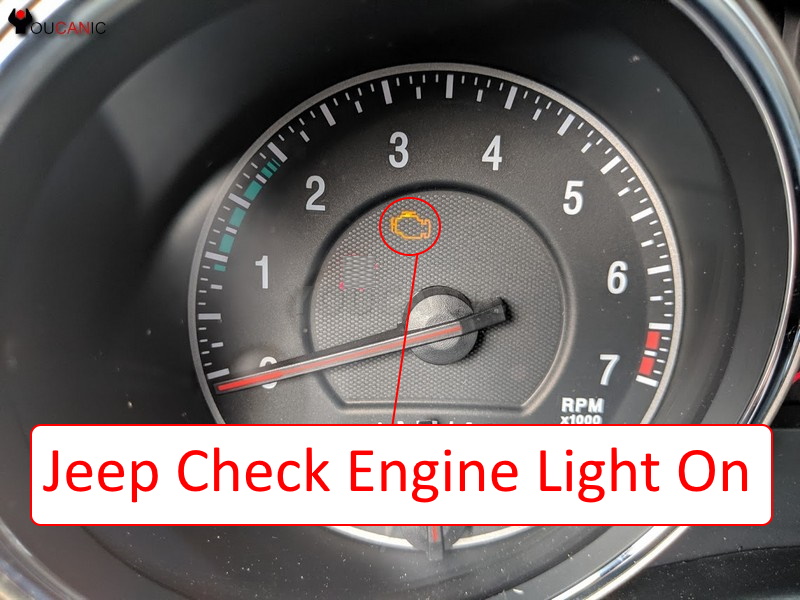
Decoding the Dashboard: Solid vs. Flashing Lights
One of the most important lessons for any driver in 2026 is knowing the difference between a steady light and a flashing light, as this helps clarify what does check engine light mean for your immediate actions. This single distinction determines whether you can drive home or if you need to pull over immediately.
The Steady Check Engine Light
If your light is glowing steadily, your vehicle’s computer has detected a problem that requires attention, but it is not necessarily a "stop-the-car-right-now" emergency. In most cases, it is safe to finish your commute or drive to a local mechanic. However, never ignore a steady light; understanding what does check engine light mean in this context can prevent minor issues from escalating. What starts as a minor emissions issue can quickly escalate into a failing component that causes permanent damage to your engine or exhaust system, potentially leading to engine hesitation or loss of power.
The Flashing Check Engine Light
A flashing light is the automotive equivalent of a scream for help. It indicates that the vehicle is experiencing an active engine misfire or another severe mechanical issue that is causing unburned fuel to dump into the exhaust system. This is a critical signal for what does check engine light mean when it’s flashing. If this is happening, you must pull over to a safe location and turn off the engine immediately. Continued driving during a flashing light event can destroy your catalytic converter—a repair that can cost thousands of dollars—in a matter of miles.
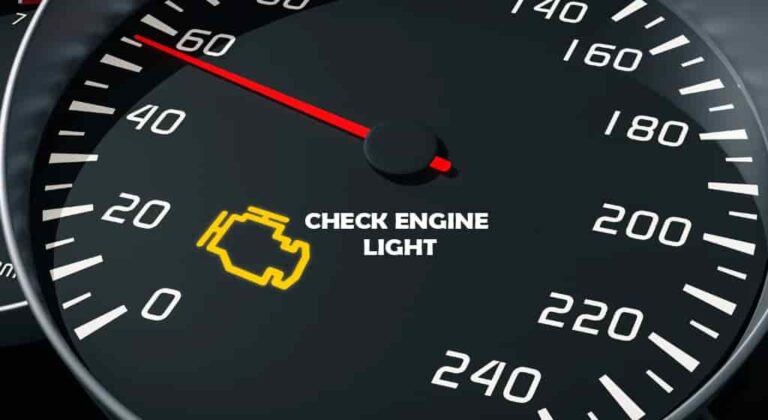
The 8 Most Common Causes for a Check Engine Light
While the range of potential issues is vast, most mechanics find that the majority of CEL triggers fall into a specific set of categories. By knowing these, you can avoid the "blind panic" stage of vehicle repair and better understand what does check engine light mean.
1. The Loose or Faulty Gas Cap
It sounds almost comical, but a loose gas cap is one of the most frequent reasons for an illuminated check engine light, giving a simple answer to what does check engine light mean in many cases. Modern Evaporative Emission (EVAP) systems rely on a pressurized fuel system to prevent harmful vapors from escaping. If the cap is loose, cracked, or missing, the system detects a leak, and the light comes on.
- The Fix: Simply tighten the cap until it clicks. If it is damaged, a replacement usually costs between $20 and $60. It may take about 30 miles of driving for the computer to recognize the fix and reset the light.
2. Oxygen Sensor Malfunction
The oxygen (O2) sensor measures the amount of unburned oxygen in your car’s exhaust system. It sends this data to the computer to help regulate the air-fuel mixture. Over time, these sensors become coated in oil ash or simply fail due to age. A bad O2 sensor will lead to poor fuel economy and, if left unaddressed, will cause your catalytic converter to fail, highlighting a common reason for what does check engine light mean, often leading to a rich or lean condition that affects fuel system issues.
3. Faulty Catalytic Converter
The catalytic converter is designed to turn carbon monoxide into less harmful carbon dioxide. In most cases, the converter does not just "go bad" on its own—it fails because you ignored another underlying issue like a bad spark plug or an oxygen sensor for too long. Replacing a converter is one of the most expensive engine repairs, often costing $2,000 to $5,000+, making it crucial to understand what does check engine light mean when this component is involved.
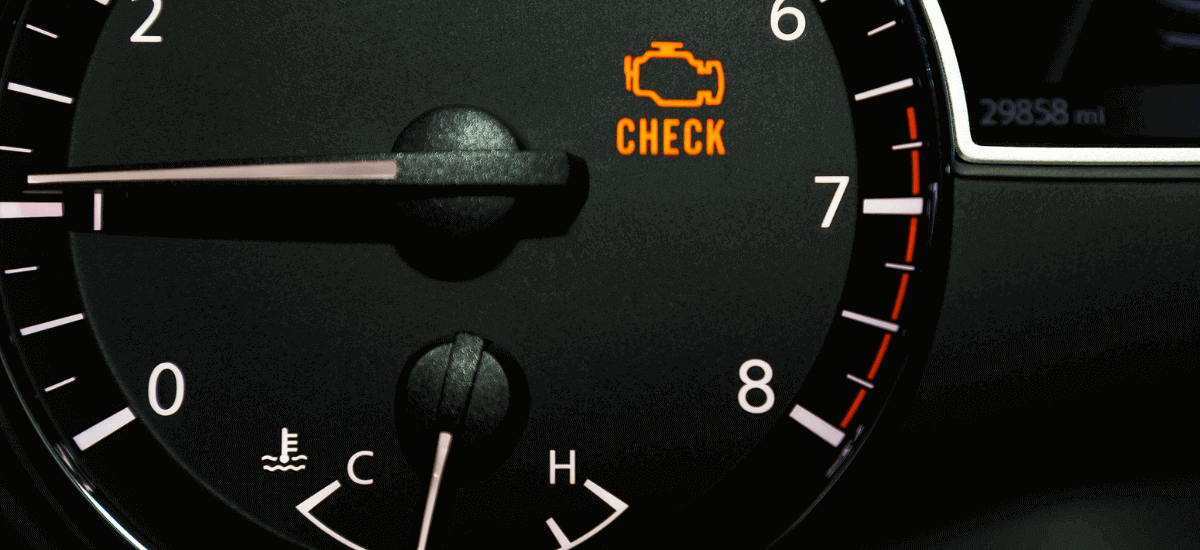
4. Mass Airflow (MAF) Sensor Issues
The MAF sensor monitors the amount of air entering the engine so the computer can calculate how much fuel is needed. A dirty or failing MAF sensor can cause stalling, hesitation, and significantly reduced gas mileage, providing another answer to what does check engine light mean. It can also contribute to rough idling and difficulty starting. In many cases, it can be cleaned with a specialized aerosol spray, saving you the cost of a full replacement.
5. Worn Spark Plugs and Ignition Coils
These components are the heart of your engine's combustion process. If your spark plugs are fouled or your ignition coils are failing, the engine will experience misfires. This is often the cause of the "flashing" light mentioned earlier, and a clear indicator of what does check engine light mean in terms of engine performance. Such issues can also include fuel pump failure or clogged fuel injectors. If you feel the car shaking or losing power, these are the first parts your mechanic will investigate.
6. Weak Battery or Charging System
Because today’s cars are highly sensitive to electrical voltage, a failing battery or a loose alternator connection can trigger false positive codes. If your car is acting erratically or having trouble starting, the check engine light might be signaling an electrical supply issue rather than an engine mechanical problem, which changes what does check engine light mean for your diagnostic approach.
7. Intake Vacuum Leaks
The engine relies on a network of rubber hoses and gaskets to maintain a specific vacuum pressure. As these rubber components age, they crack and dry out, allowing "unmetered air" to enter the engine. This confuses the computer, disrupts the air-fuel ratio, and consistently triggers the check engine light, giving you a specific reason for what does check engine light mean. These leaks can also impact the proper function of the PCV valve.
8. Exhaust Gas Recirculation (EGR) Valve Failure
The EGR valve is responsible for reducing nitrogen oxide emissions by recirculating a portion of the exhaust gas back into the cylinders. When this valve becomes clogged with carbon deposits, it can cause the engine to ping, stumble, or even fail emissions testing, another common scenario for what does check engine light mean.
Diagnostic Tools: How to Read the Codes Yourself
You do not always need to rush to the dealership or a high-end service center to decipher why your check engine light is glowing. With the right tools, you can pull the Diagnostic Trouble Codes (DTCs) yourself, which gives you the power to negotiate repairs or even perform simple fixes from your own driveway, helping you understand what does check engine light mean by accessing a vast trouble codes database online or through your scanner’s features.
Understanding OBD-II Scanners
Every passenger vehicle manufactured since 1996 is equipped with an Onboard Diagnostics II (OBD-II) port, typically located under the dashboard on the driver’s side. This port provides direct access to the vehicle’s powertrain control module, which serves as the "brain" of your car.
- Entry-Level Code Readers: These devices are affordable, often costing under $50. They allow you to plug in, read the alphanumeric code (e.g., P0300), and often provide a brief description of the fault.
- Bluetooth OBD-II Adapters: These advanced devices sync with your smartphone. Paired with a diagnostic app, they offer real-time data streaming, allowing you to see how your sensors are performing while you drive.
- Benefits of DIY Scanning: By identifying the specific code, you prevent "part-swapping" at a mechanic shop where they might replace components that aren't actually broken Source 2, giving you a clearer picture of what does check engine light mean. After repairs, you might also need to consider resetting the check engine light to confirm the fix, though this should only be done once the underlying issue is resolved.
When DIY Troubleshooting Becomes Dangerous
While scanning for codes is a brilliant way to save money, it is vital to recognize your limits. There is a distinct line between a simple component replacement and a deep-seated electrical or mechanical failure that requires a master technician, influencing your interpretation of what does check engine light mean.
The Dangers of Guesswork
Many drivers pull a code, go to a parts store, and buy the suggested component without further investigation. For example, a "P0171" code indicates a system lean condition, which simply means there is too much air and not enough fuel. While this is often caused by a bad MAF sensor, it can also be a vacuum leak, a faulty fuel pump, or a restricted fuel injector. Other critical components like the crankshaft position sensor can also trigger complex codes, requiring careful diagnosis.
- The Risk of Over-Replacing: Replacing expensive sensors without verifying the root cause leads to wasted money and, worse, a check engine light that stays on because the underlying issue wasn't resolved, making it harder to truly understand what does check engine light mean.
- Electrical Hazards: Modern vehicle computers operate on highly sensitive voltage signals. Probing connectors with the wrong equipment or failing to disconnect the battery before working on electrical systems can fry your car's Electronic Control Unit (ECU), turning a minor fault into a catastrophic failure.
- Diagnostic Integrity: If your scan tool identifies a "misfire" in cylinder four, do not just swap the spark plug. A skilled technician looks for "secondary" clues, such as compression loss or fuel pressure drops, which a $30 scanner cannot detect Source 3.
Environmental Impact: Why Emissions Matter
Your check engine light is not just a personal inconvenience; it is a critical component of environmental stewardship. The light is part of the Malfunction Indicator Lamp (MIL) system, which is federally mandated to ensure your vehicle is not polluting the atmosphere beyond legal limits Source 5, and understanding what does check engine light mean in this context is vital.
How Emissions Systems Fail
When your car's computer senses that the emissions control system—which includes the catalytic converter, EVAP system, and various sensors—is not performing as designed, it flags the CEL. Ignoring this light means you are likely pumping toxic fumes directly into the air.
- The Role of the EVAP System: This system captures fuel vapors that would otherwise evaporate into the air. If this system triggers a light, your car is actively losing fuel to the environment Source 7.
- Failed Emissions Testing: In most states and regions, you cannot renew your vehicle registration if the check engine light is on. The testing computer will automatically reject your car during the smog check because the "readiness monitors" have not been set, emphasizing the regulatory aspect of what does check engine light mean.
- The Chain Reaction: An emission-related fault usually starts with a minor sensor issue. By delaying the repair, you force the catalytic converter to work overtime, eventually leading to a complete system breakdown that can cost thousands Source 1.
Weather and Temperature Factors
You might notice your check engine light behaves differently depending on the season. Changes in ambient temperature, humidity, and even altitude can affect how your engine runs and how the sensors report data, which can alter what does check engine light mean in certain conditions.
Temperature Sensitivities
Extreme heat and cold place significant stress on your car's components. During winter, rubber hoses and seals become brittle, making them more prone to cracking and causing the intake vacuum leaks mentioned earlier. In the heat of summer, the fuel delivery system faces higher pressure, which can exacerbate issues with your fuel pump or EVAP system.
- Cold Start Issues: On cold mornings, your car’s computer runs in "open loop" mode, ignoring O2 sensor data until the engine warms up. If you have a sensor that is failing, it may only trigger the light once the car reaches operating temperature, providing a specific scenario for what does check engine light mean.
- The Battery Factor: Cold weather is the number one cause of battery failure. Since your car’s electrical system relies on stable voltage to power the engine sensors, a dying battery can cause the CEL to flicker or illuminate due to low voltage "noise" in the electrical lines Source 6.
- Preventative Maintenance: To avoid season-specific CEL issues, ensure your engine air filter is clean and your battery terminals are free of corrosion, especially before the start of extreme weather seasons.
Decoding the Language of Trouble Codes
When you use an OBD-II scanner, you will see a code that looks something like "P0300." Understanding how to read these codes is like learning a new language—once you understand the syntax, the mystery vanishes, and you truly grasp what does check engine light mean.
The Structure of a DTC
Every code follows a standardized format. Here is how to break down the "P0300" example:
- The First Character (P, B, C, U): This indicates the system.
- P (Powertrain): Covers engine, transmission, and associated sensors. These are the most common CEL triggers.
- B (Body): Covers components like air conditioning or safety systems.
- C (Chassis): Covers suspension, steering, and braking systems.
- U (Network): Covers communication between different computers in the car.
- The Second Character (0 or 1): Indicates if it is a generic SAE-defined code (0) or a manufacturer-specific code (1).
- The Last Three Digits: These are the specific identifier for the circuit or system component that is malfunctioning.
- P01XX Series: Fuel and air metering systems (Oxygen sensors, MAF sensors).
- P03XX Series: Ignition system and misfire detection (Spark plugs, coils).
- P04XX Series: Auxiliary emission control (Catalytic converter, EVAP leaks).
By learning these groupings, you can immediately tell if your problem is likely a "cheap fix" (like an O2 sensor) or a "major overhaul" (like a catalytic converter) before you even open the hood Source 4.
How Driving Habits Influence Engine Health
Your daily driving style plays a significant role in the longevity of your engine's components. Modern engines are designed to be run, and infrequent or very short trips can actually trigger premature check engine light issues, influencing what does check engine light mean for your vehicle.
The "Short Trip" Syndrome
If your daily commute is less than five miles, your engine may never reach its optimal operating temperature. This leads to:
- Carbon Buildup: Without reaching high temperatures, moisture and carbon deposits collect on your spark plugs and valves, eventually triggering a misfire code.
- Condensation in the Exhaust: Water vapor is a byproduct of combustion. On short trips, this water doesn't evaporate, leading to rust inside your exhaust system and potential damage to the oxygen sensors.
- Oil Dilution: During the warm-up phase, extra fuel is injected into the cylinders. If you stop the engine before the oil warms up, this unburned fuel seeps into the oil, degrading its protective properties and damaging internal engine components over time.
Highway Driving: The Engine's Best Friend
Conversely, regular highway driving allows the engine to clear out carbon deposits and properly heat the catalytic converter, which is vital for its chemical reaction process. If your CEL is on, taking the car for a steady, 20-minute highway drive can sometimes help the computer verify that a temporary sensor reading was a fluke, occasionally leading the system to turn the light off on its own, which can change what does check engine light mean for your next steps.
Professional Diagnostics vs. Dealership Service
When the check engine light remains on despite your best efforts, it is time to choose where to have the vehicle serviced. This decision can impact both the quality of the repair and the total cost of the job, and helps you get a definitive answer to what does check engine light mean.
Choosing the Right Technician
- Independent Repair Shops: These shops often have the same high-end diagnostic tools as dealerships but at a lower labor rate. They are usually more willing to source aftermarket parts, which can save you significant money on repairs like catalytic converters or sensors.
- Dealership Service Centers: If your car is under warranty, the dealership is your only choice. They use OEM (Original Equipment Manufacturer) parts, which are built to exact specifications. While they cost more, they provide peace of mind and, often, a national warranty on the repair work.
- Specialized Diagnostic Techs: Some mechanics specialize exclusively in electrical and computer diagnostics. If your CEL code is "ghosting"—meaning it appears, disappears, and causes no physical symptoms—a specialist with an oscilloscope can find a frayed wire or a bad ground connection that a general mechanic might miss after hours of trial-and-error work.
Long-Term Maintenance to Prevent Future Lights
The best way to deal with a check engine light is to make sure it never turns on in the first place. A proactive approach to car care is infinitely cheaper than a reactive one, and helps avoid the question of what does check engine light mean by adhering to a comprehensive preventative maintenance schedule.
The Proactive Checklist
- Stick to Your Service Schedule: Follow your owner’s manual for spark plug replacement intervals. Worn plugs are the #1 cause of engine misfires and eventual coil pack failure.
- Quality Fuel Matters: Using "Top Tier" gas ensures that your fuel system stays clean. Cheap, unrefined fuel can lead to deposits on your injectors and sensors, which eventually trigger an emissions-related code.
- Listen to Your Engine: You know how your car sounds and feels better than anyone. If it starts to idle roughly, stumbles when you accelerate, or smells like rotten eggs (a sign of a failing catalytic converter), address it immediately, even if the light hasn't come on yet, preventing a more serious answer to what does check engine light mean.
- Inspect Rubber Components: During every oil change, spend two minutes looking at the visible rubber hoses in your engine bay. If they feel soft, mushy, or show cracks, replace them before they cause a vacuum leak that will trigger the CEL.
Common Myths About the Check Engine Light
There is a lot of misinformation circulating online regarding how to "handle" the check engine light. It is crucial to separate fact from fiction to keep your vehicle reliable and truly understand what does check engine light mean.
Myth 1: You can clear the light by disconnecting the battery.
While disconnecting the battery for a few minutes will turn the light off, it only hides the symptom. The underlying issue remains, and the light will inevitably return as soon as the car’s computer runs its self-check—usually within 50 miles. Furthermore, disconnecting the battery clears the "readiness monitors," which will actually cause you to fail an official smog test.
Myth 2: A check engine light is always a sign of a major, expensive repair.
As we have explored, a CEL can be as simple as a $20 gas cap or a loose vacuum line. Panic is your enemy; logical diagnosis is your friend. Do not let the prospect of a high bill prevent you from getting the car scanned—knowledge is the best way to control costs and understand what does check engine light mean.
Myth 3: If the car feels like it’s driving fine, the light is a mistake.
Modern computers are incredibly precise. Even if you cannot feel a difference in performance, your engine may be running slightly rich or lean, which is quietly damaging your catalytic converter or reducing your fuel economy by 10-15%. An illuminated light is never a "mistake"; it is a record of a fault stored in the memory of the vehicle's computer, providing a clear answer to what does check engine light mean.
The Financial Reality of Ignoring the Light
Many drivers fall into the trap of "waiting for the light to go away on its own." This is a high-stakes gamble that almost always results in a larger bill, making it essential to understand the financial implications of what does check engine light mean.
The Cost of Procrastination
When you ignore a check engine light, you are essentially driving on "borrowed time." Consider the following breakdown of costs:
- The "Early" Fix: A $150 oxygen sensor is replaced before it destroys the catalytic converter.
- The "Late" Fix: The $150 sensor was ignored, causing the engine to run rich, which melted the internal substrate of the $2,500 catalytic converter. You now pay $2,650 plus the cost of labor to address the knock-on effects.
This isn't just about the money; it is about the reliability of your vehicle. A car that is running with an active check engine light is more likely to leave you stranded on the side of the road. By addressing the light early, you maintain the resale value of your car and ensure it remains a dependable part of your daily life.
How Modern Technology is Changing Diagnostics
The future of automotive repair is moving toward predictive diagnostics. New technologies are being integrated into vehicle systems that inform you of an impending failure before it ever triggers a check engine light, changing how we perceive what does check engine light mean.
Predictive Maintenance Features
- Remote Monitoring: Many new vehicles now transmit their health status to the manufacturer's server. You might get a notification on your phone saying, "Your battery is showing signs of weakness; please visit your dealer," before the car even struggles to start.
- AI-Powered Code Analysis: Newer diagnostic apps use artificial intelligence to cross-reference your specific vehicle model, mileage, and code to give you a probability of which part is likely at fault. This helps you skip the guesswork and go straight to the most likely culprits, providing a more precise answer to what does check engine light mean.
- Sensor Self-Calibration: As sensors become more advanced, they are beginning to self-calibrate in real-time, correcting minor deviations that used to trigger false CEL warnings. This leads to a more stable driving experience and fewer unnecessary trips to the mechanic.
The Human Element: Why Professional Expertise Matters
Despite all the technology and DIY resources available, there is no substitute for a skilled mechanic. A technician’s ability to interpret data, identify patterns, and listen to the "voice" of the engine is an art form, crucial for understanding the full scope of what does check engine light mean.
Beyond the Screen
Computers give you a code; they do not give you context. A professional mechanic can distinguish between a sensor that is lying due to a bad circuit and a sensor that is reporting accurately because there is a physical engine fault.
- The Diagnostic Fee: Many people balk at paying a "diagnostic fee," but you are paying for the technician’s training, experience, and the specialized tools required to test complex systems. It is the cheapest insurance policy you can buy for your vehicle.
- Warranty on Work: When a shop performs a repair, they typically back it with a warranty. If the light comes back on for the same issue, they are responsible for fixing it again. This level of accountability is something you cannot get when you attempt a high-level repair in your home garage.
Taking Action: A Step-by-Step Plan
If you see that orange light flicker on while you are behind the wheel, follow this professional checklist to ensure you handle it correctly:
- Assess the Severity: Is the light flashing? If yes, pull over immediately. Is it steady? You are fine to continue but should make a plan to address it.
- Check the Simple Things: If you just filled up with gas, ensure the cap is tight. If you have an OBD-II scanner, plug it in and read the code.
- Research the Code: Go online and search for "[Your Car Make/Model] + [The Code]." You will likely find forums where other owners have dealt with the exact same issue and the specific fix that worked for them.
- Evaluate Your Comfort Level: Can you change a sensor yourself with basic hand tools? If so, consider the DIY route. If the job requires specialized equipment, transmission work, or engine disassembly, schedule an appointment with a trusted mechanic.
- Document Everything: Keep a record of the diagnostic codes and the repairs performed. This history is invaluable if you decide to sell the vehicle later, as it shows you are a responsible owner who cares about maintenance.
By treating the check engine light as a tool for communication rather than a sign of doom, you take control of your vehicle’s health. You save money, protect your engine, and ensure that your car remains a safe, reliable partner on the road for years to come. The check engine light is not there to ruin your day; it is there to help you stay ahead of the curve, keep your costs low, and keep you moving forward. Stay proactive, stay informed, and never be afraid to reach out to a professional when the complexity of modern engineering exceeds the time or tools you have on hand. Your car is built to last—you just have to listen to what it is trying to tell you, and understand what does check engine light mean.
References
-
Themotorguy — Check Engine Light On? 8 Common Causes (With Diagnostic Costs and Fixes), 2026
-
Aaa — The Check Engine Light: Common Causes and How To Fix It, 2026
-
Consumerreports — What Does the Check Engine Light Look Like, and What Does It Mean …, 2026
-
Edmunds — What Does Your Check Engine Light Mean? – Edmunds, 2026
-
Obdadvisor — Check Engine Light: Meaning, Causes & Is It Safe to Drive?, 2026
-
Mechanicbase — Check Engine Light On? Meaning, Causes & How to fix it, 2026
-
Fixdapp — The 13 Most Common Reasons For A Check Engine Light – Fixd App, 2026
-
Autocheatsheet — Check Engine Light: Causes and Fixes – Auto Cheat Sheet, 2026