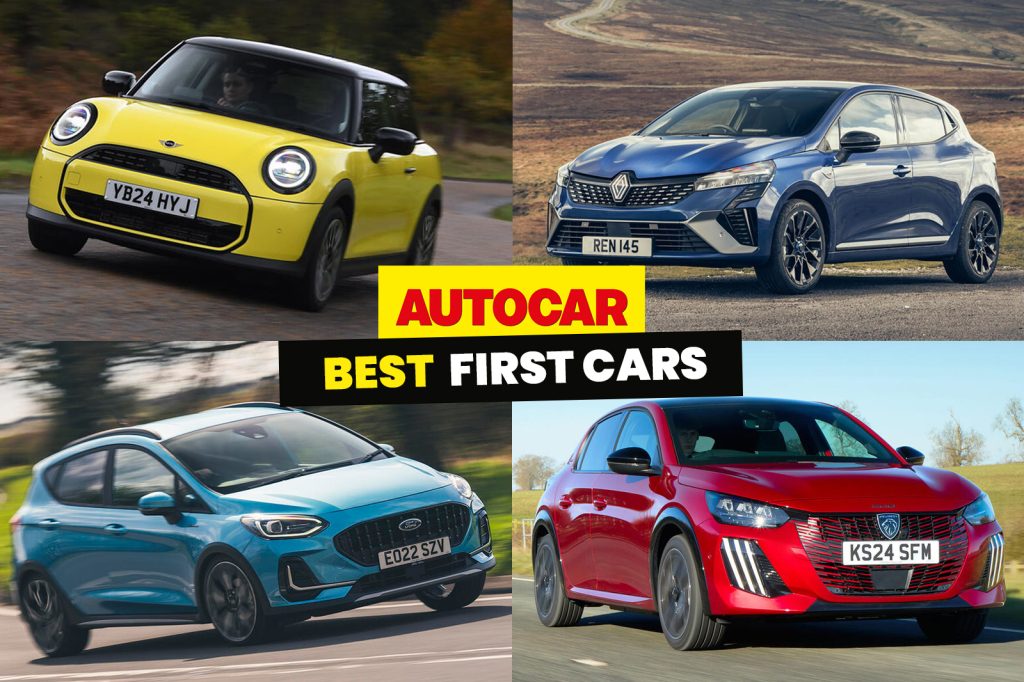
Buying your first car is a milestone that marks the beginning of true independence, especially for young drivers. It represents freedom, the open road, and the transition into a new chapter of your life. However, navigating the automotive market can feel like trying to solve a complex puzzle. Between balancing affordability, safety, insurance costs, and personality, the pressure to make the right choice is immense.
In 2026, the market for starter vehicles, including many budget-friendly first cars, is more diverse than ever. Whether you are looking for a reliable city cruiser, a fuel-efficient hybrid, or a compact SUV that offers a commanding view of the road, the options are designed to help you build confidence behind the wheel. This guide is curated to strip away the confusion and help you identify the best first car for new drivers that aligns with your lifestyle and budget.
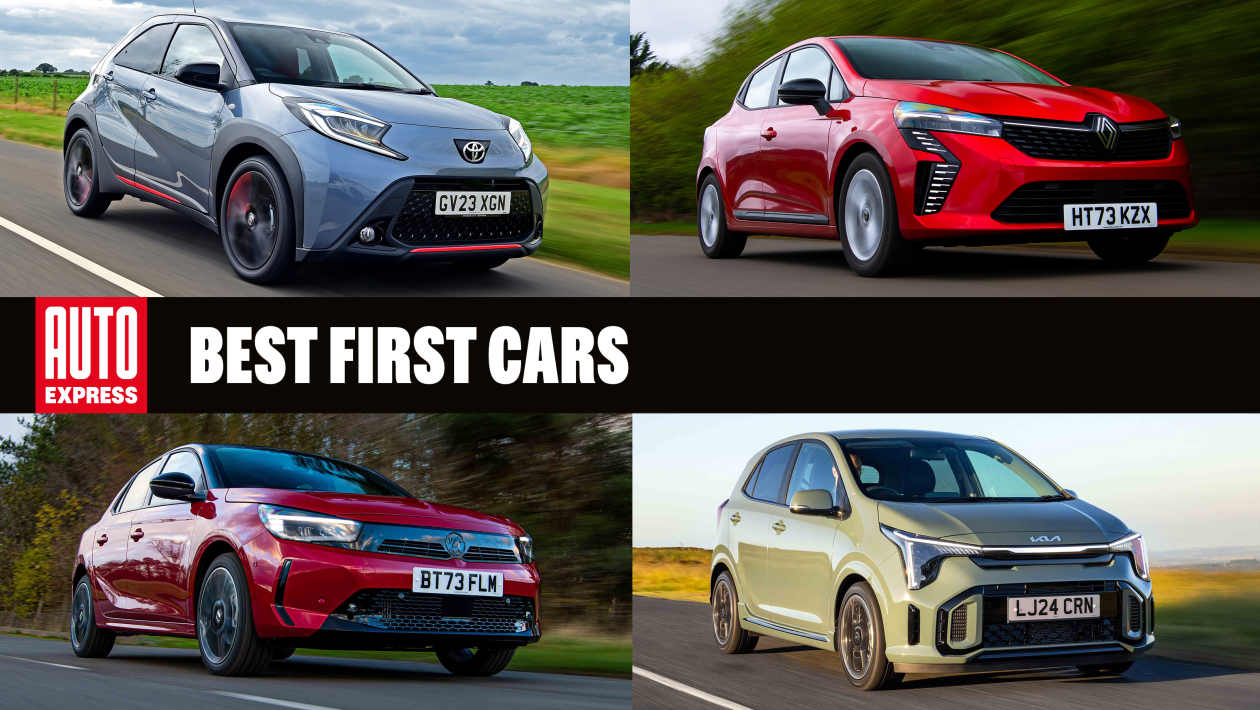
Why Choosing the Right Best First Car For New Drivers Matters
Your first vehicle shouldn't just be a way to get from point A to point B. It should be a safe, reliable, and manageable environment, ideally one of the low maintenance vehicles available, where you can develop your skills. A car that is too complex, too expensive to repair, or intimidating to drive can turn the joy of motoring into a source of constant stress.
When we evaluate the best first car for new drivers, we focus on three core pillars:
- Safety: Modern driver-assistance systems, offering essential safety features, are no longer a luxury; they are essential for beginners.
- Reliability: You need a vehicle that starts every time you turn the key, minimizing unexpected maintenance costs.
- Insurance and Running Costs: A car is only a bargain if you can afford to keep it on the road.
The Top Contenders: Sedan and Hatchback Essentials
The sedan and hatchback segments remain the gold standard for the best first car for new drivers. These compact cars for beginners are generally easier to park, more fuel-efficient, and offer predictable handling that is perfect for learning the nuances of the road.
Honda Civic: The Legendary All-Rounder
The Honda Civic continues to dominate lists as a strong contender for the best first car for new drivers. Its reputation for legendary reliability and high safety ratings makes it the benchmark for first-time buyers.
- Performance: With engines producing between 158 and 180 horsepower, it offers enough pep for highway driving.
- Efficiency: Drivers can enjoy up to 42 MPG on the highway, keeping fuel costs firmly in check.
- Technology: The user-friendly infotainment system and standard advanced driver-assistance suites provide peace of mind for both the driver and their parents.
Toyota Corolla: The Efficiency King
If you want a car that will last forever while offering excellent fuel economy, the Toyota Corolla is often considered the best first car for new drivers. With both gasoline and hybrid variants, you can tailor your choice to your driving environment.
- Hybrid Advantage: The hybrid model is a standout, achieving up to 53 MPG in the city, making it perfect for students or commuters.
- Safety Tech: Toyota’s commitment to safety is evident in the advanced driver-assist technologies that come standard on the 2026 models.
- Comfort: A spacious cabin and a smooth ride quality make it an excellent daily driver.
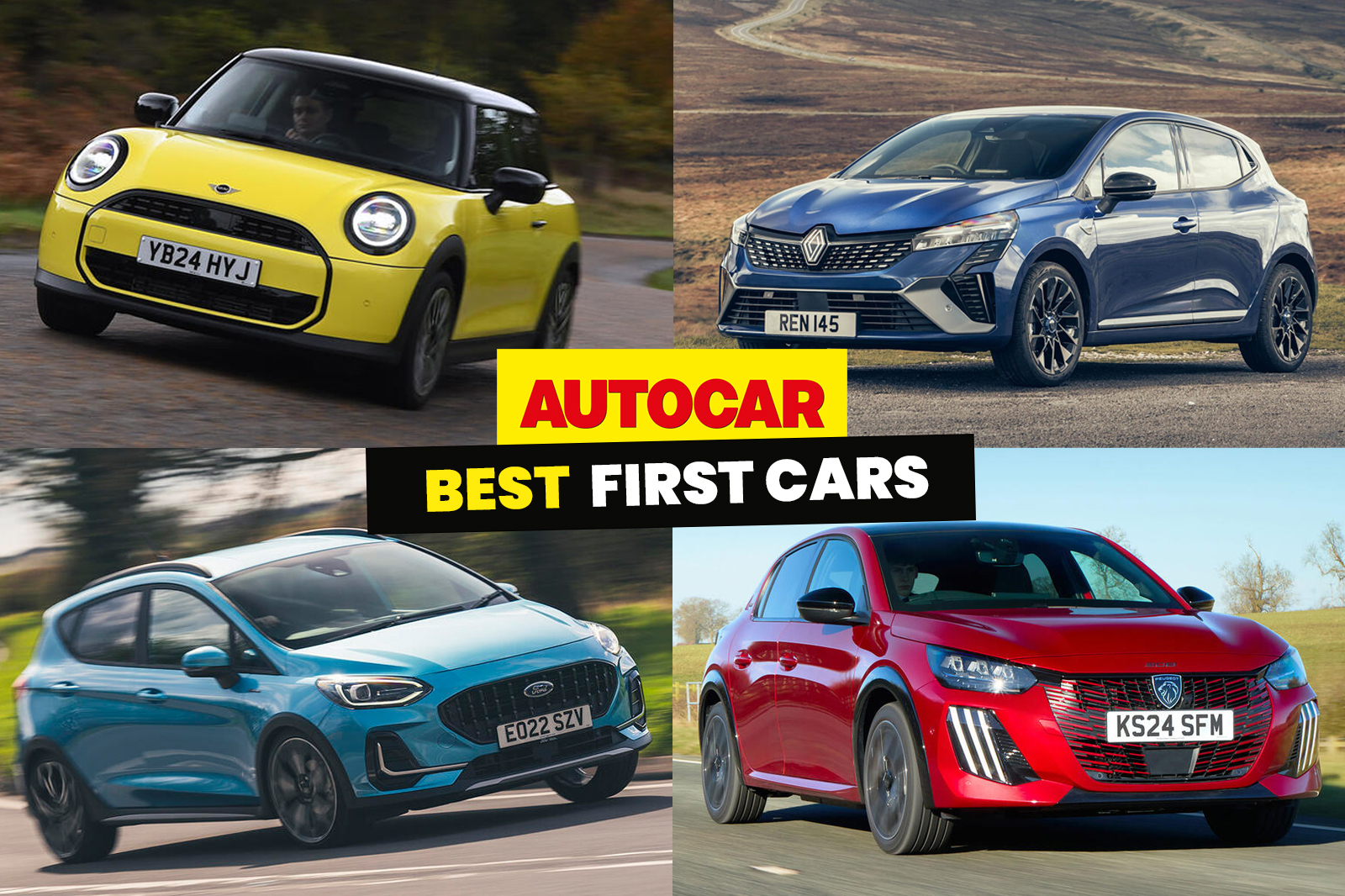
Stepping Up: Compact SUVs for the Modern Driver
For many, the appeal of an SUV as a best first car for new drivers is undeniable. The higher seating position provides better visibility, and the extra cargo space is a huge plus for those who carry sports gear or embark on road trips.
Chevrolet Trax: The Budget-Friendly Bargain
The 2025/2026 Chevrolet Trax has been redesigned with a sportier, modern profile that avoids the "boring economy box" stigma, making it a strong candidate for the best first car for new drivers.
- Affordability: Starting at around $21,000, it is one of the most competitive options for a brand-new vehicle.
- Safety Features: It is packed with essential tech like forward collision alert, automatic emergency braking, and lane-keeping assist.
- Practicality: With an estimated 32 MPG combined, it balances utility with economy, and its tight turning radius makes urban navigation simple.
Driving Dynamics and Personality
You don’t have to settle for a dull car when choosing the best first car for new drivers. Many young drivers prioritize character, and there are plenty of options that offer excitement without being dangerous or unaffordable.
Mazda3: The Enthusiast’s Starter Car
If you value handling and steering precision, the Mazda3 is often cited as the best first car for new drivers in its class. It offers a refined, upscale interior that feels like a much more expensive car.
- Handling: Agile steering and sporty handling make it incredibly engaging.
- Safety: It consistently earns high safety ratings, ensuring that while you are having fun, you are also protected by a solid frame and advanced assistance suites.
- Fuel Efficiency: Despite its sporty nature, it still manages up to 37 MPG on the highway.
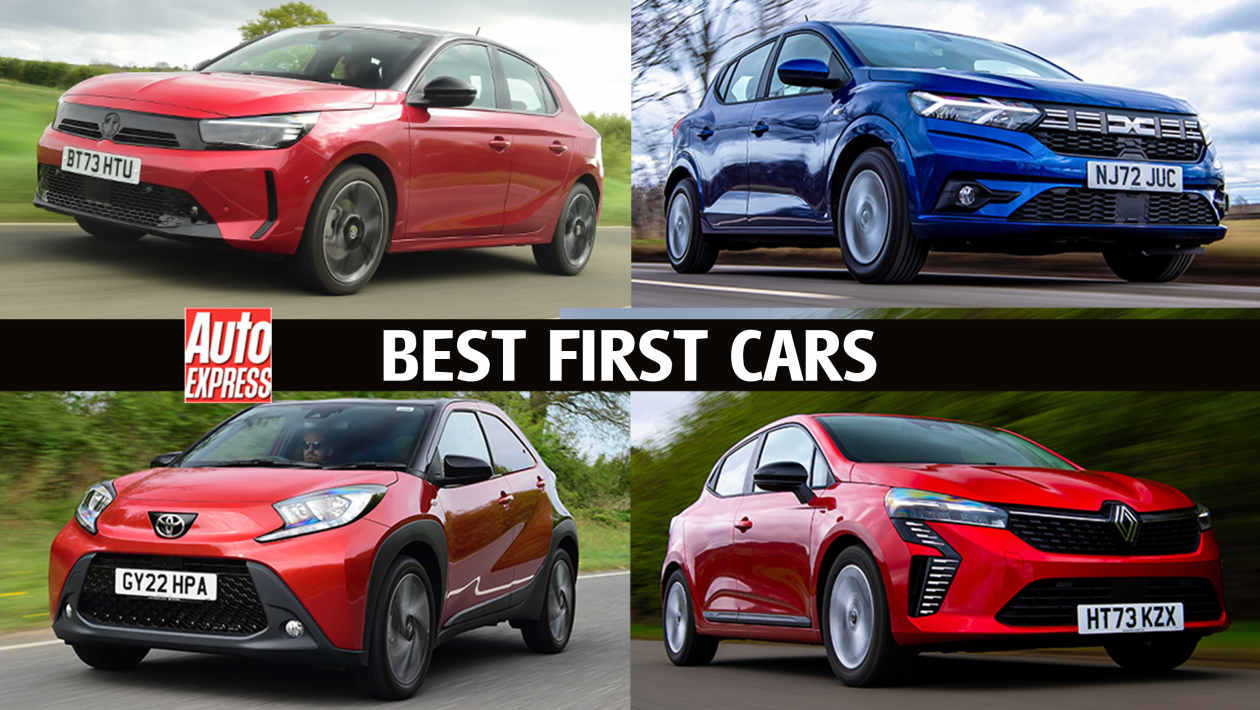
Understanding Insurance and Ownership Costs
Before you sign on the dotted line, you must consider the "hidden" costs of what could be your best first car for new drivers. Insurance premiums for new drivers can be high, and the make and model of the car you choose play a massive role in these figures. Understanding insurance for new drivers tips is crucial.
Tips for Lowering Insurance Premiums
- Prioritize Safety Features: Vehicles with autonomous braking and lane-assist technologies are often cheaper to insure because they reduce the likelihood of accidents.
- Opt for Smaller Engines: High-performance, high-horsepower cars attract higher insurance premiums. Sticking to a reliable 1.0L or 1.2L engine can keep you in a lower insurance bracket.
- Security Measures: Many insurance providers offer discounts for cars with built-in alarms, immobilizers, or parking sensors.
Maintenance: The Long-Term View
While a used performance car like an older BMW 3 Series might be tempting, the cost of maintenance can be a trap for a first-time buyer. New cars, or late-model reliable used cars for new drivers, offer the benefit of a warranty and modern parts that are readily available. Always check the servicing intervals and factor that into your annual budget. A car that requires expensive, proprietary parts is not a good choice for the best first car for new drivers, regardless of how good it looks.
Safety Systems: What to Look For in 2026
In 2026, technology is the new standard. When shopping, don't just look for cup holders and Bluetooth—look for the essential safety features that will save your life.
- Forward Collision Warning (FCW): Detects an impending impact and alerts the driver.
- Automatic Emergency Braking (AEB): Applies the brakes automatically if the driver fails to react.
- Lane Departure Warning/Assist: Keeps you from drifting out of your lane, a common issue for inexperienced drivers who may get distracted.
- Blind-Spot Monitoring: Essential for learning how to check your surroundings before changing lanes.
These features, once reserved for high-end luxury models, are now standard on many entry-level vehicles like the Kia Forte, Hyundai Elantra, and Toyota Corolla. Choosing a car with these systems isn't just a smart financial move; it's an investment in your safety and the safety of those around you, making it a strong contender for the best first car for new drivers.
Beyond the Basics: Finding Your Specific Automotive Personality
Your choice of a first car often says as much about your emerging lifestyle as it does about your transportation needs. While sedans and SUVs capture the majority of the market, there are niche categories that offer distinct advantages for specific types of teen drivers. Whether you are a college student navigating crowded campus lots or a weekend adventurer heading for the mountains, identifying your "niche" can lead to a more satisfying ownership experience when choosing the best first car for new drivers.
The City Specialist: Kia Picanto
When your environment consists primarily of tight alleys, narrow parking spots, and heavy stop-and-go traffic, a massive vehicle becomes a liability. The Kia Picanto is built specifically for the urban jungle, making it a strong contender for the best first car for new drivers in city environments, especially as one of the easy to park cars. It is widely considered one of the cheapest cars for new drivers to run, and a strong candidate for the best first car for new drivers, yet it avoids the "cheap" feeling by offering a refined build quality that punchs well above its weight class [Source 3].
- Maneuverability: Its tiny footprint and light steering make parallel parking a stress-free experience for even the most anxious beginner.
- Operating Costs: With a small displacement engine, the Picanto is incredibly easy on your wallet regarding fuel consumption and annual insurance premiums.
- Modern Amenities: Despite its small size, current models are fitted with smartphone connectivity, meaning you don't have to sacrifice your music or navigation needs for compact dimensions.
The Practical Choice: Hyundai Elantra
If you find yourself frequently transporting friends or hauling gear for extracurricular activities, the Hyundai Elantra presents a compelling case as a best first car for new drivers. It bridges the gap between a compact city car and a full-sized sedan, offering enough room to grow into without feeling like you are piloting a bus [Source 5].
- Warranty Advantage: Hyundai is famous for its industry-leading warranty coverage. For a first-time owner, this provides a massive safety net against unexpected repair costs.
- Tech-Forward Interior: The infotainment interfaces are designed to be intuitive, reducing the amount of time you spend looking at a screen rather than the road.
- Balanced Performance: With engine options ranging from 147 to 201 horsepower, you can choose a trim level that matches your comfort level with power.
The "Cool Factor": Balancing Character with Responsibility
There is a persistent myth that the best first car for new drivers must be boring. Nothing could be further from the truth. While safety and reliability are non-negotiable, you should also enjoy the time you spend behind the wheel. Choosing a car that gives you a slight rush of excitement can make you a more attentive and engaged driver.
The Enthusiast’s Gateway: Subaru BRZ / Toyota 86
For the driver who views motoring as an activity rather than a chore, the lightweight platform of the Subaru BRZ and its twin, the Toyota 86, offers an unparalleled education in driving dynamics, making them a unique choice for the best first car for new drivers [Source 6].
- Rear-Wheel Drive Dynamics: Learning to handle a rear-wheel-drive car in a safe, controlled manner provides a fundamental understanding of vehicle balance.
- Safety Through Control: Because these cars are so responsive, they allow you to react precisely to hazards, potentially avoiding situations where a heavier, vaguer car might struggle.
- Community Support: Joining the community around these cars can introduce you to mentors and enthusiasts who can teach you about basic vehicle maintenance and performance driving in a supportive environment.
The German Experience: BMW 3 Series (E46)
Entering the realm of European luxury on a budget is a tempting prospect. The BMW 3 Series (E46) generation is frequently cited as one of the best vehicles to learn the mechanical nuances of a car, and a surprisingly engaging option for the best first car for new drivers [Source 6].
- Timeless Engineering: The inline-six engine provides a smooth, linear power delivery that is both rewarding and educational.
- Sophisticated Handling: These cars set the standard for sports sedan handling in their era. You aren't just driving; you are developing a "driver’s intuition."
- Considerations: It is vital to remember that these machines require a higher level of attention than a standard economy car. You must be prepared to learn the ropes of preventative maintenance to keep these vehicles at their peak performance levels.
Making the Financial Case: The Hidden Math of Ownership
It is easy to get caught up in the "sticker price" of a vehicle, but the real cost of ownership is a long-term commitment. A car that costs $15,000 to buy but $3,000 a year to maintain is often a worse deal than a $20,000 vehicle that is bulletproof and fuel-efficient, especially when considering the best first car for new drivers.
Strategies for Long-Term Savings
- Fuel Efficiency Over Power: High-horsepower engines are often paired with larger, more expensive tires and higher fuel consumption. Choosing a high-MPG model with excellent fuel economy will save you thousands of dollars over the first three years of ownership.
- The "Reliability Premium": Choosing a vehicle with a proven track record, such as the Honda Civic or Toyota Corolla, means your time is spent driving rather than waiting in a service center lobby, making them excellent choices for the best first car for new drivers [Source 5].
- Insurance Profiling: Insurance companies use complex algorithms to determine your rates. Safety features like automatic braking are essentially "discount coupons" because they statistically reduce the likelihood of you filing a claim. These are key insurance for new drivers tips to consider.
Predicting Depreciation
When you buy your best first car for new drivers, you should also think about the day you sell it. Vehicles with strong reputations—like almost anything from the Toyota or Honda lineup—tend to hold their value remarkably well. By choosing a car that is in high demand in the used market, such as many reliable used cars for new drivers, you ensure that you get a significant portion of your initial investment back when it is time to upgrade to your second vehicle.
The Role of Driver Assistance: Embracing the Future
In the past, some veteran drivers scoffed at driver-assistance technology, viewing it as a crutch. Today, we know better. The data is clear: systems like Forward Collision Alert and Blind-Spot Monitoring provide essential safety features and a safety net that compensates for the inevitable lapses in judgment that come with a lack of road experience, making them crucial features for the best first car for new drivers [Source 3].
- Human Error Reduction: Most accidents involving new drivers are the result of distraction or misjudged distances. AEB (Automatic Emergency Braking) serves as a digital co-pilot that is always watching, even when you aren't.
- Building Confidence: Knowing that your car has a system to nudge you back into your lane or alert you to an obstacle helps lower the "driving anxiety" that many new motorists feel in their first few months on the road.
- The New Normal: As these technologies move from luxury trim packages to standard equipment on almost every 2026 entry-level vehicle, choosing an older car that lacks these features is essentially choosing to accept higher risks, which is not ideal for the best first car for new drivers.
Essential Maintenance Skills for Every New Driver
Owning a car isn't just about driving; it's about stewardship. Even if you don't intend to become a mechanic, understanding the basics will save you from being taken advantage of at repair shops and will keep your low maintenance vehicles running longer.
The "Must-Check" List for Beginners
- Tire Pressure: Learn how to read the placard in your door jamb. Proper pressure impacts your fuel economy, your braking distance, and your tire longevity.
- Fluid Awareness: Get comfortable locating your oil dipstick, coolant reservoir, and brake fluid. A quick visual check every time you fuel up can alert you to a leak before it becomes a breakdown.
- Dashboard Lights: Never ignore a warning light. Modern cars provide early warnings for issues that are relatively cheap to fix if caught early, but catastrophic if ignored.
Building a Relationship with a Mechanic
Finding a local, reputable mechanic is as important as finding the right insurance company. Don't wait for your car to break down to find help. If you buy a used car, take it to a trusted shop for a "pre-purchase inspection." This minor investment can reveal hidden issues that might cost you thousands down the road.
Evaluating Vehicle Condition: A Checklist for Used Cars
If you are buying pre-owned, the burden of verification lies with you. Never buy a car without performing your own physical inspection and a thorough vehicle history report check, even if the seller claims it is "like new."
- The Cold Start: As part of your pre-purchase inspection, ask the seller not to start the car before you arrive. A car that starts easily when cold is a good sign of a healthy battery and fuel system, an important factor for the best first car for new drivers.
- The "Fluid Test": Check the oil for a milky appearance (a sign of a coolant leak) and the underside of the car for any fresh oil or transmission fluid spots on the pavement.
- The Interior Smell: A heavy scent of air freshener or shampoo can sometimes mask a mold or water damage issue caused by a leak. Trust your nose.
- The Test Drive: Don't just drive around the block. Take it on a highway to test for vibrations, listen for unusual suspension noises over bumps, and ensure the automatic transmission for new drivers shifts smoothly without jerking or hesitation [Source 3].
The Evolution of the "Starter Car"
The automotive market is currently in a state of flux, constantly redefining what constitutes the best first car for new drivers. With the rise of electric and hybrid powertrains, the traditional definition of a "first car" is expanding, offering more choices for the best first car for new drivers. While gas-powered vehicles remain the most accessible option for most, the benefits of hybridization are becoming too significant to ignore, especially for those living in urban centers where excellent fuel economy translates directly to weekly savings, making hybrids strong contenders for the best first car for new drivers.
Why Hybrids Are Winning Over Beginners
- Regenerative Braking: This not only helps charge the battery but also extends the life of your brake pads, which is a major win for your long-term maintenance budget.
- Efficiency in Traffic: Hybrids thrive in the "stop-and-start" conditions that define the daily commute for most young drivers.
- Quiet Operation: The reduced engine noise contributes to a more relaxed, less fatiguing driving environment, which is an underrated factor in remaining alert during long drives.
Future-Proofing Your Purchase
When you select a car today, you are purchasing an asset that will likely be with you for several years of your formative driving life. Consider the environmental regulations in your area and the potential resale value of internal combustion engines versus hybrids. While full electric vehicles may still be priced out of reach for many first-time buyers, the hybrid middle ground is the current "sweet spot" for value, reliability, and modern technology.
Understanding the "Driver’s Education" Effect
Your first car acts as an extension of your driving school training. If teen drivers learned on a car that was too large, too powerful, or overly complicated, they likely developed bad habits or experienced unnecessary stress. Conversely, a vehicle that matches your physical size and confidence level allows you to refine your mechanics—your turns, your braking points, and your situational awareness—more rapidly.
- Size Matters: Smaller, lighter vehicles, often compact cars for beginners, are inherently more responsive. By learning the dimensions of a smaller car like the Mazda3 or the Kia Picanto, you develop a finer sense of spatial awareness that will make you a better driver even if you eventually move on to larger vehicles.
- Feedback Loops: A vehicle that provides honest feedback—where you can feel the grip of the tires and the weight of the steering—is the best teacher you will ever have. Avoid cars with "numb" or over-assisted steering if you want to become a truly capable motorist.
Navigating the Used Market: Avoiding the "Money Pit"
There is a specific category of vehicles that you should avoid at all costs as a first-time buyer, especially when seeking reliable used cars for new drivers. These are the "prestige" vehicles that have aged out of their reliability window. You might see a decade-old luxury SUV for the same price as a three-year-old compact, but there is a reason for that price parity.
- The Luxury Trap: A high-end car’s parts remain priced for a high-end budget, regardless of how much the vehicle has depreciated. A simple brake job on a luxury car can cost three times as much as it does on a Honda Civic.
- Complex Electronics: Older luxury cars often suffer from electrical gremlins that are nearly impossible to track down. For a first car, you want simple, robust mechanical systems, characteristic of low maintenance vehicles, not complex computer-controlled subsystems that require a specialist to diagnose.
- History Matters: Always run a vehicle history report. If a car has been in a major accident or has a "salvage" title, it is a non-starter. Your safety is worth far more than the potential "deal" that a damaged car might seem to offer.
The Psychological Impact of Your First Car
It is important to acknowledge that your first car is an emotional purchase as well as a practical one. It is the vessel for your first road trips with friends, your late-night study sessions, and your first commutes to a professional job. Choosing a car that you actually like—whether because of its aesthetic, its color, or its sporty feel—is a valid component of the decision-making process.
- Pride of Ownership: If you love the way your car looks, you are more likely to wash it, keep it clean, and pay attention to its needs. This "pride of ownership" leads to better maintenance habits.
- Confidence Through Aesthetics: While it sounds shallow, driving a car that doesn't make you feel embarrassed in front of your peers can actually boost your confidence. Feeling good behind the wheel helps you remain calm and composed in traffic.
- The "personality" Match: Whether you are the minimalist who loves the clean lines of a Toyota Corolla or the weekend adventurer who wants the rugged profile of a Chevrolet Trax, your car should feel like a reflection of your personality [Source 3].
Mastering the Art of the Deal
Once you have identified the model that fits your needs, especially among budget-friendly first cars, the process shifts from research to acquisition. Negotiating for your first car can be intimidating, but preparation is your greatest weapon.
- Know the Market Value: Use online resources to find the average price for the specific year, make, and model you are looking for in your local area. Never walk into a dealership or meet a private seller without this data.
- The "Walk Away" Power: The most powerful tool you have is your ability to say "no." If the price isn't right, or if the car doesn't feel perfect, there will always be another one. Never let a salesperson pressure you into a quick decision.
- Bring a Second Set of Eyes: Always take someone with you who has bought a car before. They won't be blinded by the excitement of the purchase and can keep you focused on the facts, the budget, and the vehicle's condition.
The Long Road Ahead: Your Evolution as a Driver
The best first car for new drivers is not a lifetime commitment. It is a stepping stone. In three to five years, you will be a different driver than you are today. Your skills will have sharpened, your financial situation may have improved, and your needs may have shifted.
- Learning Phase: Your first car should be the "training wheels" of your automotive life. It should be forgiving of your mistakes, affordable to fix, and reliable enough to build your trust in the mechanical process.
- The Transition: Don’t feel pressured to pick the "forever car." Focus on the here and now. What does your life look like today? Do you need to get to class, get to a job, or get to the mountains? The car that answers those questions today is the right choice for the best first car for new drivers.
- Passing the Torch: When the time comes to sell, remember that someone else will be looking for their own first car. By maintaining your vehicle well and keeping detailed records of your service history, you are not only saving money for yourself but also providing a high-quality, safe option for the next generation looking for the best first car for new drivers.
Finalizing Your Selection: The Decision Matrix
To wrap up your search for the best first car for new drivers, create a simple matrix. List your top three contenders in rows and your key criteria—safety, reliability, running costs, and personal appeal—in columns. Grade each car from one to five.
- The Safety-First Approach: If safety is your primary motivator, the Toyota Corolla and Honda Civic will likely rise to the top of your list as the best first car for new drivers due to their standardized suites of driver-assist technologies [Source 5].
- The Budget-Warrior Approach: If minimizing your monthly expenditure is the priority, the Kia Picanto or a well-maintained, used Chevrolet Trax will offer the best combination of low purchase price and fuel efficiency, making them strong contenders for the best first car for new drivers and excellent budget-friendly first cars [Source 3].
- The Enthusiast Approach: If you are willing to spend a bit more on maintenance to get a superior driving experience, the Mazda3 or a well-cared-for Subaru BRZ will provide the most engagement, offering a unique perspective on the best first car for new drivers [Source 5, 6].
Staying Safe: The Driver’s Mindset
No matter which car you choose, remember that the most important safety feature in any vehicle is the person behind the wheel. The car can assist you, warn you, and protect you in an impact, but it cannot replace your judgment, even if you’ve chosen the best first car for new drivers.
- Defensive Driving: Assume that other drivers are not paying attention. Keep your distance, stay in your lane, and always have an "escape route" in your mind if the car in front of you brakes suddenly.
- Avoid Distractions: The most advanced infotainment system in the world is a liability if it takes your eyes off the road. Configure your GPS, choose your playlist, and settle your mirrors before you shift into drive.
- Continuous Learning: Driving is a perishable skill. Seek out advanced driving courses, practice in empty parking lots when it snows, and always look for ways to improve your understanding of how your car behaves in different weather conditions.
The Joy of the First Mile
The moment you pull away from the lot in your own car, you are entering a new phase of your life, having chosen the best first car for new drivers for your needs. It is a moment of profound independence. Whether it is a brand-new Chevrolet Trax or a reliable, pre-owned Honda Civic, the car you choose will become the stage for some of your most memorable experiences.
- The Journey, Not the Destination: Your best first car for new drivers is about more than the commute to work or school. It’s about the freedom to explore, the confidence to take on new challenges, and the maturity that comes with taking care of your own machine.
- Making It Yours: Personalize your ride, but do it safely. A clean interior, a good set of floor mats, and perhaps a high-quality phone mount are all you really need to make a car feel like your own. Avoid modifications that affect the safety, performance, or insurance of the vehicle.
- Keep Your Eyes Forward: The road is always changing, and so is the automotive industry. By choosing a car that balances safety, reliability, and value, you are setting yourself up for success—not just for your first year of driving, but for every mile that follows, ensuring you picked the best first car for new drivers.
Building Your Automotive Future
As you look toward the horizon, remember that this best first car for new drivers is the foundation of your automotive life. You are not just buying a mode of transportation; you are building the habits, the preferences, and the knowledge that will guide your decisions for decades. Whether you find yourself in the sporty seat of a Mazda3 or the practical cabin of a Toyota Corolla, you are making a choice that reflects your values and your aspirations, aiming for the best first car for new drivers [Source 5].
Take the time to test drive multiple options, speak to owners of the vehicles you are considering, and always prioritize the safety systems that align with the latest 2026 standards. The process of shopping for your best first car for new drivers should be as rewarding as the freedom that follows once you have the keys in your hand. Trust your research, respect the process, and get ready for the open road. The miles you rack up in this vehicle will be the ones that turn you from a "new driver" into a confident, capable, and responsible master of the road, thanks to your choice of the best first car for new drivers. Your journey begins with this single, smart decision. Choose well, drive safely, and enjoy every single moment of your newfound mobility.
References
-
Whatcar — Best first car options for new drivers 2026, 2026
-
Motortrend — Good First Cars for New Drivers: Safe, Reliable, Cheap… And Awesome, 2026
-
Thekpv — 15 Best First Cars for New Drivers in 2025 (Safe, Cheap, & Stylish …, 2026
-
Cargurus — The Best First Cars for New Drivers in 2026 – CarGurus, 2026
-
Motor-junkie — 21 Best Cars for New Drivers in 2025 – motor-junkie.com, 2026
-
Gadgetreview — 14 Excellent First Cars That Won’t Make Your Friends Cringe, 2026
-
Roadandtrack — Best First Cars for Teens and New Drivers in 2024 and 2025, 2026
-
Autos — The best first cars for new drivers 2025 – driven, rated and ranked, 2026