Is your engine gasping for air? Do you hear that subtle, nagging knocking sound when you accelerate? Many drivers overlook the most vital aspect of vehicle maintenance until it is too late. Your engine oil is the lifeblood of your vehicle, and failing to monitor it can lead to catastrophic mechanical failure, turning a simple, free five-minute task into a repair bill that climbs into the thousands.
In 2026, keeping your car in top shape is more important than ever. Whether you drive a classic sedan, a heavy-duty pickup, or the latest SUV, knowing how to check car engine oil level effectively is a superpower that will save you time, money, and stress.
Why Checking Your Engine Oil Is Non-Negotiable
Engine oil performs several critical functions that keep your car running smoothly. It lubricates internal components to reduce friction, carries away harmful debris, and prevents the engine from overheating, working in conjunction with the engine coolant level to maintain optimal operating temperatures. When you neglect your oil levels, you aren't just risking a breakdown—you are actively shortening the lifespan of your vehicle.
By making oil checks a regular habit, you ensure:
- Optimal Fuel Efficiency: A well-lubricated engine performs significantly better, saving you money at the pump.
- Protection Against Wear: You prevent metal-on-metal contact, which is the primary cause of premature engine degradation.
- Higher Resale Value: A vehicle with a well-documented history of proper maintenance is worth significantly more in the 2026 automotive market.
- Peace of Mind: You won't be caught off guard by a seized engine while on a road trip or during your daily commute.
Preparation: Setting the Stage for Success
Before you pop the hood, you need to ensure you have the right environment for an accurate reading. Never check your oil while parked on an incline; the oil needs to sit flat in the oil pan, which is secured by the oil pan drain plug, to provide a precise measurement.
Gather Your Supplies
You don't need a toolbox or advanced mechanical knowledge for this. All you really need is:
- A clean rag or paper towel: Essential for wiping the dipstick and ensuring no debris enters the oil tube.
- Your Owner’s Manual: If you are unsure about the specific requirements for your make and model, this is your ultimate source of truth.
The Temperature Debate: Hot or Cold?
One of the most common questions is whether you should check your oil when the engine is hot or cold. Most manufacturers recommend letting the engine sit for 5–15 minutes after it has been running. This allows the oil to settle back into the oil pan. If you check it immediately after driving, you will get an inaccurate, artificially low reading. Conversely, if the engine is completely cold, the oil may be more viscous and take longer to settle. Always aim for that "warm but not boiling" sweet spot.
A Step-by-Step Guide: How to Check Car Engine Oil Level
Following these steps ensures that you get a reliable reading every single time. This is a task that even a beginner can master in under ten minutes.
1. Secure Your Vehicle
Park on level ground and engage the parking brake. Turn off the ignition. Opening the hood while the engine is still hot requires caution, but once the engine has cooled for at least 10 minutes, you are ready to proceed.
2. Locate the Dipstick
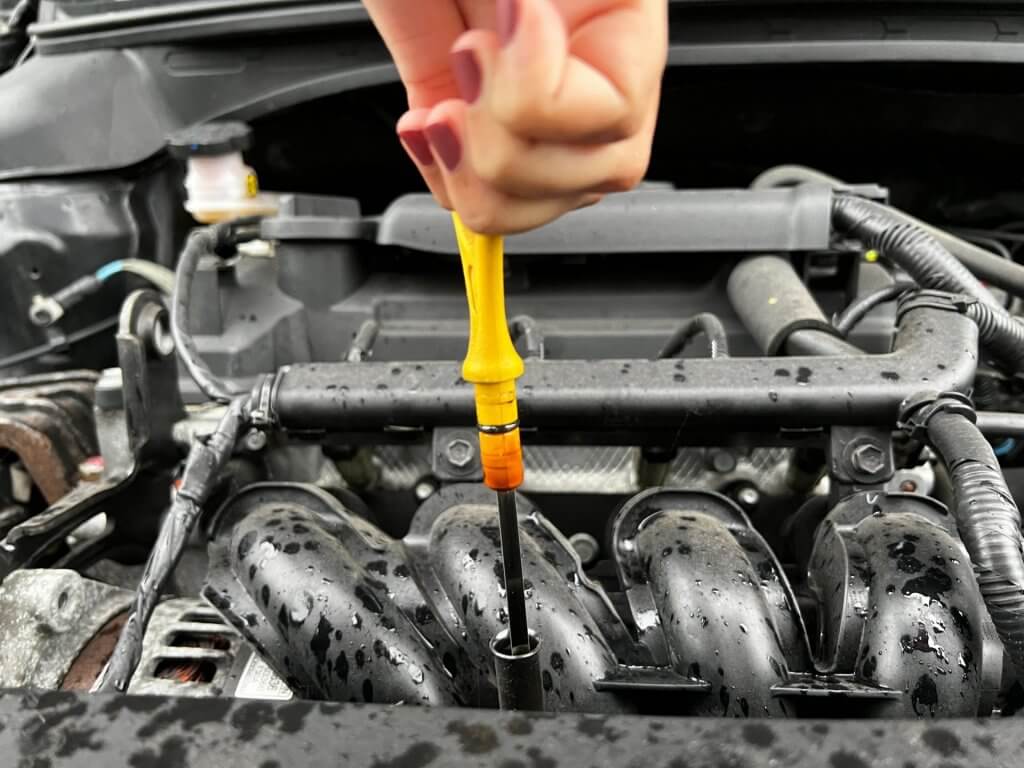
Pop the hood and locate the dipstick. It typically features a brightly colored handle (often yellow, orange, or red), serving as your primary oil level indicator. If you struggle to find it, consult your owner's manual. Be careful not to confuse the oil dipstick with the transmission fluid dipstick, which may look similar in some vehicle models.
3. The Initial Wipe
Pull the dipstick out of the tube. You will notice oil along the lower portion of the stick. Take your clean rag or paper towel and wipe the dipstick from the handle down to the tip. This is crucial because the oil clinging to the stick is "old" and does not represent the current level in the pan.
4. The Measurement
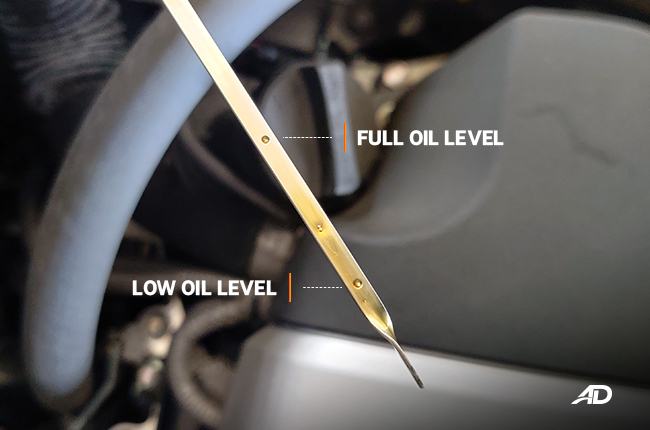
Reinsert the dipstick fully into the tube, ensuring it is seated properly. Pull it out again. Now, observe the oil level relative to the two dipstick markings at the tip—usually marked as MIN (minimum) and MAX (maximum).
5. Interpreting the Results
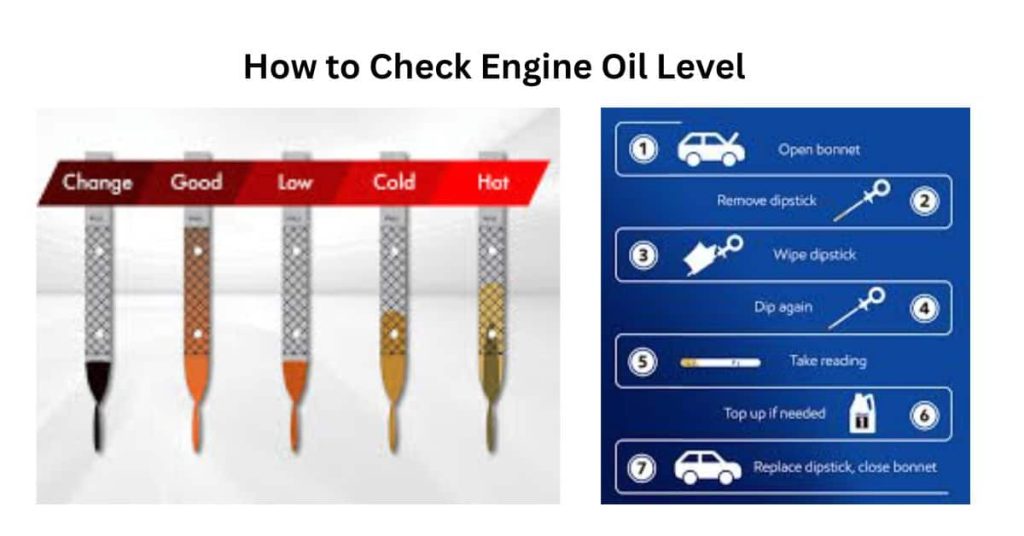
Your oil level should ideally be between the two markers. If the oil is at or below the MIN mark, you need to add oil immediately. If it is exactly at the MAX mark, you are in great shape.
Beyond the Level: Assessing Oil Condition
Checking the amount of oil is only half the battle. You must also inspect the quality of the oil on the dipstick to gauge engine health.
- Golden or Amber: This indicates that the oil is clean and in good condition.
- Dark or Black: This suggests the oil is dirty, filled with contaminants, or has been in the engine for too long. If it looks gritty or feels thick, it is time for an oil change.
- Milky or Frothy: This can be a sign of a coolant leak, which is a serious issue that requires professional attention immediately.
What If Your Car Doesn't Have a Dipstick?
In 2026, many modern, high-end vehicles have moved toward electronic oil monitoring systems. If you cannot find a physical dipstick under the hood, don't panic. Simply navigate through your car's digital dashboard menu (usually under "Vehicle Status" or "Maintenance"). The car's onboard computer will provide an electronic readout of your oil level, often more accurately than a manual check.
Warning Signs That Your Oil Needs Attention
Even if you check your oil regularly, keep an eye out for these red flags that indicate a more pressing problem:
- The Oil Warning Light: If this light flickers on your dashboard, do not ignore it. It often indicates that your oil pressure is dangerously low, triggered by the oil pressure sensor.
- Strange Noises: Clicking, ticking, or knocking sounds from the engine bay are classic indicators of poor lubrication.
- Overheating: If your temperature gauge is rising higher than normal, your oil may not be doing its job of heat dissipation.
- Decreased Fuel Economy: If you notice you are filling up the tank more often than usual for the same mileage, dirty or low oil could be the culprit.
Understanding Different Types of Engine Oil
Not all engine oils are created equal. Using the wrong type of oil can lead to engine sluggishness or, in worse cases, improper lubrication that accelerates internal wear. Understanding the viscosity and classification of your oil is just as important as knowing how to check your levels. For instance, whether your vehicle requires synthetic motor oil or conventional motor oil significantly impacts its performance. According to Source 2, engine oils are categorized based on their performance capabilities and the specific needs of your vehicle's engine architecture.
Common Varieties of Engine Oil
Choosing the right oil depends on your driving habits, the age of your vehicle, and the climate in which you live.
- Conventional Oil: Also known as conventional motor oil, it’s the standard choice for many older vehicles or engines with simple designs. It is cost-effective but generally requires more frequent changes compared to modern synthetics.
- Full Synthetic Oil: Often referred to simply as synthetic motor oil, it’s engineered for high-performance and modern engines. It provides superior protection against temperature extremes and resists breakdown significantly longer than conventional alternatives Source 2.
- Synthetic Blend Oil: A middle-ground option that mixes synthetic and conventional base oils. It offers better protection than conventional oil at a more accessible price point for the average driver.
- High-Mileage Oil: Specifically formulated for vehicles with over 75,000 miles. These contain additives that help prevent leaks and reduce oil consumption by rejuvenating internal seals.
When Should You Change Your Oil?
Knowing how to check your level is a preventative measure, but it does not replace the necessity of an oil change. Relying strictly on the "3,000-mile rule" is an outdated practice in the 2026 automotive landscape. Always adhere to your manufacturer’s recommended oil change interval. Modern engine technology and high-quality synthetic oils have pushed standard intervals much further.
Factors Influencing Oil Longevity
Your driving environment plays a massive role in how quickly your oil degrades. Consider these variables:
- Short-Trip Driving: Frequent short trips prevent the engine from reaching full operating temperature, which causes moisture and fuel to contaminate the oil, potentially shortening your recommended oil change interval.
- Heavy Towing and Hauling: Putting a high load on your engine causes it to run hotter, which breaks down the oil's molecular structure faster.
- Stop-and-Go Traffic: Constant idling and low-speed acceleration create excessive engine stress compared to steady highway driving.
- Extreme Weather: Both blistering heat and freezing cold put extra strain on the oil's viscosity, potentially leading to faster oxidation Source 3.
Debunking Myths About Oil Expiration
A common misconception among DIY enthusiasts is that engine oil never expires because it is refined from ancient crude. This is categorically false. Engine oil contains a package of engine oil additives—including detergents, dispersants, and anti-wear agents—that chemically degrade over time, even when the engine is sitting idle.
Why You Should Replace Oil Annually
Even if your car has been parked in a garage for the majority of the year, you should still perform an oil change. Oxidation and moisture accumulation occur naturally over time, compromising the oil's ability to protect your engine components. Following manufacturer guidelines on time-based intervals—usually once per year—is essential for vehicle longevity Source 2.
How to Properly Top Off Your Oil
If your dipstick reading indicates that your oil level is nearing the MIN mark, don't panic. Topping off is a simple process, but it requires precision to avoid overfilling, which can be just as damaging as running low.
The Dangers of Overfilling
Adding too much oil can lead to "frothing" or foaming, where the crankshaft whips the oil into a lather, causing a loss of oil pressure and potentially creating an air bubble that prevents effective lubrication Source 1.
- Consult Your Manual: Confirm the exact oil specification (viscosity and grade) your engine requires.
- Add in Increments: Add only a small amount at a time—roughly 1/4 to 1/2 a quart.
- Wait and Re-check: Allow the oil to drain into the pan for a few minutes before checking the dipstick again.
- Seal It Tight: Always ensure the oil filler cap is screwed on securely to prevent leaks and potential fires.
Selecting the Right Oil Grade for Your Vehicle
The "W" rating (e.g., 5W-30) on your oil bottle, part of its SAE viscosity grade, stands for "Winter" and indicates the oil's flow properties at low temperatures. The second number indicates the oil's viscosity at operating temperatures.
Why Specification Matters
Using a thicker oil than recommended by the manufacturer can lead to "oil starvation" on cold starts, as the pump struggles to distribute the heavy liquid to the top of the cylinder head quickly enough. Conversely, using an oil that is too thin might not provide a thick enough lubricating film for the high-pressure bearings in a high-performance engine. Always refer to your Vehicle Owner's Manual or the label on the underside of your hood to ensure compliance with manufacturer standards Source 2.
Preventing Common Mistakes During Oil Inspection
Even experienced motorists can fall into traps when maintaining their vehicles. Being aware of these pitfalls can save you from a messy driveway or an inaccurate measurement.
The "Must-Avoid" List
- Ignoring the Fill Cap: Never run the engine with the oil fill cap missing; it can lead to oil spray inside the engine bay and a mess that attracts dirt and debris.
- Using Dirty Rags: Always use a clean, lint-free cloth. Bits of string or dirt trapped in a rag can be wiped into the dipstick tube, introducing harmful contaminants directly into your oil supply.
- Checking While Level-Compromised: As noted by Source 3, checking on a slope will provide a false reading, potentially leading you to add more oil than is necessary.
- Forcing the Dipstick: If the dipstick doesn't slide back into the tube easily, don't force it. Ensure the tube isn't obstructed and that you are inserting it at the correct angle.
The Role of Additives: Do You Need Them?
With the shelves of auto-part stores stocked with dozens of "oil booster" and "engine treatment" additives, it's easy to be tempted by promises of restored power or "miracle" leak fixes. However, most modern, high-quality engine oils already contain a meticulously engineered balance of additives.
Expert Advice on Additives
- Manufacturer Compliance: Adding aftermarket chemicals can technically void some manufacturer warranties, as they may interact unpredictably with the proprietary oil chemistry.
- Redundancy: Most premium synthetic oils are designed to handle extreme wear and cleaning processes on their own. Adding external chemicals is often unnecessary and can sometimes dilute the effectiveness of the base oil's protective properties.
- Professional Recommendation: If you are experiencing genuine issues like high oil consumption or internal sludge, seek professional help rather than trying to mask the symptom with an additive Source 3.
Monitoring Oil Consumption Patterns
Every engine consumes a negligible amount of oil over its service life, but sudden changes in consumption patterns are a major red flag. By checking your oil levels bi-weekly, you establish a baseline "normal" for your vehicle.
When to Seek Professional Diagnosis
If you notice that you are consistently needing to top off your oil between scheduled oil changes, your vehicle may be suffering from engine oil leaks.
- Worn Valve Seals: This often manifests as a small puff of blue smoke from the exhaust during startup.
- Piston Ring Wear: This allows oil to bypass the combustion chamber, leading to high consumption and carbon buildup.
- External Leaks: Check for oil spots on your garage floor or driveway. Oil leak detection is crucial here; a leaking seal or a loose oil filter are common, easily fixed culprits that can cause major oil loss over time Source 4.
How Environmental Factors Impact Oil Life
Your geographic location and typical driving environment exert a surprising amount of influence on your engine's internal health. Factors such as dust, humidity, and constant temperature fluctuations dictate how hard your oil has to work to keep the engine pristine.
Driving in Harsh Environments
Drivers who navigate "severe service" conditions often need to stick to shorter service intervals than the average driver.
- Dusty/Desert Climates: Fine sand and dust can bypass air filters and contaminate the oil, turning it into an abrasive slurry that grinds away at your bearings.
- High Humidity: Moisture naturally condenses inside the engine during cooling cycles. If you don't drive long enough to evaporate this water, it mixes with the oil to form sludge.
- Stop-and-Go City Driving: This creates higher engine operating temperatures and increases the frequency of cold-start cycles, which is the most critical period for engine wear.
The Future of Oil Monitoring
As we move further into 2026, the shift toward smart vehicle diagnostics is accelerating. Many new models are now equipped with sensors that don't just measure the oil level, but actually monitor the oil's chemical composition, dielectric properties, and level of soot contamination.
Embracing Smart Maintenance
While these systems are incredibly convenient, they do not replace the need for an occasional manual check. A sensor could theoretically fail or be blinded by an electrical glitch. Maintaining the "old school" skill of manual checking ensures that you have a tactile connection to your vehicle's health that no computer can replicate. Keeping a physical check-up routine remains the gold standard for responsible vehicle ownership Source 1.
Why Professional Shop Mechanics Still Check Manually
If you take your car to a top-tier shop, you might notice the technician still pulls the dipstick even if the car has a digital oil readout. This reinforces the importance of the practice. A physical dipstick provides a visual, tangible sense of the oil's color and consistency that a sensor—which usually only measures level—cannot provide.
The Sensory Inspection
- The Smell Test: Technicians often smell the oil on the dipstick. A distinct smell of gasoline can indicate leaky fuel injectors or a rich fuel mixture that is diluting the oil.
- The Texture Test: Rubbing a tiny amount of oil between the fingers (while cool) can help identify gritty contaminants or metallic flakes, which are immediate indicators of internal engine damage.
- Visual Inspection: Seeing the oil bead off the stick helps determine if it has lost its viscosity and become too "watery," indicating a total breakdown of the lubricating properties.
Maintaining Your Car’s Resale Value
In the competitive used car market of 2026, the difference between a high-value sale and a bargain-bin trade-in is often the maintenance record. A vehicle that has been treated with respect—evidenced by clean, properly topped-off oil—is far more attractive to a potential buyer.
The "Well-Maintained" Narrative
When you decide to sell your car, being able to provide a history of regular oil checks and changes tells the buyer that the vehicle was not abused.
- Documentation: Keep a simple logbook of the dates you checked the oil and when you performed changes.
- Confidence: A seller who knows the intimate details of their engine's health exudes confidence, which goes a long way in closing a deal.
- Longevity as a Selling Point: Emphasizing that you monitored the oil regularly signals that the engine is likely free from the catastrophic, hidden wear that plagues neglected cars Source 3.
Handling Oil Spills and Environmental Responsibility
Performing your own maintenance comes with the responsibility of handling hazardous materials. Used motor oil is toxic and must be disposed of properly to avoid polluting local water systems.
Responsible Disposal Procedures
- Use a Sealed Container: Never pour used oil down the drain or into the storm sewer. Always use a dedicated, leak-proof container.
- Locate Recycling Centers: Many local auto parts stores and municipal recycling centers accept used oil for free.
- Wipe Up Spills Immediately: Oil is slippery and can be dangerous if left on a driveway or garage floor. Use cat litter or an oil-absorbent product to soak up spills quickly.
- Protect the Environment: Properly recycling just one gallon of oil can save thousands of gallons of water from contamination. Always treat this process with the gravity it deserves Source 4.
How Age Affects Your Inspection Habits
An engine with 20,000 miles behaves very differently than one with 150,000 miles. As an engine ages, the tolerances between internal parts naturally widen, which can lead to increased oil consumption.
Adjusting Your Routine
- Newer Vehicles: These engines often have very tight tolerances and may use extremely low-viscosity, high-performance synthetic oils. Follow manufacturer schedules strictly.
- High-Mileage Vehicles: You may find that you need to check your oil more frequently, perhaps every time you fill up your gas tank, to ensure that you aren't running low due to age-related consumption.
- Leaking Tendencies: Older gaskets and seals are prone to minor "weeping." Keeping an eye on the oil level allows you to manage these minor leaks effectively without needing an expensive engine overhaul immediately.
The Mechanics of Oil Pressure vs. Oil Level
It is a common point of confusion: if the oil light isn't on, does that mean the oil level is fine? Absolutely not. The oil pressure light is a warning that the system has already lost the pressure required to circulate oil—it is essentially an "emergency" indicator.
Understanding the Difference
- Oil Level: This is the volume of oil in the pan. Checking this is a proactive step to ensure the engine has enough fluid to do its job.
- Oil Pressure: This is the force with which the oil is being pushed through the engine, monitored by the oil pressure sensor. If the pressure drops, it means the oil pump is failing, the pickup tube is clogged, or the level has dropped so low that the pump is sucking air.
- The Goal: By checking the level manually, you ensure you never reach the point where the oil pressure light becomes necessary.
Preparing Your Vehicle for Long-Distance Trips
Before you head out on a road trip, a "pre-flight" check of your vehicle's fluids, including the engine coolant level, is mandatory. The sustained heat and high-speed operation of highway driving can exacerbate even minor issues.
The Road-Trip Checklist
- Check Level: Ensure you are at the MAX mark before leaving.
- Inspect Quality: If the oil is dark or close to its change interval, do it before you leave.
- Carry Extra: Keep a quart of the manufacturer-recommended oil in your trunk.
- Monitor During Stops: Check your oil during every major fuel stop. Highway driving can sometimes lead to higher oil consumption than short-distance city driving Source 1.
The Psychology of Automotive Care
There is a profound sense of satisfaction that comes from performing your own maintenance. It builds a deeper connection between you and your vehicle, turning the car from a mere appliance into a reliable partner.
Why DIY Maintenance Matters
- Increased Awareness: You become more attuned to the sounds and quirks of your engine, allowing you to catch problems before they grow into expensive repairs.
- Cost Savings: While the price of oil and a filter might seem trivial, the labor cost at a dealership or local shop adds up. By doing it yourself, you keep more money in your pocket over the life of the vehicle.
- Empowerment: Knowing that you are capable of handling basic maintenance tasks removes the fear of the unknown. You aren't at the mercy of a mechanic for simple tasks that you can perform in the comfort of your own garage.
Troubleshooting Common Dipstick Issues
Sometimes, the dipstick itself can become the point of failure. It may be difficult to read, broken, or improperly seated.
What to Do If You Encounter Problems
- Hard-to-Read Levels: If the oil is exceptionally clean, it can be difficult to see on a metal dipstick. Try holding the stick against a strong light source or tilting it to catch the light, which will reveal the wet, shimmering boundary of the oil line.
- Broken Handle: A snapped dipstick handle is a common issue on older vehicles. If this happens, you will need to purchase a replacement from an auto parts store or dealer. Driving without a dipstick is not recommended as it creates an open hole in the engine.
- Stuck Dipstick: If the dipstick is seized, do not pull with excessive force. Apply a small amount of penetrating oil to the base of the tube and let it sit for a few minutes before trying again gently Source 4.
How Oil Contamination Occurs
Understanding how your oil gets dirty helps you avoid bad habits. Oil is designed to capture microscopic bits of metal, carbon, and dust to keep them away from sensitive engine surfaces.
Common Contaminants
- Soot: Formed during the combustion process, it can thicken the oil and reduce its lubricating ability.
- Water/Coolant: A sign of a failing head gasket. This is a critical issue that will turn the oil into a milky, emulsified substance. If you see this, stop driving immediately.
- Fuel Dilution: Often caused by frequent cold starts, this thins the oil and reduces its effectiveness, eventually leading to increased engine wear.
- Metal Filings: While some microscopic wear is expected in a new engine, visible metal flakes are a sign of severe mechanical failure occurring inside the engine.
The Importance of High-Quality Oil Filters
You cannot talk about checking your oil level without addressing the filter. The oil filter acts as the "kidneys" of the engine, constantly scrubbing the oil clean as it circulates. Regular oil filter replacement is just as vital as the oil itself.
Why Premium Filters Pay Off
- Filtration Efficiency: High-quality filters capture smaller particles than bargain-bin options.
- Flow Rate: A premium filter ensures that the oil flows freely at high speeds, which is essential for engine protection.
- Anti-Drainback Valves: A good filter includes a valve that prevents oil from draining out of the engine block when the car is parked, ensuring instant lubrication the second you turn the ignition key.
When to Consult a Professional
While we have covered how to check, monitor, and top off your engine oil, there are times when your vehicle requires a professional's touch. Never hesitate to visit a certified shop if you encounter:
- Persistent Leaks: A stain on your garage floor that refuses to go away needs to be addressed before it leads to a catastrophic loss of fluid, indicating significant engine oil leaks.
- Knocking or Ticking: If the engine continues to make noise even after confirming the oil level is correct, you may have a deeper mechanical issue like a loose bearing or a hydraulic valve lifter failure.
- Oil Pressure Warnings: Any dashboard light related to oil pressure should be treated as an immediate, pull-over-and-call-a-tow-truck situation Source 3.
Building a Habit: The "First Saturday" Rule
The best way to ensure you never miss an oil check is to tie it to a routine. Many experienced drivers use the "First Saturday of the Month" rule.
Making It Easy
- Link with Another Routine: Pair your oil check with something else you already do, like washing the car or inflating your tires.
- Keep Tools Accessible: Keep a dedicated clean rag in your trunk or glove box so you don't have to hunt for one when the time comes.
- Set a Digital Reminder: In 2026, we have the technology to make this effortless. Set a recurring monthly calendar alert on your smartphone. When it dings, you go to the garage, pop the hood, and spend three minutes on your engine's health.
The Science of Lubrication Explained
To truly appreciate why you are checking the oil, you have to understand what it is actually doing. Engine oil is a complex mixture of base stocks and performance additives designed to create a microscopic layer of fluid between high-speed metal parts.
The Lubrication Wedge
When your engine is running, the oil forms a "wedge" that keeps the crankshaft from touching the bearings. If this wedge is interrupted—due to low oil level, extreme heat, or excessive contamination—the parts make contact. At thousands of revolutions per minute, that contact creates massive friction and localized welding of metal, leading to the "seized" engine that every driver fears.
Identifying Your Specific Engine Requirements
Not all engines are built with the same tolerances. A precision-engineered European turbo engine will have vastly different oil requirements than a domestic V8 truck engine.
Using the Manual
Your owner's manual is not just a reference book; it is the definitive guide to your car's life. Always check the section labeled "Fluid Capacities" or "Maintenance."
- Viscosity: Look for numbers like 0W-20, 5W-30, or 10W-40.
- Specifications: Many modern engines require oil that meets specific standards (like Dexos, VW 507, or BMW Longlife). Using a "generic" oil that doesn't meet these specs can lead to long-term issues, particularly with exhaust after-treatment systems like diesel particulate filters or catalytic converters Source 2.
How to Handle Different Types of Dipsticks
While the basic "pull, wipe, dip, read" process remains universal, the physical design of the dipstick can vary significantly.
Variation in Design
- Cable-Style Dipsticks: Some newer vehicles use a flexible, braided-wire dipstick that can wind through complex engine bays. These can be slightly harder to read, so ensure the wire is wiped thoroughly.
- "Locking" Dipsticks: Some high-performance vehicles have a twist-lock handle to prevent the dipstick from backing out under high engine pressure. Make sure it is fully unlocked before attempting to pull it out.
- Deep-Tube Designs: Some dipsticks are incredibly long. If you find the oil is smearing along the tube walls, take a moment to ensure the dipstick is completely clean and the tube itself isn't bent or damaged Source 4.
Keeping Your Engine Bay Clean
A dirty, mud-caked engine bay doesn't just look bad—it can actually make maintenance harder. Debris near the oil filler cap or dipstick tube can fall directly into the engine when you open it up.
Engine Bay Maintenance Tips
- Gentle Cleaning: You don't need a high-pressure hose, which can damage delicate electronics. A simple damp cloth or a gentle spray of a dedicated engine degreaser, followed by a wipe down, keeps the area clean and easy to inspect.
- Visualizing Leaks: A clean engine bay makes it much easier to spot a fresh oil leak. When the engine is caked in grime, you won't see that small, weeping valve cover gasket until it becomes a major mess.
- Safety: Keeping the area free of excess oil and grease also reduces the risk of engine bay fires, as spilled oil on a hot exhaust manifold is a primary fire hazard.
Why You Should Not Wait for the Dashboard Warning
Too many drivers view their dashboard warning lights as "suggestions" or "reminders" to act soon. In the context of oil, a warning light is an absolute "stop now."
The Cost of Delay
By the time a dashboard oil light illuminates, your engine is already operating outside of its intended safety parameters. The time it takes for you to notice the light, find a safe place to pull over, and shut down the engine could be the difference between a simple top-off and a complete engine replacement. Regular manual checks ensure you are managing the oil long before the oil pressure sensor ever feels the need to trigger a warning Source 3.
References
-
Wikihow — How to Check the Oil in Your Car: 5 Easy Steps – wikiHow, 2026
-
Onlymechanic — how to check car engine oil ? : A Complete Guide, 2026
-
Enginelearner — How to Check Engine Oil Level: Best Guide for Car Owners, 2026
-
Mechanicbase — How to Check Your Car's Oil At Home – Mechanic Base, 2026
-
Carandtruck — A Step-by-Step Guide: How to Check Engine Oil – Car And Truck, 2026
-
Engineneeds — How To Check Car Oil Levels – The Definitive DIY Guide To Engine, 2026
-
Airtalkwireless — How to Check Oil Level in Car: Detailed Guide for Beginners, 2026
-
Consumerreports — How to Check Engine Oil the Right Way – Consumer Reports, 2026