For many of us, owning a car represents freedom, convenience, and a major milestone in life. However, that freedom comes with a significant responsibility: keeping your vehicle safe, reliable, and running smoothly. If you look under the hood and feel overwhelmed by the maze of wires, hoses, and metal, you are not alone.
Learning how to care for your vehicle does not require you to be a professional mechanic. In fact, successful automotive care is less about mechanical genius and more about consistency. By following a basic car maintenance checklist for beginners, you can easily prevent unexpected breakdowns, save thousands of dollars on professional repairs, and feel completely confident every time you get behind the wheel.
This comprehensive, up-to-date 2026 guide breaks down everything you need to know into simple, actionable steps. Whether you drive a classic gasoline vehicle, a hybrid, or a modern electric car, these fundamental maintenance habits will keep your ride in peak condition.
Why Preventive Car Maintenance Matters in 2026
With the average cost of new and used cars remaining high, protecting your automotive investment is more important than ever. Neglecting basic upkeep is one of the quickest ways to devalue your vehicle and invite catastrophic mechanical failures.
Consider these compelling reasons to stay on top of your vehicle’s health:
Massive Financial Savings: A simple $50 oil change or a $15 air filter replacement can prevent a engine failure that could cost upwards of $5,000 to repair.
Enhanced Safety: Properly maintained brakes, tires, and steering components ensure your car responds predictably in emergency situations.
Better Fuel Efficiency: Under-inflated tires and dirty filters force your engine to work harder, burning significantly more fuel. Regular maintenance keeps your gas mileage optimized.
Higher Resale Value: When the time comes to sell or trade in your car, a fully documented service history can add thousands of dollars to its market value.
The Simple 12-Point Car Maintenance Checklist for Beginners
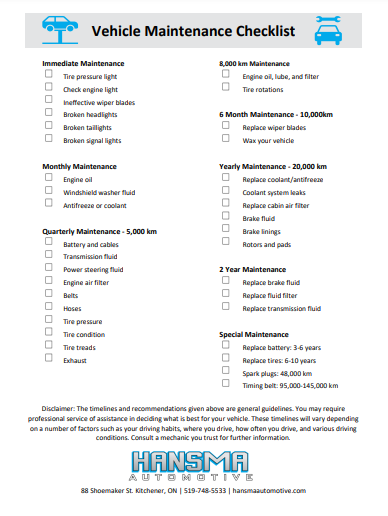
To make automotive care manageable, we have broken down the essential tasks into a simple 12-point checklist. You do not need to perform all of these checks every day. Instead, integrate them into a monthly routine.
Phase 1: Under-the-Hood Fluid Checks
Fluids are the lifeblood of your vehicle. They lubricate moving parts, cool hot components, and provide hydraulic pressure for braking and steering.
1. Engine Oil Level and Quality
Engine oil keeps internal components moving smoothly. Once a month, park your car on level ground, turn off the engine, and wait a few minutes. Locate the oil dipstick (usually has a bright yellow or orange handle), pull it out, wipe it clean with a rag, reinsert it fully, and pull it out again. Ensure the oil level falls between the two indicator marks. If the oil looks pitch black, gritty, or smells burnt, it is time for an oil change.
2. Coolant (Antifreeze)
Coolant prevents your engine from overheating in the summer and freezing in the winter. Never open the coolant reservoir cap while the engine is hot, as pressurized boiling liquid can cause severe burns. Check the transparent plastic reservoir tank to ensure the fluid level is between the “Min” and “Max” markings.
3. Windshield Washer Fluid
This is the easiest maintenance task of all. Simply locate the windshield wiper fluid reservoir (usually marked with a windshield symbol), pop the cap, and pour in washer fluid until it is full. Keeping this topped up is crucial for maintaining clear visibility during rain, snow, or dusty conditions.
4. Brake Fluid & Power Steering Fluid
Low brake fluid can lead to a spongy brake pedal or, worse, complete brake failure. Locate the brake fluid reservoir near the back of the engine bay on the driver’s side. The fluid should be clear or light amber. If it is dark brown or low, have a professional inspect your brakes immediately. If your car has hydraulic power steering, check that fluid level as well to ensure smooth, effortless turning.
Phase 2: Tires and Safety Basics
Your tires are the only point of contact between your vehicle and the road. Keeping them in good condition is paramount for safety and fuel economy.
5. Tire Pressure (PSI)
Changes in outdoor temperature cause tire pressure to fluctuate. Use a simple, inexpensive tire pressure gauge to check your tires at least once a month. You can find the recommended PSI (pounds per square inch) for your vehicle on a sticker inside the driver’s side door jamb—do not use the maximum pressure printed on the tire sidewall itself.
6. Tire Tread Depth
Worn-out tires lose grip, especially on wet or icy roads. You can perform the quick “penny test” to check tread depth. Insert a penny into your tire tread with Abraham Lincoln’s head pointing down. If you can see the top of Lincoln’s head, your tread is worn down to less than 2/32 of an inch, and it is time to replace your tires.
7. Exterior and Interior Lights
Walk around your vehicle with the lights on to ensure your headlights, high beams, taillights, turn signals, and hazard lights are all functioning. If you have a friend nearby, ask them to stand behind the car while you step on the brakes to verify your brake lights are working perfectly.
8. Windshield Wipers
If your wiper blades leave streaks, squeak loudly, or fail to clear water effectively, they need to be replaced. On average, windshield wipers should be swapped out every six to twelve months, especially if your car is parked outdoors in harsh weather.
Phase 3: Electrical, Filtration & Mechanical
These components keep your engine breathing clean air and ensure your electrical systems run reliably.
9. Battery Terminals and Health
Pop the hood and inspect your car battery. Look closely at the metal terminals (the positive and negative posts). If you see a white, powdery, or blue-green crust, that is corrosion. You can clean this off using a stiff wire brush and a mixture of baking soda and water. Ensure the battery cables are tightly clamped to the terminals.
10. Engine and Cabin Air Filters
Your engine air filter prevents dirt and debris from entering the combustion chamber. A clogged filter chokes the engine, reducing fuel mileage. Similarly, the cabin air filter cleans the air you breathe inside the car. Both filters are generally cheap and incredibly easy to replace yourself without any specialized tools.
11. Belts and Hoses
With the engine turned off, inspect the rubber hoses for any signs of swelling, hardening, cracking, or leaks. Next, check the serpentine belt (the long rubber belt winding through your engine pulleys). If you notice deep cracks, fraying, or dry rot, replace it before it snaps and leaves you stranded.
12. Brake Pad Thickness
Listen closely to your car when you apply the brakes. If you hear a high-pitched squealing or a harsh grinding metal sound, your brake pads are likely worn down. You can often peer through your wheel spokes to inspect the brake pads visually; if the friction material is less than a quarter-inch thick, schedule a replacement.
Seasonal & Mileage-Based Maintenance Milestones
While monthly checks are fantastic for catching minor issues early, certain maintenance tasks are dictated by time or the mileage on your odometer. Following a structured schedule ensures you never miss a critical service milestone.
Every 3,000 to 5,000 Miles (Or Every 6 Months)
Oil and Filter Change: If your vehicle uses conventional oil, aim for a change every 3,000 to 5,000 miles. Vehicles using full synthetic oil can often go 7,500 to 10,000 miles between changes.
Tire Rotation: Front tires wear out faster than rear tires because they handle the steering forces. Rotating your tires balances out this wear, extending their lifespan.
Fluid Top-offs: Ensure your windshield washer, coolant, and power steering fluids are at optimal levels.
Every 15,000 to 30,000 Miles
Replace Air Filters: Swap out both the engine air filter and cabin air filter.
Inspect the Suspension: Check shocks, struts, and steering linkages for signs of excessive wear or fluid leaks.
Fuel Filter Replacement: A clean fuel filter ensures a steady, clean flow of fuel to your engine.
Every 60,000 to 90,000 Miles
Brake Fluid Flush: Over time, brake fluid absorbs moisture from the air, which lowers its boiling point and reduces braking efficiency.
Replace Spark Plugs: Worn spark plugs cause engine misfires, rough idling, and poor fuel economy.
Transmission Fluid Change: Keep your transmission shifting smoothly by replacing old, worn-out fluid.
Timing Belt Replacement: If your car uses a timing belt rather than a timing chain, check your manual. Snapping a timing belt can destroy your engine instantly.
Common DIY Mistakes Beginners Make (And How to Avoid Them)
When starting out with a car maintenance checklist for beginners, it is completely normal to feel a bit nervous. Avoid these common pitfalls to keep your maintenance sessions safe and stress-free:
Ignoring the Owner’s Manual: Your vehicle’s manual is the ultimate source of truth. It outlines the exact fluid types, tire pressures, and service intervals tailored specifically to your exact make and model.
Ignoring Warning Lights: The Check Engine Light or oil pressure light is your car’s way of begging for help. Never ignore these dashboard indicators; get the diagnostic codes read immediately at a local auto parts store (most will do this for free).
Over-tightening Bolts: When changing oil or spark plugs, do not crank down on the bolts with all your strength. Over-tightening can strip threads, crack oil pans, or break spark plugs, resulting in costly repairs.
Using the Wrong Fluids: Never substitute fluids. Putting the wrong type of coolant, transmission fluid, or engine oil weight into your vehicle can cause severe internal damage.
Essential Tools for Your Beginner DIY Toolkit
You do not need an expensive, professional-grade toolbox to perform basic vehicle maintenance. A small investment in a few high-quality, fundamental tools will pay for itself almost instantly.
Here is what every beginner car owner should keep in their trunk or garage:
- High-Quality Tire Pressure Gauge: Digital or dial gauges are highly accurate and easy to read.
- Screwdriver Set: A mix of flathead and Phillips head screwdrivers for removing trim, battery covers, and air filter boxes.
- Basic Socket and Ratchet Set: Essential for loosening oil drain plugs, battery terminals, and brackets.
- Funnel Set: Prevents messy spills when pouring motor oil, coolant, or washer fluid.
- Microfiber Cloths and Nitrile Gloves: Keeps your hands clean and protects your vehicle’s finishes from scratches.
- Flashlight or Headlamp: Crucial for illuminating dark, hard-to-reach areas deep inside the engine bay.
Conclusion
Taking charge of your vehicle’s upkeep does not have to be an intimidating chore. By adopting a structured car maintenance checklist for beginners, you transition from a passive driver to an empowered car owner. Remember, consistency is your greatest asset. Spending just fifteen minutes once a month inspecting your fluids, tires, and belts will reward you with a safer ride, fewer expensive repair bills, and a car that runs reliably for years to come.
Take a moment this weekend to open your owner’s manual, pop the hood, and locate the key components we discussed. Once you complete your first basic check, you will realize just how simple and rewarding automotive self-sufficiency can be!