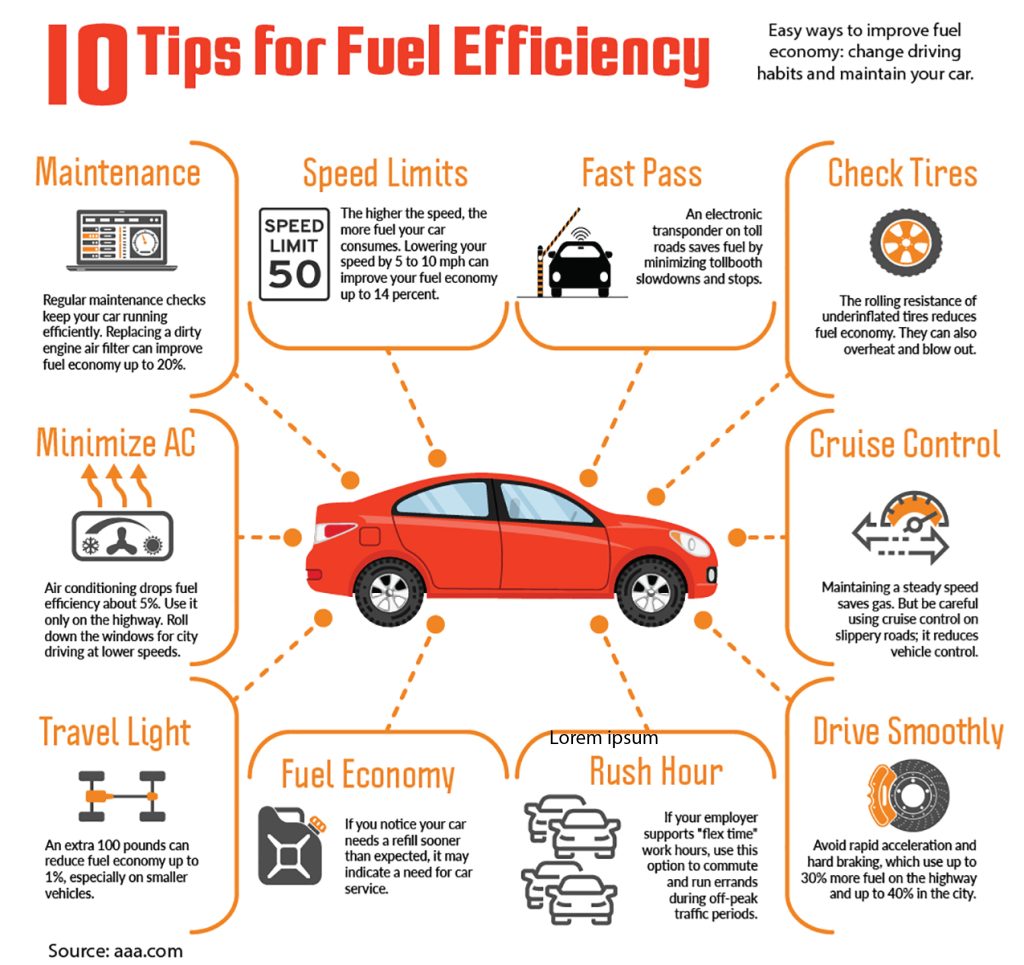
Are you tired of watching your hard-earned money vanish every time you pull up to the gas station? With fuel prices remaining stubbornly high in 2026, finding effective ways to stretch every gallon of gas is no longer just a budget-friendly suggestion—it is a financial necessity. Whether you drive a sedan, an SUV, or a work truck, the way you maintain and operate your vehicle can impact your mileage by as much as 20-30%.
Understanding how to improve fuel efficiency is the secret weapon for savvy drivers looking to combat rising inflation and reduce their carbon footprint. By combining smart maintenance habits with strategic driving techniques, you can transform your vehicle into a fuel-sipping machine. This guide will walk you through proven, research-backed methods and fuel economy tips and tricks to ensure you get the absolute most out of every tank of gas this year.
The Foundation of Efficiency: Regular Maintenance and Tune-Ups
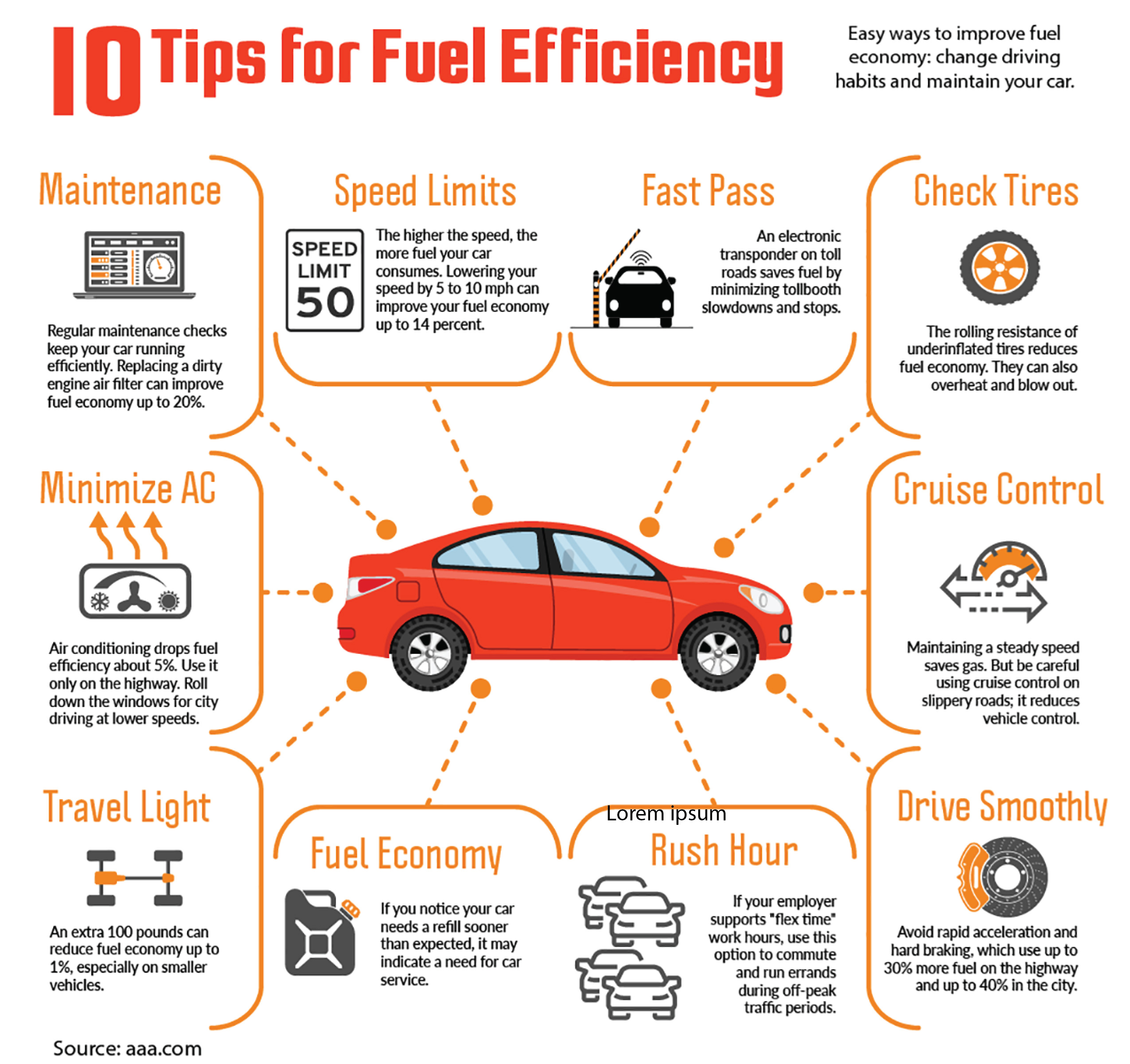
You cannot expect a high-performance output from a neglected machine. Regular maintenance is the cornerstone of vehicle health and the first step toward significant fuel savings, a key aspect of how to improve fuel efficiency. When your engine components are working in perfect harmony, your car doesn’t have to work as hard, which directly translates to lower fuel consumption and demonstrates how to improve fuel efficiency through care. This ongoing preventative maintenance is crucial for optimal engine performance optimization.
The Critical Role of Oil Changes
Think of your engine oil as the lifeblood of your vehicle. Its primary job is to lubricate moving parts, effectively reducing internal friction that otherwise wastes energy, a fundamental principle of how to improve fuel efficiency and engine performance optimization. When oil becomes contaminated with dirt, debris, or sludge over time, it loses its viscosity and effectiveness, forcing your engine to consume more fuel to overcome added resistance.
Aim to change your oil every 3,000 to 5,000 miles, or strictly follow your manufacturer’s service interval recommendations. Checking your oil levels at least once a month is an easy, proactive habit that prevents long-term engine strain and keeps your miles-per-gallon (MPG) metrics at their peak, showing you how to improve fuel efficiency with simple checks.
Air Filter Replacements and Combustion
Your engine needs a precise mixture of air and fuel to create the combustion necessary to move your vehicle. An engine air filter prevents dust, pollutants, and debris from entering the cylinder chambers. If this filter becomes clogged or dirty, it restricts airflow, causing the engine to "choke" and consume an excessive amount of fuel to compensate. Proper air filtration is vital for engine performance optimization.
Checking your air filter every 12,000 to 15,000 miles is a low-cost, high-reward maintenance task. A clean air filter optimizes the combustion process, ensuring your car runs as efficiently as the day it rolled off the assembly line, a clear example of how to improve fuel efficiency. Don’t forget the importance of fuel injector cleaning as well, to ensure precise fuel delivery.
Why Spark Plug Health Matters
Spark plugs are responsible for igniting the air-fuel mixture within your engine’s cylinders. If your spark plugs are worn, fouled, or improperly gapped, they can cause engine misfires. Even a subtle misfire that you might not notice while driving can significantly degrade fuel efficiency and increase harmful emissions. Inspecting these components during your standard tune-ups can save you a surprising amount of money over the long term, contributing significantly to how to improve fuel efficiency and overall engine performance optimization.
Master Your Driving Habits for Maximum Savings
While maintenance provides the foundation, your behavior behind the wheel is the ultimate decider of your fuel economy and a major factor in how to improve fuel efficiency. You can have a perfectly tuned vehicle, but a "lead foot" will destroy your fuel efficiency faster than any mechanical issue ever could. In 2026, adopting an eco-driving style is the single most effective way to protect your wallet and a crucial step in how to improve fuel efficiency through cost-effective driving habits.
Ditch the Lead Foot
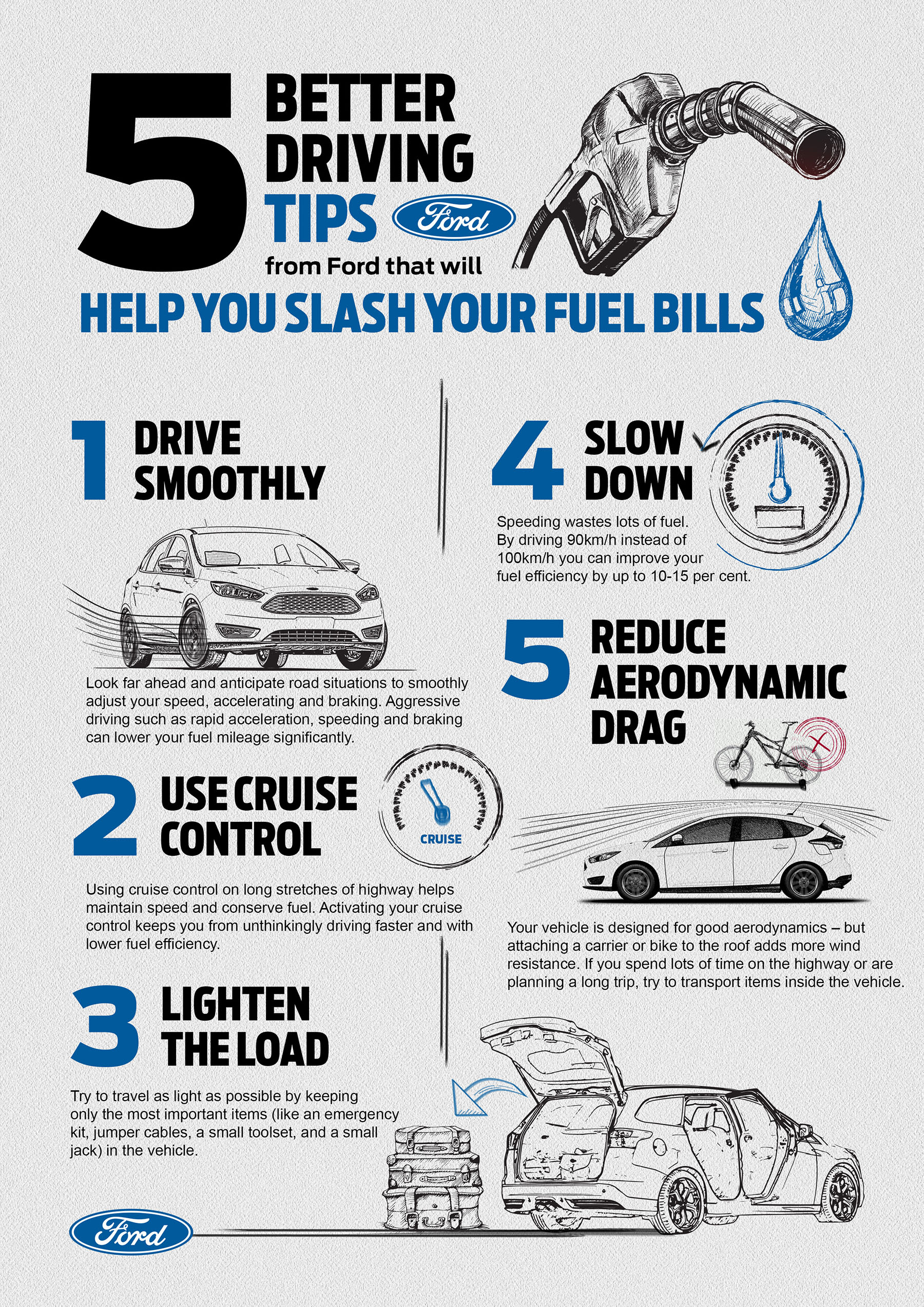
Aggressive acceleration and heavy braking are the primary enemies of fuel economy, hindering efforts on how to improve fuel efficiency. When you step hard on the throttle, your engine enters a high-load state, burning fuel at an exponential rate. Real-world data indicates that driving habits are the most significant variable in fuel consumption. By accelerating gradually and anticipating traffic flow, you allow your engine to reach and maintain its most efficient power band, a key strategy for how to improve fuel efficiency and maximize gas mileage.
The Truth About Driving Speeds and Aerodynamic Drag
We often think that arriving a few minutes earlier is worth the extra fuel cost, but the physics of speed suggest otherwise. Increasing your speed from 55 to 65 mph can increase aerodynamic drag by a staggering 36 percent.
Consider this real-world example: If you drive 100 miles at 70 mph compared to 65 mph, you only save seven minutes. However, if your car’s efficiency drops from 25 MPG to 20 MPG because of that speed, you end up paying significantly more for that same trip. Experts suggest that "driving slower is a good-paying job," effectively earning you money by saving on gas and demonstrating how to improve fuel efficiency through speed management.
Use Cruise Control Strategically
Cruise control is a fantastic tool for maintaining a steady speed on flat highways, which is where it truly shines in maximizing fuel efficiency and showing how to improve fuel efficiency on long drives. However, you should cut the cruise control on hilly terrain. When driving up steep inclines, cruise control will often command the engine to downshift and push hard to maintain the exact speed, whereas a human driver can allow the car to lose a little momentum on the way up and regain it on the way down, saving a noticeable amount of fuel in the process. This is another example of cost-effective driving habits.
Tire Pressure: The Often Overlooked Fuel Saver
Many drivers ignore their tire pressure until they see a warning light on their dashboard, but this is a critical mistake. Under-inflated tires increase the rolling resistance between your vehicle and the road surface, a common oversight when considering how to improve fuel efficiency. This resistance forces your engine to work harder to maintain speed, draining your fuel tank much faster than necessary. Regular checks, along with proper wheel alignment, are key.
How Proper Inflation Enhances MPG
Maintaining the manufacturer-recommended tire pressure can add an immediate boost to your MPG, a simple yet effective method for how to improve fuel efficiency. Each pound-per-square-inch (PSI) that your tires are below the recommended level contributes to wasted fuel. Beyond fuel efficiency, proper tire pressure is essential for safety, braking performance, and preventing premature tire wear. Check your tire pressure at least once a month, especially when the temperature drops, as cold air causes pressure to decrease naturally, a vital step in how to improve fuel efficiency. Don’t forget tire rotation as part of your regular maintenance schedule to ensure even wear and sustained efficiency.
Choosing the Right Tires
If you are due for a tire change, consider opting for low-rolling resistance tires. These are specifically engineered to minimize the energy lost as heat while the tire rolls along the road. While they may require a slightly higher initial investment, the long-term fuel savings make them a smart choice for the budget-conscious driver in 2026, offering a clear path to how to improve fuel efficiency. Whether you are driving a daily commuter or a 4×4, there is a low-rolling resistance option suited for your specific driving needs.
Managing Weight and Aerodynamics for Better Flow
Every pound your vehicle carries requires energy to move. Often, we treat our trunks and back seats like storage units, filling them with unnecessary heavy items. Reducing your vehicle's weight is an effortless way to improve fuel efficiency, a practical tip on how to improve fuel efficiency. Implementing vehicle weight reduction strategies can yield significant savings.
Declutter Your Vehicle
Look in your trunk, roof box, or backseat. Are there heavy tools, sports equipment, or bulky items that you don't use daily? Clearing out excess cargo reduces the engine load, directly impacting how to improve fuel efficiency. You don't need a formal study to know that a lighter car is a more efficient one. If you have a roof rack or a cargo pod installed that you aren't currently using, remove it immediately. These items create significant wind resistance (drag), which is particularly punishing on fuel economy at highway speeds, making their removal crucial for how to improve fuel efficiency.
Smart Use of Cabin Comforts
We all want to stay comfortable while driving, but there is a trade-off between climate control and fuel economy. Air conditioning is a major power drain on the engine. While using it is necessary in the heat, being mindful of your settings can help. At lower speeds, opening the windows might be more efficient than running the AC; however, at highway speeds, the aerodynamic drag caused by open windows can actually be less efficient than using the AC. Finding the right balance for your specific driving environment is key to minimizing consumption, a nuanced aspect of how to improve fuel efficiency.
The Hidden Cost of Idling: Turning Off the Engine
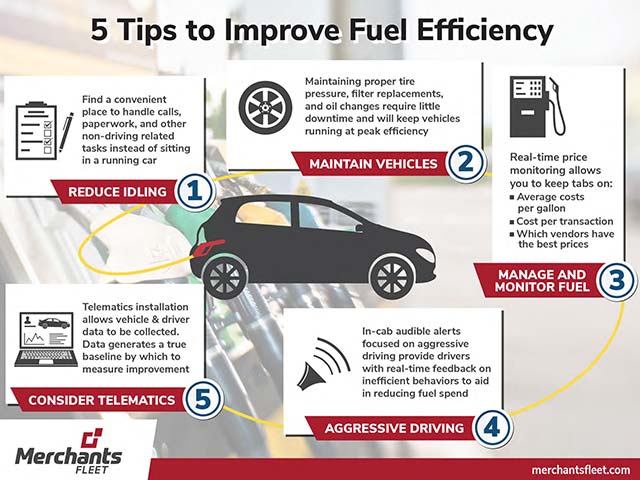
Many drivers fall into the trap of believing that restarting their engine consumes more fuel than simply letting it idle. In reality, modern engine management systems are incredibly efficient at restarting. If you are going to be stopped for more than 30 to 60 seconds, idling is essentially burning money while you get nowhere, a habit to avoid when learning how to improve fuel efficiency and apply fuel economy tips and tricks.
The Math Behind Idle Time
When your vehicle is stationary and the engine is running, your fuel economy drops to absolute zero (Source 3). Whether you are waiting in a long drive-thru line, picking up kids from school, or idling while parked to check your phone, you are consuming fuel without moving an inch.
- Engine wear: Excessive idling can lead to incomplete combustion, which allows fuel residue to build up on cylinder walls. This can degrade engine oil and, over time, shorten the lifespan of your engine components.
- Emission impact: Idling contributes to unnecessary greenhouse gas emissions. By turning off your ignition, you are not only saving your own bank account but also contributing to cleaner air in your immediate community, a dual benefit of understanding how to improve fuel efficiency.
Strategies for Idle Reduction
Adopting a "no-idle" policy is one of the simplest behavioral changes you can make to demonstrate how to improve fuel efficiency. If you see a long line at the drive-thru, consider parking the car and walking inside—this also helps you get a little extra movement into your day. For those waiting in parking lots, turn the engine off while you wait. Even in hot or cold weather, a few minutes of engine-off time can prevent several ounces of fuel from being wasted every single day (Source 4).
Planning and Combining Trips: Efficiency Through Logistics
Frequent, short trips are notoriously bad for fuel economy because the engine never reaches its optimal operating temperature. When an engine is cold, it operates in a "rich" fuel state, meaning it uses more gas to warm up the catalytic converter and internal components, a major hurdle for how to improve fuel efficiency. This is where smart cost-effective driving habits come into play.
The "Cold Start" Problem
A cold engine is inherently inefficient. If you make five short trips throughout the day, you force the engine to go through the warm-up cycle five times. By grouping your errands together into one "loop," you allow the engine to stay warm throughout the journey, which significantly improves your overall MPG, a smart tactic for how to improve fuel efficiency (Source 4).
- Map your route: Before leaving the house, organize your stops to minimize backtracking.
- Order of operations: Hit the destination furthest from home first, then work your way back. This ensures the engine is fully warmed up during the bulk of your driving.
- Combine the commute: Whenever possible, carpool with coworkers or combine social outings with shopping trips. Every cold start avoided is money kept in your pocket, a direct result of knowing how to improve fuel efficiency.
Avoiding Rush Hour
While not always possible, avoiding stop-and-go traffic is a massive fuel saver. Constant braking and acceleration force your engine to fight inertia repeatedly. If you have the flexibility, leave 30 minutes earlier or later to avoid peak congestion. Your fuel tank will thank you for the smoother, more consistent cruising speeds, a practical tip for how to improve fuel efficiency.
Motor Oil: The Role of Viscosity and Additives
We touched on the importance of oil changes, but the type of oil you use is just as critical as the frequency of your service. Not all motor oils are created equal, and choosing the right one can provide a measurable boost to your fuel efficiency, an often-underestimated factor in how to improve fuel efficiency and engine performance optimization.
Selecting the Recommended Viscosity
Every vehicle manufacturer specifies a recommended oil viscosity—typically found in your owner's manual or on the oil fill cap (e.g., 5W-30 or 0W-20). Using a thicker oil than recommended increases internal engine drag because the oil pump must work harder to circulate the fluid.
- Energy-Conserving Labels: Look for oil containers that display the "API Resource Conserving" symbol. These oils are formulated with friction-reducing additives that allow the engine to slide more freely, reducing energy loss.
- The Synthetic Advantage: Synthetic oils generally have a more uniform molecular structure, providing better flow at startup and less breakdown under extreme heat. While they may cost more upfront, their longevity and friction-reducing properties make them a superior choice for long-term fuel efficiency, a key component of how to improve fuel efficiency (Source 4).
Check Your Manual for "Energy Conserving" Standards
Beyond viscosity, ensure your oil meets the latest industry standards for your vehicle. Manufacturers are constantly updating these requirements to keep pace with tighter emission standards and improved fuel efficiency goals. Using an outdated or low-grade oil can negate the benefits of your other maintenance habits, effectively slowing your engine down from the inside out, thus hindering how to improve fuel efficiency. This is all part of effective preventative maintenance.
Aerodynamics: Reducing the Drag Coefficient
At highway speeds, the primary force resisting your car’s movement is not friction with the road, but aerodynamic drag. Once you cross the 45-50 mph threshold, your car spends more energy pushing air out of the way than it does overcoming rolling resistance, a major consideration for how to improve fuel efficiency.
Eliminating External Accessories
Roof racks, bike carriers, and cargo boxes are incredibly convenient, but they are aerodynamic disasters. Even an empty roof rack can reduce your fuel economy by several percentage points because of the turbulent air it creates, making its removal a simple way for how to improve fuel efficiency. This is a practical vehicle weight reduction strategy.
- Remove it when not in use: If you aren't currently carrying bikes, skis, or luggage, take the rack off.
- Keep it clean: If you must use a cargo carrier, choose a streamlined, aerodynamic model rather than a square, boxy one.
- Windows and Sunroofs: As mentioned previously, at highway speeds, an open window or sunroof creates significant drag. For maximum fuel efficiency, keep the windows up and use the vehicle's flow-through ventilation system or, if necessary, the air conditioning, another tip on how to improve fuel efficiency.
Body Maintenance and Repairs
If your car has sustained front-end damage, such as a loose bumper or a missing air dam (the plastic piece under the front bumper), your fuel efficiency will suffer. These components are designed by engineers to guide air around the vehicle and under the engine bay efficiently. Replacing damaged trim pieces isn't just about aesthetics; it's about restoring the aerodynamic profile that the engineers intended for your model, a subtle but important factor in how to improve fuel efficiency.
Monitoring Your Fuel Consumption: The Data-Driven Approach
You cannot manage what you do not measure. By tracking your fuel consumption, you gain the "feedback loop" necessary to see which of these tips are having the greatest impact on your specific vehicle and truly understand how to improve fuel efficiency.
Manual vs. Digital Tracking
While many modern vehicles come equipped with an onboard computer that displays your current and average MPG, these systems can sometimes be optimistic.
- The "Old School" Method: Fill your tank to the brim, note the odometer reading, and reset your trip meter. The next time you fill up, note the gallons added and the new odometer reading. Divide the miles driven by the gallons added to get your true MPG.
- Mobile Apps: There are numerous apps available where you can log your fuel-ups. Over time, these apps will generate graphs showing your efficiency trends. If you notice a sudden dip in your MPG, it is often a sign that a maintenance issue—like low tire pressure or a failing sensor—is developing, which can hinder your efforts on how to improve fuel efficiency.
Understanding the "Check Engine" Light
A check engine light is often a signal that your vehicle’s computer has detected an issue with the emissions or fuel system. A faulty oxygen sensor, for instance, can cause your car to run rich, wasting fuel and damaging the catalytic converter. Never ignore a check engine light; addressing it immediately can prevent a small sensor repair from ballooning into a much more expensive engine overhaul and is crucial for how to improve fuel efficiency (Source 4). This is a critical part of preventative maintenance.
Advanced Techniques: Driving for Momentum
Professional hyper-milers and expert drivers utilize the concept of kinetic energy management to squeeze every last drop of distance from a tank of gas, a masterclass in how to improve fuel efficiency and maximize gas mileage.
Coasting and Anticipation
Instead of driving right up to a red light or a stop sign and hitting the brakes at the last second, learn to "pulse and glide." When you see a red light a block ahead, take your foot off the gas early and allow the vehicle to coast down to a stop.
- Why it works: Every time you use the brake, you are converting the kinetic energy you spent fuel to create into useless heat. By coasting, you maximize the use of the energy you've already paid for, a fundamental principle of how to improve fuel efficiency.
- Maintain momentum: On the highway, try to keep your speed as constant as possible. Avoid the "accordion effect" where you catch up to the car in front of you and then have to brake, only to accelerate again once they move. Leaving a larger following distance gives you the space to adjust your speed smoothly rather than aggressively.
The Hill Climb Strategy
We previously noted that you should turn off cruise control on hills. A more advanced technique is to build momentum on the downhill approach. As you descend a hill, allow your speed to increase slightly (within safe and legal limits) to carry that momentum into the start of the next incline. This reduces the load on the engine as it begins to climb, preventing that heavy, fuel-hungry downshift, a clever way for how to improve fuel efficiency.
Evaluating Fuel Types: Octane and Ethanol
There is a common misconception that higher octane gas provides more power and better fuel economy for every vehicle, a myth to debunk when discussing how to improve fuel efficiency. For the vast majority of cars, this is simply not true.
Following the Manufacturer’s Specification
If your car is designed to run on regular 87-octane fuel, putting premium in it will not improve your MPG. Premium fuel is formulated to prevent "knocking" in high-compression or turbocharged engines; if your engine doesn't require it, you are effectively paying a premium for no performance or efficiency benefit. Always check your owner's manual for the fuel requirement, a simple step in understanding how to improve fuel efficiency for your specific model. If it says "recommended," you can use regular, but you may see a slight drop in performance; if it says "required," use what the manufacturer demands to maintain the efficiency standards the engine was designed for.
Ethanol Content Considerations
In many regions, gasoline is blended with ethanol (e.g., E10 or E15). Ethanol contains less energy per gallon than pure gasoline. If your vehicle is "Flex-Fuel" capable, you might notice that your fuel efficiency drops when using E85 (85% ethanol) compared to standard E10 gasoline. While E85 is often cheaper, the lower energy density often means you have to fill up more frequently. Calculate your "cost per mile" by dividing the price of the fuel by the MPG you achieve on that specific blend to see which is truly the better deal for your wallet and optimize how to improve fuel efficiency (Source 1).
Vehicle Technology and Driving Assistance
Modern vehicles are equipped with an array of sensors and systems designed to help you drive more efficiently. Learning to use these features to your advantage is an overlooked skill for the 2026 driver, crucial for how to improve fuel efficiency and overall driving efficiency.
Eco-Mode Settings
Most vehicles manufactured in the last few years include an "Eco-Mode" button. When activated, this mode adjusts several parameters of the vehicle's operation:
- Throttle mapping: The engine becomes less sensitive to minor fluctuations in your foot pressure, preventing accidental "jackrabbit" starts.
- Transmission logic: The transmission may shift into higher gears sooner to keep engine RPMs lower.
- Climate control adjustment: The AC system may run at a lower intensity to reduce the load on the engine.
If you find yourself mostly doing city driving, keeping your car in Eco-Mode is an effortless way to boost your efficiency without having to change your driving technique, a modern approach to how to improve fuel efficiency.
Start-Stop Technology
If your car is equipped with Automatic Start-Stop technology, you might find it annoying, but it is one of the most effective ways to save fuel in heavy stop-and-go traffic. It automatically kills the engine when you are at a complete stop and restarts it instantly when you lift your foot from the brake. If you are tempted to disable this feature, remember that the constant idling in traffic is the single largest contributor to wasted fuel in urban environments. Embracing the system is a small adjustment that provides significant, measurable savings over the course of a year, a clear demonstration of how to improve fuel efficiency in urban settings.
Winter Driving and Fuel Economy
Cold weather presents a unique set of challenges for fuel efficiency. Understanding why your car consumes more fuel in the winter can help you mitigate the damage to your monthly budget and teach you how to improve fuel efficiency even in cold conditions.
The Warm-Up Myth
Many people believe that letting a car idle in the driveway for 10 minutes on a cold morning "warms up the engine." This is outdated advice. Modern fuel-injected engines only need about 30 seconds of idling before they are ready to be driven.
- The reality: The best way to warm up your engine is to drive it gently. Avoid high RPMs or heavy acceleration for the first few miles.
- The winter drop: Your fuel economy will naturally drop in winter because of the higher electrical load (seat heaters, defrosters, wipers), the thicker viscosity of cold oil, and the change in air density, making it harder to maintain how to improve fuel efficiency.
Tire Pressure and Temperature Drops
As temperatures drop, the air inside your tires contracts, leading to a loss in PSI. For every 10-degree Fahrenheit drop in temperature, your tire pressure can drop by about 1 PSI. If you don't check your tires during the first cold snap, you could be driving on significantly under-inflated tires for months. Keep a tire gauge in your glovebox and perform a check every time the thermometer sees a double-digit change, a simple yet effective tip for how to improve fuel efficiency. This is also important for maintaining proper wheel alignment over time.
The Long-Term Financial Impact of Efficiency
When you look at these tips individually, a 1% or 2% improvement might seem trivial. However, efficiency is cumulative. By combining proper tire inflation with smooth acceleration, reduced idling, and diligent maintenance, you aren't just saving a few cents—you are reclaiming hundreds of dollars annually, proving the cumulative power of how to improve fuel efficiency.
Calculating Your Annual Savings
If you drive 15,000 miles a year and improve your fuel efficiency from 20 MPG to 24 MPG, you reduce your annual fuel consumption by 125 gallons. At a price of $4.00 per gallon, that is $500 in your pocket every single year. For the average household, this represents a significant windfall that can be redirected toward savings, debt repayment, or other life priorities, all thanks to knowing how to improve fuel efficiency and how to maximize gas mileage.
The Environmental Dividend
Beyond the financial rewards, improving your fuel economy is a tangible way to reduce your carbon footprint. Every gallon of gasoline you don't burn keeps approximately 20 pounds of carbon dioxide out of the atmosphere. By mastering these habits, you are aligning your personal financial goals with a broader, more sustainable future, a positive outcome of learning how to improve fuel efficiency.
Beyond the Pump: Changing Your Transportation Mindset
In some cases, the most efficient way to improve your MPG is to look at your overall transportation strategy, a holistic view of how to improve fuel efficiency. If your commute is short, consider whether a different mode of transport could replace one or two of your weekly trips.
Micro-Mobility and Alternative Transit
For trips under two miles, the fuel cost—and the wear and tear on your car—is disproportionately high. Could you bike, walk, or use a scooter for that quick trip to the post office or the store? By shifting even a small percentage of your vehicle-based trips to alternative modes, you preserve the life of your engine and keep your fuel costs to a minimum, an indirect but powerful way for how to improve fuel efficiency.
Choosing Your Next Vehicle Wisely
If you are planning to purchase a new vehicle in 2026, the single biggest factor in your fuel efficiency will be your choice of vehicle itself. As you shop, look at the EPA estimates for the vehicles in your class.
- Drivetrain differences: Hybrids and Plug-in Hybrids offer a massive leap in efficiency for city driving. Consider exploring hybrid and electric vehicle technology for future savings.
- Engine size: Do you really need that massive V8, or would a modern, turbocharged 4-cylinder provide all the power you need with double the fuel economy?
Choosing a vehicle that matches your actual lifestyle—rather than your aspirational one—is the ultimate long-term fuel efficiency strategy and the ultimate answer to how to improve fuel efficiency.
Customizing Your Efficiency Strategy
No two drivers and no two vehicles are identical. Your driving environment—be it mountainous, urban, or rural—will change which of these tips provides the most benefit for how to improve fuel efficiency.
The "Efficiency Audit"
Spend one week strictly practicing the methods outlined in this guide. Use your trip meter or an app to track your results. If you live in a city, focus on idle reduction and smooth acceleration. If you are a highway commuter, focus on speed management and aerodynamic drag. Once you identify where you are losing the most fuel, you can double down on those specific habits to maximize how to improve fuel efficiency.
Shared Responsibility
If you share your vehicle with a partner or family members, encourage them to adopt these habits as well. A vehicle is only as efficient as its operator. By creating a culture of efficiency within your household, you can maximize the savings and ensure that everyone is working toward the same goal of lowering your collective fuel bill and improving how to improve fuel efficiency.
The Role of Aftermarket Gadgets
You will see countless ads online for "fuel-saving" magnets, intake vortex devices, and special additives that claim to boost your MPG by 20% or more. Exercise extreme caution with these claims when seeking how to improve fuel efficiency and effective fuel economy tips and tricks.
The Scientific Reality
If these gadgets were truly effective, vehicle manufacturers would have integrated them into their designs decades ago to meet increasingly strict government emission and fuel economy mandates. Most of these devices are snake oil designed to prey on the anxieties of drivers facing high gas prices.
- Stick to the basics: The most effective "gadgets" for how to improve fuel efficiency are a clean air filter, properly inflated tires, and the right motor oil.
- Trusted upgrades: If you want to invest in your vehicle, spend your money on high-quality tires or a professional maintenance service from a certified technician. These are proven investments that offer real, documented returns on your fuel economy and are genuine methods for how to improve fuel efficiency.
Maintaining the Edge
Achieving maximum fuel efficiency is not a one-time project; it is a continuous commitment to how to improve fuel efficiency. As your car ages, the importance of consistent maintenance only grows. Stay ahead of the curve by keeping a digital or physical log of your service history.
Seasonal Checkups
Make fuel efficiency a part of your seasonal routine. When you change your tires for the season, check the alignment. When you prep the car for winter, check your cooling system and spark plugs. By syncing your fuel-saving habits with the changing of the seasons, you ensure that you are never caught off-guard by a maintenance issue that could be dragging down your MPG and hindering how to improve fuel efficiency. This proactive approach is a cornerstone of preventative maintenance.
The Power of Education
Keep learning about your vehicle. The more you understand how your specific engine, transmission, and drivetrain function, the better you will be at identifying the signs of inefficiency before they cost you money at the pump, enhancing your ability for how to improve fuel efficiency. Whether it’s listening for unusual engine sounds, feeling for vibrations, or simply keeping an eye on your tire pressure, your attentiveness is the best tool you have for fighting rising fuel costs in 2026.
Staying Motivated: The Small Gains Add Up
It is easy to get discouraged when you see gas prices rise. However, by taking control of the variables you can influence, you transform from a passive victim of market prices into an active manager of your own resources. Every smooth start, every properly inflated tire, and every mile coasted is a victory for your budget and a step towards how to improve fuel efficiency.
Focus on the long game. You aren't just saving money for today; you are preserving your vehicle's value, reducing your stress levels, and contributing to a more sustainable driving culture. Over the course of the next year, these small, consistent actions will result in substantial savings that prove just how powerful and effective your new, efficient driving habits truly are, demonstrating the real impact of how to improve fuel efficiency and how to maximize gas mileage.
References
-
Fuellogic — 27 Ways to Improve Fuel Economy: Smart Tips to Save Money, 2026
-
Consumerreports — 10 Tips to Get the Most Out of a Tank of Gas – Consumer Reports, 2026
-
Axleaddict — How to Use Less Gas: 10 Proven Fuel-Saving Tips – AxleAddict, 2026
-
Lastingcar — 12 Effective Ways to Increase Your Car’s MPG (Miles Per Gallon), 2026
-
Familyhandyman — 25 Things to Do Now to Improve Gas Mileage | Family Handyman, 2026
-
Wikihow — 4 Ways to Increase Fuel Mileage on a Car – wikiHow, 2026
-
Canadiangearhead — 8 Mods To Increase Fuel Economy You Might Not Think Of, 2026
-
Gadixpert — How to Increase Car Mileage: 15 Proven Ways to Improve Fuel Efficiency 2025, 2026