Buying a used car in 2026 feels like navigating a minefield. With vehicle prices fluctuating and modern technology adding layers of complexity to engine components, the old advice of "just kick the tires" simply doesn't cut it anymore. You want a vehicle that offers long-term value, minimal repair headaches, and the peace of mind that comes with a smart financial decision.
Whether you are looking for a reliable sedan for your daily commute or a spacious SUV for family road trips, the secret to success lies in data-driven research and a systematic inspection process. In this guide, we synthesize 2024–2026 reliability studies, repair-cost analyses, and expert buying tactics to ensure your next vehicle purchase is a triumph, not a regret.
Why 2026 Is the Best Time to Master Used Car Buying
The used car market has evolved. Today, buyers have access to more transparency than ever before, thanks to instant vehicle history reports and massive datasets analyzing the longevity of specific models. However, "analysis paralysis" is a real threat. To cut through the noise, you must prioritize brands with proven track records and understand the specific risk signals that differentiate a hidden gem from a money pit.
The Reliability Hierarchy: Which Brands Lead the Pack?
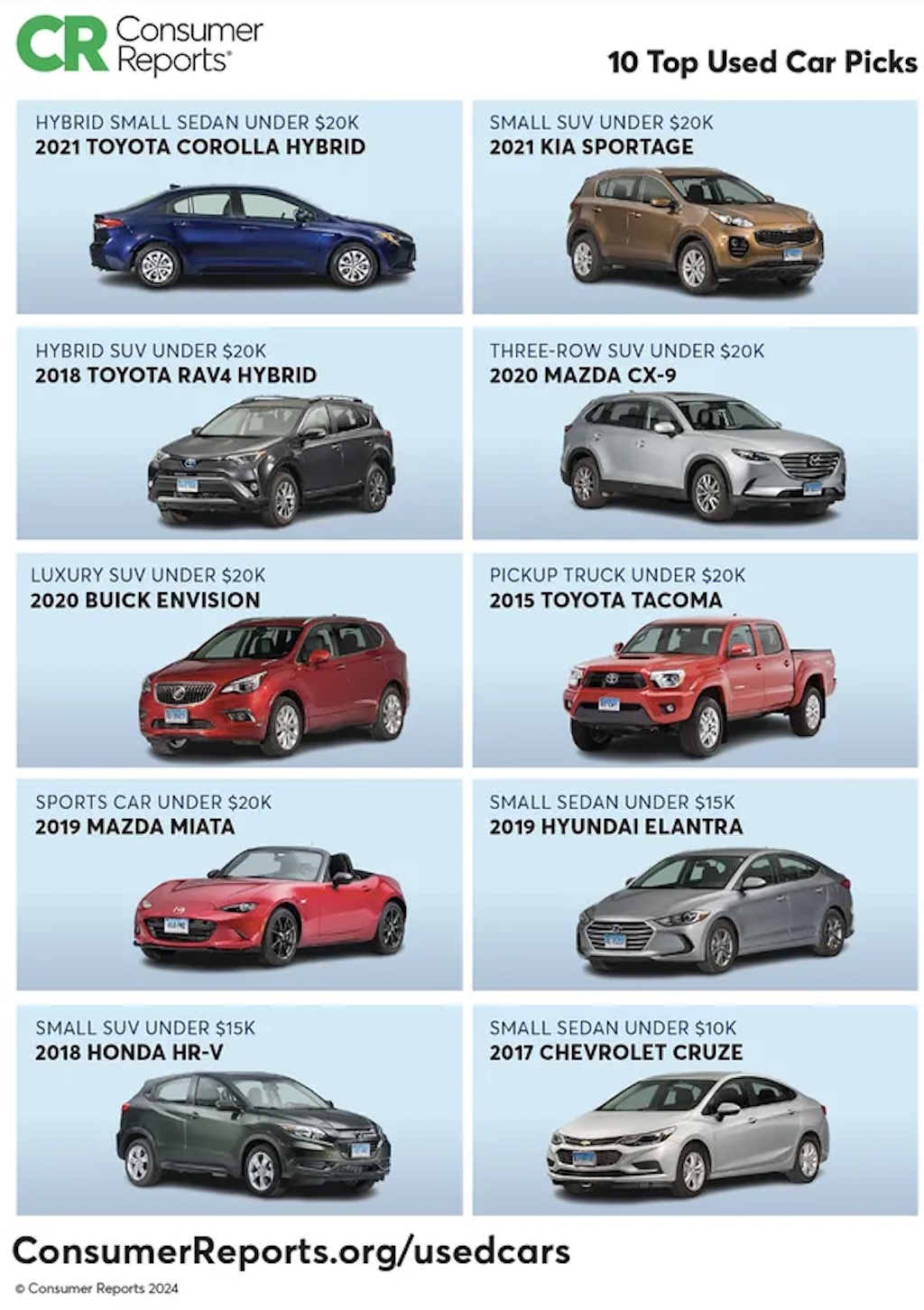
When your primary goal is to minimize time in the repair shop, brand reputation is your strongest indicator. According to the latest 2026 reliability rankings, certain manufacturers consistently outperform the competition by focusing on powertrain longevity and lower frequencies of electronic failure.
The Gold Standard: Toyota and Lexus
If you want the highest probability of a "problem-free" ownership experience, Toyota and Lexus models consistently top reliability studies. Their commitment to evolutionary engineering rather than experimental tech means their engines and transmissions are battle-tested over decades.
The Consistent Contenders: Honda and Mazda
Honda remains a staple for midsize sedans and family haulers, particularly the Accord and Civic, which frequently appear in long-term durability studies. Mazda has also surged in recent years, offering a premium interior feel paired with drivetrain reliability that often rivals luxury competitors.
Modern Success Stories: Hyundai and Kia
Up-and-comers like Hyundai and Kia have invested heavily in powertrain warranties and improved build quality. If you are looking for a car that offers modern features—such as advanced driver-assist systems—without the high maintenance costs of aging European luxury vehicles, these brands are strong contenders in the 2026 market.
Crucial Steps to Minimize Risk Before You Buy
Choosing the right brand is only half the battle. Even the most reliable car can be turned into a disaster if it was poorly maintained or suffered catastrophic damage. Follow this framework to protect your investment:
1. Leverage Vehicle History Reports
Never skip the CARFAX or AutoCheck report. These documents are your window into the car's past life. Look specifically for:
- Salvage or Rebuilt Titles: These are immediate red flags indicating total loss accidents or flood damage.
- Maintenance Gaps: Consistent oil changes and scheduled services are better predictors of longevity than low mileage alone.
- Accident Records: While minor cosmetic damage might be acceptable, frame damage or deployment of airbags should generally disqualify a vehicle from your consideration.
2. The Power of "Certified Pre-Owned" (CPO)
If you aren't a mechanic and want extra protection, Certified Pre-Owned programs are your best friend. CPO vehicles undergo a rigorous multi-point inspection and usually come with an extended manufacturer warranty. While they carry a slight price premium, the cost of that "peace of mind" is often far less than the cost of a major transmission or engine repair.
3. The "Sunday Driver" Theory
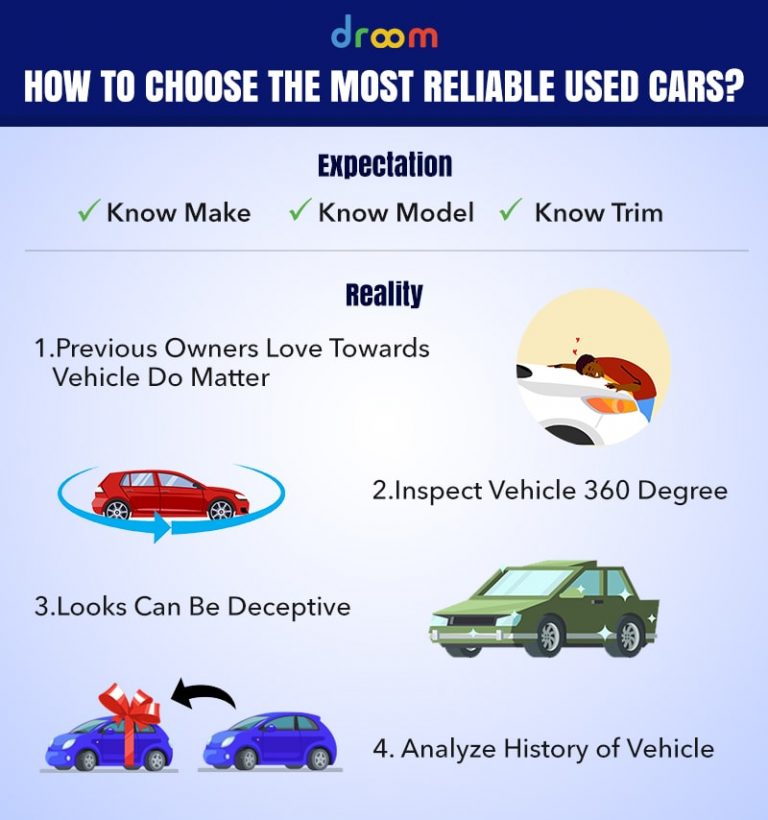
While it sounds like a stereotype, there is truth to the idea that cars owned by older, diligent drivers often provide better long-term value. These vehicles are frequently garaged, driven fewer miles, and serviced on a strict schedule. When searching private party listings, look for ads that emphasize complete service records and indoor storage.
![How to Tell a Used Car is Reliable [INFOGRAPHIC]](https://automobilesat.com/wp-content/uploads/2026/03/featured-45cce553-779e-4f4d-ba20-8b1f14951736.png)
Analyzing the "Total Cost of Ownership"
A "cheap" car isn't always inexpensive. You must factor in more than just the sticker price. When evaluating your budget, categorize your expenses into three pillars:
- Purchase Price: The upfront capital required.
- Insurance and Taxes: Younger drivers or high-performance vehicles often incur higher premiums.
- Maintenance Budget: Even the most reliable 2026 Toyota will eventually need tires, brakes, and fluid changes. Research the average annual repair costs for your top three candidates before signing the paperwork.
Evaluating Dealerships vs. Private Sellers
Where you buy determines the level of protection you have.
Buying from a Dealership:
- Advantages: Often offer financing on-site, provide CPO options, and the best dealerships are vetted by the Better Business Bureau (look for the BBB Seal).
- Strategy: Check the dealer’s online reviews and complaint history on BBB.org. Remember, you have the power to negotiate—don't accept the first price or the first interest rate offered.
Buying from a Private Party:
- Advantages: Typically 10–20% cheaper than dealership pricing. You have the benefit of talking directly to the person who drove the car daily.
- Strategy: Ask for service receipts. If the seller doesn't have them, consider it a risk factor. Always meet in a safe, public place and consider taking the vehicle to an independent mechanic for a pre-purchase inspection (PPI).
The Pre-Purchase Inspection (PPI): Your Ultimate Safety Net
Regardless of how "clean" a car looks, a pre-purchase inspection is the most important step in the buying process. For a nominal fee, an ASE-certified mechanic can lift the car, inspect the suspension, check for oil leaks, and scan the onboard computer for hidden error codes. If a seller refuses to let you take the car for an independent inspection, walk away. Transparency is the hallmark of a reliable deal.
Decoding the Mechanics of High-Mileage Reliability
Many buyers instinctively shy away from cars with over 100,000 miles on the odometer. However, in the modern automotive landscape, a high-mileage vehicle isn't necessarily a ticking time bomb. If a vehicle has been maintained with meticulous precision, it can offer years of reliable service at a fraction of the cost. The key is distinguishing between "highway miles"—which are gentle on the drivetrain—and "city miles," which involve constant stop-and-go stress.
The "Highway vs. City" Mile Differential
Not all miles are created equal. An engine that spends its life at consistent highway speeds experiences significantly less wear on the transmission, brakes, and suspension components compared to a vehicle that endures the "death by a thousand cuts" of urban traffic jams.
- Highway Mileage: Characterized by fewer gear shifts and stable engine temperatures. Look for cars that show a high ratio of highway usage if you want a reliable high-mileage performer.
- City/Short-Trip Mileage: Frequent cold starts prevent the engine from reaching optimal operating temperatures, leading to increased condensation in the oil and accelerated wear on the catalytic converter and cooling systems.
- Verification: Ask the seller about their daily commute. If they indicate a 30-mile highway stretch, the car is likely in better mechanical condition than a vehicle with half the mileage that spent its life dropping children off at school in heavy congestion.
Engine and Transmission Longevity
Before purchasing, research the "Achilles' heel" of the specific model's powertrain. Some engines are famously bulletproof but paired with transmissions that require specific fluid change intervals to reach the 200,000-mile mark.
- The 100k Service Interval: If you are looking at a car with 100,000+ miles, verify that major components—such as the timing belt (if applicable) and water pump—have been replaced. This represents a significant value-add for you, as these are expensive maintenance items the previous owner has already handled.
- Transmission Health: Check for hesitation or "flaring" between gears. If the car has a CVT (Continuously Variable Transmission), ensure the fluid has been changed at least once, as these units are sensitive to lubrication degradation.
Evaluating Electric and Hybrid Vehicles
As the 2026 market matures, more buyers are transitioning to electrified platforms. While they offer incredible fuel savings and reduced mechanical complexity (fewer moving parts), they require a different set of evaluation criteria compared to traditional internal combustion engines.
The Battery Health Assessment
The battery is the most expensive component in any electric or hybrid vehicle. Replacing a depleted battery pack can cost thousands of dollars, effectively negating any savings from fuel efficiency.
- State of Health (SoH) Reports: Most modern hybrids and EVs allow a mechanic to pull a "Battery Health Report" using diagnostic software. This provides a percentage of the remaining capacity relative to the original factory specifications. Source 1
- Warranty Transferability: Before purchasing a used EV or hybrid, confirm if the remainder of the high-voltage battery warranty is transferable to the new owner. Many manufacturers offer 8-to-10-year coverage, which provides substantial protection for your purchase.
Regenerative Braking and Component Wear
Because EVs use electric motors to slow the vehicle, the friction brakes are used far less frequently than in gas-powered cars.
- Brake Inspection: In an EV, rusty brake rotors are actually a sign of a lack of use, rather than neglect. However, you should ensure that the brake calipers haven't seized from sitting too long.
- Software Updates: Unlike traditional cars, EVs rely heavily on software to manage thermal dynamics and charging efficiency. Ensure the vehicle has the latest manufacturer-recommended software patches installed to avoid premature battery degradation.
Navigating the "Used Car Rental" Market
Rental car agencies frequently liquidate their fleets, offering newer-model vehicles with full maintenance logs at competitive prices. While some buyers are wary of the "rental" label, these vehicles represent a data-driven choice for those who prioritize predictable maintenance cycles.
The Pros and Cons of Fleet Vehicles
Rental cars are subjected to many different drivers, which creates a specific risk profile. However, they are also subject to strict corporate oversight.
- Strict Maintenance Logs: Rental companies are obsessive about oil changes and tire rotations. Their survival as a business depends on keeping their fleet on the road. Source 5
- High Usage Rates: These cars typically have higher mileage for their age, but because they are serviced by professionals rather than hobbyists, the records are usually cleaner and more reliable than those of a private seller.
- Avoid the "Rental" Bias: Don’t rule out a vehicle just because it was a rental. Instead, perform a thorough visual inspection of the interior—if the upholstery is in poor condition, it reflects the level of care the agency provided for the car's mechanics.
The Psychology of Negotiation
Once you have identified a reliable car that has passed your PPI and checked out on all history reports, the final hurdle is the price. Many buyers lose their leverage by showing too much excitement. Your goal is to remain emotionally detached so you can walk away if the numbers don't add up.
Using Data as Your Negotiating Lever
Never negotiate based on "feeling." Negotiate based on the facts you’ve uncovered during your inspection.
- The Repair Estimate Tactic: If your mechanic identifies that the tires need replacing in 5,000 miles, use that repair cost as a direct reduction in the offer price. "The car is great, but it needs $800 in tires and an alignment; I'd like to adjust my offer to account for that."
- Multiple Listing Comparisons: Use tools like Kelley Blue Book, Edmunds, and local market listings to present a "market baseline." Show the seller that you have done your research and aren't simply picking a number out of thin air.
- Cash Flow Strategy: If you are paying cash, leverage it. A seller is often willing to take a slightly lower offer if it means a quick, guaranteed sale without the complexities of waiting for bank financing approval. Source 2
Identifying the "Seller's Motivation"
Understanding why someone is selling is as important as the car itself.
- The "Urgency" Indicator: If a listing has been up for more than 30 days, the seller is likely becoming anxious. This is the perfect time to make a firm, fair offer.
- The "Clean-Up" Signal: If a seller took the time to detail the car, provide a stack of organized receipts, and allow for an independent inspection, they are confident in their product. You might have less room to negotiate, but you are also buying a higher-probability "reliable" vehicle. Source 3
Protecting Your Investment After the Purchase
Buying the car is not the end of the journey; it is the beginning of a long-term ownership experience. To maximize the useful life of your vehicle, you must transition from a "buyer" mindset to a "steward" mindset.
Establishing a "Reliability Routine"
The most reliable cars are those that never skip a beat in their maintenance schedule.
- The "First 1,000 Miles" Protocol: Immediately upon purchase, change the engine oil and filter, regardless of what the seller says. This gives you a "clean slate" and a known starting point for your own maintenance tracking.
- Fluid Check Cycles: Learn the basics of your engine bay. Checking your coolant, brake fluid, and transmission fluid levels every few thousand miles can alert you to a small leak long before it turns into a catastrophic failure.
Selecting a Trusted Independent Mechanic
Don't wait for your car to break down to find a shop.
- Building a Relationship: Take your car to an independent shop for its first routine service. Introduce yourself to the service manager. A mechanic who knows you and your vehicle will prioritize you when an emergency arises.
- The "Wait and See" List: During your service visits, ask the technician to give you a "future needs" report. They can tell you which parts are showing signs of age (like a worn belt or a weeping gasket) so you can budget for those repairs before they become road-side emergencies.
Avoiding Common "Used Car Traps"
Despite your best efforts, there are deceptive practices in the market that can trick even the most prepared buyer. Protecting yourself against these requires a healthy dose of skepticism.
The "Curbstoning" Warning
Curbstoning occurs when unlicensed individuals pose as private sellers to offload damaged, salvaged, or lemon vehicles without providing the legal warranties or disclosures that dealerships must adhere to.
- Identifying the Signs: If the seller is meeting you in a grocery store parking lot rather than their residence, or if they have multiple cars for sale under different names, be on high alert.
- Title Verification: Always verify that the name on the title matches the name of the person selling the car. If they say, "Oh, the car is in my mother's/uncle's/friend's name," refuse to move forward with the transaction. This is the hallmark of a scam.
The "Odometer Rollback" Scam
While harder to achieve with modern digital odometers, odometer fraud still occurs.
- The "Service Record" Mismatch: If the vehicle history report shows 150,000 miles during a routine service two years ago, but the odometer now reads 110,000, you are looking at a clear case of fraud. Source 3
- Wear and Tear Clues: If the odometer shows 50,000 miles but the brake pedal rubber is worn down to the metal, the driver's seat bolster is torn, and the steering wheel finish is polished smooth, the car likely has significantly more mileage than is being reported.
Finalizing the Transaction: Safety First
The final steps of the deal are where you are most vulnerable to both scams and logistical errors. Never rush the paperwork.
Essential Legal Protections
- The Bill of Sale: Ensure that the document clearly states "as-is" or includes any warranty terms agreed upon. Both parties should sign and date it, and it should include the VIN, the purchase price, and the current mileage.
- Title Transfer: Never hand over money until you have the physical title in your hand and have verified that there are no liens against it. You can check for liens through your state’s DMV website or a public records search.
- Secure Payment: Avoid large cash payments if possible. A cashier's check or a bank transfer provides a paper trail that protects both you and the seller.
The "Post-Purchase" Checklist
Once the keys are in your hand, you aren't quite finished.
- Insurance Activation: Ensure your insurance policy is updated to include the new vehicle before you drive it off the lot.
- Safety Inspection: In many jurisdictions, you will need to get the vehicle registered and pass a state safety or emissions test. This is an excellent opportunity to have a secondary "check" on your purchase by a state-certified inspector.
- Digital Cleanup: If the car has an infotainment system, it likely contains the personal data of the previous owner (phone contacts, navigation history, home addresses). Navigate to the system settings and perform a "factory reset" to ensure your privacy is protected.
Cultivating a Long-Term Ownership Mindset
Reliability is not just an inherent trait of a car; it is a result of how you treat it. By choosing a model with a proven reliability history, verifying its background with rigorous document checks, and performing a pre-purchase inspection, you have tilted the odds of success overwhelmingly in your favor.
The search for the perfect used car is a marathon, not a sprint. If you find yourself frustrated by the process, remember that the time you spend researching now is time you will save in the repair shop later. Every hour invested in looking at service records, comparing models, and vetting sellers is a direct investment in your future peace of mind.
The vehicles described in this guide—from the humble Toyota Corolla to the sophisticated modern hybrid—are more than just machines. They are the tools that get you to work, take your family on vacations, and provide the freedom of movement that is so central to daily life. By following this systematic approach, you aren't just buying a car; you are securing your financial future and ensuring that your daily commute remains stress-free and reliable for years to come.
As the 2026 market continues to evolve with new technologies and shifting prices, remember that the fundamental principles of due diligence remain constant. Trust the data, listen to your mechanic, and keep a cool head during negotiations. Your next vehicle is out there waiting for you, and now you have the tools to identify it, verify it, and purchase it with absolute confidence. Focus on the long-term, prioritize the maintenance history, and don't settle for anything less than a vehicle that meets your standards for quality and safety. Your search for the perfect reliable used car starts with your commitment to being an informed, skeptical, and diligent buyer.
Understanding Technical Red Flags During the Test Drive
Many buyers focus entirely on the aesthetic condition of a vehicle, ignoring the subtle mechanical signals that only reveal themselves behind the wheel. A stationary car can hide many secrets, but the physics of driving a vehicle often forces those issues to the surface. Before you hand over a deposit, you must conduct a rigorous, systematic test drive designed to stress-test the vehicle’s core systems. Source 1
- The "Cold Start" Evaluation: Always arrive early and ask the seller not to start the car before you arrive. You want to hear the engine turn over when it is stone cold. Listen for abnormal rattles, clicks, or ticking sounds that might disappear once the oil warms up. These sounds are often the first warnings of internal engine wear, such as failing hydraulic lifters or timing chain tensioners.
- Transmission Engagement: When shifting from Park to Drive or Reverse, there should be a smooth, near-instantaneous engagement. Any hesitation, a harsh "clunk," or a shuddering sensation when the car begins to move is a massive red flag.
- The "Brake Bed" Test: Find a safe, quiet street where you can perform a series of controlled stops. Beyond ensuring the car doesn't pull to one side, pay close attention to the brake pedal feel. A "spongy" pedal suggests air in the lines or a failing master cylinder, while a rhythmic vibration usually indicates warped rotors—a common issue in neglected vehicles. Source 3
- Acceleration and Handling: Accelerate firmly onto a highway on-ramp. Does the engine struggle to find power? Does the transmission shift smoothly, or does it "hunt" for the right gear? Pay attention to the steering; a "wandering" steering wheel that requires constant micro-corrections often points to worn-out bushings, tie rods, or ball joints.
Decoding the "Electronic Complexity" Risk
Modern vehicles are essentially rolling computer networks. While this provides comfort, it also introduces a category of failure that is difficult to diagnose without specialized equipment. In the 2026 market, you are just as likely to face a massive repair bill for a faulty sensor or a buggy Infotainment Control Module as you are for a mechanical breakdown. Source 2
- The "Dashboard Symphony": Before starting the car, turn the ignition to the "On" position (without starting the engine). All the warning lights (Check Engine, ABS, Airbag, Battery) should illuminate for a few seconds and then go out. If one light never turns on, it may have been intentionally disabled by a dishonest seller to mask a permanent fault.
- OBD-II Diagnostic Scanning: Never attend a test drive without a handheld OBD-II scanner. These tools cost as little as $30 and plug directly into the port under your dashboard. They will reveal "stored" error codes that might have been recently cleared by the seller to hide an intermittent issue. If you see a list of codes, ask the seller for documentation explaining why they were cleared. Source 5
- Tech Feature Audit: Spend 15 minutes testing every electronic accessory: Bluetooth connectivity, power windows, seat heaters, reverse cameras, and climate control zones. These components are expensive to replace and are often overlooked during a casual inspection. A malfunctioning AC system in a hot climate is a major bargaining chip for your final offer.
The Role of Independent "Pre-Purchase Inspections" (PPI)
Even the most experienced car enthusiast can miss a subtle oil leak or a fraying belt. A professional PPI is the definitive way to remove the "luck" factor from your used car search. Many buyers view this as an extra expense, but you should view it as a form of insurance against future insolvency. Source 4
- Selecting the Right Shop: Do not use the shop recommended by the seller; they may have a personal relationship with the owner. Instead, search for a shop that specializes in the specific brand you are considering. A mechanic who works on Toyotas all day will know the exact spots where a Camry is likely to leak oil.
- Understanding the "Green/Yellow/Red" Report: A good PPI report will categorize findings.
- Green: Items that are in good health.
- Yellow: Items that have 10,000–15,000 miles of life left. Use this information to negotiate the price down, as these are your future maintenance costs.
- Red: Immediate safety or mechanical concerns. These are your "deal-breakers." If a car comes back with a "Red" classification for frame damage or transmission integrity, you must walk away, no matter how much you love the color or the price.
- Documenting the Results: Use the inspection report as a formal document. If the report highlights $1,200 in necessary repairs, present the invoice to the seller. Most private sellers will either lower the price to meet your needs or pay for the repairs to be completed before the sale.
Avoiding "Title Washing" and Odometer Fraud
In the digital age, criminals have become more sophisticated in how they attempt to pass off undesirable cars. "Title washing"—the process of moving a vehicle through different states to hide a "Salvage" or "Flood" designation—remains a persistent threat. Source 3
- The "Red Flags" of Title Fraud: If a seller is pushy, insists on a cash-only transaction in an unconventional location, or cannot provide the original title document (a "duplicate" or "replacement" title is a warning sign), you must be on guard.
- Checking for Flood Evidence: Even if the history report is clean, look for physical clues. Check the spare tire well for standing water or rust. Peel back the carpet in the footwell to see if there is mud or silt underneath. Look at the seat rails for signs of oxidation or corrosion, which are nearly impossible to clean perfectly if the car has been submerged.
- Cross-Referencing the VIN: Ensure that the Vehicle Identification Number (VIN) on the dashboard matches the VIN on the engine block, the door jamb sticker, and the title. Any discrepancy here is a sign that the car may be a "Frankenstein" vehicle made from the parts of multiple totaled cars. Source 5
Setting Your "Walk-Away" Threshold
The final emotional trap in buying a used car is "sunk cost fallacy." After spending weeks researching, hours browsing, and hundreds of dollars on inspections, you may feel pressured to buy a car simply because you don't want to start the process over. You must defeat this impulse. Your goal is to secure a reliable, safe vehicle—not just any vehicle. If the history report is murky, if the PPI reveals hidden trauma, or if the seller is evasive about the maintenance records, your best move is to walk away. There is always another car, and the market for quality pre-owned vehicles is deep enough that your patience will eventually be rewarded with a deal that meets your standards for quality.
References
-
Consumerreports — How to Find a Safe and Reliable Used Car for Your Budget, 2026
-
Acg — Step-by-Step Guide to Buying a Used Car – acg.aaa.com, 2026
-
Motorbiscuit — How to Choose a Reliable Used Car – MotorBiscuit, 2026
-
Autotrader — Used Car Buying Guide – Autotrader, 2026
-
Bbb — BBB Tip: Buying a used car, 2026
-
Carfaxdeals — Most reliable used cars — What is the best car to buy with no problems?, 2026
-
Edmunds — 10 Steps to Buying a Used Car – Edmunds, 2026
-
Caranddriver — Used Car Buying Guide – Car and Driver, 2026