Buying your first car is an incredibly exciting milestone, but stepping onto a used car lot or browsing online listings can quickly feel overwhelming. With thousands of options, fluctuating market prices, and the lingering fear of buying a “lemon,” it is easy for first-time buyers to feel stressed.
Fortunately, finding a dependable vehicle does not require mechanical expertise. By following a structured, step-by-step process, you can navigate the market with confidence. In this comprehensive guide, we will break down exactly how to choose a reliable used car for beginners in 2026, ensuring you get the best value for your hard-earned money.
Step 1: Establish a Realistic Budget (Beyond the Sticker Price)
The most common mistake beginners make is budgeting only for the purchase price of the vehicle. To avoid stretching your finances too thin, you must calculate the total cost of ownership.
The 20/4/10 Rule
If you plan to finance your used car, a classic financial rule of thumb is the 20/4/10 rule:
Put down a down payment of at least 20%.
Limit the financing term to no more than 4 years (48 months).
Keep your total monthly transportation costs (including loan payments, insurance, fuel, and maintenance) under 10% of your gross monthly income.
Hidden Costs to Keep in Mind
When planning your budget, remember to set aside funds for:
- Sales Tax and Registration Fees: These can add several hundred (or even thousands) of dollars to your upfront costs depending on your location.
- Car Insurance: Insurance rates in 2026 have risen due to advanced safety technologies in newer vehicles. Always get an insurance quote for the specific model you are considering before buying.
- Regular Maintenance and Repairs: Even the most reliable used cars need oil changes, new tires, and brake pads. Keep an emergency fund of at least $1,000 specifically for unexpected repairs.
Step 2: Identify Your Needs vs. Your Wants
Before you fall in love with a sporty convertible or a massive SUV, take a step back and analyze your daily lifestyle. Ask yourself these practical questions:
How long is your daily commute?
Do you need all-wheel drive (AWD) for harsh winter weather?
How much cargo space or passenger seating do you actually use on a weekly basis?
Are you looking for a traditional gasoline engine, a hybrid, or a fully electric vehicle (EV)?
In 2026, the pre-owned market features a massive selection of highly efficient hybrid and electric vehicles coming off leases. While a hybrid might cost slightly more upfront, the long-term fuel savings can be massive if you have a long commute.
Prioritize Safety and Reliability Ratings
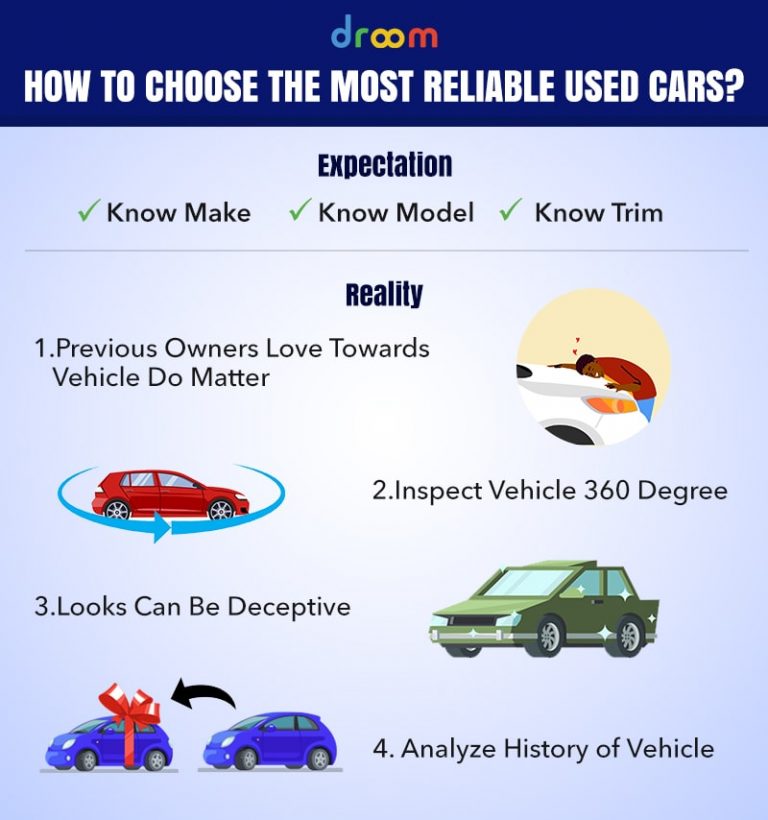
When researching models, look up reliability ratings from trusted consumer advocacy organizations like Consumer Reports, Kelley Blue Book, and Edmunds. Focus on models known for their longevity, such as the Toyota Corolla, Honda Civic, Mazda3, or Subaru Outback. These vehicles are famous for easily surpassing 200,000 miles when properly maintained.
Step 3: Decide Where to Shop
Where you buy your used car determines the level of protection, pricing, and convenience you will experience. Beginners generally have three primary avenues to explore.
1. Certified Pre-Owned (CPO) Dealerships
If peace of mind is your top priority, CPO vehicles are your best bet. These are late-model, low-mileage vehicles that have undergone a rigorous multi-point inspection by factory-trained technicians. They also come with extended manufacturer warranties. While CPO cars are more expensive, they offer the lowest risk for beginners.
2. Traditional Used Car Dealerships and Online Retailers
National online retailers and local dealerships offer a massive inventory and convenient financing options. However, you must carefully review the warranty terms, as many independent dealers sell cars “as-is” (meaning once you drive off the lot, any repairs are your responsibility).
3. Private Sellers and International Exporters
Buying from a private seller on platforms like Facebook Marketplace can save you money because you avoid dealership markups. However, this route requires the most caution, as you have no consumer protection if something goes wrong.
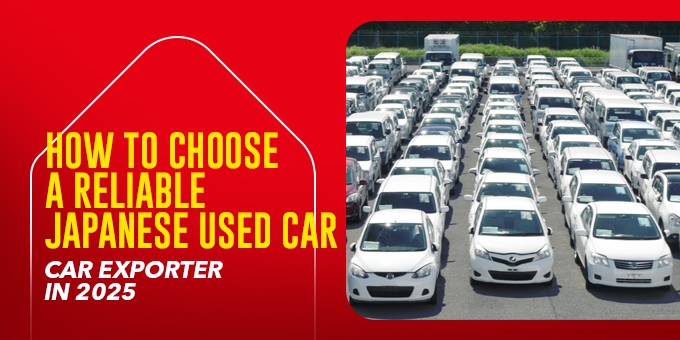
Additionally, many global buyers look toward international markets for high-quality vehicles. For instance, importing a well-maintained vehicle from a specialized exporter has become a highly popular way to source exceptionally clean cars.
Step 4: Decode the Vehicle History Report (VHR)
Once you find a car that fits your budget and needs, never buy it without checking its vehicle history report. Services like CARFAX or AutoCheck provide a detailed digital biography of the vehicle using its unique 17-character Vehicle Identification Number (VIN).
Here is exactly what you need to look for in a vehicle history report:
| Red Flag | Why It Matters |
| :— | :— |
| Salvage or Rebuilt Title | The car was declared a total loss by an insurance company due to a major accident, flood, or fire. Avoid these entirely as a beginner. |
| Frequent Ownership Changes | If a car has changed hands four times in two years, it likely has a recurring, hard-to-fix problem. |
| Failed Emissions Inspections | This could indicate costly engine or exhaust system issues that will prevent you from registering the car. |
| Gaps in Service History | A reliable car needs regular oil changes and scheduled maintenance. Look for consistent service records at reputable shops. |
Step 5: Master the Physical Inspection and Test Drive
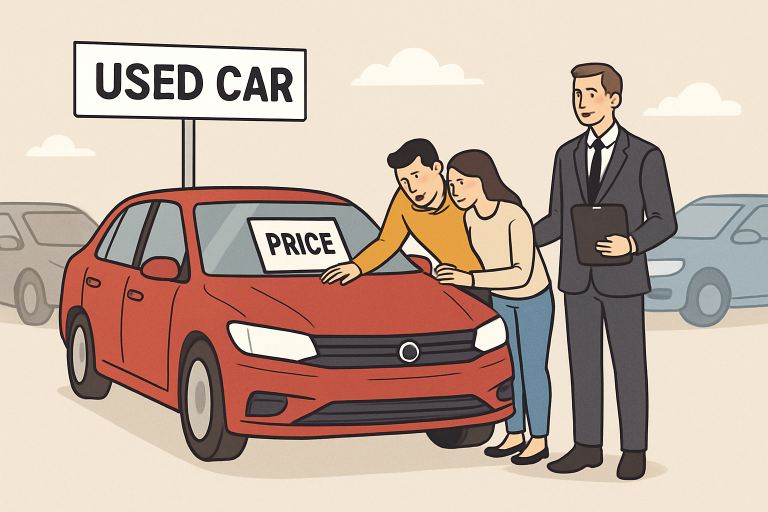
Even if the vehicle history report looks spotless, you must inspect the car in person. Pictures can easily hide major flaws. Use this checklist during your physical inspection and test drive.
The Walkaround Inspection
Check the Body Panels: Look closely at the gaps between the doors, hood, and trunk. If the gaps are uneven, the car may have been in an unreported accident and repaired poorly.
Inspect the Tires: Uneven tread wear on the tires suggests a bad wheel alignment or suspension issues.
Look Under the Car: Check for active fluid leaks (oil, coolant, or transmission fluid) dripping onto the ground. Look for heavy rust on the frame, which can compromise safety.
Check the Tech and Electronics: In 2026, modern used cars are packed with advanced safety cameras, sensors, and infotainment screens. Test every single button, the air conditioning, the backup camera, and the Bluetooth connection to ensure everything works flawlessly.
The Test Drive Checklist
Do not let the seller or dealer distract you with small talk during the test drive. Turn off the radio, roll down the windows, and pay close attention to how the car drives:
Listen closely: Do you hear any squealing brakes, clunking over bumps, or loud engine noises?
Feel the transmission: Does the car shift smoothly, or is there a noticeable hesitation or jerk when changing gears?
Test the steering and brakes: Does the car pull to one side when you let go of the steering wheel on a flat road? Do the brakes feel firm, or do they feel spongy when you press down?
Drive at different speeds: Take the car on both local streets and the highway to see how it handles acceleration and high-speed cruising.
Step 6: Get a Pre-Purchase Inspection (PPI)
If the test drive goes well and you love the car, there is one final, non-negotiable step: the Pre-Purchase Inspection (PPI).
A PPI is when you pay an independent, certified mechanic of your choosing to thoroughly inspect the vehicle. This usually costs between $100 and $250, but it is the absolute best insurance policy against buying a bad car.
If the seller or dealership refuses to let you take the car to an independent mechanic for a PPI, walk away immediately. A reputable seller will have nothing to hide. The mechanic will provide you with a detailed report of any hidden mechanical issues, which you can use as leverage in the next step.
Step 7: Smart Negotiation and Closing the Deal
Negotiation does not have to be an aggressive or intimidating experience. In fact, having a successful negotiation is all about being prepared and polite.
Use Data, Not Emotion: Use pricing tools like Kelley Blue Book or NADA Guides to find the average market value of the car. If the mechanic’s PPI revealed that the car needs $500 worth of new brakes, politely ask the seller to lower the price by $500 to cover the repair.
Be Prepared to Walk Away: The most powerful tool you have as a buyer is your feet. If the seller refuses to meet a fair price, or if you feel pressured, thank them for their time and walk away. There are plenty of other cars on the market.
Double-Check the Paperwork: Before signing anything, read the contract carefully. Ensure there are no hidden dealership fees, unwanted add-ons (like expensive paint protection packages), or incorrect interest rates. Ensure you receive the physical title (free of any liens) and a signed bill of sale.
Summary Checklist for Beginners
To make your car-buying journey as simple as possible, keep this quick checklist handy:
- [ ] Set a total budget that includes insurance, taxes, and a $1,000 maintenance fund.
- [ ] Research reliable models (Toyota, Honda, Mazda, etc.) that fit your lifestyle.
- [ ] Decide whether to buy Certified Pre-Owned (CPO), from an independent dealer, or a private seller.
- [ ] Run a Vehicle History Report (CARFAX or AutoCheck) to check for accidents or salvage titles.
- [ ] Perform a thorough physical inspection and test drive.
- [ ] Take the car to an independent mechanic for a Pre-Purchase Inspection (PPI).
- [ ] Negotiate a fair price based on market value and inspection findings.
- [ ] Review all paperwork and secure the title before driving home.
Conclusion
Learning how to choose a reliable used car for beginners does not have to be a stressful ordeal. By setting a strict budget, doing your research, thoroughly checking the vehicle’s history, and insisting on a professional pre-purchase inspection, you eliminate almost all the risk associated with buying a pre-owned vehicle. Take your time, stay patient, and remember that the perfect, reliable car is out there waiting for you. Happy hunting!