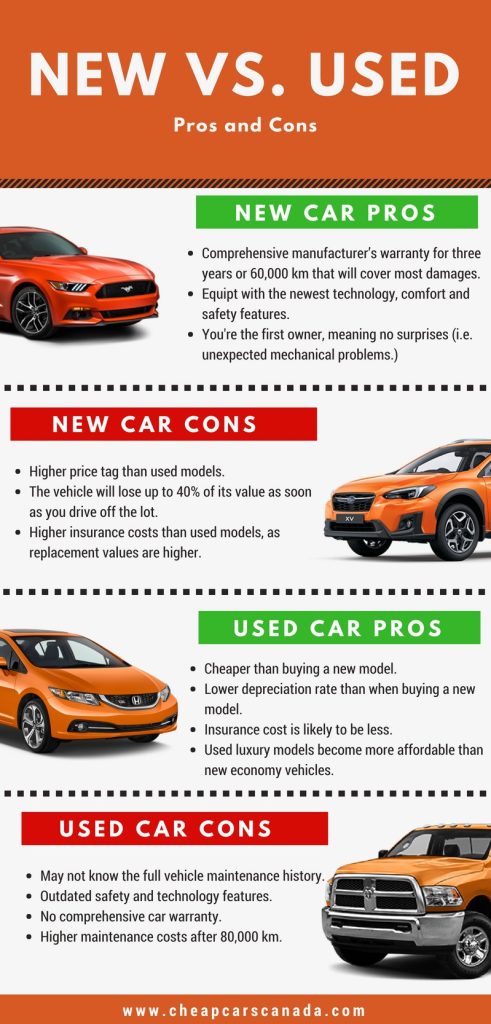
Deciding between a new or a used car is one of the most significant financial commitments you will make. In 2026, the automotive landscape has shifted, leaving many drivers wondering which path offers the best value for their hard-earned money. Whether you are chasing the thrill of the latest technology or seeking the practical savings of a pre-owned vehicle, understanding the nuances of the market, including the New Car Vs Used Car Pros And Cons, is essential.
According to Experian’s Q4 2025 State of the Automotive Finance Market report, the average monthly payment for a new car sits at $767, while a used vehicle averages $537. That represents a $230 monthly difference—a substantial amount that could impact your long-term financial goals. However, the sticker price is only one piece of the puzzle. Factors like depreciation, interest rates, and long-term maintenance costs all play a critical role in your final decision when considering the New Car Vs Used Car Pros And Cons.
Why New Cars Still Command Attention in 2026
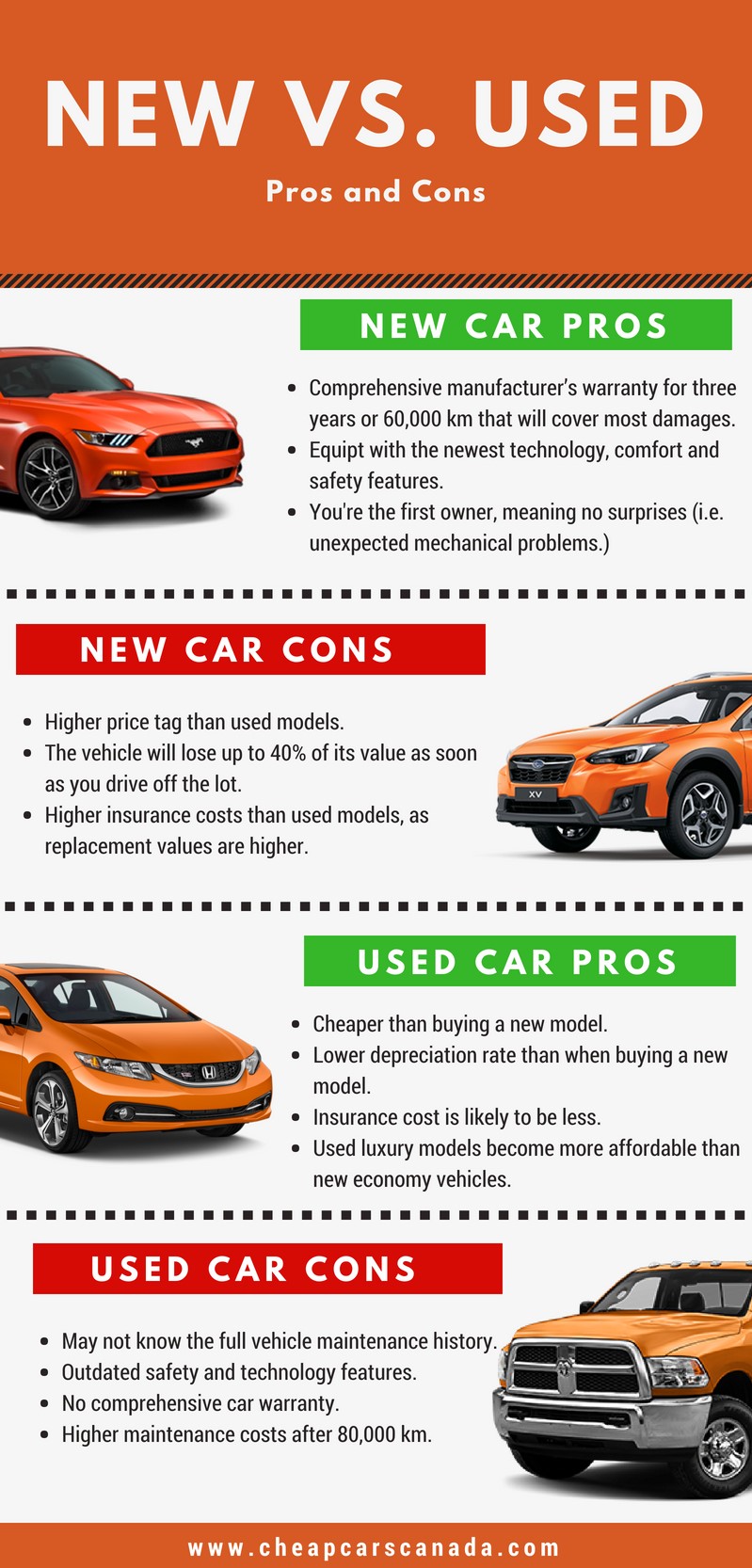
The allure of a brand-new vehicle is undeniable. Beyond the "new-car smell," manufacturers are pushing the boundaries of engineering, safety, and connectivity. For many buyers, the peace of mind that comes with a pristine machine outweighs the higher initial investment, making it a key point in the New Car Vs Used Car Pros And Cons debate.
Unmatched Reliability and Safety
New cars are objectively more reliable than their older counterparts. With no prior history of wear and tear, you are starting with a blank slate. Furthermore, modern vehicles are equipped with advanced safety systems that were rare just a few years ago. From automatic emergency braking to sophisticated parking assist and head-up displays, the latest features are designed to keep you and your passengers safer than ever before, a significant advantage in the New Car Vs Used Car Pros And Cons discussion.
The Power of Manufacturer Warranties
One of the most compelling arguments for buying new is the full manufacturer warranty. Typically covering major repairs for three years or 36,000 miles—with many brands offering even longer protection—these warranties provide a financial safety net. You won’t have to worry about the cost of a transmission failure or engine malfunction shortly after driving off the lot. This significantly reduces the risk of unexpected, high-cost repairs that often plague used car owners, highlighting a major point in the New Car Vs Used Car Pros And Cons.
Financing Advantages
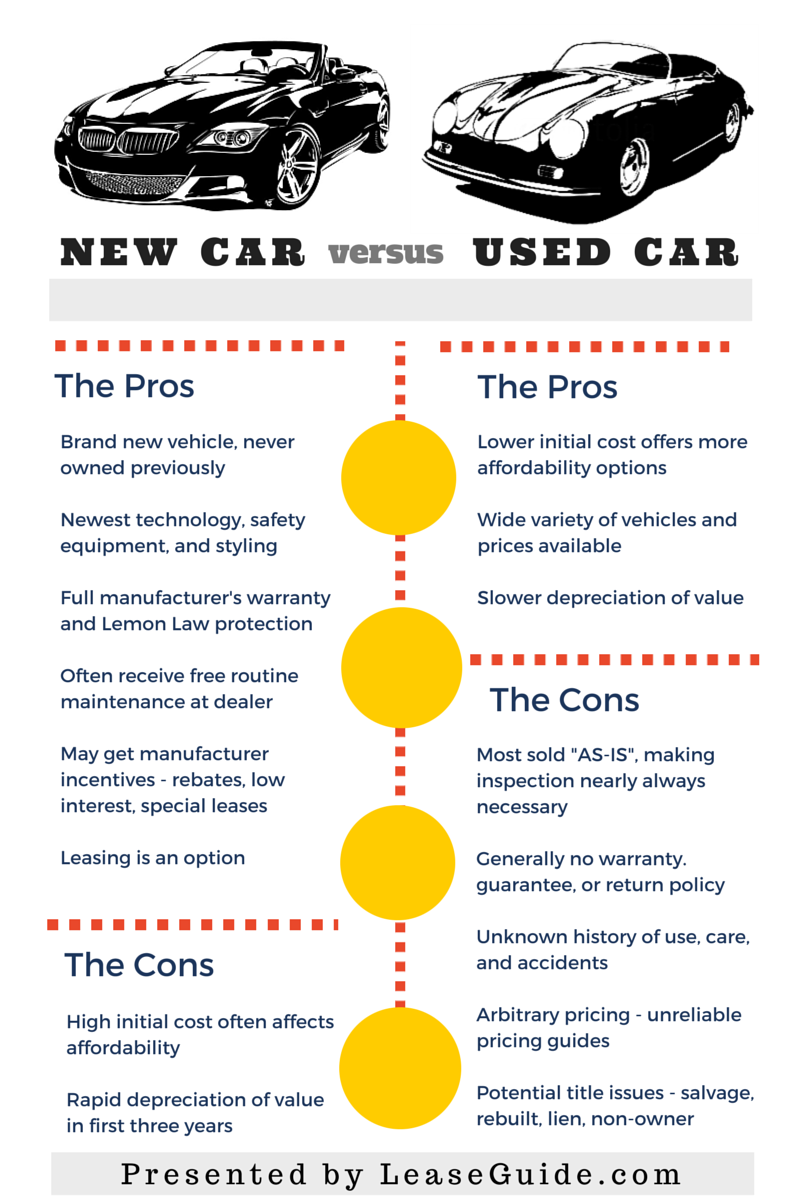
While the loan amount for a new car is typically higher—averaging $43,582 compared to $27,528 for used cars—you often gain access to better financing terms. Interest rates for new car loans are consistently lower than those for used vehicles. As of late 2025, the average interest rate for a new car loan was 6.37%, whereas used car loans averaged a steeper 11.26%. Over the life of a 68-to-69-month loan, this spread in APR can lead to significant interest savings, sometimes narrowing the total cost gap between a new and a used purchase, a crucial aspect of the New Car Vs Used Car Pros And Cons.
The Financial Reality: Why Used Cars Remain a Smart Play
If your priority is stretching your dollar and mitigating the brutal impact of depreciation, the used car market is your strongest ally. While new vehicles offer a premium experience, the financial reality of the first few years of ownership can be harsh, making a strong case for understanding the New Car Vs Used Car Pros And Cons from a financial perspective.
Mitigating Rapid Depreciation
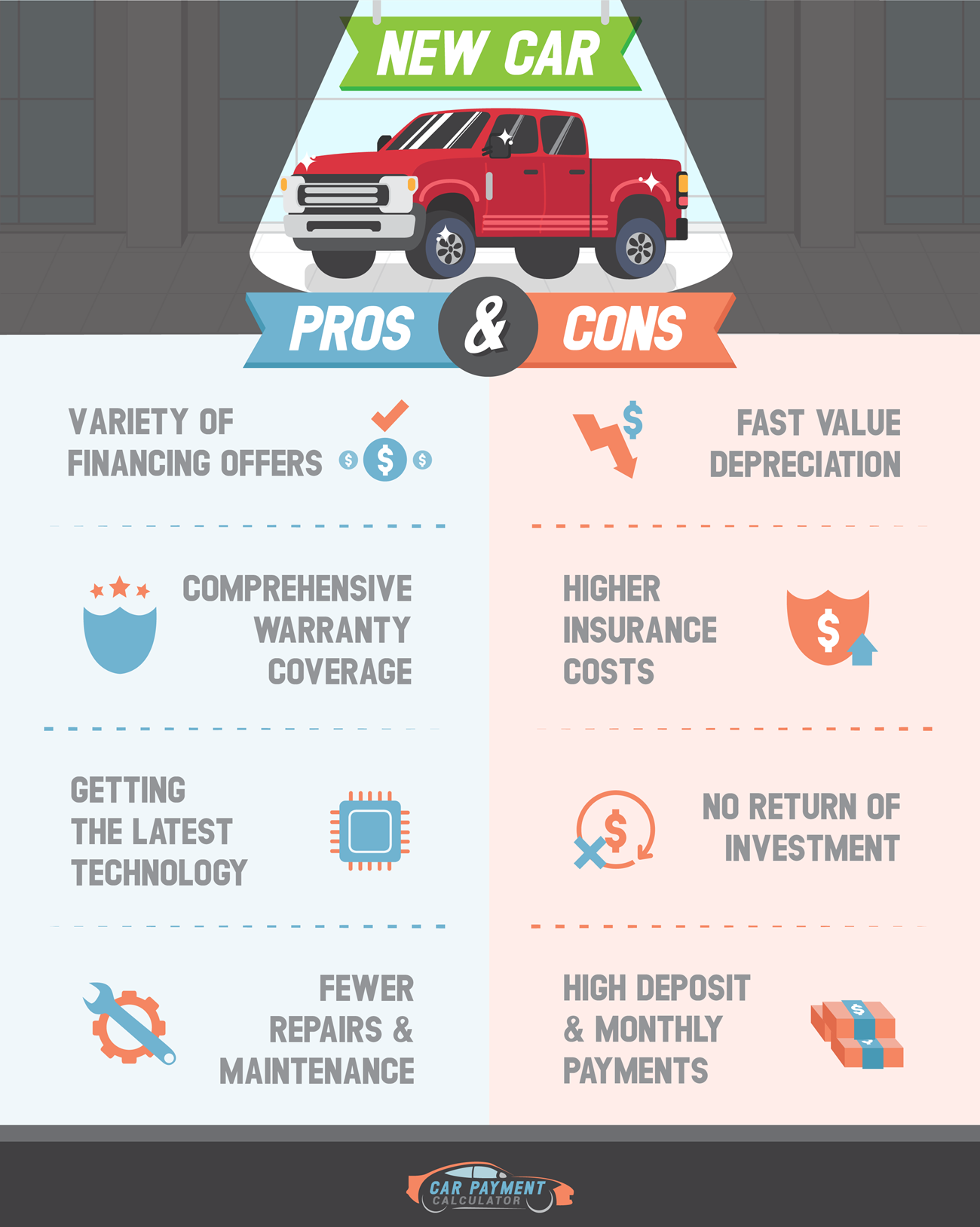
Depreciation is the silent killer of wealth for car buyers. A new vehicle can lose 20% to 30% of its value in the first year alone. By purchasing a car that is two or three years old, you allow the original owner to absorb that massive initial hit. You essentially get a vehicle that is still modern and capable but at a price point that reflects its actual market value rather than the inflated cost of a factory-fresh model, a significant factor in the New Car Vs Used Car Pros And Cons.
Total Cost of Ownership
When you look beyond the monthly payment, the total cost of ownership often favors used cars. While new cars save on maintenance initially, the difference in insurance premiums and registration fees can be significant. Because a new car has a higher market value, insurance companies charge more to cover it. Additionally, depending on your local jurisdiction, registration and road taxes are often tied to the vehicle's original MSRP, making a slightly older vehicle cheaper to title and keep on the road year after year, another key point in the New Car Vs Used Car Pros And Cons.
The Inventory Advantage
The used car market in 2026 is broader than ever. If you have specific requirements—perhaps a certain color, a discontinued trim level, or a specific engine configuration—you are more likely to find it on the pre-owned market. You aren't limited by what is currently sitting on a dealership's lot or the constraints of current factory production lines. This allows for a more personalized purchasing experience where you can prioritize exactly the features you want without paying for a "luxury package" you don't need, a clear advantage when weighing the New Car Vs Used Car Pros And Cons.
The Credit Factor: How Your Score Dictates Your Options
Your credit score is the gatekeeper of your automotive future. According to data from Q4 2025, the average credit score for a new car buyer was 753, while the average score for a used car buyer was 689. This disparity suggests that your financial standing may naturally steer you toward one category over the other, influencing your personal New Car Vs Used Car Pros And Cons.
If you have a high credit score, you are in a prime position to negotiate the best possible interest rates on a new car loan. This could make the gap between a new and used car payment feel much more manageable. If your credit score is in the mid-range, you might find that a used car is not just a choice, but a more realistic path to ensuring your monthly debt-to-income ratio remains healthy, a practical consideration in the New Car Vs Used Car Pros And Cons.
Navigating the Hidden Costs: Beyond the Sticker Price
When you step onto a dealership lot, the siren song of a "low monthly payment" is designed to distract you from the true cost of vehicle ownership. Discerning buyers know that the purchase price is merely the entry fee. To make a decision that won't haunt your bank account for the next six years, you must look at the total cost of operation and carefully consider the New Car Vs Used Car Pros And Cons.
The Maintenance Mirage
While new cars are shielded by manufacturer warranties, the "maintenance-free" honeymoon period is finite. Conversely, used cars demand a more strategic approach to upkeep. When evaluating a used vehicle, you are essentially inheriting the previous owner's maintenance habits, which is a critical aspect of the New Car Vs Used Car Pros And Cons.
- Predictability: New cars offer a high degree of predictability. You know exactly when your next oil change is due, and you are unlikely to encounter major component failures for at least the first 36,000 miles (Source 6).
- The "Legacy" Cost: Used cars, especially those with over 60,000 miles, often approach the "service cliff." This is the point where expensive items—timing belts, suspension components, or water pumps—are likely to fail.
- Preventative Budgeting: Savvy used car buyers always set aside a "repair fund" equivalent to 10% of the vehicle’s purchase price. This cushion transforms an unexpected mechanical issue from a financial crisis into a manageable expense.
The Depreciation Trap
If you view a car as an asset, you are likely to be disappointed. For the vast majority of drivers, a vehicle is a depreciating utility. However, the rate at which you lose money is entirely within your control.
- The "New" Penalty: A brand-new car begins shedding value the second the wheels touch the public road. By the time you reach the end of your first year, that "new car smell" has cost you thousands of dollars in market value (Source 3).
- The Sweet Spot: The most financially efficient vehicles are often those in the three-to-four-year-old range. They have already undergone their steepest drop in value, yet they typically feature modern safety tech and creature comforts that align with current industry standards.
- Residual Value: When it comes time to sell or trade in, a well-maintained used car that was purchased as a used car will likely return a much higher percentage of your initial investment than a new car would.
The Technological Divide: Is Newer Always Better?
We live in an era where software updates and sensor arrays are defining the driving experience. This creates a fascinating dilemma: are the latest features worth the premium, or is "good enough" technology more practical? This section explores the technological New Car Vs Used Car Pros And Cons.
The Connectivity and Safety Gap
The pace of automotive innovation is breathtaking. If you are a commuter who spends hours in traffic, the advancements in Advanced Driver Assistance Systems (ADAS) might feel like a necessity rather than a luxury.
- Adaptive Cruise Control: Once a luxury reserved for high-end sedans, it is now standard in many new mid-range models. It drastically reduces driver fatigue on long highway stretches.
- Smartphone Integration: Apple CarPlay and Android Auto have become the gold standard for connectivity. While many used cars from 2017 or later have these, finding an older vehicle with this capability requires a more targeted search.
- Sensor Reliability: New cars have factory-calibrated sensors. In a used car, you must verify that these sensitive electronic systems have not been compromised by previous minor collisions or poor-quality repairs (Source 4).
The "Over-Engineering" Problem
There is a school of thought that suggests modern cars are becoming too complex for their own good. With touchscreens replacing physical knobs and an explosion of computerized modules, there are simply more points of failure in a 2026 model than there were in a 2020 model. If your priority is a vehicle that you can keep running for 200,000 miles with basic tools and standard mechanic knowledge, an older, simpler used car might actually be the more reliable long-term choice.
Insurance, Registration, and the Tax Man
Your monthly payment is just the beginning. The hidden costs associated with vehicle ownership can vary by thousands of dollars annually based on your choice between new and used, further illustrating the New Car Vs Used Car Pros And Cons.
The Insurance Premium Gap
Insurance companies calculate premiums based on the "replacement cost" of your vehicle. Because a new car is more expensive to repair with OEM (Original Equipment Manufacturer) parts and carries a higher total loss value, your insurance premiums will inevitably be higher (Source 6). This is a clear financial distinction in the New Car Vs Used Car Pros And Cons.
- Deductible Flexibility: With a used car, you may feel comfortable opting for a higher deductible, as the financial impact of a minor repair is lower relative to the vehicle's total value.
- Gap Insurance: If you finance a new car, Gap Insurance is almost mandatory. If your car is totaled, the insurance payout might not cover the full balance of your loan. This is a monthly cost that rarely applies to used car owners who have significant equity in their vehicle.
The Tax and Title Burden
Many states and provinces calculate registration fees based on the vehicle's original MSRP or current book value. A high-end new SUV will almost always be more expensive to register than a compact car of the same age. When you are crunching your numbers, do not forget to add your local sales tax, which is applied to the purchase price. On a $45,000 new vehicle, that tax bill alone is a significant hurdle that often gets overlooked in the heat of the moment.
Certified Pre-Owned (CPO): The Middle Path
If you are torn between the security of a new car and the value of a used one, Certified Pre-Owned (CPO) programs exist to bridge the gap. CPO vehicles represent a specialized market segment where the dealer performs a rigorous inspection, ensures the vehicle meets specific age and mileage requirements, and often provides an extended factory-backed warranty, offering a balanced perspective on the New Car Vs Used Car Pros And Cons.
Why CPO Might Be the "Goldilocks" Choice
CPO programs mitigate the primary risks of buying used. By purchasing a vehicle that has been vetted by an authorized dealership, you eliminate the "lemon" factor.
- Extended Warranty: CPO vehicles often come with warranties that extend well beyond the original expiration date, providing much of the same peace of mind found in new car ownership.
- Rigorous Inspection: Dealers are incentivized to perform high-quality inspections because they are staking their own reputation—and warranty coverage—on the vehicle's health.
- Financing Incentives: Many manufacturers offer special, lower interest rates for their CPO programs, making them highly competitive with new car financing offers during promotional periods.
Financing Strategies for Every Budget
Your credit score doesn't just dictate whether you get a loan; it determines how much that loan will cost you over the next five to seven years. In the 2026 lending environment, the difference in interest rates between new and used car loans is a critical data point (Source 6), directly impacting the New Car Vs Used Car Pros And Cons for individual buyers.
Understanding the APR Spread
As noted by current financial metrics, the average new car loan interest rate sits near 6.37%, whereas used car loans climb toward 11.26%. This spread is driven by the lender's perception of risk. A new car is seen as an asset with a clear history and high resale value; a used car is seen as a variable that could require expensive repairs, potentially hindering your ability to make payments.
- The Loan Term Trap: While longer loan terms (72 or 84 months) make a new car look "affordable," they are financial traps. You risk being "underwater" (owing more than the car is worth) for the majority of the loan term.
- The Down Payment Multiplier: A strong down payment is your best weapon against high interest rates. If you can put 20% down on a used car, you may qualify for the more favorable "new car" interest tiers, effectively slashing your interest costs.
- Credit Score Improvement: If your credit score is below the 689 average for used car buyers, it is often worth delaying your purchase by six months to focus on paying down high-interest credit card debt. This improvement can move you into a better credit tier, saving you thousands in interest over the life of an automotive loan.
Psychological Factors: The "New Car" Bias
It is important to acknowledge the psychological component of this decision. We are often swayed by the immediate gratification of a new purchase. The marketing machines of automotive brands are built to exploit this, adding another layer to the New Car Vs Used Car Pros And Cons.
Breaking the Cycle of Impulsivity
The desire for a new car is often driven by "social proof" and the feeling of status. However, seasoned financial planners often point out that a car is a tool, not a lifestyle statement. When you find yourself obsessing over a specific model or color, pause and ask yourself if that emotional pull is worth the $230 monthly premium mentioned in the Experian report (Source 6).
- The Alternative Investment: If you invested that $230 monthly difference into a high-yield savings account or a low-cost index fund, what would that look like in five years? The result is often tens of thousands of dollars in personal wealth, which is arguably more "valuable" than a car with lower-mileage interior fabric.
- Defining "Necessity" vs. "Want": Do you need a vehicle that can handle rugged off-roading, or do you simply enjoy the image of a truck? Are you paying for "leather heated seats" that you will rarely use, or are you prioritizing the mechanical longevity of the engine?
Long-Term Reliability: A Data-Driven Perspective
Reliability is rarely a binary "good or bad" characteristic; it is a spectrum influenced by brand heritage, model generation, and maintenance. According to industry analysis, while new cars are statistically more reliable, the gap is closing for well-cared-for pre-owned vehicles (Source 5), which is a key consideration in the New Car Vs Used Car Pros And Cons.
Evaluating Brand Reliability Indices
Before you commit to a purchase, consult independent reliability rankings. Some brands consistently offer vehicles that remain problem-free well into the 100,000-mile mark, while others develop notorious electrical or transmission issues after year five.
- Researching Recalls: Every manufacturer has recalls. A used car is actually safer in this regard because the major "teething issues" of a new model year have usually been discovered and fixed by the manufacturer before the car reaches the used market.
- The Maintenance History: Always insist on a Carfax or equivalent vehicle history report. A used car with a documented service history at a dealership is often a safer bet than a new car that you plan to neglect.
- Driving Patterns: If you drive 20,000+ miles per year, a new car might be better for you because you will burn through the warranty period quickly, capturing the maximum value from the manufacturer's protection. If you are a light driver (under 8,000 miles per year), a used car is almost always the smarter financial play, as you will not be "using up" the life of the vehicle as quickly.
The Search: Where to Look for the Best Deals
The 2026 automotive market is highly fragmented. Knowing where to look is as important as knowing what to buy, especially when navigating the New Car Vs Used Car Pros And Cons to find the best value.
- Private Party Sales: These offer the lowest prices because there is no middleman and no "dealer prep" fees. However, they carry the highest risk. Always take a private-party vehicle to an independent mechanic for a pre-purchase inspection.
- Franchise Dealerships: These provide the most security. They want to protect their brand image, so their used inventory is often better curated.
- Online Aggregators: Websites that allow you to filter by specific features (like safety packages or mileage) can help you find a deal that is miles away but worth the travel for the right price. Never settle for the local inventory if it doesn't meet your criteria; a $500 flight to pick up a perfect vehicle is a drop in the bucket compared to the lifetime cost of the car.
Managing Your Expectations on Features
As you evaluate your options, don't be fooled by "feature creep." Manufacturers often bundle "must-have" safety tech with "nice-to-have" luxury features like heated steering wheels, premium sound systems, or aesthetic trim packages, which can skew the perception of New Car Vs Used Car Pros And Cons.
Prioritizing Your Needs
Create a hierarchy of needs before you begin shopping. A typical list might look like this:
- Safety: Automatic emergency braking, blind-spot monitoring, and high crash-test ratings are non-negotiable.
- Efficiency: Fuel economy or electric range is critical to your daily budget.
- Reliability: Proven track record of the powertrain.
- Utility: Cargo space, towing capacity, or passenger seating.
- Comfort: Leather, sunroofs, and ambient lighting.
If you purchase a used car, you might find that you can afford a higher trim level (giving you those comforts) for the same price as a base-model new car. This is the "value-add" that the used market offers consistently.
Assessing the True Cost of "New Car Smell"
The emotional satisfaction of owning a vehicle that no one else has touched is a valid feeling. It is a reward for your hard work and a reflection of your lifestyle. However, when the emotion fades—and it always does—the financial reality sets in, making a clear assessment of the New Car Vs Used Car Pros And Cons crucial.
- The 90-Day Rule: Give yourself 90 days of research before you commit to a major purchase. If you still crave that specific new model after three months, it is a well-considered decision. If the urge passes, you have likely saved yourself from an impulsive, high-interest financing mistake.
- The Opportunity Cost: Consider what that "new car" money could do for your retirement, your housing situation, or your family's future. When you weigh a vehicle against your long-term life goals, the "new vs. used" debate often resolves itself.
How to Prepare for the Inspection
Regardless of whether you choose a new or used vehicle, you are the one responsible for the final verification.
The Used Car Inspection Protocol
- Cold Start: Always show up early to the dealership to see the car start from a cold engine. Listen for rattles, knocks, or irregular idling.
- Fluids Check: Look for signs of leaks under the car. Check the oil color and the condition of the brake fluid.
- Tire Wear: Uneven tire wear is a massive red flag. It indicates alignment issues, worn-out suspension, or a vehicle that has been driven hard.
- Electronic Test: Every button, screen, window, and speaker must be tested. Fixing a malfunctioning electronic module is often more expensive than a mechanical repair.
- Professional Inspection: Even if the car comes with a "Multi-Point Inspection" report from the dealer, pay $150 to $200 for your own independent mechanic to put it on a lift. Their objective perspective is the best insurance policy you can buy.
Environmental Considerations and Trends
In 2026, many buyers are motivated by the carbon footprint of their vehicles. This adds another layer to the New Car Vs Used Car Pros And Cons debate.
The Lifecycle Argument
There is a massive energy cost associated with manufacturing a brand-new vehicle. Mining the lithium for batteries, smelting the steel, and shipping components across the globe results in a significant environmental debt that must be "paid off" by the car’s efficiency over time.
- Extending Life: Keeping a pre-owned vehicle on the road for an additional five years is one of the most environmentally responsible decisions a driver can make. It delays the demand for new production and keeps functional machinery from entering the landfill too early.
- The EV Shift: If you are buying a used electric vehicle (EV), focus heavily on the health of the battery. Modern tools allow you to check the "State of Health" (SoH) of an EV battery. Do not buy a used EV without verifying that the battery retains at least 85% of its original capacity.
The Role of the "Daily Driver"
How you use your car should dictate your procurement strategy. If you are a parent with a long commute, your needs are drastically different from a remote worker who only drives to the grocery store on weekends, influencing your personal New Car Vs Used Car Pros And Cons.
Matching Vehicle to Lifestyle
- The High-Mileage Warrior: If you drive 25,000 miles per year, leasing a new car or buying a new car with a comprehensive bumper-to-bumper warranty is often the safest path. You need the reliability that only a brand-new machine can provide, and the peace of mind of a warranty is worth the higher monthly payment.
- The Urban Minimalist: If you live in a city with public transit options and only use your car for errands, a five-year-old reliable sedan is the smartest financial choice. Your total cost of ownership will be a fraction of a new car buyer's, and you won't be paying for features you aren't using.
- The Weekend Explorer: For those who use their car primarily for leisure, consider a vehicle that has reached the bottom of its depreciation curve. You can afford a higher-performance or more capable vehicle on the used market than you could ever afford new.
Staying Disciplined in a High-Rate Environment
In the current economic climate, discipline is the most valuable tool in your arsenal. Don't be pressured by dealership "inventory alerts" or "limited-time financing" offers. The market will always have cars. Your financial stability, however, is a long-term project that requires consistent care, especially when considering the New Car Vs Used Car Pros And Cons.
The Pre-Approval Power Move
Before you even step foot on a lot, get pre-approved for a loan from your local credit union or your primary bank. This gives you a "walk-away" price. If the dealer cannot beat your pre-approved interest rate, you have the upper hand. You are no longer a victim of their predatory financing tactics; you are a cash-equivalent buyer with a clear roadmap.
- Negotiate the Price, Not the Payment: Dealers love to ask, "What monthly payment are you looking for?" This is a trap. They can easily extend your loan term to 84 months to hit your "monthly goal" while hiding a massive increase in the total cost of the vehicle.
- Total Price Focus: Always negotiate the "out-the-door" price, including all taxes, fees, and documentation costs.
- Walk-Away Power: The strongest position you can occupy is the ability to stand up and walk out the door. If the numbers don't work, there is always another vehicle, another dealership, and another opportunity.
Evaluating the "Model Year" Myth
Consumers often feel that they must have the "newest" model year to be safe or efficient. This is a myth perpetuated by the industry. Most mid-cycle refreshes are purely cosmetic, involving new headlights, minor bodywork adjustments, or slightly different dashboard layouts, which can impact the perceived New Car Vs Used Car Pros And Cons.
The "Hidden" Value in Older Versions
If you like the look of a 2026 SUV, look at the 2024 or 2025 version. Often, the powertrain is identical. You lose almost nothing in terms of performance or real-world safety, but you save thousands in purchase price and hundreds in insurance premiums. The smartest car buyers are those who look for the "pre-refresh" model, which offers the same core engineering at a significant discount.
Planning for the Future Sale
Even when buying, you should be thinking about selling. Every car is a temporary part of your life, and understanding the future implications is part of weighing the New Car Vs Used Car Pros And Cons.
- Popularity Matters: Certain colors (white, black, silver, gray) and popular trim levels are significantly easier to sell later. If you buy a lime-green car with a strange interior, you are limiting your future buyer pool and potentially hurting your resale value.
- Documentation is Currency: Keep a physical or digital folder of every service record, oil change receipt, and repair invoice. When you go to sell that car in five years, having that documentation is a clear indicator to the next buyer that you cared for the machine. It will make your sale faster and often allow you to command a price premium.
Leveraging Online Valuation Tools
Before you even engage with a seller, know the exact market value of the car. Use multiple valuation tools like Kelley Blue Book, Edmunds, and local market listings to get a "price floor" and "price ceiling," which are essential for making an informed decision about the New Car Vs Used Car Pros And Cons.
- Market Awareness: If the seller is asking significantly more than the current market value, you have immediate leverage.
- Comparison: Use these tools to compare different trims. Is the upgrade to the "Premium" trim actually worth the $3,000 price jump on the used market? Often, the answer is no.
- Real-Time Data: The market changes weekly. A vehicle that was overpriced last month might be a bargain today. Keep an eye on local listings and don't be afraid to reach out to sellers who have had their vehicle posted for more than 30 days—they are often ready to negotiate.
Avoiding the "Up-Sell" at the Finance Office
The "Finance and Insurance" (F&I) office is where the dealership makes its real profit. You will be presented with a dizzying array of add-ons: extended warranties, paint protection, fabric protection, GAP insurance, and pre-paid maintenance plans, all of which factor into the overall New Car Vs Used Car Pros And Cons.
The Reality of Add-Ons
- Extended Warranties: If you really want one, you don't have to buy it from the dealer on day one. You can often buy the exact same coverage from the manufacturer's corporate office or a reputable third party weeks or even months later.
- Paint and Fabric Protection: These are almost universally high-margin products with little to no actual value for the consumer. You can purchase a high-quality ceramic coat or fabric sealant for a fraction of the cost and do it yourself in an afternoon.
- Pre-Paid Maintenance: While sometimes convenient, these plans lock you into the dealership's inflated hourly labor rates. You are almost always better off paying for your own maintenance as needed at an independent mechanic you trust.
The Importance of Test Driving Everything
Never buy a car—new or used—without a thorough, 20-minute test drive on varied road surfaces. This crucial step helps you personally evaluate the New Car Vs Used Car Pros And Cons of any specific vehicle.
- Highway Speeds: Get the car up to speed. Does it track straight, or does it pull to one side? Are there strange vibrations in the steering wheel?
- Low-Speed Maneuvers: Check the turning radius and the responsiveness of the braking system.
- Interior Experience: Spend time sitting in the car while it's parked. Is the seat comfortable? Can you easily reach all the controls? Does the infotainment system feel intuitive, or is it frustratingly slow?
- Visibility: Modern car designs often prioritize sleek aesthetics over rear-view visibility. Ensure you are comfortable with the blind spots before committing.
Why Patience is Your Best Financial Tool
In a world of "buy now, pay later," the most powerful thing you can do is wait. The most successful car buyers are those who are not in a hurry. They are the ones who can wait for the right deal, walk away from the wrong one, and make a decision based on logic rather than the dopamine hit of a new purchase.
The choice between a new and a used car is essentially a choice about how you want to value your money. Do you value the temporary status of the latest model, or do you value the long-term wealth that comes from minimizing one of the largest expenses in your life? By following these guidelines and understanding the full scope of New Car Vs Used Car Pros And Cons, you ensure that whatever choice you make, it is an informed one that supports your financial future rather than draining it.
References
For a deeper dive into the New Car Vs Used Car Pros And Cons, consider these resources:
-
Caranddriver — Should You Buy a New or Used Car? – Car and Driver, 2026
-
Nerdwallet — Buying a New vs. Used Car: Which Is Better? – NerdWallet, 2026
-
Investopedia — New vs. Used Cars: Weighing Costs and Benefits – Investopedia, 2026
-
Cnbc — Should you buy a new or used car? Here's how to decide – CNBC, 2026
-
Consumerreports — Should You Buy a New, Certified Pre-Owned, or Used Car?, 2026
-
Experian — Used Car vs. New Car: Which Should You Buy? – Experian, 2026
-
Wowcar — New vs Used Car: Pros, Cons & Buying Guide 2025 – Wowcar, 2026
-
Cnbc — New car prices are high—but buying used isn’t always cheaper, 2026