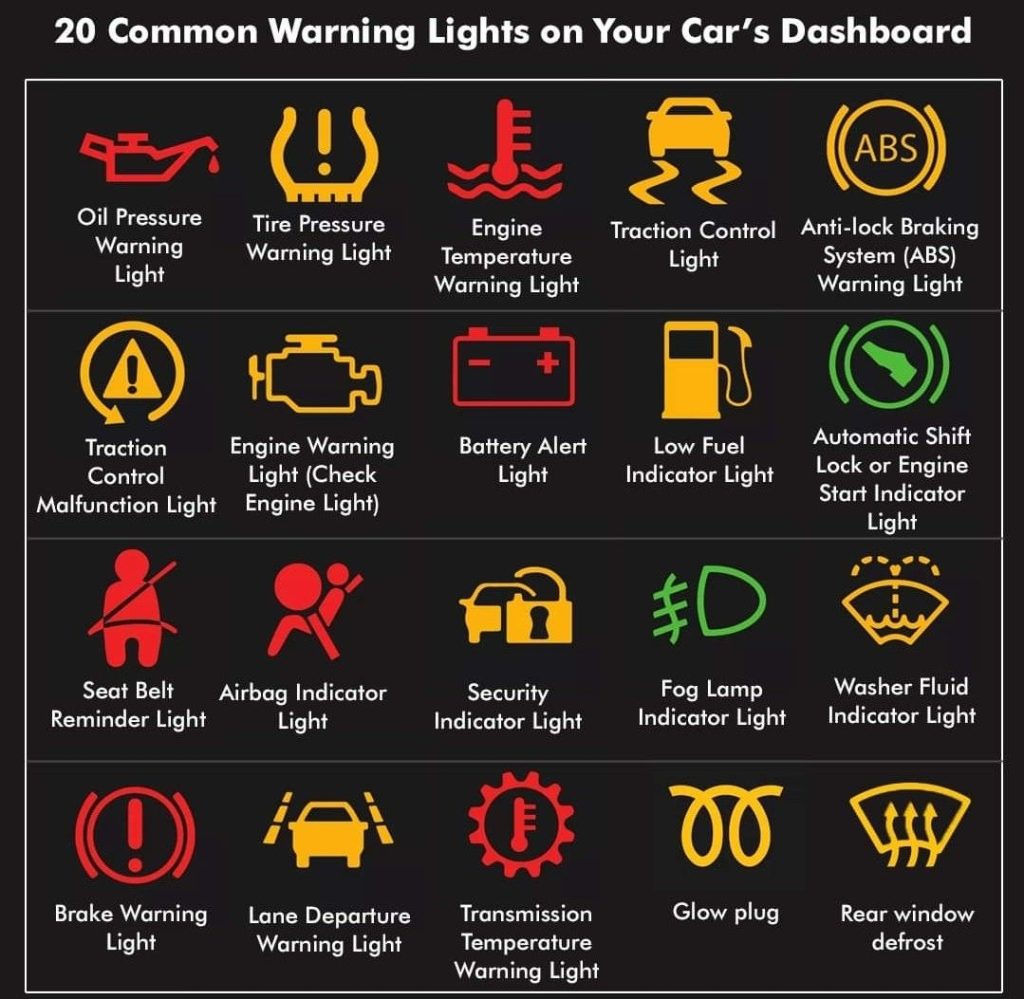
We’ve all experienced that sudden, sinking feeling. You’re cruising down the highway, music playing, stress-free, when suddenly, a mysterious, glowing icon flickers to life on your dashboard. Is it a minor glitch, or are you on the verge of a catastrophic breakdown? For many drivers, these symbols are nothing more than a secret, intimidating language that seems designed to confuse.
In 2026, our vehicles are more sophisticated than ever, packed with complex sensors and digital displays. Yet, when it comes to the basics of vehicle safety, most drivers remain in the dark. A recent industry survey revealed that while the vast majority of young adults can instantly identify an emoji, only about 51% can correctly identify a vehicle warning sign. This knowledge gap isn't just frustrating; it’s a potential safety hazard that can lead to costly repairs and dangerous roadside failures.
Understanding your car's warning lights is the single most effective way to protect your investment and ensure your safety on the road. Whether you drive a classic model or a high-tech 2026 electric vehicle, knowing how to interpret these signals can save you time, money, and unnecessary roadside anxiety.
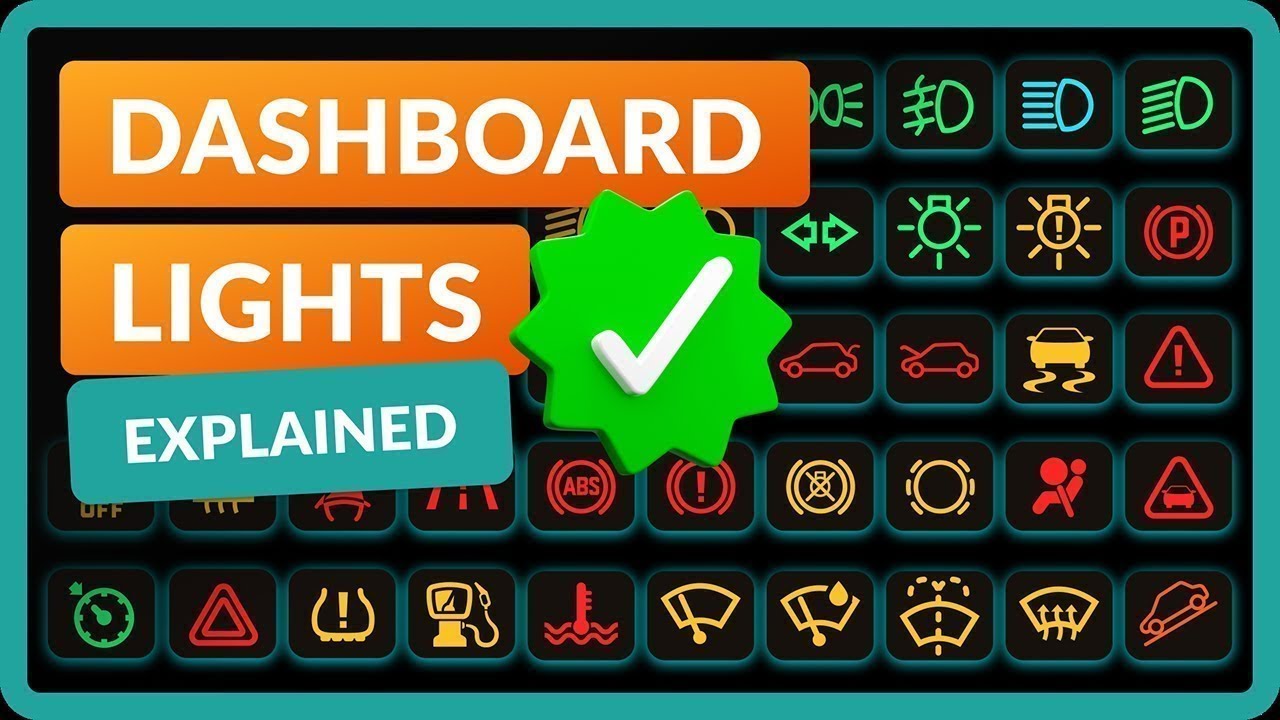
Decoding the Color-Coded Traffic Light System
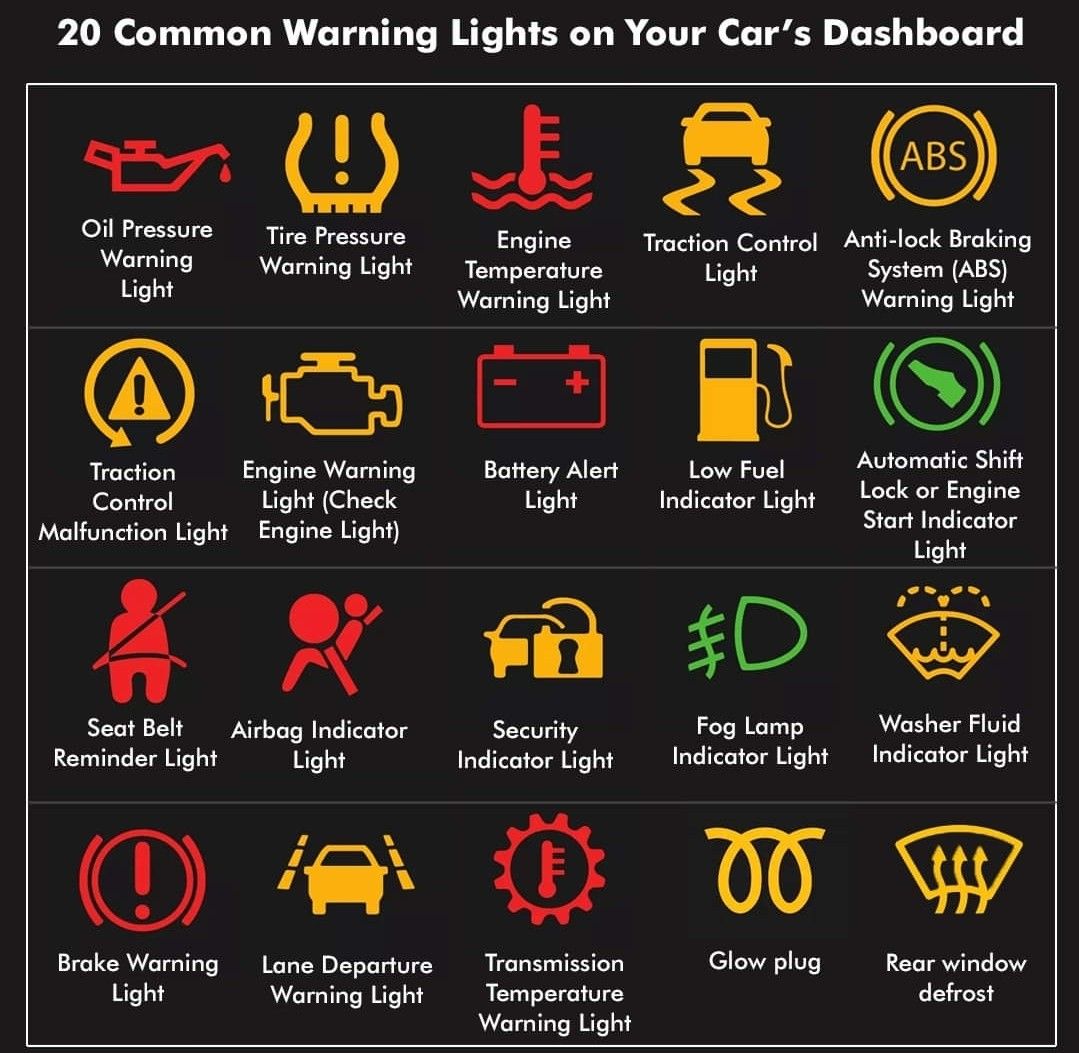
To master your dashboard, you must first understand that car manufacturers use a universal color-coded system designed to communicate the urgency of an issue. Think of your dashboard like a traffic signal; the colors are there to dictate how quickly you need to act.
Red: Stop and Take Action Immediately
When a red warning light illuminates, it signals a serious or potentially dangerous issue. You should stop your car as soon as it is safe to do so. In many cases, continuing to drive with a red light active can lead to irreparable mechanical damage. These are your "do not ignore" indicators, often involving critical systems like oil pressure, braking, or engine cooling.
Yellow/Amber: Proceed with Caution
A yellow or orange symbol indicates that something is wrong and requires your attention, but it is not necessarily an emergency. You can usually continue driving, but you should take extra care and schedule a professional diagnostic check as soon as possible. Ignoring these lights can often turn a minor, inexpensive repair into a major failure later on.
Green, Blue, or White: Systems are Active
Lights in these colors are generally informational. They indicate that a specific system—such as your cruise control, fog lights, or high beams—is currently functioning correctly or is in use. There is no need to worry; these lights are simply keeping you informed of your vehicle’s current settings.
The Top 10 Critical Warning Lights Every Driver Must Know
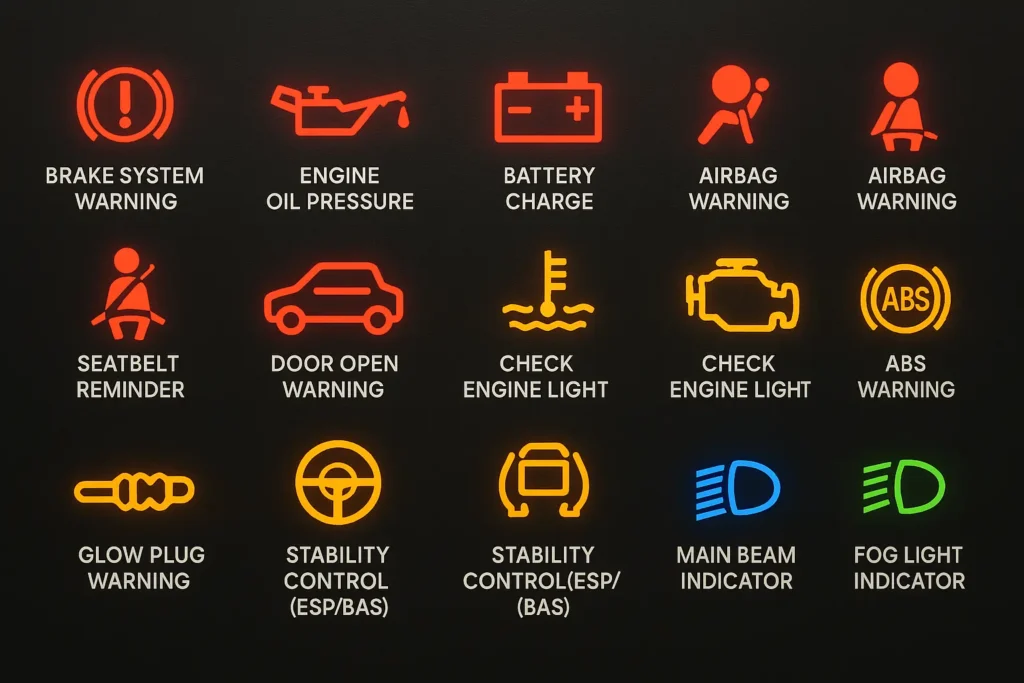
While your car may have dozens of symbols, some are far more frequent and critical than others. According to industry experts, these are the top symbols you are most likely to encounter in 2026.
1. The Check Engine Light
Often the most dreaded symbol, the Check Engine light (or ECU warning light) can mean anything from a loose gas cap to a failing catalytic converter. If the light is steady, schedule an inspection soon. However, if the light is flashing, you should pull over immediately, as this indicates a serious engine misfire that can cause rapid damage.
2. Oil Pressure Warning
Never ignore the red oil can symbol. This indicates low oil pressure in the engine. Because oil is the lifeblood of your engine, losing pressure means your internal components are not being lubricated, leading to immediate, severe damage. Switch the engine off immediately and call for assistance.
3. Battery Charge Warning
If you see a battery symbol, your vehicle’s charging system is malfunctioning. This usually points to a failing alternator or a battery that is not holding a charge. If this light turns on while driving, your car will eventually lose power and shut down, as the engine cannot run indefinitely on battery power alone.
4. Engine Coolant Temperature Warning
Seeing this light means your engine is running too hot and is at risk of overheating. To prevent permanent engine damage, you should stop driving immediately. Some drivers may temporarily blast the vehicle's heater at full power to help dissipate heat from the engine block, but this is merely a stop-gap measure to reach a safe place to stop.
5. Anti-lock Braking System (ABS) Light
Your ABS light indicates that there is a fault in your anti-lock braking system. While your normal brakes will likely still work, your car will lack the advanced skid-prevention features of the ABS in an emergency. This is a critical safety system that requires a professional diagnostic.
6. Airbag Indicator
An illuminated airbag light means that your SRS (Supplemental Restraint System) has detected a fault. In the event of an accident, your airbags may not deploy as intended. Because this is a life-saving feature, you should treat an airbag warning as a high-priority repair.
7. Tire Pressure Warning Light (TPMS)
The Tire Pressure Monitoring System warns you that one or more of your tires are under-inflated. Low tire pressure can lead to poor handling, reduced fuel efficiency, and an increased risk of a tire blowout. Use a tire pressure gauge to check each tire and inflate to the manufacturer's recommended PSI.
8. Brake System Warning
Aside from just reminding you that your parking brake is engaged, this red light can indicate low brake fluid or a fault in the hydraulic system. If the light stays on after releasing the handbrake, your braking power may be significantly compromised.
9. Low Fuel Indicator
Perhaps the most universally recognized symbol, this light warns you that your fuel level has dropped below a critical threshold (typically 1/6th or 1/8th of a tank). While not a mechanical failure, running your car until it is bone-dry can cause damage to the fuel pump.
10. Service Reminder
Modern cars track your driving data to tell you when it’s time for maintenance. The Service Reminder light acts as a digital calendar for your oil changes and routine inspections, ensuring your vehicle remains in optimal condition for the long haul.
Why Diagnostics Matter in 2026
In 2026, the complexity of automotive diagnostics has reached a new peak. Simply guessing the problem based on a flickering light is a gamble you cannot afford to take. Today’s vehicles utilize an On-Board Diagnostic (OBD) system that creates unique error codes when a light is triggered.
By performing a professional diagnostic test, mechanics can read these codes to pinpoint exactly which sensor or component is failing. This process eliminates the "parts-swapping" guessing game, saving you from paying for repairs you don't actually need. Whether you are using a professional shop or a mobile mechanic service, getting a clear readout of your vehicle’s health is the smartest move a driver can make.
Beyond the Basics: Understanding Secondary Dashboard Indicators
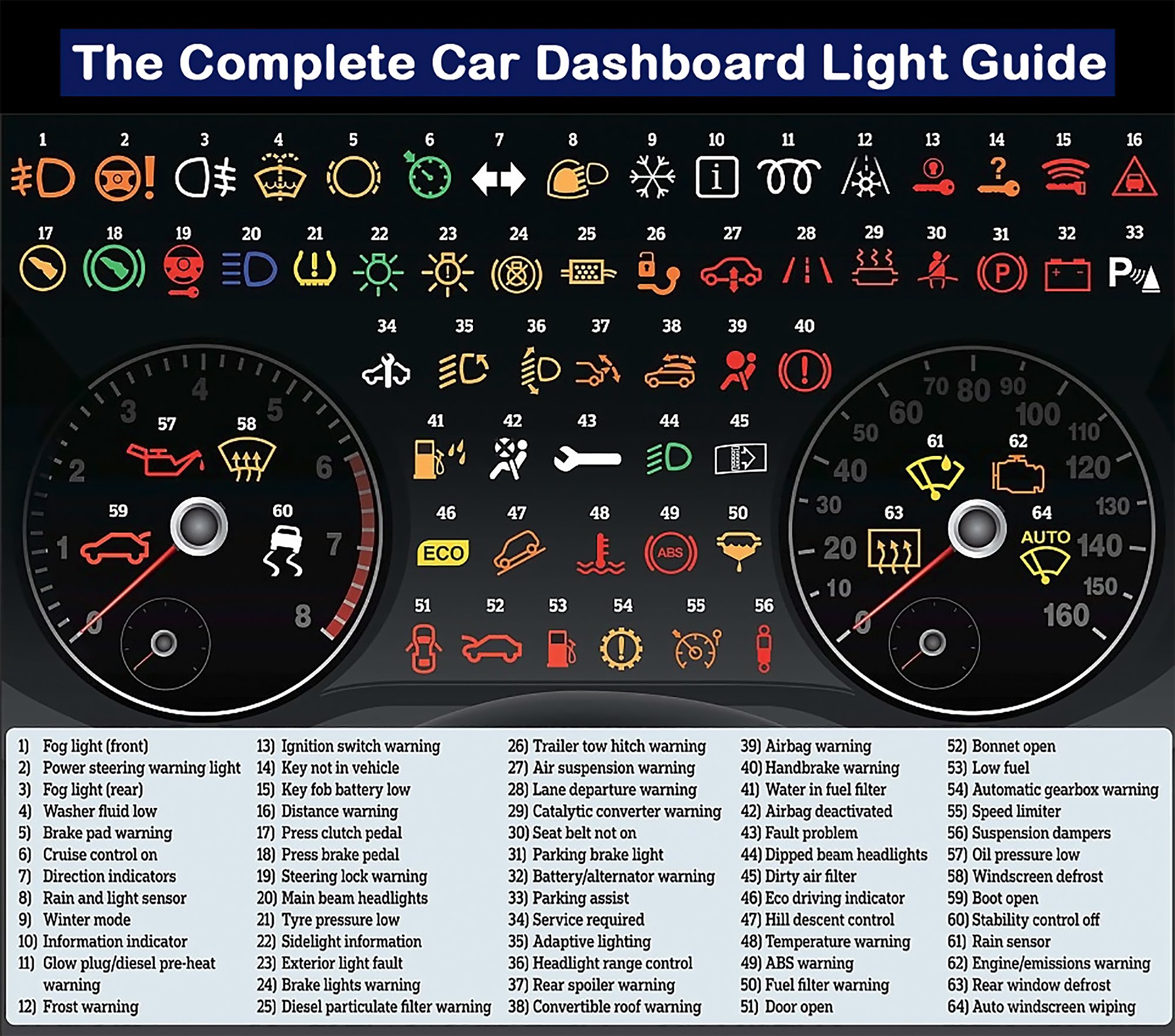
While the top 10 lights often dominate the conversation regarding vehicle safety, your dashboard is home to dozens of other symbols that act as the unsung heroes of driver awareness. These indicators manage everything from advanced driver-assistance systems to vehicle comfort settings. Ignoring these nuances can result in a diminished driving experience or the failure of convenience features that you rely on every day.
11. Traction Control System (TCS) Indicator
When you see the symbol of a car with wavy lines beneath it, your Traction Control System is engaged. This light will typically flicker when the system is actively working to prevent wheel spin on slippery surfaces like ice, gravel, or wet pavement. However, if the light stays illuminated permanently, it indicates a fault within the system, meaning your vehicle will have limited stability in hazardous road conditions [Source 1].
12. Power Steering Warning Light
If your steering wheel feels unusually heavy or unresponsive, look for the steering wheel icon, often accompanied by an exclamation mark. This Power Steering warning suggests that your power steering fluid is low or that the electric power steering system has encountered an electrical fault. Driving with this warning is physically demanding and poses a significant safety risk during sharp maneuvers at high speeds.
13. Glow Plug/Diesel Pre-heat Indicator
Specific to diesel engines, the coil-shaped symbol indicates that the engine’s glow plugs are heating up the combustion chamber for a cold start. You should wait for this light to turn off before turning the ignition key fully. If the light flashes while driving, it is a sign of a fault within the engine management system that needs immediate professional attention to prevent starting difficulties [Source 4].
14. Electronic Stability Program (ESP) Light
The ESP light is closely related to traction control but manages the vehicle’s directional stability. When this light remains on, it signifies that the stability control system is disabled or malfunctioning. In such a state, your car is significantly more prone to understeer or oversteer during evasive maneuvers, making it essential to have the system inspected by a qualified technician.
15. DPF (Diesel Particulate Filter) Warning
Owners of modern diesel vehicles are likely familiar with the DPF light. This filter captures soot from the exhaust to reduce emissions. If the light illuminates, it means the filter is becoming blocked. You may be able to clear this by driving at higher speeds for a sustained period to trigger a passive regeneration cycle, but if ignored, the filter may become permanently damaged, necessitating an expensive replacement [Source 5].

The Evolution of Dashboard Technology: What’s New in 2026
The landscape of automotive instrumentation has undergone a seismic shift. As we navigate the 2026 vehicle market, the analog gauges of the past are being rapidly replaced by high-definition, customizable digital cockpits. These displays offer more than just simple icons; they provide contextual data that allows for a deeper understanding of vehicle health.
Why Digital Displays are a Game-Changer
Modern digital instrument clusters can prioritize information based on urgency. For instance, if an oil pressure warning occurs, the screen may dim non-essential data to highlight the critical alert. This interface evolution reduces cognitive load, helping you make split-second decisions that could mean the difference between a minor maintenance task and a total engine failure [Source 5].
The Rise of OTA (Over-The-Air) Diagnostic Alerts
With the rise of connected vehicle technology, your car is now more communicative than ever. Many 2026 models can now send diagnostic data directly to your smartphone via an app. If a warning light triggers, you may receive a push notification explaining the exact sensor failure, along with a link to book an appointment with your nearest certified service center. This integration is designed to reduce the "I’ll check it later" mentality that leads to most catastrophic breakdowns [Source 2].
When to DIY and When to Call the Pros
One of the most frequent questions drivers ask is: "Can I fix this myself?" While it is empowering to be a hands-on vehicle owner, the complexity of modern automotive engineering means that some tasks are better left to the experts. Knowing the line between a quick fix and a complex repair is crucial for your safety and your wallet.
Minor Issues You Can Address
- Low Tire Pressure: Keeping a digital gauge in your glovebox allows you to quickly verify the issue. Adding air to the correct PSI often clears the light within a few miles of driving.
- Loose Gas Cap: A common, yet often overlooked, cause of the Check Engine light. Ensure it is tightened until you hear a click. If the light persists, the issue may be deeper in the evaporative emissions system.
- Low Fluid Levels: Regularly checking your windshield washer fluid and engine coolant reservoir levels can prevent unnecessary warning lights from ever appearing in the first place [Source 3].
When to Seek Professional Assistance
- Transmission Faults: Any indicator related to your transmission should be treated as an emergency. Transmission repairs are among the most expensive in the automotive world; delay can turn a minor sensor glitch into a total gearbox failure.
- Electrical Gremlins: If you see multiple, unrelated warning lights flashing simultaneously, your car’s electrical system or control module (ECU) may be failing. This requires high-level diagnostic tools that are rarely found in a home garage.
- Persistent Red Warnings: If a red light stays on after a quick check of obvious items, stop driving. The cost of a tow truck is a fraction of the cost of a replacement engine or braking system [Source 4].
Predictive Maintenance: Preventing the Warning Light Before It Appears
The best way to handle warning lights is to ensure they never have a reason to turn on. Predictive maintenance is the strategy of identifying potential failures through routine inspections and data analysis. By staying ahead of your car’s needs, you effectively immunize yourself against the stress of sudden roadside alerts.
The Power of Routine Inspections
Your owner’s manual is not just a collection of instructions; it is the definitive roadmap for your car's longevity. Following the manufacturer-recommended service intervals is the single most effective way to avoid the yellow and red lights that indicate neglected systems. Oil changes, filter replacements, and brake fluid flushes are not just suggestions; they are the preventative medicine that keeps your engine running smoothly for years [Source 3].
The Role of High-Quality Components
When repairs are necessary, resist the urge to buy the cheapest aftermarket parts available. Sensors, such as Oxygen (O2) sensors or MAF (Mass Air Flow) sensors, are highly sensitive. Using low-quality, incompatible sensors can trigger the Check Engine light prematurely, forcing you to pay for the same repair twice. Always opt for OEM (Original Equipment Manufacturer) or high-grade aftermarket components to maintain system integrity [Source 1].
Understanding the "Warning Fatigue" Phenomenon
As vehicles incorporate more sensors, the number of potential alerts has grown exponentially. This has led to a psychological phenomenon known as "warning fatigue," where drivers become desensitized to dashboard icons because they are constantly bombarded with them. Overcoming this is vital for your safety.
How to Maintain Vigilance
- Create a Routine: Perform a "Dashboard Scan" every time you start your car. Notice which lights turn on during the startup cycle and confirm they disappear once the engine is idling.
- Keep a Log: If you notice a light flickering occasionally, write down the conditions under which it occurs (e.g., during acceleration, at night, or in cold weather). This information is invaluable to a mechanic during a diagnostic test.
- Invest in a Code Reader: A basic OBD-II scanner is an affordable tool that allows you to read your own engine codes. While it won't fix the car, it will give you a "heads-up" on the severity of the issue, helping you decide if you can drive to the shop or if you need a tow [Source 2].
The Economic Impact of Ignoring Dashboard Alerts
There is a pervasive myth that ignoring a warning light saves money. The reality is the polar opposite. In the automotive world, the cost of repair usually follows an exponential curve: the longer you wait, the higher the price tag.
The Cost of Procrastination
If you ignore a low oil pressure warning for even a few miles, you could be looking at a total engine seizure. The cost of a minor oil leak repair is often less than a few hundred dollars, whereas a complete engine replacement can reach into the thousands. By addressing the root cause the moment a light illuminates, you are protecting your financial assets.
Maximizing Resale Value
A well-maintained vehicle with a documented service history—free from the "ghosts" of past ignored warning lights—will hold its value significantly better. Potential buyers today are savvy; they often bring their own scanners to check for any stored error codes. A clean bill of health on your diagnostic history is a powerful selling point that can net you a higher return on your investment when it comes time to upgrade [Source 4].
Addressing Common Misconceptions About Dashboard Lights
There is a lot of misinformation circulating about what these symbols mean and how they operate. Clearing up these myths will help you navigate your dashboard with greater confidence and less anxiety.
Myth 1: "The light will go away on its own"
While some intermittent sensor issues might cause a light to flick off and on, the underlying fault rarely disappears. In fact, most modern vehicles store the error code in the ECU’s memory even after the light turns off. The computer is waiting for the fault to reappear, and until the mechanical or electrical cause is addressed, the light will return.
Myth 2: "If the car feels fine, the light is a mistake"
Modern engines are controlled by complex algorithms. Often, a sensor might fail in a way that affects fuel efficiency or emissions without the driver noticing any change in performance. The light is performing its duty by alerting you to a hidden issue that, if left unaddressed, will eventually cause a noticeable performance degradation or complete system failure [Source 5].
Myth 3: "I can just cover the light with tape"
This is a dangerous practice that has been seen in some amateur circles. Disabling or masking an indicator does nothing to solve the problem and creates a massive safety risk. If your ABS or Airbag light is on, masking it doesn't make those systems functional; it only ensures you are unaware of their failure until you need them most, at which point the results could be tragic.
Preparing for Long-Distance Trips and Warning Lights
The last thing you want is a glowing dashboard icon while you are hundreds of miles from home. When planning a road trip, your car’s preparation should be as thorough as your packing list.
The Pre-Trip Inspection Checklist
Before you depart, perform these five simple steps to minimize the risk of a dashboard surprise:
- Check All Fluid Levels: Ensure your engine oil, coolant, brake fluid, and power steering fluid are all at the manufacturer's specified levels.
- Examine Your Tires: Not just the pressure, but the tread depth and the age of the tires. A tire blowout is a common cause of multiple stability-related warning lights.
- Test Your Lights and Battery: Use a multimeter to check that your battery is holding a charge above 12.6 volts when the engine is off.
- Confirm Your Coverage: Carry your roadside assistance information in your glovebox, or save it to your phone’s favorites. Knowing you have a plan in place makes the experience of a warning light far less daunting.
- Listen to Your Car: We often focus on visuals, but unusual noises—squealing belts, grinding brakes, or clicking sounds—are the precursors to many dashboard lights. Address these "auditory warnings" before they become "visual warnings" [Source 4].
The Future of Dashboard Intelligence: Where Are We Heading?
As we look toward the later part of the 2020s, the integration of Artificial Intelligence (AI) into vehicle diagnostics is set to change everything. We are moving toward a world where your car will be able to perform "self-healing" functions.
AI-Driven Predictive Diagnostics
Future systems will not just tell you that a part is failing; they will analyze usage patterns to predict exactly when a component will break. Imagine your car notifying you: "Your alternator is showing signs of resistance and is likely to fail in approximately 300 miles. Would you like to schedule a service visit?" This level of proactive communication will effectively end the era of the "breakdown" as we know it.
Augmented Reality (AR) Heads-Up Displays
Within the next few years, standard dashboard lights may be augmented by AR displays projected directly onto your windshield. Instead of a generic engine icon, your car might project a notification that appears in your field of vision, providing clear, actionable instructions without requiring you to take your eyes off the road. This technology is already beginning to appear in high-end vehicles and will eventually become the industry standard for all segments [Source 2].
Taking Control of Your Vehicle’s Health
Your car is a complex machine, but it is also a highly communicative one. Those blinking, glowing, and steady lights are not just obstacles or annoyances; they are your vehicle’s way of talking to you. They are requesting your partnership in maintaining the delicate balance of performance, safety, and longevity.
When you invest the time to learn this language, you shift from being a passive passenger to an empowered owner. You gain the ability to differentiate between a simple notification and a critical alarm. You save money by catching problems when they are small and avoidable. Most importantly, you secure the safety of yourself and your passengers by respecting the warnings your car provides.
Never feel intimidated by your dashboard. The engineers who designed your vehicle included these lights for one reason: to keep you informed. The next time a symbol flickers to life, take a deep breath, observe the color, consult this guide, and take the appropriate, informed action. Your car will thank you for it, and the peace of mind you gain will turn every drive into a safer, more reliable experience.
Navigating the Technical Landscape: Understanding Modern Sensors
To truly appreciate why these lights are so sensitive, it helps to understand the "sensory network" beneath your car’s exterior. Your vehicle is essentially a computer on wheels, utilizing hundreds of inputs to calculate everything from air-fuel mixtures to braking force.
The Network of Sensors
Each warning light is tied to at least one (and often several) sensors. For example, the Check Engine light monitors the O2 sensor, the Mass Air Flow sensor, the Throttle Position sensor, and the Crankshaft Position sensor. This network is designed to achieve the highest possible efficiency and the lowest possible emissions. When even one of these components sends a signal outside of the pre-programmed "normal" range, the computer alerts you. This is why you should never treat the light as a "mistake"—it is a precision instrument detecting a deviation from optimal performance [Source 5].
The Impact of Connectivity
Today’s cars use CAN-Bus (Controller Area Network) systems to allow these sensors to talk to each other. This is why a simple sensor failure in one system can sometimes trigger a cascade of warning lights across the dashboard. This "daisy-chain" effect can be alarming, but it is usually a sign that the car is protecting itself by limiting functionality in other areas until the fault is isolated and corrected.
Dealing with "Ghost" Lights and Intermittent Signals
We have all encountered it: a warning light that turns on for a few minutes and then mysteriously vanishes. These "ghost" lights can be the most frustrating for a driver, as they seem to defy logic. However, there is always a technical explanation for their behavior.
Why Lights Sometimes Flicker
- Thermal Expansion: As parts heat up during a drive, their electrical resistance changes. A wire with a tiny, hair-line crack might work fine when cold but fail when it expands under the heat of the engine.
- Vibration: A loose connection, especially in a sensor plug, may only lose contact when the vehicle hits a bump or reaches a specific RPM.
- Software Glitches: Just like your computer or smartphone, a car’s onboard computer can occasionally encounter a "hiccup" in its logic flow. A quick ignition cycle (turning the car off and on) can sometimes clear a one-time software anomaly.
- Weather Conditions: Heavy rain or extreme humidity can sometimes cause moisture to enter electrical connectors, creating a temporary short circuit. If this happens, once the moisture dries out, the light may disappear [Source 1].
If your car exhibits persistent intermittent warnings, it is essential to have the system scanned. Even if the light is off, the error code will likely be stored in the "history" section of your vehicle’s diagnostic memory, allowing a mechanic to see the recurring issue.
Safety First: Developing Your "Action Protocol"
If you are a driver who finds themselves prone to stress when a light pops up, building an "Action Protocol" can provide the mental clarity you need to handle the situation calmly. Think of this as your personal emergency checklist for the road.
The 3-Step Protocol
- Safety Assessment: As soon as a light appears, ask yourself: Is the car handling differently? Is there a loss of power, unusual noise, or a burning smell? If yes, find a safe place to stop immediately. If no, continue driving but monitor the gauges and the behavior of the engine closely.
- Color Verification: Quickly identify if the light is Red, Yellow/Amber, or Green/White. If it is Red, your goal is to find a safe location to pull off the road within the next few miles or immediately, depending on the severity of the icon. If it is Yellow, your goal is to finish your trip and contact a professional within the next 24-48 hours.
- Information Gathering: Before you get to the shop, note the following: What time was it? Was it raining? Were you accelerating or braking? Did any other systems shut down at the same time? Providing this level of detail to a technician will reduce their diagnostic time and, consequently, your repair bill [Source 3].
The Importance of Quality Tires: More Than Just Pressure
While the Tire Pressure Monitoring System (TPMS) is a common light, it is often treated with far less urgency than it deserves. In reality, your tires are the only four contact points between your vehicle and the road. The warning light is not just about fuel economy; it is about your ability to steer and stop effectively.
Why Pressure Matters
- Heat Generation: An under-inflated tire flexes more than it should, which causes the rubber to generate excessive heat. This significantly increases the risk of a blowout, especially during long highway drives.
- Handling Dynamics: The suspension and steering of your car are calibrated to operate with specific tire pressures. Deviating from these, even by a few PSI, can compromise the handling, especially during emergency braking or cornering.
- Tire Life: A tire that is constantly under-inflated will wear out faster, specifically on the edges. Replacing a set of tires prematurely because of chronic under-inflation is an avoidable cost that adds up over the life of the vehicle [Source 5].
The Role of the Battery in Modern Reliability
In vehicles from a decade ago, the battery was primarily responsible for starting the engine. In a 2026 vehicle, the battery is the heart of a massive electrical ecosystem. Because of this, the Battery Charge warning has become significantly more critical.
Understanding the Modern Charging System
Your alternator is the component that charges the battery while you drive. If you see the battery light, it means that the "feedback loop" between the battery and the alternator has been broken. In a modern car, the battery manages everything from the infotainment screen to the advanced driver-assistance safety features. When the voltage drops, these secondary systems will begin to shut down one by one, often beginning with non-essential items like air conditioning, and eventually affecting the ignition itself. If you see this light, do not attempt to drive long distances; navigate toward the nearest service point immediately [Source 4].
Managing Vehicle Fluids: The Lifeblood of Your Engine
We often talk about the Oil Pressure light, but it is important to recognize that maintaining the correct levels of all fluids is a collective responsibility. Neglecting one system often puts strain on another.
The Fluids to Watch
- Coolant: This is the primary defense against overheating. If your coolant is low, the Coolant Temperature light is your last line of defense before engine warping occurs.
- Brake Fluid: This is a hydraulic fluid. If the level is low, it usually means your brake pads are worn down, requiring the fluid to fill more space in the calipers. This light is an indirect indicator of how much "meat" you have left on your brake pads.
- Transmission Fluid: While not every car has a dashboard light for this, maintaining transmission fluid quality is vital for smooth gear shifts. If you notice jerky shifts or delayed engagement, have your transmission fluid inspected, regardless of whether a light is on.
By staying proactive with your fluid checks, you are not just ensuring the car runs; you are ensuring it runs at the peak of its engineered capabilities. This is the difference between a car that gets you from A to B and a car that serves you reliably for 200,000 miles or more [Source 1].
How to Choose the Right Repair Shop for Your Needs
When a warning light leads you to seek professional help, the quality of the shop you choose is just as important as the repair itself. Not all shops are equipped to handle the high-tech requirements of a 2026 vehicle.
What to Look For
- Diagnostic Equipment: Ask if they use dealership-level diagnostic scanners. These tools can read "manufacturer-specific" codes that generic scanners will completely miss.
- Certified Technicians: Look for certifications like ASE (Automotive Service Excellence). These indicate that the technicians have passed rigorous testing on modern vehicle systems.
- Transparency: A reputable shop will be happy to explain why the part failed, show you the old part, and provide a clear, itemized estimate before beginning any work.
- Communication: A good shop will keep you informed during the process. If a diagnostic scan uncovers an additional, minor issue, they should call you to discuss it before adding it to the work order.
Your relationship with your mechanic is one of the most important financial and safety partnerships you will have as a vehicle owner. Choose a partner you can trust, and you will find that the stress of owning a car is significantly reduced [Source 2].
The Emotional Benefit of Car Maintenance
Beyond the technical and economic benefits, there is a profound sense of psychological well-being that comes from driving a well-maintained, "light-free" vehicle. When you drive with the confidence that your dashboard is clean and your car is healthy, your focus shifts from worry to enjoyment.
The Joy of Ownership
The act of addressing a warning light, having a professional confirm the repair, and seeing that icon disappear is a form of maintenance for the owner as well. It provides closure, removes the background noise of stress, and restores your trust in your vehicle. When you treat your car with care, it reciprocates by being the reliable partner you need it to be.
Remember, your car is an extension of your lifestyle. Whether it’s a daily commute, a weekend road trip, or a journey across the country, keeping your dashboard clear of warnings is the ultimate way to respect the investment you’ve made in your mobility.
References
-
Mechanicbase — Top 89 Car Dashboard Symbols & Warning Lights Explained, 2026
-
Obdadvisor — Car Dashboard Warning Lights & Meanings (All Brands) | OBD Advisor, 2026
-
Kbb — Car Warning and Dashboard Lights Explained – Kelley Blue Book, 2026
-
Rac — Car dashboard warning lights and symbols guide | RAC Drive, 2026
-
Vehiclefreak — 113 Dashboard Symbols, Warning Lights & Indicators (Full Guide), 2026
-
Usatoday — 10 common car dashboard warning lights explained – USA TODAY, 2026
-
Gofar — Car Warning Light Symbols and Indicators – GOFAR, 2026
-
Caranddriver — Dashboard Warning Lights Explained – Car and Driver, 2026