Is there anything more frustrating than turning your ignition key or hitting the start button, only to be met with the dreaded sound of a clicking engine? A dead car battery is more than just an inconvenience; it is a major disruption to your life, your schedule, and your peace of mind. As we move through 2026, understanding the health of your vehicle’s power source is more important than ever.
The truth is that most car owners don’t think about their battery until it’s too late. By the time you notice those flickering dashboard lights, you are often already stranded. But what if you could predict a failure before it happens? By understanding the lifespan of your battery and the warning signs of degradation, you can take control and avoid being left high and dry.
The Average Lifespan: What You Need to Know in 2026
When asking, "how long does a car battery last?" the industry-standard answer is generally three to five years. However, this timeframe is not a hard guarantee. While some premium batteries might push toward the six or seven-year mark under perfect conditions, others—particularly those neglected in extreme climates—can fail in as little as one to two years.
It is crucial to understand that your battery is an electrochemical device. It does not have a set expiration date printed on the internal components; rather, it slowly loses its ability to hold a charge over time due to chemical breakdown. If you are pushing your battery past the five-year mark, you are operating on borrowed time, and many manufacturers explicitly recommend a proactive replacement schedule at five years to avoid sudden, total failure.
Understanding the Factors That Influence Battery Longevity
Why does one driver get seven years out of a battery while another struggles to reach three? The answer lies in a complex interplay of environmental and operational variables.
The Impact of Climate and Extreme Weather
Temperature is perhaps the single most significant factor affecting your battery's life.
- Hot Climates: High temperatures are notoriously brutal on batteries. They accelerate the internal chemical reactions that lead to corrosion and fluid loss, often shortening a battery's life to two to three years in regions with extreme summer heat.
- Cold Climates: While cold doesn't "kill" the battery as quickly as heat, it significantly reduces the battery's capacity. When the engine oil thickens in freezing temperatures, the engine requires more power to crank, putting immense strain on a battery that is already struggling to perform.
Driving Habits and Maintenance
Do you mostly take short, five-minute drives to the grocery store? Frequent short trips prevent the alternator from fully recharging the battery, leading to chronic undercharging. Over time, this leads to sulfation—a buildup of lead sulfate crystals on the battery plates—which permanently reduces the battery's capacity. Conversely, drivers who take regular, longer road trips often see their batteries last significantly longer because the battery stays in a healthier, higher state of charge.
Different Battery Chemistries Explained
Not all car batteries are created equal. In 2026, the technology under your hood dictates your expected maintenance and replacement intervals:
- Flooded Lead-Acid Batteries: These are the traditional, budget-friendly options found in many older vehicles. They are highly sensitive to heat and deep discharge, typically lasting three to five years.
- Absorbent Glass Mat (AGM) Batteries: Frequently used in modern vehicles with start-stop technology, AGM batteries are designed to handle vibration and high electrical loads much better than flooded batteries. They can reach five to seven years if properly maintained.
- Lithium (LiFePO4) Batteries: Emerging as the gold standard for performance and high-end vehicles, these batteries can last eight to ten years or more. They are lightweight and durable but require a compatible charging system.
Crucial Warning Signs of a Dying Battery
Don’t wait for your car to refuse to start. Your vehicle will almost always provide subtle hints that it is nearing the end of its life. If you notice these symptoms, it is time to have your battery tested immediately:
- Slow Engine Crank: Does the engine sound "sluggish" or take longer than usual to turn over? This is the most common indicator that the battery's cold-cranking amps are dropping.
- Dim Headlights: If your lights look weaker than usual when the engine is idling but brighten up when you rev the engine, your battery is struggling to provide consistent voltage to your vehicle's electrical system.
- Dashboard Warning Light: A battery-shaped symbol on your dash isn't just a suggestion; it’s a direct alert from your vehicle’s computer system that a voltage discrepancy has been detected.
- Physical Bloating: If you pop your hood and see a battery case that looks swollen or bloated, this is a sign of extreme heat exposure. Replace it immediately, as it is at high risk of leaking or failing completely.
The Truth About Modern EV Battery Lifespans
It is a common point of confusion for consumers in 2026: does the high-voltage battery in your electric vehicle follow the same rules as your conventional 12V starter battery? The answer is a resounding no.
While your EV likely still contains a small 12V battery for electronics and system startup, the main traction battery is engineered for longevity. In 2026, modern electric car batteries are expected to last between 15 and 20 years. Unlike the sudden death of a lead-acid battery, EV batteries tend to experience a very slow, gradual decline in range rather than a total, catastrophic failure. By following best practices—such as keeping your state-of-charge between 20% and 80%—you can preserve the health of your EV pack for the duration of the vehicle’s life.
Proactive Maintenance Tips for 2026
You don't have to be a mechanic to extend the life of your battery. A few minutes of simple maintenance can save you hundreds of dollars in premature replacements.
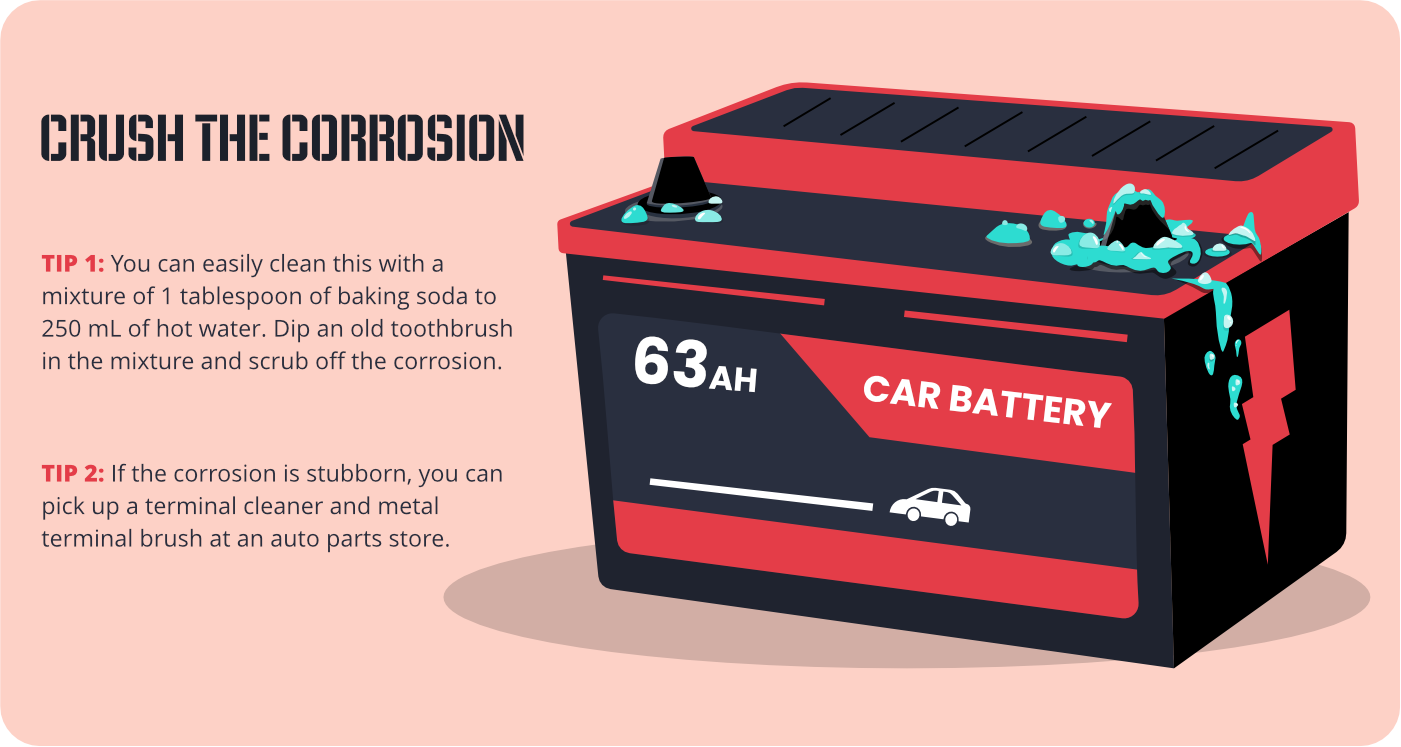
Keep the Terminals Clean: Corrosion—that white, crusty buildup on your battery posts—acts as an insulator and restricts the flow of electricity. A mixture of baking soda and water, applied with a stiff wire brush, is all you need to keep those connections clean and efficient.
Ensure a Tight Mount: Vibrations are the silent killer of internal battery components. Check that your battery is firmly secured in its cradle. If the battery is loose, every bump in the road sends shockwaves through the delicate lead plates inside, accelerating wear.
Test, Don't Guess: As your battery crosses the three-year threshold, make it a habit to have it tested every six months. Many auto parts stores offer this service for free, providing you with a "State of Health" report that tells you exactly how much capacity your battery has left. This allows you to plan your replacement on your terms, rather than on the side of a busy highway at night.
The Hidden Costs of Neglecting Battery Health
Many drivers treat their car battery as a "set it and forget it" component, yet this negligence often leads to a domino effect of vehicle damage. Beyond the immediate inconvenience of being stranded, a dying battery places significant, unnecessary strain on your vehicle's entire electrical infrastructure. When a battery struggles to hold a charge, it forces your alternator to work overtime, often at its maximum output capacity. Over time, this constant overworking can lead to premature alternator failure, turning a simple $200 battery replacement into a $800+ repair bill (Source 4).
- Alternator Stress: The alternator is designed to maintain a charge, not to act as the primary power source for your vehicle's electronics. A failing battery prevents the charging system from cycling correctly, leading to overheating of the alternator's internal components.
- Electronic Glitches: Modern vehicles are rolling computers. Unstable voltage—common in a dying battery—can trigger false "Check Engine" lights, cause infotainment systems to reboot randomly, and lead to erratic sensor readings that confuse your car's engine control unit (ECU).
- Fuel Efficiency Penalties: An alternator working at full load imposes a higher drag on the engine. While marginal, this extra mechanical resistance can lead to a slight, measurable decrease in fuel economy over thousands of miles.
Selecting the Right Battery for Your Lifestyle
When the time comes to replace your unit, don't just grab the cheapest option off the shelf. Your driving habits should dictate the battery chemistry and quality tier you purchase. If you frequently drive in stop-and-go city traffic, you need a battery built for high cycling, whereas a highway commuter might prioritize capacity and cold-cranking performance.
Tiers of Battery Performance
- Tier 1: Premium / Industry Leading: These batteries utilize advanced grid technology and superior active material density. They are ideal for high-drain vehicles with modern power-hungry accessories, often providing the best warranty coverage in the industry (Source 4).
- Tier 2: High Quality: Representing the sweet spot for most vehicle owners, these units offer excellent reliability for daily driving in moderate climates without the steep price tag of premium specialty batteries.
- Tier 3: Good / Mainstream: A solid choice for older vehicles or drivers who put low miles on their cars annually. They provide reliable starting power but may show earlier signs of degradation if subjected to extreme heat or vibration.
- Tier 4: Average / Budget: Generally acceptable for seasonal vehicles or short-term solutions. However, these often have thinner plates and lower-quality electrolytes, making them more susceptible to early failure in harsh environments (Source 4).
The Science of Cold Cranking Amps (CCA)
You’ve likely seen the acronym CCA on a battery label, but do you know what it actually represents? Cold Cranking Amps measure the battery's ability to start an engine in sub-zero temperatures. Specifically, it is the number of amps a 12-volt battery can deliver at 0°F for 30 seconds while maintaining a voltage of at least 7.2 volts.
- Why Higher Isn't Always Better: While it might be tempting to buy the battery with the highest CCA rating possible, verify your vehicle manufacturer’s specifications first. A massive battery in a small engine compartment can sometimes interfere with mounting hardware or create unnecessary weight.
- The Climate Factor: If you live in a region with brutal winters, prioritize the CCA rating. For drivers in desert climates, look for a battery with a high "reserve capacity" (RC) rating, which indicates how long the battery can run the car's electronics if the charging system fails (Source 3).
How Idling Impacts Your Battery Chemistry
A common misconception is that letting your car sit and idle will effectively "top off" your battery. While idling does provide a trickle charge to the battery, it is significantly less efficient than driving at highway speeds. At idle, the alternator is spinning at its lowest RPM, meaning it may not be outputting enough current to overcome the power being consumed by your headlights, climate control, and heated seats.
- The Danger of Short Cycling: If you frequently idle your car to warm it up in the winter, you are effectively "short cycling" the battery. You are drawing power to start the engine, then failing to provide enough time at a high enough RPM for the alternator to fully replenish the energy lost during that start.
- The Better Alternative: If your battery is low, driving the vehicle for 20 to 30 minutes at a steady pace is far more beneficial than sitting in a driveway. The increased engine speed ensures the alternator can deliver the proper voltage to break down those harmful lead-sulfate crystals that form on the battery plates (Source 1).
Jump-Starting: A Temporary Fix, Not a Solution
We have all been there—the engine clicks, the lights fade, and you are reaching for the jumper cables. While jump-starting is a life-saver, it is important to treat it as an emergency measure rather than a standard procedure. Frequent jump-starting can actually be detrimental to your car’s electrical system if not done correctly.
- Surge Protection: Modern vehicles have sensitive electronic control modules. A sudden surge of power from a donor vehicle can, in rare cases, damage these modules. Always ensure your donor vehicle is off before connecting the cables to minimize electrical spikes.
- The "Dead Battery" Paradox: If your battery is completely dead because it has reached the end of its life, jump-starting it might get you to the store, but your alternator will be working at 100% capacity to recharge it. This can lead to the alternator failing shortly after. If you have to jump your car more than once in a week, the battery is definitively finished (Source 4).
- Safety First: Always connect positive to positive and negative to the engine block or a chassis ground (as specified by your owner’s manual). Connecting the negative cable directly to the dead battery’s terminal can create a spark near potentially flammable hydrogen gas venting from the battery.
The Role of Electrical Load in Modern Vehicles
Modern vehicles are vastly different from those of even a decade ago. Today’s cars come equipped with lane-keeping assist, advanced telematics, high-definition displays, and multiple USB charging ports, all of which draw power from the battery even when the engine is off. This phenomenon, known as parasitic drain, is a primary reason why battery replacement intervals have become more critical.
- Advanced Electronics: Even when your car is locked and parked, your security system, keyless entry receiver, and clock are sipping power. In modern vehicles, this background drain is higher than ever. If you plan to leave your car sitting for more than two weeks, you should strongly consider using a battery tender.
- Aftermarket Add-ons: Adding dash cams, premium audio systems, or extra lighting creates a continuous drain that your stock charging system may not have been designed to handle. If you have upgraded your vehicle with these accessories, you should upgrade to an AGM battery, which is better suited for these higher discharge/recharge cycles (Source 6).
Signs of Corrosion and Why It Matters
That dusty, blue-green residue on your battery terminals isn't just an eyesore—it is a significant barrier to performance. Corrosion is caused by the interaction of hydrogen gas (released during the charging process) and the metal of the terminals. This substance, known as lead sulfate, is a poor conductor of electricity, which effectively increases the resistance in your starting circuit.
- The Resistance Problem: High resistance means the starter motor receives less current, even if the battery itself is technically healthy. This forces the starter to labor, eventually shortening the life of the starter motor itself.
- Simple Cleaning Procedure: Once a year, mix a small amount of baking soda with water to neutralize the acidic corrosion. Gently scrub the terminals with a wire brush, rinse with water, and dry completely. Applying a thin coat of terminal protector or petroleum jelly can prevent this buildup from returning for the rest of the year.
The Professional Testing Advantage
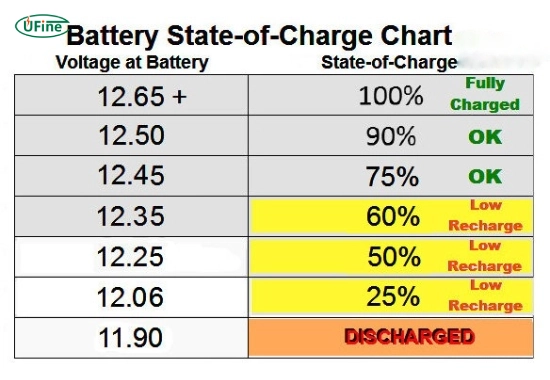
While a basic multimeter can give you a voltage reading, it doesn't tell the whole story. A battery can show 12.6 volts when the engine is off—the "surface charge"—but drop to 8 volts the moment you turn the key. Professional load testing is the only way to accurately determine the State of Health (SoH) of your battery.
- What a Load Test Reveals: A professional shop or auto parts store will use a battery tester that applies an electrical load similar to the starter motor. It then measures how quickly the battery recovers. This provides a much more accurate picture of the battery’s internal resistance and chemical capacity.
- The "Goldilocks" Testing Schedule: By the time your battery hits the three-year mark, have it tested every time you get an oil change. Most reputable mechanics will perform this test for free as part of a multi-point inspection. It is a proactive step that costs you zero dollars but can save you from a missed flight or a missed meeting.
Understanding the Battery Warranty Fine Print
Most automotive batteries come with a warranty, but read the label closely. Manufacturers typically split their warranties into two parts: a free replacement period and a prorated period.
- The Free Replacement Window: This is usually the first 12 to 24 months. If your battery fails during this time, you get a new one for free.
- The Prorated Window: This is the later portion of the warranty. If the battery fails, the manufacturer offers you a discount on a new one, based on how much of the original warranty period remains.
- The "Hidden" Clause: Always keep your purchase receipt. Most retailers will not honor a battery warranty without proof of purchase, and they track the date of sale in their system. If you lose that receipt, you might be denied a replacement, regardless of how well the battery performed.
Environmental Considerations for Battery Disposal
Automotive batteries are one of the most recycled consumer products in the world. They contain lead and sulfuric acid, both of which are hazardous materials. When your battery finally dies, never throw it in the regular trash.
- The Core Charge: When you buy a new battery, you will see a "core charge" added to the price. This is a deposit that is refunded to you when you return your old, dead battery to the store. This system ensures that almost every lead-acid battery is collected and processed through a closed-loop recycling system, where the lead and plastic are repurposed into new batteries.
- Responsible Stewardship: By returning your old battery to a certified retailer, you are not only getting your deposit back but also ensuring that heavy metals are kept out of local landfills and water tables.
Predicting the Future: Battery Technology Trends
Looking ahead, battery technology is rapidly evolving to meet the demands of our increasingly electronic-dependent vehicles. We are already seeing a shift toward lithium-ion 12V batteries as a direct replacement for lead-acid in high-performance and luxury vehicles.
- The Benefits of New Tech: These batteries are significantly lighter, charge much faster, and can withstand thousands of discharge cycles, compared to the hundreds possible with traditional lead-acid technology.
- The Adoption Curve: While the initial cost of these units is higher, the "cost per year" is significantly lower because of their extreme longevity. As vehicle platforms evolve to support these chemistries, we can expect the average lifespan of the "under the hood" battery to move from the current 3-5 year standard to 8-10 years by the end of the decade (Source 6).
How to Recognize a "Sulfated" Battery
If you have ever had a battery that just wouldn't hold a charge, regardless of how long you drove, you likely encountered sulfation. This occurs when a battery is left in a partially or fully discharged state for an extended period.
- The Chemistry of Failure: When the battery is discharged, the lead plates react with the electrolyte to create lead sulfate crystals. If the battery is immediately recharged, these crystals dissolve. If the battery sits discharged, these crystals harden and become permanent, effectively "insulating" the plates and reducing the active surface area available for electrical storage.
- Can You Fix It? Many "smart" chargers claim to have a desulfation mode. While these pulses can occasionally break up light sulfation, they are rarely successful in restoring a heavily neglected, aged battery. Prevention—by keeping your battery fully charged—is the only reliable way to fight this chemical process.
The Impact of Vehicle Storage
If you have a classic car or a vehicle you only drive seasonally, your battery is at extreme risk. Vehicles are not designed to sit for months at a time. The natural self-discharge rate of a lead-acid battery, combined with the aforementioned parasitic draw of the vehicle, means a stored car battery can be dead in as little as 30 days.
- The Importance of a Tender: If you aren't going to drive the vehicle for more than two weeks, plug it into a maintenance charger (or battery tender). This device monitors the voltage and provides a very low-amperage charge that keeps the battery at 100% without the risk of overcharging or boiling the electrolyte.
- Disconnecting the Battery: If a power outlet isn't available, disconnecting the negative terminal will prevent the parasitic drain from the car’s electronics. However, keep in mind that some modern cars may lose learned idle data or radio presets if power is completely severed, and some security systems may trigger an alarm.
Recognizing the Difference Between a Starter and Deep Cycle
Confusion often arises when choosing between different battery types. A starting battery is designed to provide a massive burst of energy for a few seconds to crank the engine, then immediately be recharged by the alternator. A deep cycle battery (often found in marine, RV, or solar applications) is designed to provide a steady, lower level of power over a longer period.
- The Risks of Misuse: If you install a deep-cycle battery in your car, it may not have the necessary cold-cranking amps to turn the engine over in the winter. Conversely, if you use a starting battery for deep-cycle applications (like powering a trolling motor or a large camping inverter), you will destroy the battery in a matter of weeks, as the thin plates will buckle under the continuous stress.
Analyzing the 2026 Replacement Market
As we navigate 2026, the marketplace for car batteries has become more transparent, but also more complex. With the rise of online automotive retailers, you can easily compare CCA, reserve capacity, and warranty periods across dozens of brands from your smartphone.
- Data-Driven Decisions: Use the user reviews of major retailers as a pulse-check for specific models in your region. If you notice dozens of users in your local climate reporting that a specific battery model fails at the 2-year mark, look elsewhere.
- The Value of Local Support: While buying online can save you a few dollars, buying from a local shop provides you with a physical location to return to if you encounter a warranty issue. The ability to walk into a store with a failed unit and walk out with a replacement in 15 minutes is a convenience that justifies the minor price difference for many drivers.
Temperature-Related Failure Mechanisms
We often focus on the cold as the enemy, but heat is far more damaging to the long-term integrity of the battery case and internals. At temperatures above 90°F, the chemical reaction inside the battery occurs too quickly, which can lead to gassing and internal dehydration of the electrolyte.
- The "Swollen" Case: If you notice your battery looks like a rounded box rather than a sharp-edged brick, the internal heat has likely caused the plates to warp and the electrolyte to vaporize. This is a ticking time bomb. The case is now brittle and could potentially rupture, spraying sulfuric acid into your engine bay. Never attempt to "recharge" or continue using a swollen battery.
- Proactive Shielding: Some vehicle manufacturers include a thermal blanket around the battery. If your car came with this, never remove it. It is there to protect the battery from the radiant heat of the engine and keep it within its optimal operating temperature range.
The Connection Between Driving Habits and Alternator Health
Your charging system is an integrated loop. When you prioritize battery maintenance, you are inherently protecting your alternator. An alternator typically survives the life of two or three batteries. If you are replacing your alternator every time you replace your battery, there is a good chance you are ignoring the wiring or the electrical load issues that are killing both components prematurely.
- Wiring Integrity: Check your battery cables for frayed insulation or significant corrosion that has traveled up the wire under the sheathing. High-resistance cables will make even a brand-new, top-tier battery struggle to perform, leading to unnecessary heat and shortened component life.
- Ground Connections: A weak chassis ground is a silent killer. Ensure the negative cable connection to the engine block or frame is clean, tight, and free of rust. A "bad ground" can cause intermittent electrical gremlins that make it feel like your battery is failing when the issue is actually the electrical path itself.
How to Properly Use a Battery Charger
If you have decided to take control of your battery health, investing in a high-quality, microprocessor-controlled battery charger is a smart move. Modern smart chargers are a far cry from the "dumb" chargers of the past that could easily boil your battery dry.
- Select the Mode: Ensure your charger is set to the correct chemistry (e.g., Flooded vs. AGM). Charging an AGM battery with a flooded-lead-acid setting can lead to undercharging or overcharging, both of which will shorten its life.
- Monitor the Process: A smart charger will cycle through stages—analysis, bulk charge, absorption, and float. Let it complete these cycles. If the charger indicates a "Battery Fault" or "Bad Battery" after a full cycle, it is time for a replacement.
- Safety First: Always use these chargers in a well-ventilated area. Even with modern electronics, hydrogen gas buildup is a reality during the charging process. Avoid smoking, open flames, or sparks in the immediate vicinity of the charging unit.
The Impact of Vehicle Modifications
Many drivers love to customize their vehicles, but these modifications can have unintended consequences for the battery. If you are installing an aftermarket amplifier, heavy-duty lighting, or a power-hungry winch, you are increasing the base load on your electrical system.
- The Capacity Upgrade: If you have added significant electrical accessories, consider upgrading to a battery with higher reserve capacity or even a dual-battery setup. If you continue to run a stock-spec battery with significant aftermarket loads, you will constantly be in a state of partial discharge, leading to the rapid sulfate buildup we discussed earlier.
- The "Big Three" Upgrade: For audio enthusiasts or off-roaders, the "Big Three" upgrade—upgrading the alternator-to-battery wire, the engine block ground, and the chassis ground—is a highly recommended step to ensure the electrical system can handle the increased demand.
When to Seek Professional Assistance
While there are many DIY steps to maintain your battery, there are times when you should leave it to the pros. If you notice burning smells, constant flickering of dashboard lights, or if your battery case shows signs of leaking, you need a professional mechanic to evaluate the vehicle's entire charging and starting system.
- Systemic Diagnostics: A professional can use a diagnostic scanner to check for "parasitic draw" in the system, identifying which circuit might be pulling power even when the vehicle is off. This is far more precise than disconnecting the battery and hoping for the best.
- Safety Assurance: Remember that lead-acid batteries contain sulfuric acid. If you are not comfortable handling these materials, or if you aren't sure how to safely jump or replace a battery in your specific model of car, don't risk it. The cost of a professional shop visit is minimal compared to the potential for chemical burns or electrical shorts that could disable your vehicle permanently.
Preparing for Long-Term Vehicle Storage
For those who own a secondary vehicle or need to leave their primary car behind, proactive storage is the only way to ensure the battery is waiting for you when you return.
- The 30-Day Rule: If you are leaving your car for more than 30 days, you must take action. Either use a maintainer/tender, disconnect the negative battery cable, or arrange for someone to start the car and drive it for at least 30 minutes once a month.
- The "Memory" Issue: In many modern cars, if you disconnect the battery, the car will lose "learned" idle parameters, which can lead to a rough idle or stalling for the first few miles of driving after you reconnect it. If you use a maintenance charger, you avoid this issue entirely, as the car's computer remains powered.
The Evolution of Battery Manufacturing Standards
The automotive battery industry is more competitive than ever, with major manufacturers investing heavily in plate-mesh technology and separator materials. These advancements mean that even lower-tier batteries today perform better than mid-range batteries from 15 years ago. However, this does not mean the laws of chemistry have changed; the physical and environmental demands on the battery remain the same.
- The Reliability Trend: We are seeing a move toward more robust, vibration-resistant designs as vehicle suspension systems become stiffer and wheel diameters grow, leading to more road shock being transmitted to the engine bay.
- A Final Thought on Quality: When shopping, look for brands that offer longer "free replacement" periods rather than just long "prorated" warranties. A brand that guarantees their product for 3 years of free replacement is signaling that they have absolute confidence in their manufacturing process and the longevity of their battery under normal conditions.
Finalizing Your Maintenance Routine
Developing a simple, once-a-year maintenance routine is the best way to ensure you never face the frustration of a dead battery. Create a calendar reminder for yourself, perhaps linked to your annual vehicle inspection or registration renewal, to perform these simple checks.
- Annual Checklist:
- Inspect the battery case for any signs of bloating, leaking, or cracks.
- Check the battery terminals for signs of corrosion and clean as needed.
- Verify the battery hold-down clamp is tight; ensure the battery cannot move within its cradle.
- Have a professional perform a quick "load test" to assess the current health of the internal plates.
- Check your records—if the battery is over four years old, start budgeting for a replacement soon.
By staying proactive rather than reactive, you turn a potential roadside disaster into a simple, scheduled service event that you control. Your battery is the heartbeat of your vehicle; treat it with the care it deserves, and it will reward you with reliable service for years to come.
References
-
Thebatterytips — Car Battery Life: How Long Do They Last? Tips and Warning Signs to Know, 2026
-
Autozone — How Long do Car Batteries Last? A Car Battery Life Guide, 2026
-
Aaa — How Long Do Car Batteries Last | AAA Automotive, 2026
-
Onlymechanic — How Long Do Car Batteries Last ? (Complete Guide 2026), 2026
-
Cartreatments — Average Lifespan of Car Batteries (You May Be Surprised), 2026
-
Recharged — Car Battery Life Chart: How Long Do Batteries Last? | Recharged, 2026
-
Batteriesplus — How long do car batteries last? | Batteries Plus, 2026
-
Interstatebatteries — How Long Do Car Batteries Usually Last? – Interstate Batteries, 2026