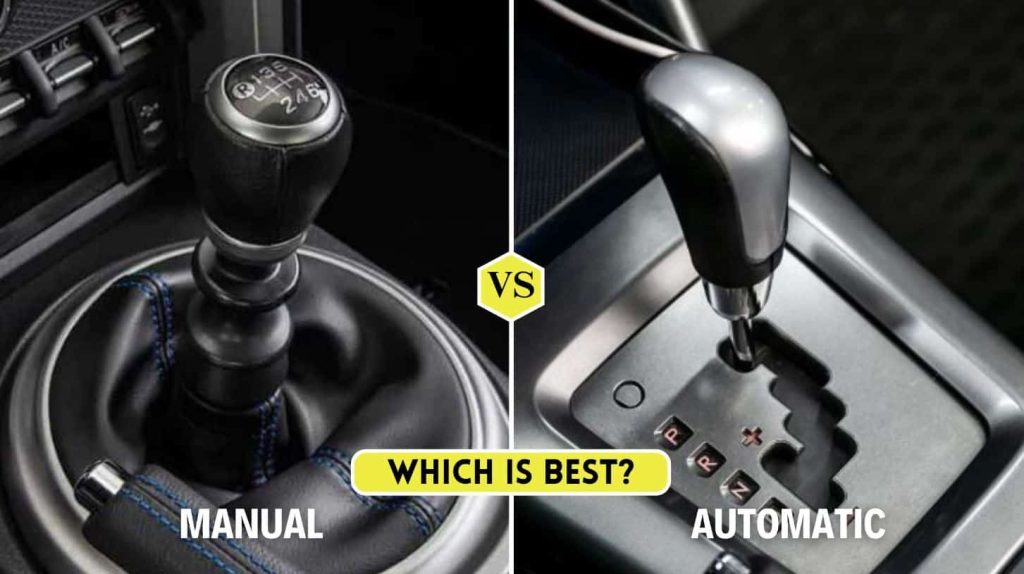
Choosing between a manual and automatic transmission is one of the most significant decisions you will make when purchasing a vehicle in 2026. Understanding the Manual Vs Automatic Transmission Pros Cons is crucial for your long-term satisfaction, whether you are a driving enthusiast craving total control or a daily commuter seeking stress-free travel.
The transmission—or gearbox—serves as the heart of your vehicle's performance. Its primary role is to transfer power from the engine to the wheels, utilizing various gear ratios to ensure your car operates efficiently at any speed. As automotive technology continues to evolve, the gap between manual and automatic systems has shifted, making this Manual Vs Automatic Transmission Pros Cons comparison more relevant than ever.
![Manual vs Automatic Transmission: Pros & Cons [with PDF]](https://automobilesat.com/wp-content/uploads/2026/05/Manual-vs-Automatic-Transmission.jpg)
Understanding the Mechanics: How Your Transmission Works
At its core, a transmission is a complex metal container housing a series of gears. To move from a standstill, your car requires a lower gear ratio to provide maximum force. As your speed increases, the transmission shifts to a higher gear ratio, allowing the engine to maintain lower RPMs while achieving greater velocity.
The Manual Transmission Experience
In a manual transmission, the driver maintains absolute control over the gear selection process. You operate the vehicle using a stick shift located on the center console and a clutch pedal positioned to the left of the brake.
To shift gears, you must:
- Depress the clutch pedal to disengage the connection between the engine and the transmission.
- Manually move the gear stick into your desired gear.
- Release the clutch pedal to reengage the power.
Mastery of this process takes practice. If you release the clutch too quickly, the engine will stall; if you are too slow, you risk premature wear on the clutch components.
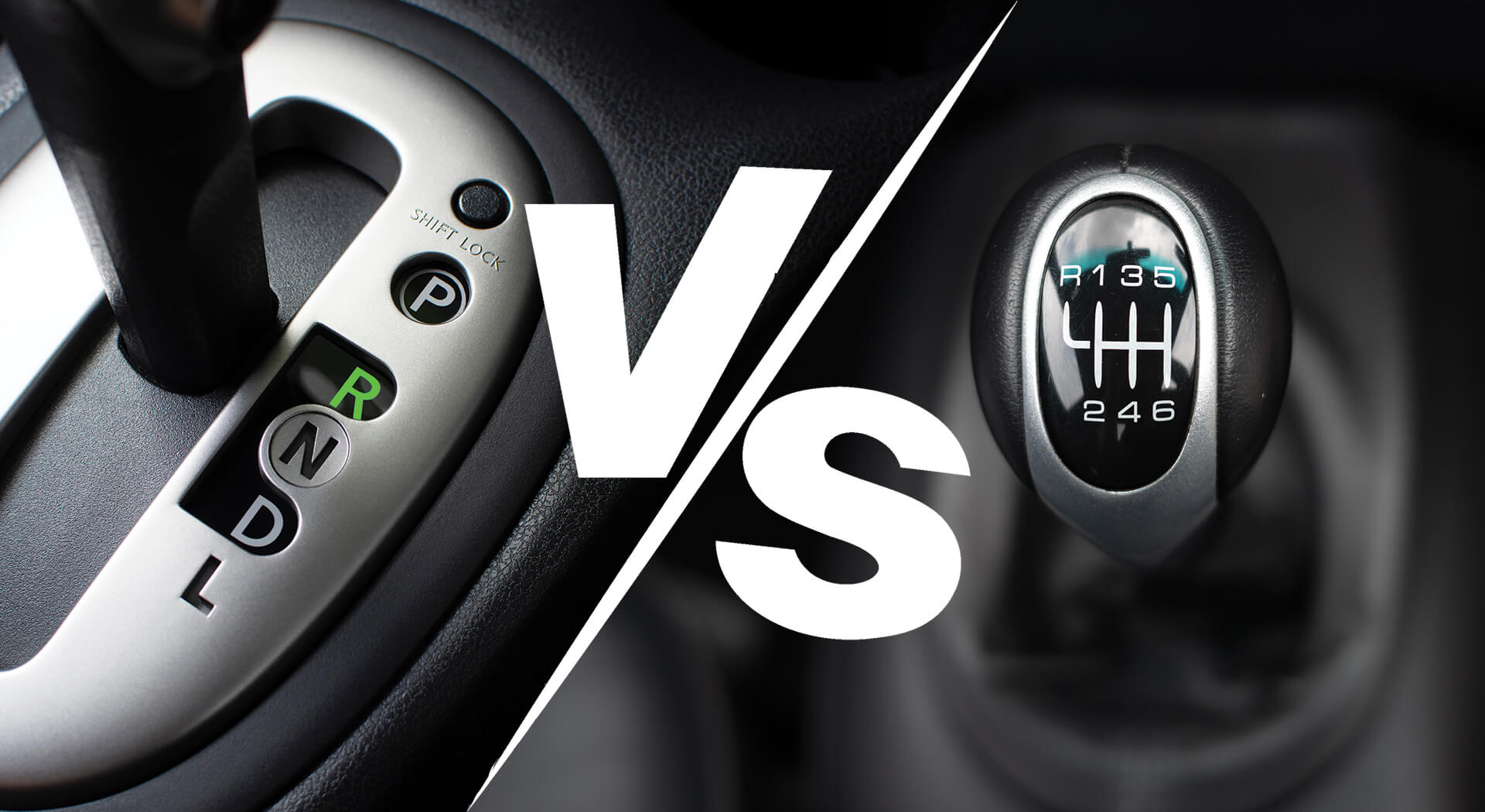
The Rise of Automatic Transmissions in 2026
The automotive landscape has shifted dramatically, with automatic transmissions becoming the preferred choice for the majority of modern drivers. In an automatic vehicle, the gearbox handles gear selection for you, utilizing advanced hydraulics or electronic control units to determine the optimal moment to shift based on speed, throttle input, and load.
Why Drivers Are Choosing Automatic
For the average commuter, the primary appeal is convenience. By eliminating the need for a clutch pedal and constant gear shifting, automatic transmissions reduce driver fatigue, particularly in heavy urban traffic. Modern automatic gearboxes are also remarkably sophisticated, often providing smoother transitions and better performance than even the most skilled manual driver could achieve manually.
Weighing the Pros and Cons: A Detailed Comparison
When analyzing Manual Vs Automatic Transmission Pros Cons, it is essential to look at the factors that affect your daily life: fuel efficiency, reliability, cost of ownership, and driving pleasure.
Pros of Manual Transmission
- Total Engagement: Manual gearboxes offer an unparalleled connection between the driver and the road, making them the gold standard for car enthusiasts.
- Simplicity and Reliability: Because they have fewer complex internal parts compared to some automatic systems, manual transmissions can be cheaper to maintain and repair in many instances.
- Lower Initial Cost: Generally, manual-equipped vehicles often come with a lower starting price tag, making them an excellent choice for budget-conscious buyers or first-time car owners.
Cons of Manual Transmission
- Learning Curve: The need to coordinate the clutch, gas, and gear lever can be daunting for beginners.
- Urban Driving Fatigue: In stop-and-go traffic, the constant clutching and shifting can become physically tiring and cumbersome.
- Risk of Wear: Incorrect clutch usage, such as "riding the clutch" or stalling, can lead to costly repairs over the life of the vehicle.
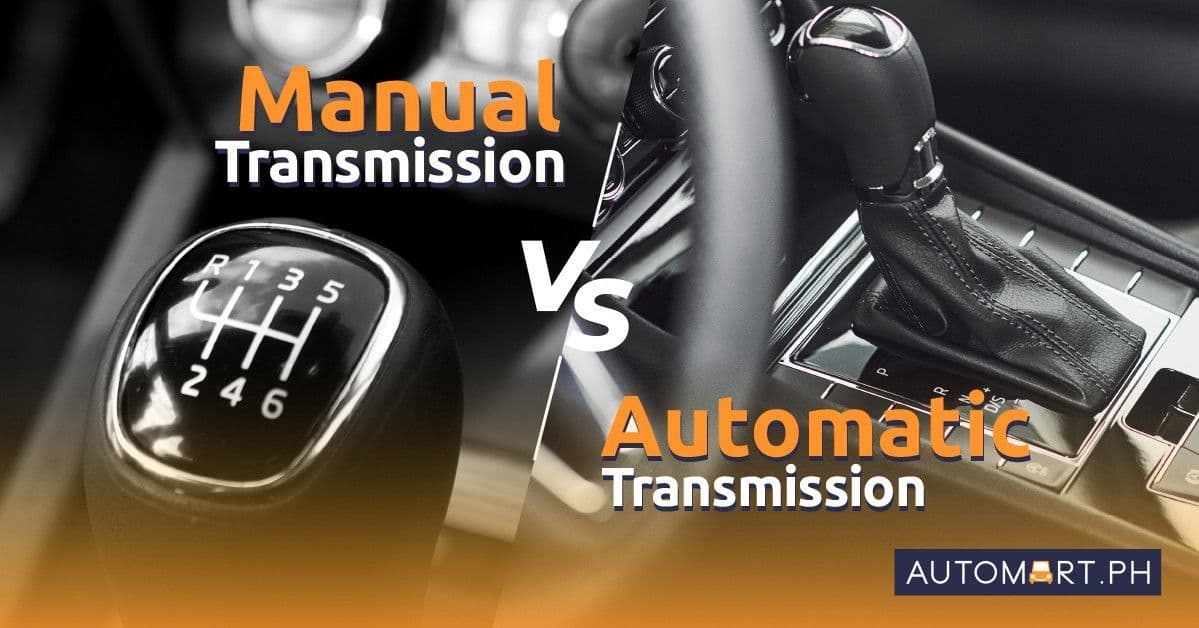
Key Factors for Your 2026 Buying Decision
Deciding which transmission is right for you involves an honest assessment of your driving style and the environment in which you primarily drive, taking into account the Manual Vs Automatic Transmission Pros Cons.
Your Driving Environment
If your daily commute consists of crawling through city traffic, an automatic transmission is likely the superior choice. The ease of use provided by an automatic allows you to focus on the road without the repetitive physical task of shifting gears. Conversely, if you live in an area with open, winding roads, a manual transmission can turn a mundane drive into an exciting experience.
Long-Term Cost of Ownership
While manual cars often have lower entry prices, it is important to consider the long-term costs. Maintenance on an automatic transmission is typically less frequent, but it can be more expensive if a major failure occurs. Manual transmission repairs often center on the clutch disc and pressure plate, which are considered "wear items" and will eventually require replacement regardless of your driving skill.
Performance and Efficiency
In the past, manuals were known for better fuel economy, but technological advancements have seen automatic transmissions bridge that gap. Many modern automatics are now more efficient than their manual counterparts due to intelligent computer-controlled shift patterns. However, for those who value performance, the ability to control exactly when the engine reaches its power band remains a primary reason to stick with a manual.
Advanced Transmission Technologies: Beyond the Traditional Gearbox
As we navigate the automotive landscape of 2026, the binary choice between "manual" and "automatic" has expanded. Modern engineering has introduced sophisticated variants that blur the lines between driver engagement and convenience. Understanding the broader Manual Vs Automatic Transmission Pros Cons, including these specialized systems, is vital for making a truly informed investment Source 6.
Automated Manual Transmissions (AMT)
An Automated Manual Transmission is essentially a manual gearbox that utilizes electronic sensors and actuators to manage the clutch and gear shifts for you. It offers the mechanical efficiency of a manual design but removes the need for a clutch pedal.
- The Benefit: You get the fuel economy advantages of a manual transmission without the physical effort of manual gear changes.
- The Trade-off: Shifts can sometimes feel "jerky" or less refined compared to traditional torque-converter automatics, which is a common complaint among drivers seeking a luxury feel Source 10.
Dual-Clutch Transmissions (DCT)
The Dual-Clutch Transmission is the gold standard for performance enthusiasts who want the speed of an automatic with the mechanical directness of a manual. It uses two separate clutches—one for odd-numbered gears and one for even-numbered gears.
- Lightning-Fast Shifts: Because the next gear is already "pre-selected" while you are driving in the current one, the transition happens in mere milliseconds.
- Performance Precision: Used heavily in sports cars, this technology provides an aggressive, race-inspired driving experience that feels far superior to standard automatic gearboxes Source 9.
Continuously Variable Transmissions (CVT)
Unlike traditional gearboxes that rely on fixed gear ratios, the CVT utilizes a pulley and belt system to provide an infinite range of ratios.
- Unmatched Efficiency: Because the engine can stay at its optimal RPM range regardless of vehicle speed, CVTs are often the most fuel-efficient choice for daily commuters Source 4.
- The "Rubber Band" Effect: Some drivers dislike the feeling of the engine RPM rising steadily without a distinct gear-shift sensation, which can feel disconnected for those used to the mechanical "thump" of a traditional manual or automatic Source 7.
The Psychology of Transmission Selection: Are You a Driver or a Commuter?
Your choice of transmission often reflects your personality behind the wheel, highlighting the psychological aspects of the Manual Vs Automatic Transmission Pros Cons. The decision is not merely technical; it is an emotional and lifestyle-driven commitment.
The Enthusiast’s Connection: Why Manuals Still Win
There is an undeniable visceral bond between a driver and a manual car. When you are in complete control of the power band, you aren't just moving from Point A to Point B—you are orchestrating the machine. This level of focus forces you to remain vigilant, active, and present. According to Source 3, many drivers feel that a manual transmission makes them "better" drivers because it requires an intuitive understanding of the engine’s health and the car’s momentum.
The Pragmatic Commuter: Why Automatics Command the Road
For the modern urban professional, the car is an extension of the office or a sanctuary for relaxation. The automatic transmission serves this purpose by removing the burden of mechanical operation. When you are navigating high-density traffic or managing a busy schedule, the last thing you want is the physical tax of constant shifting. Source 8 highlights that the vast majority of new car buyers prioritize the "ease of use" that comes with letting a computer manage gear ratios.
Reliability and Long-Term Maintenance: The Hidden Costs
When you purchase a vehicle, the sticker price is only the beginning. The total cost of ownership is heavily influenced by how your transmission is built and how you treat it, a critical part of understanding the Manual Vs Automatic Transmission Pros Cons.
Manual Maintenance Realities
Manual transmissions are celebrated for their mechanical simplicity. However, they rely heavily on the human factor.
- Clutch Replacement: Even the best drivers will eventually wear out a clutch. Depending on the vehicle and your driving habits, this can be a mid-life maintenance cost that automatic owners don't face Source 13.
- Fluid Requirements: While manual gear oil lasts a long time, the gearbox itself is susceptible to heat and friction if the driver frequently "shifts hard" or grinds gears.
Automatic Maintenance Realities
Automatic transmissions are internal masterpieces of hydraulic fluid, cooling systems, and complex solenoids.
- Complexity is Expensive: If an automatic transmission fails, the cost to repair it often dwarfs that of a manual repair. Because they are sealed, complex units, mechanics often recommend full replacements rather than component repairs Source 5.
- Preventative Care: Regular fluid flushes are non-negotiable for an automatic. Ignoring this maintenance is the number one cause of premature transmission failure in modern vehicles.
Fuel Efficiency: The Ongoing Debate
In the early 2000s, manual transmissions were objectively more fuel-efficient. Today, that narrative has been turned on its head, adding another layer to the Manual Vs Automatic Transmission Pros Cons debate.
The Shift in Engineering
Advancements in gear ratios, aerodynamics, and electronic shift points mean that modern automatic transmissions can often extract more miles per gallon than a human ever could. Computers don’t get distracted; they don’t shift late; and they don’t "ride the clutch." Source 11 notes that in 2026, the highest fuel-efficiency ratings are almost exclusively found in automatic or CVT-equipped models.
Maximizing Manual Efficiency
If you are determined to squeeze every drop of range out of your fuel tank, a manual transmission can be more efficient, provided you employ "hypermiling" techniques like engine braking and keeping RPMs low. However, this requires a level of discipline that few drivers maintain consistently. For 99% of drivers, the computer-managed efficiency of an automatic is superior to manual operation.
Safety and Driver Assistance: The Hidden Impact
Modern vehicles are equipped with advanced safety systems that often depend on the transmission type to function effectively, influencing the safety aspect of Manual Vs Automatic Transmission Pros Cons.
Adaptive Cruise Control and Emergency Braking
Many modern Automatic Emergency Braking (AEB) systems and Adaptive Cruise Control (ACC) features are calibrated specifically for automatic transmissions.
- Seamless Integration: An automatic car can bring itself to a complete stop and restart in traffic without any driver input.
- The Manual Gap: A manual vehicle can also have these features, but the system will often be limited because the car cannot change its own gears to accommodate a full stop or a rapid start, often requiring the driver to disengage the cruise control manually Source 12.
Learning the Art of Control: A Safety Argument for Manuals
Proponents of manual transmissions argue that learning to drive stick makes you a more aware and safer driver. Because you must constantly listen to the engine and feel the vibration of the car, you are inherently more "in tune" with the vehicle's state. This heightened awareness can help you anticipate mechanical issues or road hazards faster than a driver who has "zoned out" in a highly automated vehicle Source 2.
Used-Car Considerations: What to Look For Before You Buy
When shopping in the pre-owned market, your transmission choice becomes even more critical because you are inheriting someone else’s driving habits, making the Manual Vs Automatic Transmission Pros Cons even more relevant.
Tips for Testing a Manual Transmission
- Check the Bite Point: If the clutch pedal feels like it’s grabbing way at the top, the clutch is likely nearing the end of its life.
- Listen for Grinding: Shifts should be buttery smooth. If you hear a grinding noise during gear changes, the synchronizers may be worn, which is a major red flag Source 4.
- Check for Slippage: Accelerate hard in a higher gear. If the engine RPMs spike but the car speed doesn't increase proportionally, the clutch is slipping.
Tips for Testing an Automatic Transmission
- The "Neutral-to-Drive" Test: When shifting from Neutral to Drive, the car should engage the gear almost instantly. A long delay suggests internal hydraulic wear.
- Watch for "Flare": When the transmission shifts up during acceleration, the RPMs should not spike up briefly before settling. Any "flare" during a shift indicates a failing transmission.
- Fluid Check: Always check the color and smell of the transmission fluid. Burnt, dark fluid is an indicator of neglect and potential long-term damage Source 10.
Future-Proofing: How Technology Will Shape Your Choice
The automotive world is moving toward electrification, and this shift is fundamentally changing the Manual Vs Automatic Transmission Pros Cons debate.
The Decline of the Multi-Speed Gearbox
In Electric Vehicles (EVs), the traditional transmission is largely becoming obsolete. Most EVs use a single-speed transmission because electric motors produce maximum torque instantly, eliminating the need for a complex array of gears.
Why This Matters for Your 2026 Choice
As we move toward a future of electric propulsion, the "Manual vs. Automatic" debate will eventually become a niche interest for enthusiasts. If you are buying a gas-powered car today, choosing a manual is becoming a way to preserve a dying art form. If you choose an automatic, you are essentially aligning your driving habits with the future of the industry, where vehicle-managed power delivery is the global standard.
Regional Trends: Where You Live Dictates What You Drive
The transmission you choose is often dictated by your geography, as infrastructure and culture play a massive role in availability, further shaping the Manual Vs Automatic Transmission Pros Cons discussion.
High-Traffic Urban Centers
In cities with dense congestion, such as those across Europe or Asia, automatic transmissions have surged in popularity over the last decade. The sheer exhaustion of stop-and-go driving has made the convenience of an automatic an essential feature of city life.
Rural and Open-Road Markets
In areas with long, open stretches of road and lower traffic density, the manual transmission retains a strong foothold. In these environments, the lack of traffic makes the manual gearbox a joy to operate rather than a chore, and the simplicity of the design is prized for rural repairs where specialized electronic tools may be scarce Source 14.
Assessing Your Personal "Gearbox Personality"
To make the final decision regarding Manual Vs Automatic Transmission Pros Cons, you must look past the specs and look at your own lifestyle requirements. Use this checklist to determine your path:
- Do you enjoy the process of driving? If yes, a manual or a performance-oriented DCT might be your ideal.
- Is your primary goal to arrive at work with the least amount of stress possible? If yes, a smooth automatic or CVT is your best friend.
- Is your budget tight? A reliable, used manual transmission vehicle often offers the best "bang for your buck" due to the lower initial purchase price and simple repair needs.
- Are you teaching a new driver? An automatic is generally considered the safest way to learn the rules of the road without being distracted by the coordination required for manual shifting.
Choosing your transmission is the single most defining factor in the "character" of your car. By weighing these factors—performance, reliability, cost, and your own personal driving style—and understanding the Manual Vs Automatic Transmission Pros Cons, you will be well-equipped to select the perfect gearbox that will serve you faithfully for years to come.
Impact of Transmission Type on Vehicle Resale Value
The decision you make today regarding your transmission will echo in your wallet years down the line. When it comes time to sell or trade in your vehicle, the gearbox type acts as a significant market variable that can dictate how quickly and for how much your car sells, a key aspect of the Manual Vs Automatic Transmission Pros Cons Source 4.
The Depreciation Factor of Automatics
Automatic transmissions have become the market default, which is a double-edged sword.
- Broad Appeal: Because the vast majority of licensed drivers in 2026 are either unable or unwilling to drive a manual, an automatic vehicle has a much larger pool of potential buyers. This high demand helps keep resale values stable.
- Technological Obsolescence: However, because automatic technology evolves rapidly, an older automatic can sometimes suffer from a perception of being "outdated." If a prospective buyer fears the high cost of repairing an older, complex automatic unit, they may leverage that as a bargaining chip to lower your price Source 10.
The Niche Premium of Manuals
Manuals occupy a unique space in the used-car market.
- The Enthusiast’s Premium: For specific vehicle models—particularly sports cars and enthusiast-grade sedans—a manual transmission often commands a higher resale price. There is a diminishing supply of manual options, which creates a "collector’s" appeal that can actually mitigate depreciation Source 3.
- The "Beginner Car" Market: At the entry-level price point, reliable manual hatchbacks remain highly sought after by young drivers looking for low-cost, repairable transportation. If your manual car is in good mechanical condition, it will likely never struggle to find a buyer.
The Role of Driver Assistance Systems (ADAS) and Autonomy
As we move closer to a future defined by semi-autonomous driving, the transmission acts as the connective tissue between the car’s brain and its movement. The integration of ADAS has made the manual transmission an increasingly rare outlier in the modern automotive stack, further influencing the Manual Vs Automatic Transmission Pros Cons.
Why Automation Needs an Automatic
Advanced systems like Traffic Jam Assist, which handles steering, acceleration, and braking in heavy congestion, rely on the car’s ability to manipulate its own torque delivery without human intervention.
- Predictive Gear Management: A modern automatic system uses data from cameras and radar to predict when a downshift is necessary for a turn or an incline, far faster than a human can react.
- Collision Avoidance: During an emergency braking event, the transmission must instantly decouple or downshift to prevent stalling and allow the ABS (Anti-lock Braking System) to function optimally. While this is possible in manual cars, it places a higher cognitive load on the driver, who must simultaneously manage the clutch and the brake in a high-stress, split-second scenario Source 8.
The "Manual" Override in Autonomous Tech
Some high-end performance vehicles attempt to bridge this divide by offering "paddle shifters" on automatic gearboxes. This gives the driver the illusion of manual control, allowing them to flip through gears with their fingertips without ever taking their hands off the wheel.
- The Best of Both Worlds? For many, this represents the ideal 2026 compromise. You get the convenience of a lightning-fast computer-controlled shift during a morning commute, but you retain the ability to hold a gear through a corner on a weekend drive Source 9.
Environmental Considerations and Emissions
The environmental impact of your transmission choice is a nuanced topic that goes beyond simple fuel economy numbers, adding another dimension to the Manual Vs Automatic Transmission Pros Cons.
The Efficiency Gap
While we have established that modern automatics are often more fuel-efficient, we must also consider the manufacturing footprint of these components.
- Material Intensity: An automatic transmission is significantly more complex, involving more exotic metals, hydraulic fluids, and electronic components than a standard manual. The mining and manufacturing process for these sophisticated units carries a higher environmental cost upfront Source 7.
- Long-Term Impact: However, the superior shift points of an automatic ensure the engine runs at peak efficiency for more of its life, potentially lowering tailpipe emissions over a decade of use.
The Human Element in Emissions
A manual transmission is only as "green" as its driver.
- Sub-optimal Shifting: A driver who consistently shifts at the wrong RPM—either too early (lugging the engine) or too late (burning unnecessary fuel)—will inevitably produce higher CO2 emissions than an automatic that is programmed to optimize for fuel economy at every micro-second Source 13.
- Driving Habits: If your goal is to reduce your carbon footprint, you must be honest about your skill level. If you are not a master of efficient gear shifting, an automatic will almost always be the cleaner choice for the planet.
Performance Tuning and Aftermarket Modifications
For the performance enthusiast, the transmission is often the first place to look for power delivery upgrades. Your choice here determines what you can—and cannot—do to the vehicle later, which is a significant part of the Manual Vs Automatic Transmission Pros Cons for tuners.
The Limits of Stock Automatics
While modern dual-clutch systems are impressive, they are often "locked" by the manufacturer's software.
- Torque Limits: Most automatic transmissions are electronically capped. If you add a turbocharger or tune your engine for more horsepower, you may quickly reach the mechanical limit of the transmission, leading to expensive failures.
- Software Restrictions: Changing the shift logic of an automatic often requires expensive, proprietary diagnostic software that is not accessible to the average home mechanic Source 11.
The Flexibility of Manuals
Manual transmissions are essentially "plug and play."
- Clutch Upgrades: If you increase your engine's power, you can simply install a performance-rated clutch to handle the extra torque. The gearbox itself is robust and doesn't rely on complex sensors to manage power transfer.
- Mechanical Customization: You can easily swap in a short-throw shifter, change your final drive ratio with aftermarket gear sets, or install a limited-slip differential to transform the car's handling. For those who view their car as a project, the manual transmission remains the only platform that offers true, unrestricted mechanical freedom Source 6.
Noise, Vibration, and Harshness (NVH)
The "feel" of a car is heavily influenced by how the transmission interacts with the engine. This is known as NVH, and it is a major factor in luxury and long-distance touring vehicles, impacting the Manual Vs Automatic Transmission Pros Cons from a comfort perspective.
The Refinement of Automatics
Automatic transmissions are designed to isolate the driver from the mechanical chaos of the engine.
- Smooth Transitions: By utilizing torque converters, these gearboxes absorb the shock of gear changes. You feel a seamless, uninterrupted surge of power, which contributes to a premium, quiet, and vibration-free cabin environment.
- Sound Insulation: Manufacturers often tune the shift patterns to keep the engine RPMs low, which reduces the intrusive "drone" or engine roar that can become fatiguing on long highway drives Source 5.
The Tactile Feedback of Manuals
Manual gearboxes are intentionally less isolated.
- Mechanical Feedback: Many enthusiasts enjoy the slight vibration through the gear stick—it provides a tactile confirmation that the mechanical connection is solid.
- The "Clunky" Risk: If a manual transmission is poorly designed or worn, the gear changes can be loud, "notchy," or physically jarring. If you value a serene, library-quiet cabin, the manual transmission will likely be a source of constant frustration, as it demands your involvement in the mechanical noise of the vehicle Source 12.
Seasonal Driving and Adverse Conditions
How your car handles mud, snow, and ice is often dictated by how well you can modulate power delivery to the wheels, a key aspect of the Manual Vs Automatic Transmission Pros Cons in adverse conditions.
Manual Control on Low-Traction Surfaces
In deep snow or on ice, a manual transmission gives the driver a degree of "torque control" that can be invaluable.
- Starting in Second Gear: If you are stuck in snow, a manual driver can start in second gear to reduce torque to the wheels and prevent spinning. While many automatics now have a "Snow Mode" that mimics this, a skilled driver with a manual gearbox can often feel the grip level through the clutch pedal and adjust accordingly.
- Engine Braking: Downshifting to slow the car down on a slippery descent is often more intuitive in a manual. You don't have to wait for the car's computer to decide if it's safe to drop a gear—you simply do it, allowing you to control your speed without overusing the brakes and risking a skid Source 7.
Automatic Intelligence in Winter
Modern electronic stability control (ESC) works in tandem with the automatic transmission to manage power delivery to each individual wheel.
- Seamless Intervention: In an automatic, the computer can cut engine power and change gears faster than a human could ever react, preventing a slide before the driver even perceives it.
- Safety Priority: For most drivers, the automatic's ability to keep the car stable through electronic intervention far outweighs the "feel" offered by a manual in snowy conditions. The risk of human error—such as shifting at the wrong time on a patch of ice—is entirely eliminated Source 14.
The Social and Cultural Aspect of Transmission Choice
It is impossible to ignore that the transmission debate, and the Manual Vs Automatic Transmission Pros Cons, is deeply embedded in car culture and social identity.
The "Purist" Identity
In the global car community, the manual transmission is viewed as a badge of honor. It signals that you are someone who enjoys the "work" of driving.
- The Shared Language: Between enthusiasts, the specific feel of a gear throw or the "bite point" of a clutch is a common language. Owning a manual is a way to signal your appreciation for automotive history and mechanical purity.
- Resistance to Automation: There is a strong counter-cultural movement that rejects the "appliance-like" nature of modern, fully automated vehicles. For these drivers, a car is not just a tool; it is a companion, and the manual gearbox is the primary interface for that relationship Source 3.
The Mainstream Acceptance
Conversely, there is no social stigma attached to driving an automatic in 2026. The shift has been so complete that driving an automatic is simply "driving."
- Inclusivity: Because automatics are easier to master, they have democratized the ownership of performance and luxury cars. You no longer need to be a "driver" to experience the thrill of a high-horsepower vehicle; you simply need to have the confidence to press the accelerator Source 8.
Customizing Your Gear Selection: Future Trends in 2026
As we look further into the future, the boundary between manual and automatic is set to become even more blurred. We are seeing a rise in "Hybrid-Manual" concepts, which will further evolve the Manual Vs Automatic Transmission Pros Cons discussion, where the car assists the driver with rev-matching and stall prevention, but leaves the physical gear selection to the user.
Why "Smart" Manuals Are the New Frontier
- Rev-Matching: Many modern manuals now include electronic rev-matching, which automatically blips the throttle when you downshift. This makes the perfect, race-style downshift accessible to every driver, while still keeping the physical act of moving the lever in your hands.
- Stall Prevention: Computerized systems can now detect when the engine is about to die and automatically disengage the clutch, making the "beginner's anxiety" of manual driving a thing of the past Source 6.
The Integration of AI
As artificial intelligence makes its way into our dashboard, the transmission will become an extension of your own driving preferences.
- Personalized Profiles: Imagine a car that learns your behavior. If it detects you are in a "spirited" mood based on your route and throttle input, it adjusts the shift patterns of the transmission to be more aggressive. If it sees you are in a traffic jam, it defaults to a super-efficient, smooth-shifting mode.
- The Best of Both Worlds: This level of customization means that the Manual Vs Automatic Transmission Pros Cons debate will eventually move away from "which one is better" to "which one offers the best digital integration for my life." Source 9.
Ultimately, the choice of transmission comes down to a fundamental question: what do you want your car to do for you, and how do the Manual Vs Automatic Transmission Pros Cons align with that? Do you want it to perform a task, or do you want it to be a participant in your journey?
If you crave the tactile, raw, and engaging experience of mechanical engineering, the manual transmission remains your only path to that specific type of joy. It demands more, but it rewards you with an intimacy that no computer can replicate.
If you view the car as a high-tech tool designed to provide safety, efficiency, and comfort in an increasingly fast-paced world, the modern automatic is the pinnacle of human ingenuity. It frees your mind, manages the complexities of road conditions, and allows you to arrive at your destination refreshed and focused.
In 2026, there is no wrong choice—only the choice that aligns with the driver you are today and the driver you want to be tomorrow, after carefully considering the Manual Vs Automatic Transmission Pros Cons. Whether you choose the three-pedal dance or the two-pedal precision, the open road remains yours to command.
References
-
Theengineerspost — Manual vs Automatic Transmission: Pros & Cons [with PDF], 2026
-
Carbuzz — Manual vs. Automatic: Real Life Pros And Cons – CarBuzz, 2026
-
Edmunds — Manual vs. Automatic Transmission Pros and Cons: Which Is Better?, 2026
-
Carparts — Manual vs Automatic: Differences, Pros and Cons, Fuel Economy, and …, 2026
-
Vehiclescene — Manual vs. Automatic Transmission: Know the Pros and Cons of Each, 2026
-
Fullthrottleblog — Manual vs Automatic Car Transmissions: Full Guide 2026, 2026
-
Motor-prime — Manual vs Automatic Transmissions Pros and Cons Analysis, 2026
-
Cars24 — Automatic vs Manual: Which Transmission is Better for You?, 2026