Finding the Best Family Cars with Good Fuel Economy in 2026 is no longer about making sacrifices. In the past, choosing a spacious vehicle for your family meant bracing yourself for painful visits to the gas pump. Today, automotive manufacturers have revolutionized the market, blending generous cargo space, top-tier safety features, and cutting-edge hybrid and plug-in hybrid (PHEV) powertrains.
Whether you are tackling the daily school run, commuting to work, or packing up for a weekend road trip, modern family vehicles offer incredible efficiency without compromising on comfort. In this comprehensive guide, we will break down the top-rated family cars that deliver maximum miles per gallon (MPG) alongside the practicality your household needs.
Why Fuel Economy Matters More Than Ever for Families
Managing a household budget is a balancing act, and fuel costs are often one of the largest recurring expenses for active families. Over a typical five-year ownership cycle, the difference between driving a gas-guzzling SUV and a highly efficient hybrid can amount to thousands of dollars.
Consider this simple math: If you drive 15,000 miles per year with fuel priced at $3.75 per gallon, a traditional midsize SUV averaging 20 MPG will cost you roughly $2,812 annually in gas. Switch to a hybrid family vehicle that averages 40 MPG, and your annual fuel cost drops to just $1,406. That is over $1,400 back in your pocket every single year—money that can go toward family vacations, extracurricular activities, or savings.
Beyond the financial savings, choosing a fuel-efficient vehicle reduces your family’s carbon footprint. With more eco-friendly options available than ever before, modern parents can teach their children about sustainability while enjoying a quieter, smoother, and more advanced driving experience.
Understanding the Tech: Hybrid, PHEV, or Traditional Gas?
When searching for the Best Family Cars with Good Fuel Economy, you will encounter several different types of powertrains. Understanding how they work is key to choosing the right vehicle for your driving habits.
Traditional Hybrids (HEVs): These vehicles combine a gasoline engine with an electric motor. The battery self-charges through regenerative braking, meaning you never have to plug it in. They are incredibly convenient and deliver outstanding fuel economy in stop-and-go city traffic.
Plug-in Hybrids (PHEVs): PHEVs feature larger batteries that you can plug in to charge. They typically offer between 25 and 40 miles of pure electric range before switching over to run as a standard hybrid. If your daily commute or school run is short, you can complete most of your daily driving without using a single drop of gasoline.
Mild Hybrids (MHEVs): These use a small electric generator to assist the engine slightly, improving efficiency by a small margin but not allowing for pure electric driving.
Efficient Gas Engines: Some modern non-hybrid turbocharged engines offer surprisingly good highway fuel economy, though they generally fall short in city driving compared to hybrids.
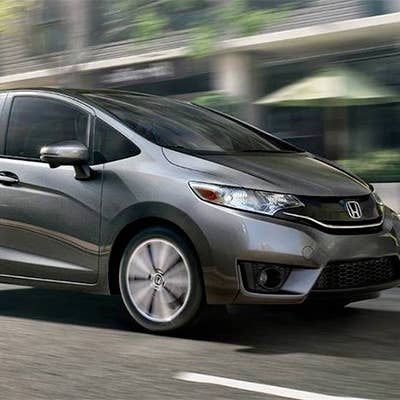
The Best Family Cars with Good Fuel Economy: Segment Breakdown
To help you find the perfect match for your household size and lifestyle, we have categorized the top performers of 2026 into distinct segments.
1. Midsize Hybrid Sedans: The Commuter Champions
If you do not strictly need the high ground clearance of an SUV, a midsize sedan is often the smartest choice for fuel efficiency. Sedans are more aerodynamic and lighter, which translates to unmatched MPG figures.
Toyota Camry Hybrid
EPA Estimated Fuel Economy: Up to 51 MPG City / 53 MPG Highway
Why It’s Great for Families: The Toyota Camry is now exclusively hybrid, proving Toyota’s commitment to high efficiency. It features a spacious cabin with comfortable seating for five, a user-friendly infotainment system, and standard Toyota Safety Sense 3.0. Its low load floor makes it easy to install child seats, and the trunk is generously sized for groceries and strollers.
Honda Accord Hybrid
EPA Estimated Fuel Economy: Up to 46 MPG City / 41 MPG Highway
Why It’s Great for Families: The Accord Hybrid is widely praised for its upscale interior, engaging driving dynamics, and class-leading rear legroom. It feels more like a luxury sedan than a mainstream family car. The trunk space is massive, and Honda’s reputation for reliability makes it a stress-free long-term investment.
2. Compact & Midsize Hybrid SUVs: The Versatile All-Rounders
For most families, the compact or midsize crossover is the sweet spot. These vehicles offer elevated seating positions, standard or optional All-Wheel Drive (AWD), and flexible cargo spaces that can handle bulky sports gear, strollers, and luggage.
Toyota RAV4 Hybrid
EPA Estimated Fuel Economy: 41 MPG City / 38 MPG Highway
Why It’s Great for Families: The RAV4 Hybrid remains a gold standard in the family crossover segment. It delivers a perfect blend of rugged styling, standard AWD, and exceptional fuel economy. The cargo area is boxy and highly usable, and the cabin is built with durable, easy-to-clean materials that can withstand the chaos of family life.
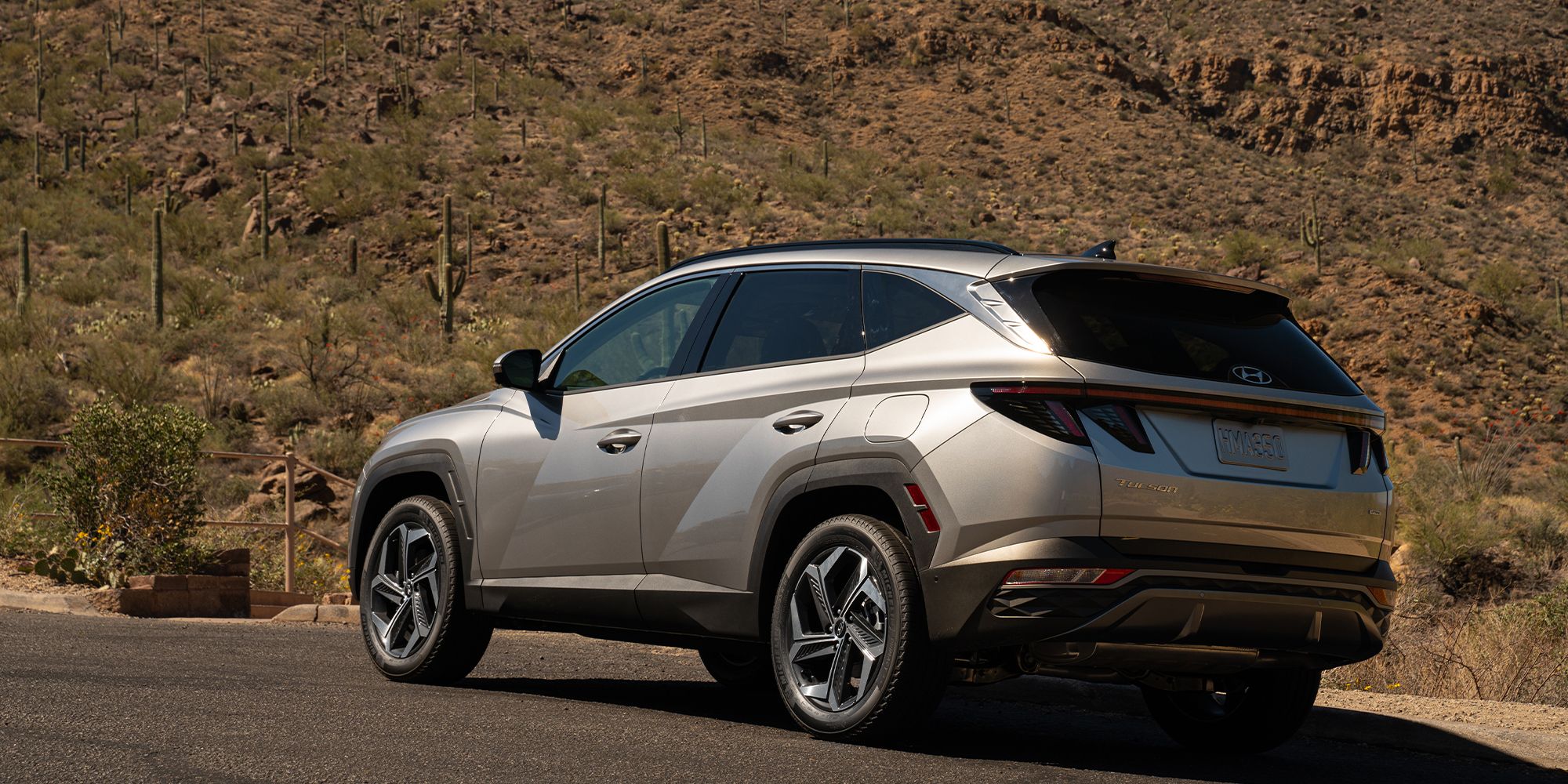
Hyundai Tucson Hybrid
EPA Estimated Fuel Economy: 38 MPG City / 38 MPG Highway
Why It’s Great for Families: The Tucson Hybrid stands out with its bold, futuristic styling, ultra-quiet cabin, and incredible tech suite. It offers class-leading rear-seat legroom and a dual-level cargo floor. Hyundai’s industry-leading 10-year/100,000-mile warranty also provides unparalleled peace of mind for parents.
Honda CR-V Hybrid
EPA Estimated Fuel Economy: 43 MPG City / 36 MPG Highway (FWD)
Why It’s Great for Families: The CR-V Hybrid is incredibly well-rounded. It features rear doors that open to a wide 90-degree angle, making it incredibly easy to load car seats and squirming toddlers. The ride is exceptionally smooth, and the cargo space is among the largest in its class.
3. Three-Row Family Haulers: Space Meets Efficiency
If you have a larger family or frequently carpool, a two-row SUV simply won’t cut it. Fortunately, you no longer have to settle for sub-20 MPG ratings to get a third row.
Toyota Highlander Hybrid
EPA Estimated Fuel Economy: 36 MPG City / 35 MPG Highway
Why It’s Great for Families: The Highlander Hybrid is a miracle worker for larger families. Achieving an estimated 36 MPG in a vehicle that can seat up to eight passengers is remarkable. It features a high-quality interior, plenty of USB ports throughout the cabin, and a robust suite of active safety features.
Kia Sorento Hybrid
EPA Estimated Fuel Economy: 39 MPG City / 35 MPG Highway
Why It’s Great for Families: For families who need a third row but want a slightly more compact footprint for easy parking, the Sorento Hybrid is an excellent choice. It features standard second-row captain’s chairs, which create an easy pathway to the third row and keep siblings comfortably separated on long drives.
Mazda CX-90 PHEV
EPA Estimated Fuel Economy: 56 MPGe (combined gas/electric) / 25 MPG (gas only)
Why It’s Great for Families: If you want a touch of luxury and sporty driving dynamics, the CX-90 PHEV is a stunning option. It offers 26 miles of all-electric range, allowing you to run daily errands without burning gas, while the upscale three-row cabin feels like a premium European SUV.
4. Plug-in Hybrid (PHEV) Superstars: The Ultimate Fuel Savers
If you have access to a standard household outlet or a Level 2 home charger, a PHEV can drastically cut your fuel consumption.
Chrysler Pacifica Hybrid
EPA Estimated Fuel Economy: 82 MPGe / 30 MPG combined (gas only)
Why It’s Great for Families: Minivans are still the ultimate family vehicles, and the Pacifica Hybrid is the only plug-in hybrid minivan on the market. It offers up to 32 miles of pure electric range. With sliding doors, a low step-in height, and an available rear-seat entertainment system, it is designed from the ground up to make parenting easier.
Mitsubishi Outlander PHEV
EPA Estimated Fuel Economy: 64 MPGe / 26 MPG combined (gas only)
Why It’s Great for Families: The Outlander PHEV offers an impressive 38 miles of all-electric range and standard three-row seating. Its advanced Super All-Wheel Control (S-AWC) system provides incredible traction in snow and rain, making it a safe, efficient, and affordable choice for active households.
Key Factors to Consider When Buying a Fuel-Efficient Family Car
When shopping for the Best Family Cars with Good Fuel Economy, do not focus solely on the MPG window sticker. To ensure the vehicle fits your daily life, keep these critical factors in mind:
- Cargo Volume and Versatility: Look for vehicles with flat-folding seats, low liftover heights, and wide trunk openings. A high MPG rating won’t help if you can’t fit your double stroller or holiday luggage inside.
- Safety Ratings: Never compromise on safety. Check the Insurance Institute for Highway Safety (IIHS) and National Highway Traffic Safety Administration (NHTSA) ratings. Look for vehicles designated as an IIHS Top Safety Pick+.
- Real-World vs. EPA Ratings: Hybrid efficiency can vary based on driving style and climate. Hybrids excel in city traffic due to regenerative braking but may get slightly lower mileage on long, high-speed highway trips. Conversely, cold winter climates can temporarily reduce battery efficiency.
- Cabin Technology: Features like wireless Apple CarPlay and Android Auto, multiple USB-C ports in both rows, and built-in Wi-Fi hotspots are essential for keeping kids entertained and parents connected.
Smart Driving Tips to Maximize Your Family Vehicle’s MPG
Even if you buy one of the most fuel-efficient vehicles on the market, your driving habits play a massive role in your actual fuel economy. Teach these habits to the drivers in your household to stretch your fuel dollar even further:
Embrace Regenerative Braking: In hybrids and PHEVs, coasting to a stop rather than slamming on the brakes captures more energy to recharge the battery.
Use Eco Mode: Most modern family cars feature selectable drive modes. Activating “Eco Mode” optimizes throttle response and climate control settings to prioritize maximum fuel efficiency.
Keep Up with Tire Maintenance: Underinflated tires increase rolling resistance, which can sap your fuel economy by up to 3%. Check your tire pressure monthly, especially when seasonal temperatures change.
Clear Out the Clutter: It is easy for a family car to become a rolling storage unit. However, carrying an extra 100 pounds of unused sports gear, strollers, and heavy toys can reduce your fuel economy by 1% to 2%. Keep the cargo area clear of unnecessary weight.
Conclusion
Finding the Best Family Cars with Good Fuel Economy in 2026 is easier than ever, thanks to rapid advancements in hybrid and plug-in hybrid technology. From the ultra-efficient Toyota Camry Hybrid to the highly versatile Honda CR-V Hybrid and the incredibly spacious Toyota Highlander Hybrid, there is an efficient vehicle tailored to every family’s size, budget, and lifestyle.
By investing in a fuel-efficient family car, you protect your household budget from volatile gas prices, enjoy a smoother and quieter ride, and do your part to protect the environment for the next generation. Take the time to test drive a few different segments, calculate your potential savings, and choose the vehicle that will keep your family moving comfortably and efficiently for years to come.