Buying a used vehicle is one of the smartest financial moves you can make, but a low sticker price is only half the battle. If you are not careful, a bargain-priced vehicle can quickly turn into a financial nightmare at the mechanic’s shop. To secure true long-term savings, you need to focus on the Best Used Cars That Are Cheap to Maintain.
In 2026, inflation, rising labor rates, and complex automotive technology have made repair bills more expensive than ever. Choosing a vehicle with a proven track record of reliability, simple engineering, and readily available parts is the ultimate way to safeguard your wallet.
Whether you are a daily commuter, a student on a budget, or a DIY enthusiast looking for an easy vehicle to service at home, this comprehensive guide covers the most reliable, cost-effective used cars on the market today.
Why Maintenance Costs Matter More Than the Purchase Price
When shopping for a vehicle, many buyers suffer from “sticker price myopia.” They focus entirely on the monthly payment or the upfront cost while completely ignoring the Total Cost of Ownership (TCO).
According to automotive data giants like RepairPal, the average annual maintenance and repair cost across all vehicle makes and models hovers around $652. However, highly unreliable vehicles or depreciated luxury cars can easily demand double or triple that amount annually.
A cheap-to-maintain used car offers several distinct financial advantages:
Lower Insurance Premiums: Vehicles that are cheap to repair are generally cheaper to insure because insurance companies face lower payouts for parts and labor in the event of an accident.
Massive Parts Availability: Popular, high-volume cars have an endless supply of affordable aftermarket parts. You will never have to wait weeks for an expensive component to ship from overseas.
Slower Depreciation: Highly reliable vehicles hold their value remarkably well. When you eventually decide to sell, you will recoup a larger portion of your initial investment.
Top 5 Best Used Cars That Are Cheap to Maintain
To help you make an informed decision, we have analyzed reliability ratings, average annual repair costs, and mechanic feedback to bring you the top-performing used vehicles in terms of affordability and durability.
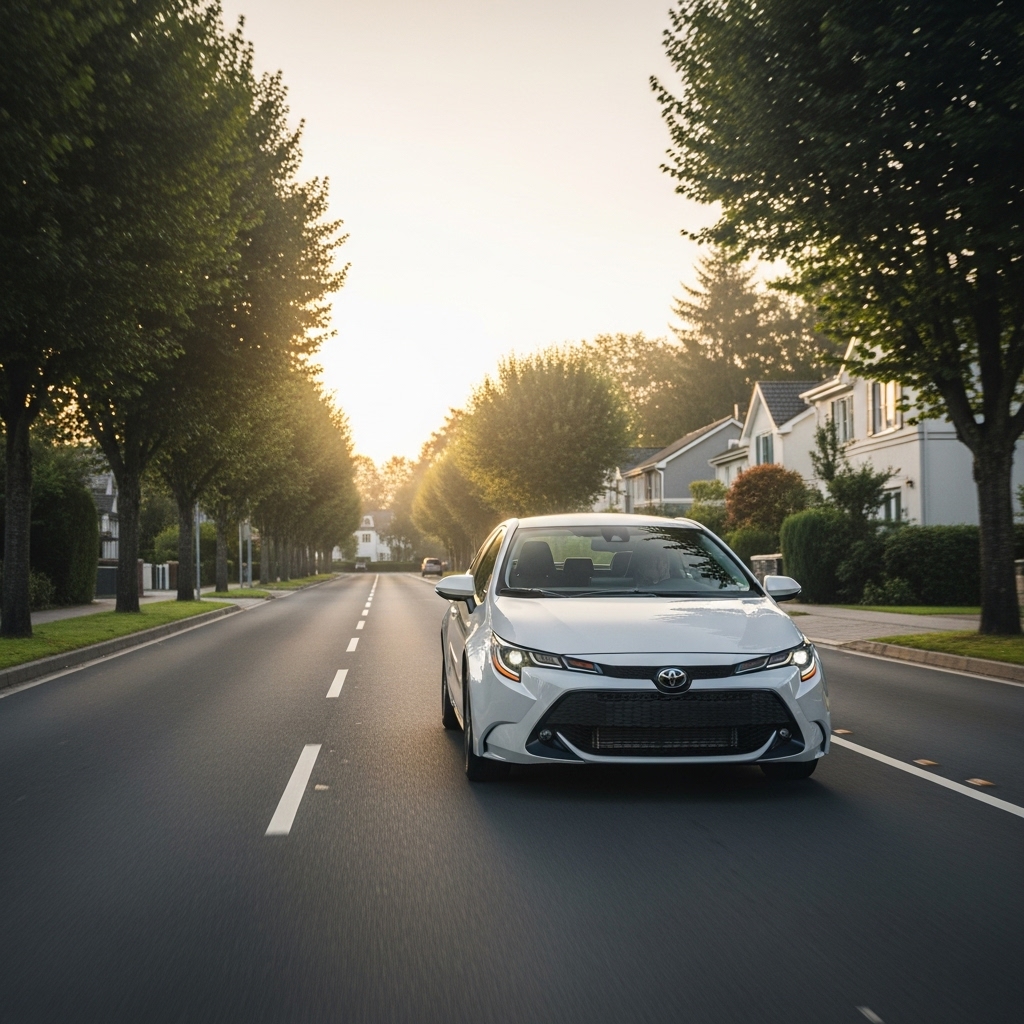
1. Toyota Corolla (Ninth to Eleventh Generation)
The Toyota Corolla is the undisputed global benchmark for automotive dependability. If you want a car that simply works, day in and day out, with nothing more than basic oil changes and tire rotations, this is your best bet.
Average Annual Maintenance Cost: ~$360
Best Years to Buy: 2009–2018
Why It’s Cheap to Maintain: The Corolla utilizes highly refined, naturally aspirated four-cylinder engines (typically the 1.8-liter 2ZR-FE). These engines do not feature complex turbochargers or delicate electronics that fail prematurely. Parts are incredibly inexpensive, and because Toyota has sold tens of millions of these cars, virtually any mechanic in the world knows how to fix them.
2. Honda Civic (Eighth to Tenth Generation)
Close on the heels of the Corolla is the Honda Civic. The Civic offers a slightly more engaging driving experience and sharper styling while maintaining an incredibly low cost of ownership.
Average Annual Maintenance Cost: ~$368
Best Years to Buy: 2012–2020
Why It’s Cheap to Maintain: Honda’s engineering focus has always been on simplicity and efficiency. The Civic’s engine bay is spacious and logically laid out, making it an absolute favorite for DIYers. From changing spark plugs to swapping out an alternator, basic maintenance tasks can be completed in a home driveway with a basic set of hand tools.
3. Toyota Prius (Third and Fourth Generation)
Many buyers shy away from used hybrids because they fear the cost of battery replacement. However, the Toyota Prius consistently ranks as one of the cheapest vehicles to maintain over its lifetime.
Average Annual Maintenance Cost: ~$400
Best Years to Buy: 2010–2019
Why It’s Cheap to Maintain: Beyond its legendary fuel economy, the Prius is incredibly easy on its mechanical components. The regenerative braking system takes the stress off the traditional brakes, meaning brake pads and rotors can easily last over 100,000 miles. Furthermore, the hybrid battery market is now highly competitive, with refurbished battery packs and individual cell replacements available for a fraction of what they cost a decade ago.
4. Mazda 3 (Third Generation)
If you want a vehicle that feels premium and fun to drive without the premium maintenance bills, the third-generation Mazda 3 is an outstanding alternative to its Toyota and Honda rivals.
Average Annual Maintenance Cost: ~$430
Best Years to Buy: 2014–2018
Why It’s Cheap to Maintain: Mazda’s SkyActiv-G naturally aspirated engines are incredibly robust. By avoiding complex turbocharging systems in their standard models, Mazda created a highly reliable powertrain. The third-generation Mazda 3 also boasts excellent rust prevention compared to older Mazda models, ensuring the chassis remains solid for years.
5. Pontiac Vibe / Toyota Matrix
This is one of the best-kept secrets in the used car market. The Pontiac Vibe was the result of a joint venture between General Motors and Toyota. Underneath its Pontiac-badged exterior, the Vibe is entirely a Toyota Matrix (which itself is a hatchback version of the Corolla).
Average Annual Maintenance Cost: ~$340
Best Years to Buy: 2003–2010
Why It’s Cheap to Maintain: Because it wears a Pontiac badge—a brand that was discontinued in 2010—used Vibes sell for significantly less than equivalent Toyotas. However, because it uses Toyota’s bulletproof 1.8-liter engine and transmission, it is dirt cheap to run, highly practical, and incredibly reliable.
The Luxury Trap: Can You Find Cheap-to-Maintain Premium Cars?
Many car buyers dream of owning a German luxury sedan. When browsing the classifieds, it is incredibly tempting to look at depreciated premium vehicles and assume you are getting a high-end experience for a bargain price. However, this is where many budget buyers fall into a devastating financial trap.
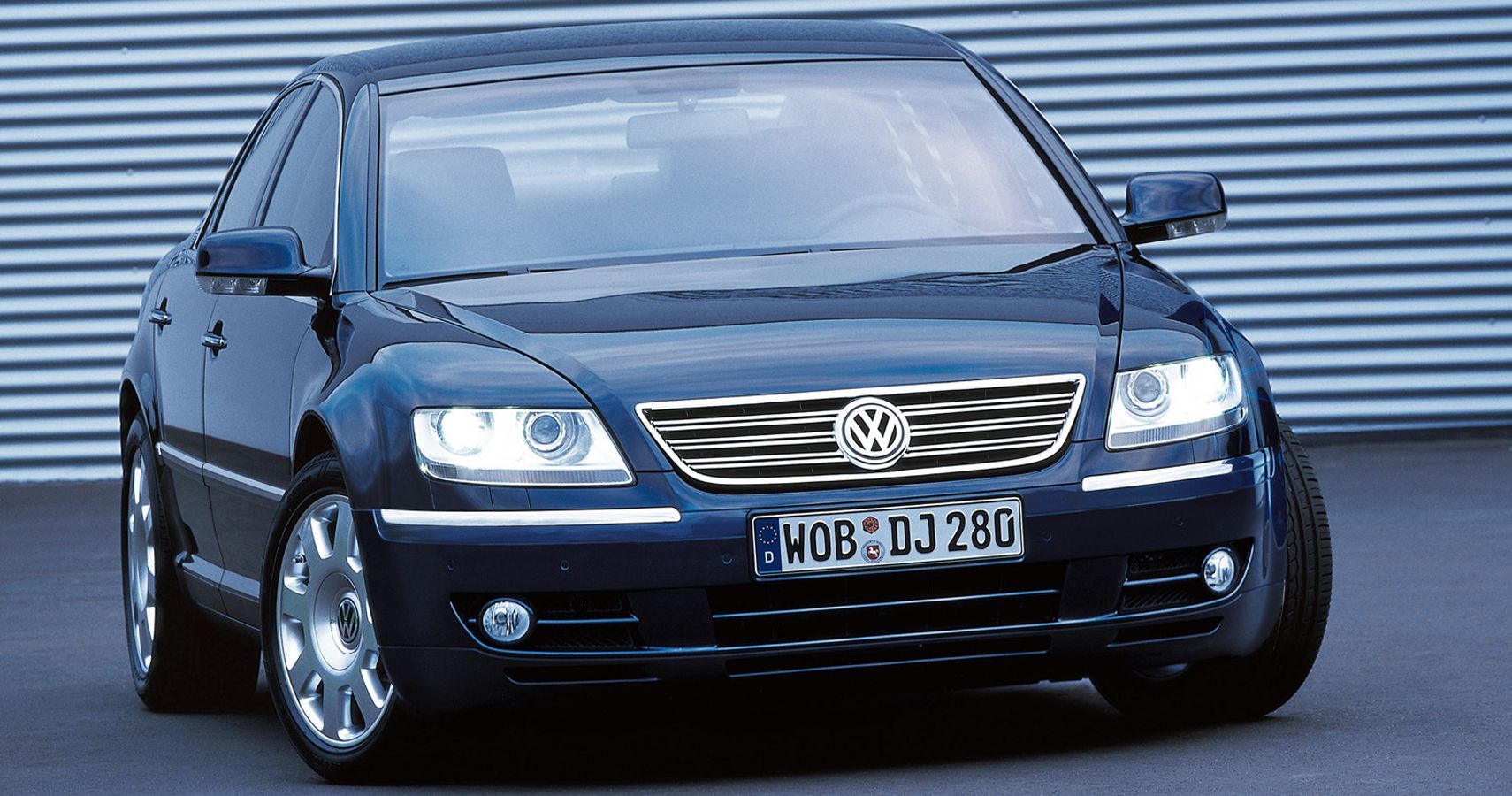
While engineering marvels like the Volkswagen Phaeton or older BMW 7-Series models can be purchased for a fraction of their original MSRP, their maintenance costs do not depreciate. A replacement air suspension strut, a complex electrical sensor, or a specialized transmission service on a high-end German car will still cost luxury-car prices.
If you are determined to own a premium vehicle with low maintenance costs, look toward Japanese luxury brands:
Lexus ES or RX: These vehicles share platforms, engines, and many mechanical components with Toyotas (such as the Camry and Highlander). You get premium comfort, leather seating, and advanced sound insulation, but you can still buy cheap Toyota-sourced replacement parts.
Acura TLX or ILX: Built on Honda platforms, these vehicles offer upscale styling and sporty driving dynamics while utilizing highly reliable, easy-to-service Honda powertrains.
Key Factors That Keep Used Car Maintenance Costs Low
When searching for the best used cars that are cheap to maintain, keep these engineering and design factors in mind. Understanding these principles will help you spot a reliable vehicle even if it isn’t on our top-five list.
Naturally Aspirated vs. Turbocharged Engines
A naturally aspirated engine draws in air using atmospheric pressure. A turbocharged engine uses a turbine to force extra air into the combustion chamber for more power. While turbos are great for performance, they introduce extra heat, higher internal pressures, complex plumbing, and an expensive component (the turbocharger itself) that can fail over time. For low-cost maintenance, stick to naturally aspirated engines.
Avoid Continuously Variable Transmissions (CVTs) with Poor Track Records
While CVTs offer excellent fuel economy, certain early designs—particularly those from Nissan in the late 2000s and early 2010s—have high failure rates. Replacing a failed CVT can cost upwards of $4,000 to $6,000. Look for vehicles with traditional torque-converter automatic transmissions or highly vetted CVTs (like Toyota’s eCVT used in their hybrids).
High Sales Volume Equals Cheap Parts
Before buying a niche or rare vehicle, ask yourself: How many of these did the manufacturer sell? If a car was a massive sales success, aftermarket parts manufacturers (like Bosch, Denso, and Gates) will produce high-quality, low-cost replacement components. If the car was a sales flop, you will be forced to buy expensive OEM (Original Equipment Manufacturer) parts directly from the dealership.
Common Mistakes to Avoid When Buying a Used Car
Even the most reliable car model can become a money pit if the previous owner neglected it. To ensure you actually get a cheap-to-maintain vehicle, avoid these common used-car buying blunders:
- Skipping the Pre-Purchase Inspection (PPI): Never buy a used car without having an independent mechanic inspect it first. A $150 PPI can save you thousands of dollars by revealing hidden issues like head gasket leaks, worn suspension bushings, or frame damage.
- Ignoring the Service History: A Toyota Corolla that has never had its oil changed in 50,000 miles will be far less reliable than a well-maintained vehicle with higher mileage. Always ask for service records, oil change receipts, or a clean CARFAX report.
- Buying a Modified Car: Avoid vehicles with aftermarket engine tunes, lowered suspensions, or custom wiring. These modifications put extra stress on mechanical components and make troubleshooting electrical issues incredibly difficult for standard mechanics.
Summary of the Best Budget-Friendly Used Cars
| Vehicle Model | Average Annual Repair Cost | Standout Feature | Best Target Years |
| :— | :— | :— | :— |
| Toyota Corolla | ~$360 | Unmatched overall reliability | 2009–2018 |
| Honda Civic | ~$368 | DIY-friendly engine bay layout | 2012–2020 |
| Toyota Prius | ~$400 | Low brake wear & amazing fuel economy | 2010–2019 |
| Mazda 3 | ~$430 | Sporty dynamics with low parts costs | 2014–2018 |
| Pontiac Vibe | ~$340 | Secret Toyota engineering under GM badge | 2003–2010 |
Conclusion: Smart Choices Lead to Long-Term Savings
Finding the Best Used Cars That Are Cheap to Maintain requires looking past flashy designs and focusing on proven mechanical simplicity. By prioritizing mass-market Japanese compacts like the Toyota Corolla, Honda Civic, or Mazda 3, you insulate yourself from the skyrocketing labor rates and parts costs of 2026.
Before making your final decision, always invest in a professional pre-purchase inspection and verify the vehicle’s maintenance history. With a little diligence, you can drive away in a dependable, comfortable vehicle that keeps your daily driving expenses remarkably low.