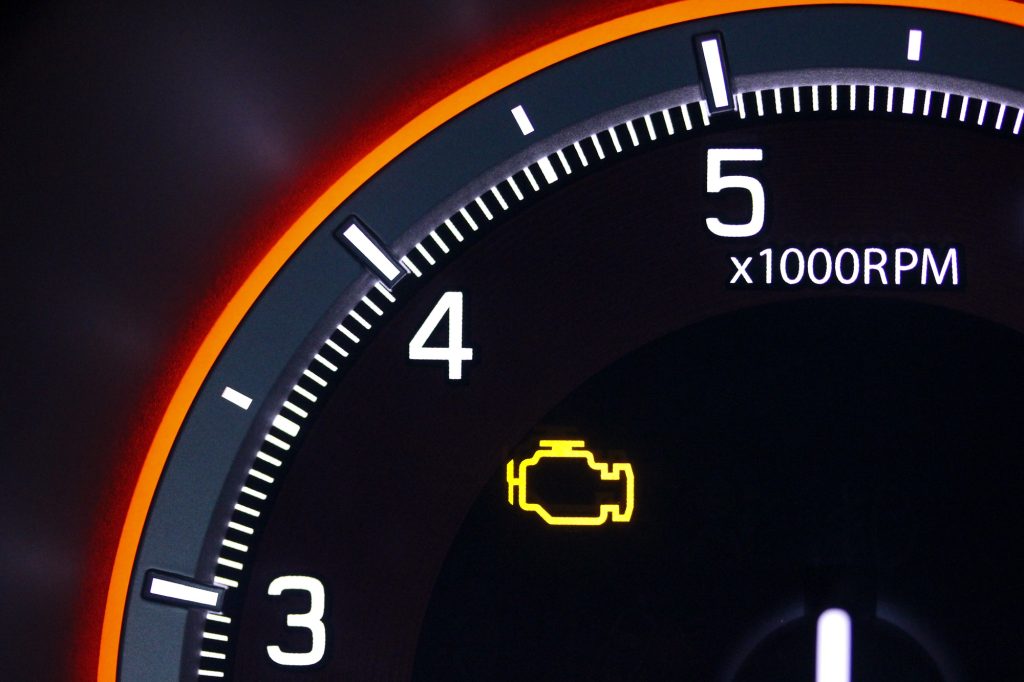
Few things cause an immediate sinking feeling in your stomach quite like the sudden glow of an amber outline among your dashboard warning lights. You’re driving along, enjoying your commute, and suddenly you’re forced to ask yourself: Why Is My Check Engine Light On?
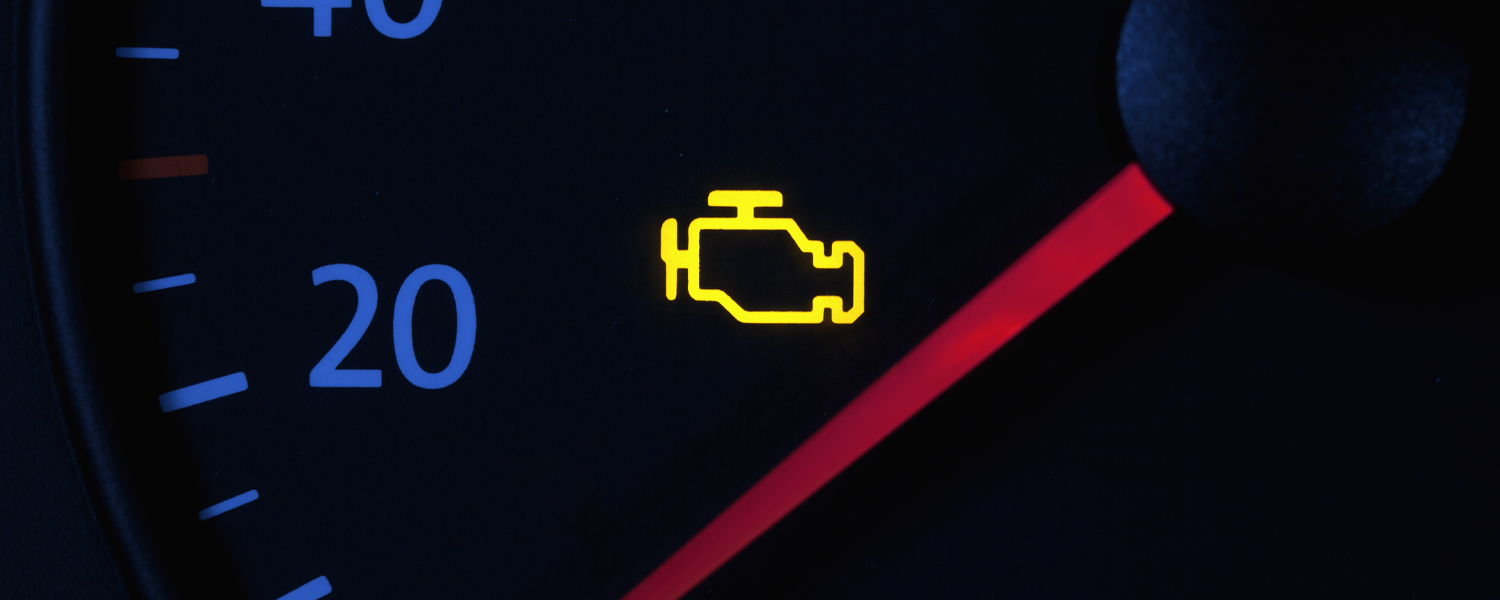
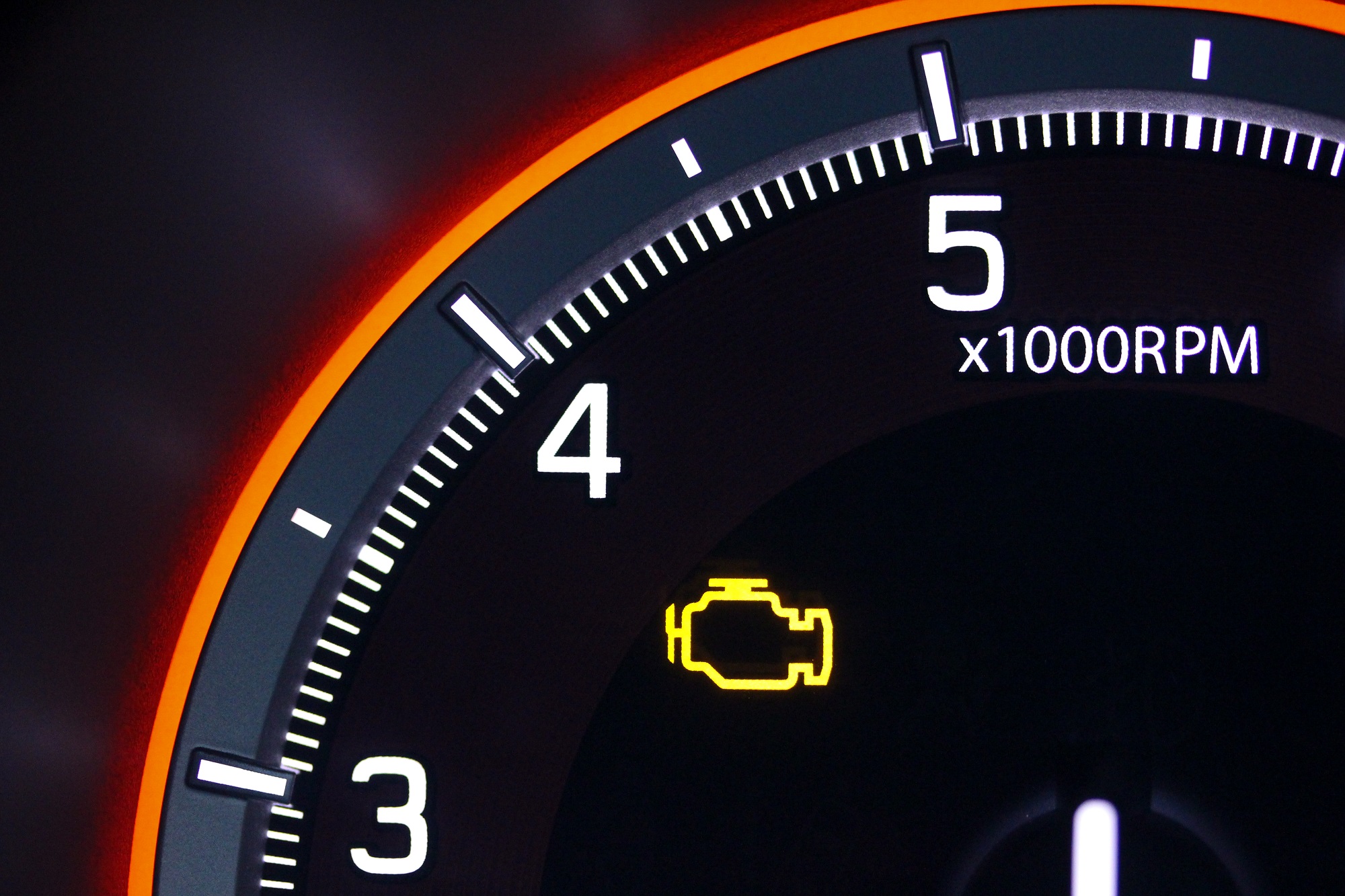
This warning indicator, officially known as the Malfunction Indicator Lamp (MIL), is your vehicle’s onboard computer telling you that something is amiss within your engine, exhaust, or the broader emissions system, often providing the answer to why your check engine light is on. While it can sometimes point to a minor issue like a loose gas cap, it can also signal a severe engine malfunction that requires immediate attention.
In this comprehensive guide, we will break down the most common reasons why your check engine light is on, how to diagnose the issue yourself, what repairs might cost, and when it is safe to keep driving versus when you must pull over immediately.
The Golden Rule: Solid vs. Flashing Check Engine Light
Before diving into the specific mechanical issues that explain why your check engine light is on, you must determine how the light is behaving. Your vehicle’s computer uses different illumination patterns to communicate the urgency of the problem.
1. The Solid Check Engine Light
If the light is steady and does not flash, your car’s On-Board Diagnostics (OBD-II) system has detected a problem, giving you a clue as to why your check engine light is on, but it is not an immediate emergency. You do not need to pull over on the side of the highway or call a tow truck right away. However, you should schedule a professional engine diagnostics scan as soon as possible to prevent a minor issue from snowballing into a major, expensive repair.
2. The Flashing Check Engine Light
A blinking or flashing check engine light indicates a critical emergency, and understanding why your check engine light is on in this state is crucial. This usually means your engine is experiencing a severe misfire, allowing unburned fuel to dump directly into the exhaust system. This can rapidly overheat and destroy your catalytic converter—a repair that can easily cost thousands of dollars—and potentially cause catastrophic engine failure or even an engine fire.
What to do: If the light is flashing, pull over safely as soon as possible, turn off the engine, and have your vehicle towed to a trusted repair shop.
10 Common Reasons Why Your Check Engine Light Is On
Modern vehicles are highly complex machines governed by dozens of sensors and control modules. While hundreds of diagnostic trouble codes (DTCs) can trigger your dashboard warning light, these ten culprits are responsible for the vast majority of instances where your check engine light is on.
1. A Loose, Damaged, or Missing Gas Cap
The Issue: Your car’s fuel system is a sealed, pressurized system designed to prevent fuel vapors from escaping into the atmosphere (the EVAP system). If your gas cap is loose, cracked, or missing, the system will lose pressure, which is a common reason why your check engine light is on.
The Fix: Pull over, tighten your gas cap until it clicks, and drive for a few days to see if the light turns off on its own. If the cap is cracked, buy a replacement at any auto parts store.
Estimated Cost: $10 to $30 for a new cap. DIY Friendly? Yes, absolutely.
2. Failing Oxygen (O2) Sensor
The Issue: The oxygen sensor measures the amount of unburned oxygen in your vehicle’s exhaust gas. This data helps the engine control unit (ECU) adjust the air-fuel mixture for optimal performance and fuel efficiency. A faulty sensor will cause your car to burn more fuel than necessary, negatively impacting your fuel economy, and often explaining why your check engine light is on.
The Fix: Replace the bad oxygen sensor. Ignoring this can eventually ruin your spark plugs and clog your catalytic converter.
Estimated Cost: $150 to $350 depending on your vehicle make and model. DIY Friendly? Moderately, if you have basic tools and jack stands.
3. Catalytic Converter Failure
The Issue: The catalytic converter converts harmful carbon monoxide and other toxic gases into less harmful emissions before they leave the tailpipe. Catalytic converters rarely fail on their own; they usually break down due to ignored spark plug misfires or a faulty O2 sensor, leading to a situation where your check engine light is on.
The Fix: Replacement is the only permanent solution.
Estimated Cost: $1,000 to $3,000+. This is one of the most expensive automotive repairs. DIY Friendly? No, this usually requires welding or specialized exhaust tools.
4. Failing Mass Airflow (MAF) Sensor
The Issue: The MAF sensor measures the volume and density of air entering the engine so the computer can calculate the correct amount of fuel to inject. A dirty or failing MAF sensor will cause rough idling, stalling, and a drop in fuel economy, leading to noticeable engine performance issues, which can be why your check engine light is on.
The Fix: Often, the sensor simply needs to be cleaned with a specialized MAF sensor cleaner spray. If cleaning doesn’t work, the sensor must be replaced.
Estimated Cost: $20 to clean; $150 to $300 to replace. DIY Friendly? Yes, cleaning or replacing a MAF sensor is typically a quick, 10-minute job.
5. Bad Spark Plugs or Ignition Coils
The Issue: Spark plugs ignite the air-fuel mixture in your engine’s cylinders, while ignition coils provide the high-voltage electricity needed to make them spark. Worn spark plugs or failing coils cause engine misfires and other engine performance issues, which can trigger a flashing check engine light, providing a serious answer to why your check engine light is on.
The Fix: Replace the worn spark plugs and bad ignition coils. It is best practice to replace spark plugs as a complete set.
Estimated Cost: $100 to $400 depending on the number of cylinders. DIY Friendly? Yes, for most inline-4 engines; can be highly complex on V6 or V8 engines where the intake manifold must be removed.
6. Faulty Thermostat
The Issue: Your vehicle’s thermostat regulates the flow of coolant to keep the engine operating at its optimal temperature. If the thermostat gets stuck open, the engine will run too cold, preventing it from reaching maximum efficiency and triggering a trouble code that explains why your check engine light is on.
The Fix: Replace the thermostat and flush the engine coolant.
Estimated Cost: $150 to $300. DIY Friendly? Moderately, though it can be messy due to coolant loss.
7. Evaporative Emission Control System (EVAP) Leaks
The Issue: The EVAP system prevents raw fuel vapors from escaping into the environment. If a vacuum hose, purge valve, or charcoal canister cracks or causes a vacuum leak, the system will detect a pressure drop and trigger the check engine light, giving you a reason why your check engine light is on.
The Fix: Diagnosing an EVAP leak often requires a professional “smoke machine” to visually locate the source of the leak.
Estimated Cost: $150 to $600 depending on which component is leaking. DIY Friendly? Generally no, due to the specialized diagnostic equipment required.
8. Exhaust Gas Recirculation (EGR) Valve Issues
The Issue: The EGR valve recirculates a portion of your engine’s exhaust gas back into the cylinders to lower combustion temperatures and reduce nitrogen oxide emissions. Over time, carbon buildup can clog the valve or cause it to stick, which is another common reason why your check engine light is on.
The Fix: Remove the valve and clean out the carbon deposits, or replace the valve entirely.
Estimated Cost: $200 to $450. DIY Friendly? Moderately, depending on the accessibility of the valve in your engine bay.
9. A Weak or Dying 12V Battery
The Issue: Modern vehicles are rolling computers. If your 12V battery is weak or failing to hold a steady charge, the fluctuating voltage can cause various sensors to send erratic data to the Engine Control Unit (ECU) or Powertrain Control Module (PCM), triggering a false check engine light and making you wonder why your check engine light is on.
The Fix: Test your battery and replace it if it fails to hold a charge.
Estimated Cost: $120 to $250. DIY Friendly? Yes, this is a straightforward replacement.
10. Poorly Installed Aftermarket Accessories
The Issue: Adding aftermarket alarms, remote starters, stereo systems, or performance tuners can wreak havoc on your car’s electrical system if they are not installed correctly. This can trigger communication errors between control modules, which can be a surprising reason why your check engine light is on.
The Fix: Have a certified mechanic check the wiring of any aftermarket modifications, or remove them to see if the light clears.
Estimated Cost: Variable. DIY Friendly? Only if you have advanced knowledge of automotive electrical systems.
Why Is My VSC Light and Check Engine Light On Simultaneously?
It is incredibly common to see your check engine light illuminate alongside other dashboard lights, most notably the VSC (Vehicle Stability Control) or Traction Control light.
When this happens, many drivers panic, assuming that both their engine and their braking systems have failed at the exact same time. Fortunately, this is rarely the case.
The “Fail-Safe” System
Car manufacturers design their vehicles with safety defaults. When the engine control unit detects an issue that triggers the check engine light, providing a reason why your check engine light is on, it may not be able to accurately calculate engine torque. Because the Vehicle Stability Control system relies on precise torque calculations to manage wheel slippage, especially when engine performance issues are present, the computer automatically disables the VSC system as a safety precaution.
Once the primary engine issue is diagnosed and fixed, the check engine light will turn off, resolving the question of why your check engine light is on, and the VSC light will automatically reset as well.
How to Diagnose Your Check Engine Light at Home
You don’t have to be a professional mechanic to find out Why Is My Check Engine Light On? In fact, diagnosing the issue yourself is easier than ever thanks to affordable consumer technology.
Step 1: Purchase an OBD-II Scanner
Every car built after 1996 is equipped with an OBD-II port, usually located under the dashboard on the driver’s side. This port is your primary tool for understanding why your check engine light is on. You can purchase a basic handheld OBD-II scanner online for under $30, or buy a Bluetooth-enabled dongle that syncs directly to an app on your smartphone.
Step 2: Plug in the Scanner and Read the Codes
With your engine turned off, plug the scanner into the OBD-II port. Turn your car’s ignition to the “On” position (without starting the engine) and follow the prompts on your scanner to read the codes. The scanner will display an alphanumeric Diagnostic Trouble Code (DTC), which is the key to understanding why your check engine light is on, such as P0300 (random engine misfire) or P0420 (catalytic converter efficiency below threshold).
Step 3: Look Up the Code
Once you have the Diagnostic Trouble Code (DTC), you can search online to find the exact definition, common causes, and recommended fixes for your specific vehicle make and model. Many smartphone diagnostic apps will even provide estimated repair costs and DIY guides automatically.
Pro Tip: If you don’t want to buy a scanner, almost all major auto parts stores (like AutoZone, Advance Auto Parts, or O’Reilly) will plug in a scanner and read your trouble codes for free.
Common Myths and Mistakes to Avoid
When dealing with the question “Why is my check engine light on?”, avoid these common pitfalls:
Myth: Disconnecting the battery will fix the problem. Disconnecting your car battery might temporarily clear the ECU’s memory and turn the light off, but as soon as the computer runs its self-checks again (usually within 50 to 100 miles), the light will return because the physical problem was never resolved, meaning you still won’t know why your check engine light is on.
Mistake: Ignoring the light because the car “drives fine.” Many sensor failures will not immediately change how your car feels to drive. However, ignoring the underlying issue of why your check engine light is on, such as a bad O2 sensor or a rich fuel mixture, will slowly destroy your catalytic converter, turning a $150 repair into a $2,000 nightmare.
- Mistake: Replacing parts blindly. Just because a code says “Oxygen Sensor Circuit Malfunction” does not guarantee the sensor itself is broken. It could be a damaged wire, a blown fuse, or an exhaust leak upstream. Always perform a visual inspection before buying new parts.
Conclusion
Understanding Why Is My Check Engine Light On? is the first step toward keeping your vehicle reliable, safe, and efficient. While the amber glow on your dashboard can be stressful, most issues are highly manageable if caught early.
Start by checking your gas cap, verify whether the light is solid or flashing, and use a simple OBD-II scanner to pull the diagnostic trouble codes, which will help you understand why your check engine light is on. By taking proactive steps and addressing minor issues promptly, embodying good preventative maintenance, you can keep your car running smoothly and avoid costly trips to the repair shop.