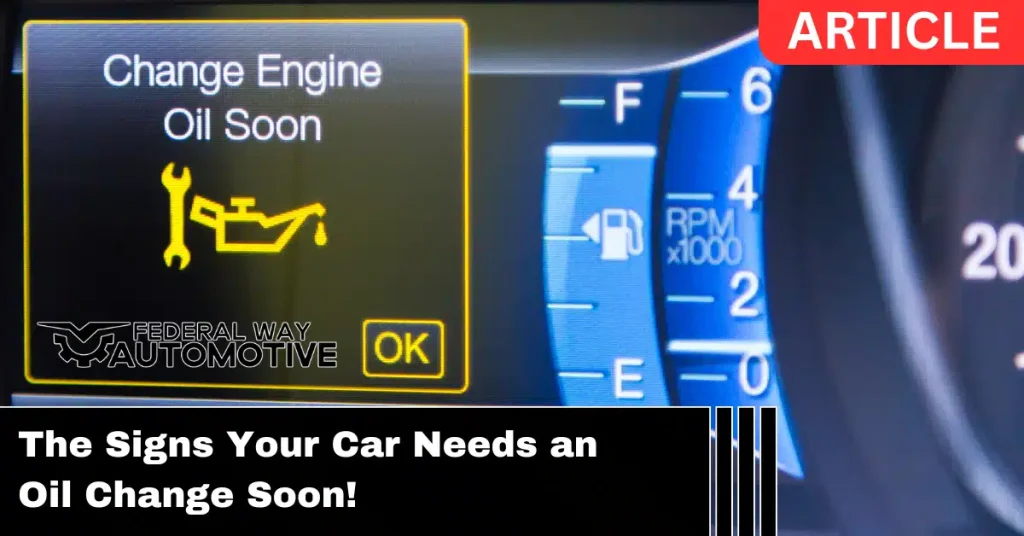
Is your vehicle performing the way it used to, or have you noticed a nagging sense that something is "off" under the hood? As we navigate 2026, the technology in our vehicles has evolved, but the fundamental lifeblood of your engine remains the same: high-quality, clean engine oil. Far too many drivers ignore the subtle warnings their cars provide, missing the early Signs Your Car Needs An Oil Change, until a dashboard light turns into a massive repair bill. Maintaining optimal engine health is paramount.
Engine oil serves as the lubricant that prevents metal-on-metal destruction. It carries heat away from pistons, traps dirt and microscopic metal shavings, and keeps the entire engine system running in harmony. When you neglect this, you aren't just delaying maintenance; you are actively accelerating the decline of your vehicle’s heart and its vital internal engine components. This vital fluid provides essential engine protection.
If you are wondering how to distinguish between normal operation and a cry for help from your engine, you have come to the right place. In this guide, we will break down the most urgent Signs Your Car Needs An Oil Change so you can protect your investment and ensure your safety on the road, contributing to overall vehicle longevity.
The Role of Engine Oil: Why Understanding the Signs Your Car Needs An Oil Change Matters More Than You Think
To understand why an oil change is non-negotiable, you must first understand what the oil is actually doing. Your engine is a complex assembly of moving metal parts that generate immense friction and heat. Without a fresh, slick barrier, those parts would grind together, leading to overheating and, eventually, total engine failure. This is crucial for your overall engine health, as the entire engine lubrication system depends on it.
Modern synthetic oils are engineering marvels, but even the best formulations break down over time. As they circulate, they become saturated with combustion byproducts, dust, and sludge. Once the oil loses its viscosity and its ability to trap contaminants, it stops being a protector and starts being a liability. This process is known as oil degradation.
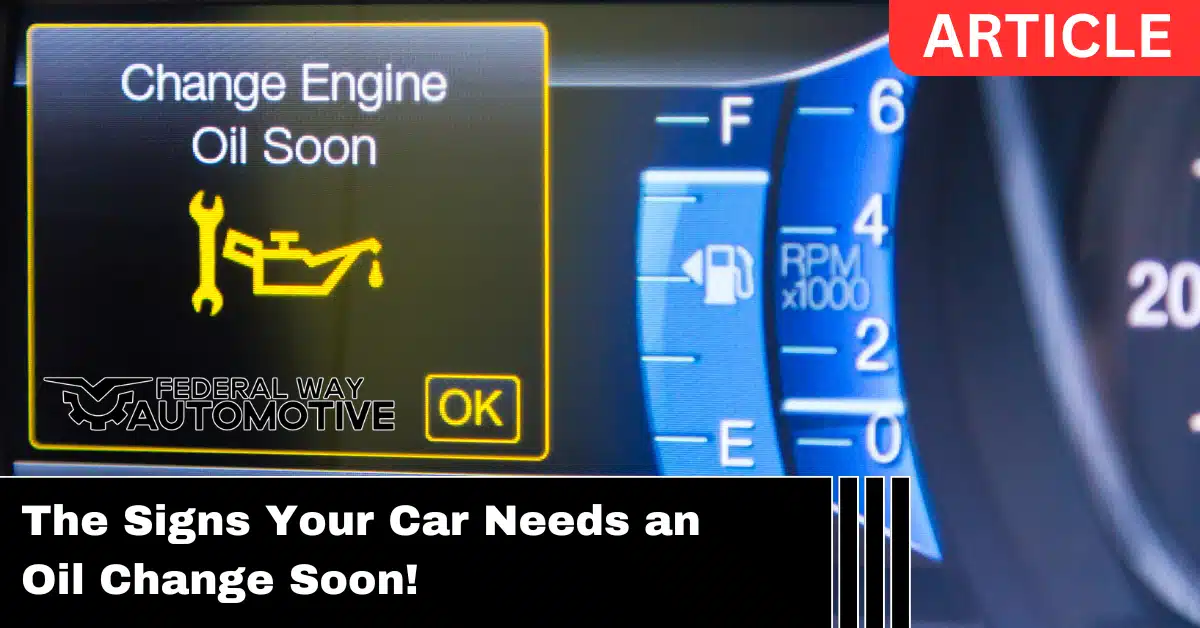
1. The Dashboard Warning Lights: Key Signs Your Car Needs An Oil Change
The most obvious, yet frequently ignored, indicator is your vehicle’s dashboard. Most modern cars in 2026 are equipped with two distinct types of alerts that you should never overlook.
The Oil Change Reminder (Yellow)
This is typically a maintenance light triggered by your vehicle’s computer based on your mileage and driving time. It is a soft alert telling you that your routine maintenance interval is approaching, one of the clearest Signs Your Car Needs An Oil Change. This is a crucial aspect of preventative maintenance.
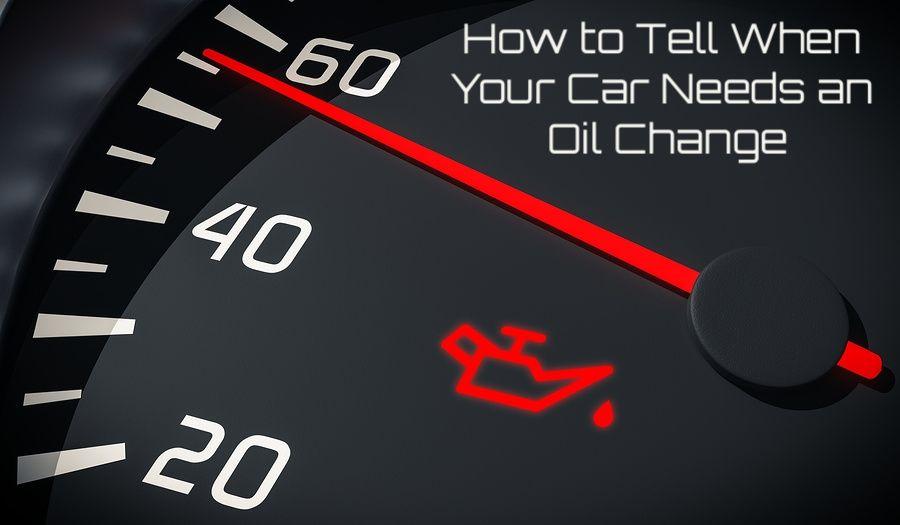
The Oil Pressure Light (Red)
This is a critical warning. If this glowing red icon appears, it means your oil pressure is dangerously low. Stop driving immediately. This light signifies that your engine is suffering from oil starvation, which can destroy the internal components of your engine in a matter of minutes. Ignoring this could lead to catastrophic failure that no amount of routine maintenance can reverse.
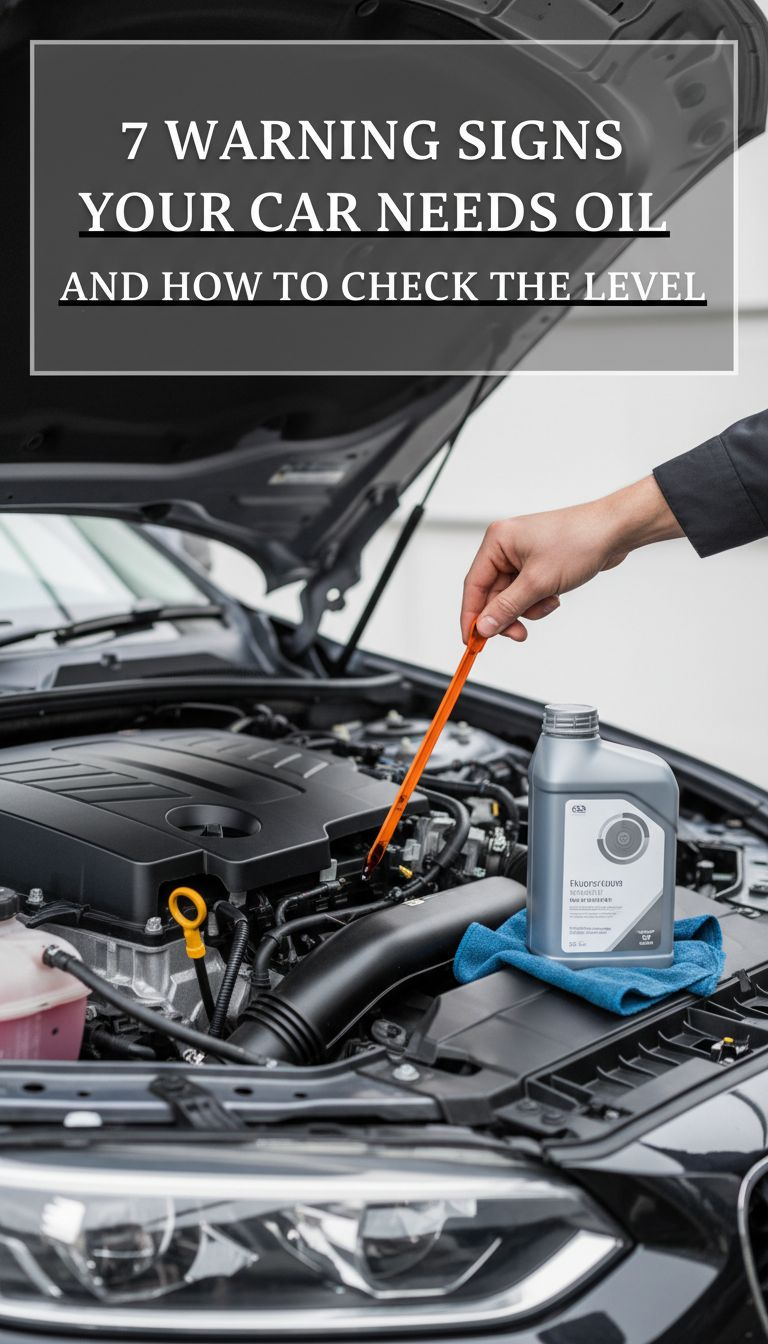
2. Dark, Gritty, or Opaque Oil on the Dipstick: Clear Signs Your Car Needs An Oil Change
One of the most reliable ways to gauge the health of your engine is to perform a simple visual inspection using the dipstick. Fresh, healthy oil is amber-colored and clear. You should be able to see through it.
As oil does its job, it naturally darkens to a brown or black color as it captures soot and combustion particles. However, there is a limit to how much it can handle.
- The Texture Test: Wipe the dipstick on a clean white paper towel or cloth. If the oil is jet-black and feels gritty when you rub it between your fingers, you are essentially circulating liquid sandpaper through your engine.
- The Warning: If you see metallic sparkles in the oil or feel grit, the oil has reached its saturation point. These are critical Signs Your Car Needs An Oil Change. Change it immediately to avoid permanent scoring of your engine's internal surfaces.
3. Unusual Engine Noises: Audible Signs Your Car Needs An Oil Change
Your engine should operate with a rhythmic, predictable hum. When the oil loses its lubricating properties, it becomes thin and watery, failing to provide the necessary cushion between moving parts.
If you begin to hear knocking, ticking, or grinding noises coming from under the hood, this is a red flag, among the most serious Signs Your Car Needs An Oil Change. These sounds are the audible indicator of metal components physically touching each other due to a lack of proper lubrication. If you hear these noises, the situation is already urgent. Every second that engine runs while making these sounds, the wear on your engine increases exponentially.
4. The Smell of Burnt Oil Inside the Cabin: Olfactory Signs Your Car Needs An Oil Change
A burning smell inside your car is never a good sign. If you notice a distinct, acrid odor, it is highly likely that your oil is either overheating or leaking.
Oil leaks are dangerous for two reasons: they decrease the total volume of oil available to cool and lubricate the engine, and they create a significant fire hazard if the oil drips onto hot exhaust components. If you catch a whiff of burning oil, inspect the engine bay for signs of leaks or smoke. If the smell is persistent, do not ignore it—seek professional assistance immediately to identify the source of the leak.
5. Sluggish Performance and Reduced Fuel Efficiency: Performance Signs Your Car Needs An Oil Change
Have you noticed your car feeling "heavy" or sluggish when you press the accelerator? When engine oil is old and sludgy, it creates significantly more friction. This means your engine has to work much harder to perform the same tasks it did when the oil was fresh.
This increased effort leads to two primary issues:
- Reduced MPG: Because your engine is fighting against increased internal resistance, it consumes more fuel to maintain speed.
- Performance Lag: You may notice that your acceleration is not as crisp or responsive as it was a few thousand miles ago.
If you find yourself filling up at the gas station more often than usual, don’t just blame the fuel prices—check your oil. These are often subtle Signs Your Car Needs An Oil Change. A simple oil change can often restore your engine’s efficiency and performance almost instantly.
6. Excessive Exhaust Smoke: Visible Signs Your Car Needs An Oil Change
While a small amount of exhaust vapor is normal, especially in cold weather, thick blue or gray smoke billowing from your tailpipe is a major warning sign.
This usually indicates that oil is burning inside the combustion chamber. This happens when the oil is too thin or degraded to be contained by the engine's seals, or when the oil level is excessively high. In either case, the oil is being consumed as fuel, which leads to increased emissions and poor engine health. This is a clear indicator, among the most alarming Signs Your Car Needs An Oil Change, that your engine needs immediate attention.
7. Understanding Oil Change Intervals in 2026: Beyond the Obvious Signs Your Car Needs An Oil Change
There is a common misconception that you must change your oil every 3,000 miles. While this was the standard for older vehicles, 2026 technology has changed the game.
Most modern vehicles using full synthetic oil can safely travel between 7,500 and 10,000 miles before needing a change. However, your specific interval depends on several variables: Always adhere to your manufacturer’s recommended service intervals.
- Driving Habits: Do you do a lot of stop-and-go city driving or heavy idling? That is harder on oil than highway cruising.
- Climate: Extreme heat or cold can degrade oil faster.
- Manufacturer Recommendations: Always defer to your owner’s manual. It is the gold standard for your specific engine design.
If you are ever in doubt about the Signs Your Car Needs An Oil Change, it is always better to be safe. Replacing your oil slightly early will never hurt your engine, but waiting too long almost certainly will.
8. The Danger of Overfilling: A Less Common but Critical Signs Your Car Needs An Oil Change (or Correction)
While it is critical to keep your oil topped up, there is such a thing as "too much of a good thing." Overfilling your oil reservoir can be just as damaging as letting it run low.
When you add too much oil, the crankshaft can whip the excess oil into a foam. This aeration creates air bubbles in the oil, which prevents it from properly lubricating the engine. This foam is also difficult for the oil pump to circulate. If you have recently topped off your oil and suddenly notice performance issues, check the dipstick; you may have accidentally overfilled it.
9. Constant Need for "Top-Offs": A Persistent Signs Your Car Needs An Oil Change (and More)
If you find yourself frequently adding oil to your engine between scheduled changes, you are essentially treating the symptom rather than the disease.
A car that constantly consumes or leaks oil is a car with a problem. It could be worn piston rings, failing valve seals, or an external leak from a cracked gasket. Consistently low oil levels, even if you keep them topped up, indicate that your engine is under constant stress and are definite Signs Your Car Needs An Oil Change (and further inspection). Have a certified mechanic perform a diagnostic test to identify why your engine is consuming so much oil before it leads to a total failure.
10. The "Age" of Your Oil: Time-Based Signs Your Car Needs An Oil Change
Even if you don't drive your car often, your oil still needs to be changed. Oil naturally degrades over time, even while sitting in the engine. Moisture, condensation, and chemical breakdown can compromise the oil's effectiveness regardless of mileage. This oil degradation is a silent threat.
A good rule of thumb is to change your oil at least once a year, even if you haven't hit the mileage limit. These are important Signs Your Car Needs An Oil Change based on time, not just distance. If your car has been sitting in a garage for months, the oil inside is likely no longer providing the protection your engine needs for that first cold start. Protect your engine’s internal components by adhering to both time-based and mileage-based maintenance schedules.
11. The Impact of Driving Conditions on Oil Degradation: Hidden Signs Your Car Needs An Oil Change Sooner
While your owner’s manual provides a baseline for oil change intervals, it often assumes "ideal" driving conditions. In reality, most of us operate under what engineers classify as severe service conditions. If your daily commute involves these factors, your oil is degrading far faster than the dashboard countdown might suggest, presenting subtle Signs Your Car Needs An Oil Change sooner than expected Source 4. This accelerated oil degradation is a key concern.
- Stop-and-Go Traffic: Constant idling and frequent acceleration prevent the engine from reaching an optimal operating temperature. This causes fuel dilution, where unburned fuel leaks past the piston rings and thins your oil, stripping it of its protective properties.
- Short Trips: If you frequently drive less than 5–10 miles, your engine never gets hot enough to evaporate the moisture and condensation that builds up in the oil. This leads to the formation of sludge, a thick, jelly-like substance that blocks oil passages and restricts lubrication Source 2.
- Towing and Heavy Loads: Putting your engine under heavy strain increases internal heat significantly. High heat is the primary enemy of synthetic base oils, causing them to oxidize and break down much faster than during standard highway cruising.
12. Identifying Internal Engine Wear Through Oil Analysis: Advanced Signs Your Car Needs An Oil Change (and More)
If you suspect your engine is aging prematurely or you simply want to be proactive, you don’t have to guess about the state of your internal components. Professional oil analysis is a powerful diagnostic tool that acts like a blood test for your vehicle. By sending a small sample of your used oil to a laboratory, you can uncover hidden threats and confirm the Signs Your Car Needs An Oil Change before they manifest as catastrophic failures Source 5.
What Oil Analysis Reveals
This testing detects microscopic traces of metals and contaminants that aren't visible to the naked eye. It provides a detailed report on:
- Wear Metals: Elevated levels of aluminum, copper, or iron can pinpoint specific components like bearings, rings, or cylinders that are beginning to fail.
- Coolant Contamination: If the report shows traces of antifreeze, you have a leaking head gasket or internal seal failure—a critical issue that requires immediate mechanical intervention.
- Fuel Dilution: Quantifies exactly how much fuel is leaking into your oil, confirming if your fuel injectors or piston rings are compromised.
By utilizing this data, you move from "guessing" to "knowing." It allows you to extend the life of your engine by addressing minor wear before it evolves into a complete, bank-breaking rebuild.
13. The Hidden Cost of Neglect: Why Ignoring the Signs Your Car Needs An Oil Change Isn’t Worth It
You might be tempted to opt for the lowest-cost oil change available, but in the world of automotive maintenance, you truly get what you pay for. Choosing the wrong oil or a low-quality filter is a false economy that frequently backfires Source 2.
The Anatomy of an Oil Change
- The Base Oil: High-quality full synthetic oils provide superior thermal stability and flow characteristics, ensuring your engine is protected from the moment you turn the key, regardless of the outside temperature.
- The Oil Filter: A cheap filter often has inferior filtration media and poor-quality bypass valves. Regular oil filter replacement is just as vital as the oil itself. If a filter fails or clogs, it can bypass the filtration process entirely, allowing unfiltered, dirty oil to circulate through your engine’s delicate precision parts.
- Additive Packages: Premium oils contain detergents and dispersants that actively scrub the engine, keeping internal surfaces clean and preventing the buildup of harmful carbon deposits.
Investing in high-quality oil and a premium filter is the cheapest insurance policy you can buy for your car, helping you avoid the costly consequences of ignoring the Signs Your Car Needs An Oil Change. This preventative maintenance minimizes internal wear, keeps the engine running efficiently, and avoids the "sludge buildup" that inevitably leads to expensive repairs Source 2. This ensures optimal engine efficiency.
14. Signs Your Car Needs An Oil Change Due to Oil Consumption: Understanding "Burning" vs. "Leaking"
Many vehicle owners struggle to distinguish between oil that is being consumed internally and oil that is leaking externally. Both are serious, but they point to very different mechanical issues. Understanding the difference is vital for your mechanic to provide an accurate repair estimate Source 4.
Recognizing External Leaks
- The Garage Floor Test: The most obvious sign is a spot of oil on your driveway. Place a piece of clean cardboard under your engine overnight; fresh, amber oil or dark, viscous fluid confirms an active leak.
- The "Burning" Smell: If oil is dripping onto your hot exhaust manifold, it will produce a sharp, burnt odor inside the cabin. This is not just a leak—it is a fire hazard that requires immediate inspection of your gaskets and oil pan seals.
Identifying Internal Consumption
- The Tailpipe Evidence: If you see blue-tinted smoke on hard acceleration, your engine is burning oil internally. This is one of the most definitive Signs Your Car Needs An Oil Change (and likely more serious repair). This means the oil is bypassing your piston rings or valve stem seals and entering the combustion chamber.
- Rapid Dipstick Drops: If your oil level is plummeting but you see no signs of oil on the ground, your engine is consuming it. This is often an indicator of high-mileage engine wear or failing internal components that will eventually result in a loss of power and compression.
15. The Role of Oil Pressure Sensors in Your Diagnostic Toolkit: Confirming Signs Your Car Needs An Oil Change
Your vehicle’s computer relies on an oil pressure sensor (or sending unit) to keep you informed of the lubrication status. When this sensor fails, it can send false signals, causing your oil pressure light to flicker or remain illuminated even when the oil level is correct. If you find your light coming on intermittently, don't assume the oil is full—verify it with the dipstick first Source 2.
How to Evaluate a Faulty Sensor
- Check the Level: If the dipstick shows a full level, the issue is likely electrical.
- Verify with a Mechanical Gauge: A professional technician can attach a manual pressure gauge to your engine to verify the true oil pressure.
- Don't Ignore the Light: Never assume a light is just a "bad sensor." Always treat the oil pressure warning light as a genuine emergency and one of the most critical Signs Your Car Needs An Oil Change (or immediate repair) until a mechanic proves otherwise. Driving with low pressure for even thirty seconds can cause irreparable damage to the engine's bearings.
16. Seasonal Maintenance: Why Winter and Summer Demand Different Care, Affecting the Signs Your Car Needs An Oil Change
Your oil’s performance is heavily influenced by ambient temperature. As the seasons change, your vehicle’s lubrication needs shift, making seasonal maintenance a critical aspect of vehicle longevity Source 5.
Winter Challenges
In colder climates, engine oil thickens, making it difficult for the engine to crank during a cold start. This is the moment of peak wear—when metal parts grind before the oil reaches them. Recognizing these environmental factors is crucial for understanding the Signs Your Car Needs An Oil Change. Using the correct multi-grade synthetic oil (like a 0W-20 or 5W-30) is essential because these oils remain thin enough to circulate immediately at freezing temperatures, providing instant engine protection.
Summer Challenges
Extreme heat in the summer can cause oil to thin out excessively, reducing the strength of the protective film between moving parts. This is when the heat-carrying capacity of your oil is tested most. Ensuring your oil is fresh and of the correct viscosity keeps the engine cool and prevents the oil from breaking down under extreme thermal stress.
17. The Truth About "Engine Flush" Additives: A Risky Approach to Addressing Signs Your Car Needs An Oil Change
You may have seen "engine flush" products on the shelves at your local auto parts store, promising to clean your engine from the inside out. While these products claim to remove sludge, they can be dangerous if used incorrectly Source 5.
Proceed with Caution
- Dislodging Debris: A powerful chemical flush can break loose large chunks of sludge. Instead of dissolving them, these chunks can clog the oil pickup screen or narrow oil passages, effectively starving your engine of oil.
- Seal Degradation: Some older engines have seals that rely on a small amount of carbon buildup to stay tight. Flushing the engine can remove this buildup, leading to new leaks.
Instead of relying on chemical flushes, the best way to clean your engine and address the underlying Signs Your Car Needs An Oil Change is through regular, high-quality oil changes. By changing the oil at the proper intervals, you are cleaning the engine naturally, allowing the detergents in the fresh oil to slowly and safely remove contaminants over time.
18. Maintaining the Oil Cooler and External Components: Overlooked Factors in Signs Your Car Needs An Oil Change
On many high-performance or heavy-duty vehicles, there is an oil cooler responsible for shedding excess heat from the lubricant before it heads back into the engine block. If this component becomes clogged with road debris or begins to leak, your oil temperature will skyrocket, leading to premature degradation.
- Visual Inspections: During every oil change, have your technician inspect the oil cooler lines and the radiator for signs of debris.
- Preventing Overheating: By keeping the cooling system in top shape, you help the oil perform its job longer and more effectively. If your engine is constantly running hot, your oil is losing its protective viscosity at a rapid pace, which can accelerate the Signs Your Car Needs An Oil Change.
19. Understanding Synthetic vs. Conventional Oil: How Your Choice Impacts the Signs Your Car Needs An Oil Change
In 2026, the debate between conventional and synthetic oil is effectively over. Synthetic oil is the superior choice for virtually every modern vehicle. Understanding why can help you make a more informed decision at the service counter Source 4.
- Uniformity: Synthetic oil molecules are engineered to be uniform in size and shape. Conventional oil is refined from crude oil and contains a mix of molecule sizes, which makes it less stable under stress.
- Thermal Stability: Synthetic oil handles extreme heat without breaking down, preventing the "coking" (burning) of oil onto hot internal parts.
- Flowability: Synthetic oil flows better in extreme cold, reaching engine components faster during a cold start, which is where the vast majority of engine wear occurs.
While synthetic oil is more expensive upfront, the cost-to-mileage ratio makes it more economical in the long run, often extending the time between Signs Your Car Needs An Oil Change. It lasts longer, protects better, and keeps your engine running like new for hundreds of thousands of miles.
20. Developing a Proactive Maintenance Log: Tracking the Signs Your Car Needs An Oil Change
The most successful car owners don't rely on their memory—they rely on documentation. Keeping a simple log, either in a physical notebook in your glove box or a digital app on your phone, changes how you approach vehicle health and helps you track the Signs Your Car Needs An Oil Change.
What to Track
- Date and Mileage: When the service was performed.
- Oil Type/Viscosity: Always note what was used so you stay consistent.
- Filter Brand: A high-quality filter is as important as the oil.
- Notes: Did you notice any leaks? Was the oil particularly dark? Keeping these notes helps you and your mechanic spot trends, such as an engine that is starting to consume more oil than it used to.
By maintaining this record, you aren't just taking care of your car; you are increasing its resale value. A potential buyer who sees a complete, documented service history will pay more because they know the engine has been properly nurtured. It’s a win-win situation, ensuring you stick to your optimal service schedule.
21. How to Handle "Oil Starvation" Emergencies: The Most Critical Signs Your Car Needs An Oil Change
If you are driving and suddenly see that dreaded red oil pressure light, your heart likely skips a beat. You are in an emergency situation where your engine is currently experiencing oil starvation. Understanding the steps to take in these critical seconds can be the difference between a minor repair and a total engine replacement Source 4. The entire engine lubrication system is compromised in such an event.
The Emergency Protocol
- Pull Over Safely: Do not wait for the next exit if it is miles away. Find the nearest safe spot to stop.
- Kill the Engine: Once you are off the road, turn the engine off immediately. Every second the engine spins without oil pressure, the internal engine components are being ground down.
- Perform a Manual Check: Wait a few minutes for the engine to cool, then check the dipstick.
- The "Top-Off" Option: If the oil level is low, adding oil may resolve the light. However, if the oil level is full and the light remains on, do not restart the engine. You have a mechanical failure, such as a dead oil pump, that requires a tow.
- Seek Professional Aid: Never risk driving a car with a red oil pressure light. It is a gamble you will almost certainly lose, and a clear indication of the most severe Signs Your Car Needs An Oil Change (or immediate repair).
22. The Role of Modern Oil Additives: Fact vs. Fiction in Addressing Signs Your Car Needs An Oil Change
You have likely seen high-priced oil additives on the shelves that promise "friction reduction," "horsepower boosts," or "leak prevention." While marketing claims are often bold, the truth is that modern high-quality motor oil already contains a perfectly balanced additive package engineered by scientists to meet the exact requirements of your engine Source 4.
- Balanced Chemistry: Adding external chemicals can disrupt the delicate chemical balance of your oil. Manufacturers spend millions testing oil formulas; adding "magic in a bottle" can actually inhibit the oil's ability to lubricate or clean.
- The Exception: There are very specific, manufacturer-approved additives for certain high-mileage engines or specialized seal conditioners, but these should only be used if recommended by a certified professional.
- The Bottom Line: Stick to the manufacturer-recommended oil specifications. If you are using a premium full synthetic oil, it already has everything your engine needs to survive and thrive, often delaying the appearance of the common Signs Your Car Needs An Oil Change.
23. Why You Should Never Skip the Air Filter Change: An Indirect Factor in Signs Your Car Needs An Oil Change
While we focus heavily on oil, the air filter is the "lung" of your engine. If your engine is struggling to breathe because the filter is clogged, it pulls harder on the intake system. This can lead to decreased fuel efficiency and, in some cases, the creation of a vacuum that pulls oil into places it doesn't belong.
- The Inspection Interval: A good rule of thumb is to check your air filter every time you change your oil.
- The Benefit: A clean air filter ensures your engine gets the optimal air-to-fuel ratio, which prevents carbon buildup and helps keep the oil cleaner for longer, potentially delaying the Signs Your Car Needs An Oil Change. It’s an inexpensive component that directly contributes to the overall efficiency of your oil-related systems.
24. Understanding Oil Viscosity and the "W" Rating: Crucial for Preventing Premature Signs Your Car Needs An Oil Change
When you look at a bottle of oil, you see numbers like 5W-30 or 0W-20. Understanding these numbers is essential to ensuring you aren't starving your engine of the protection it needs.
- The "W" Number: This stands for "Winter." It indicates how well the oil flows at low temperatures. A 0W oil flows better in extreme cold than a 5W or 10W, providing faster protection during start-up.
- The Second Number: This indicates the oil's thickness at operating temperature. A higher number means the oil stays thicker when hot, which is vital for heavy-duty or high-heat applications.
- The Golden Rule: Always stick to the viscosity recommended in your owner’s manual. Using the wrong viscosity can lead to oil pressure issues, reduced fuel economy, or improper lubrication of precision-engineered components, accelerating the Signs Your Car Needs An Oil Change.
25. The Psychological Aspect of Vehicle Maintenance: Embracing the Signs Your Car Needs An Oil Change
It is easy to view an oil change as a chore—an interruption to your busy life that costs money and takes time. However, shifting your mindset is key to long-term ownership success. Think of an oil change not as an expense, but as a rejuvenation process for your most expensive asset outside of your home. It directly contributes to vehicle longevity.
When you invest in your vehicle’s maintenance, and respond promptly to the Signs Your Car Needs An Oil Change, you are buying peace of mind. You are buying the confidence that when you turn the key on a freezing morning or head out on a long road trip, your car will not let you down. You are respecting the engineering and the labor that went into building your vehicle, and in return, that vehicle will provide you with thousands of miles of reliable, safe, and efficient transportation.
26. Recognizing the Warning Signs Your Car Needs An Oil Change Due to "Sludge City"
Sludge is the silent killer of engines. It develops over time when oil oxidizes, usually due to neglected oil changes, constant short-trip driving, or a failing cooling system. If you suspect your engine has a sludge problem, you need to act immediately.
Symptoms of Engine Sludge
- Visible Deposits: If you remove the oil filler cap and see dark, gel-like buildup on the underside of the cap or near the opening, your engine has a sludge issue.
- Reduced Oil Flow: Sludge restricts the flow of oil to the top of the engine, which often manifests as a slight "ticking" or "tapping" noise from the valve train.
- The "Oil Starvation" Risk: Sludge can completely block the oil pickup tube in the oil pan, leading to an immediate drop in oil pressure and total engine failure—one of the most severe Signs Your Car Needs An Oil Change (and immediate intervention).
If you see these signs, do not simply do an oil change and walk away. These are serious Signs Your Car Needs An Oil Change and professional attention. Take your vehicle to a professional technician. They may need to perform a series of short-interval oil changes with high-detergent cleaning oils to slowly remove the sludge without breaking it loose in dangerous chunks.
27. The Value of Certified Professional Service for Addressing Signs Your Car Needs An Oil Change
While many enthusiasts enjoy performing their own maintenance, there is immense value in taking your vehicle to a certified professional technician for oil changes.
- Multi-Point Inspections: When you go to a reputable shop for an oil change, a technician can also look for other Signs Your Car Needs An Oil Change (or other maintenance). The oil change is usually part of a broader inspection. A technician might notice a worn belt, a leaky coolant hose, or a fraying brake line—things that could save you from a breakdown or an accident.
- Environmentally Responsible Disposal: Professional shops are equipped to handle and recycle used oil and filters safely, ensuring these hazardous materials don't end up in our groundwater.
- Warranty Integrity: Many vehicle warranties require proof of service. By having your oil changes done at a shop, you get the records you need to ensure your warranty remains valid.
Professional mechanics see hundreds of cars every month. They know the specific "quirks" of your make and model, and they are trained to spot early warning signs that a DIY enthusiast might miss.
28. Future-Proofing Your Engine: The 2026 Perspective on Signs Your Car Needs An Oil Change
In 2026, vehicle technology is more sophisticated than ever. Engines are smaller, more powerful, and feature complex systems like turbochargers and direct injection. These advancements put even more stress on engine oil, which is why the old "3,000-mile rule" is a thing of the past and the "follow the manual" rule is more critical than ever for recognizing the true Signs Your Car Needs An Oil Change.
The Turbocharger Factor
If your vehicle is turbocharged, it is essential to use high-quality synthetic oil. Turbochargers spin at incredibly high speeds and generate massive amounts of heat. The oil is responsible for both lubricating the turbo bearings and cooling the unit. If you neglect your oil, the turbo is the first thing that will fail, and replacing a turbocharger is often a multi-thousand-dollar endeavor.
The Direct Injection Factor
Direct injection engines have a tendency to produce more carbon buildup on intake valves and fuel dilution in the oil. This makes the detergent and dispersant packages in your oil even more important. Always ensure your oil meets the specific "Dexos" or "API" standards required by your engine manufacturer to handle these modern challenges.
29. The Role of Oil Filters: Not All Are Created Equal, Impacting the Signs Your Car Needs An Oil Change
The oil filter is the unsung hero of your lubrication system. It is responsible for trapping the microscopic particles that would otherwise score your cylinder walls and bearings. When you are buying oil, don't skimp on the filter. Ensure you also plan for timely oil filter replacement.
- Filtration Efficiency: Look for filters with high-quality synthetic media that can trap particles as small as 20 microns.
- Anti-Drainback Valves: A quality filter has a robust anti-drainback valve that keeps oil in the filter when the engine is off. This ensures the engine gets oil pressure almost instantly the next time you start it.
- Bypass Valve Reliability: If the filter becomes saturated, a bypass valve ensures oil continues to flow. A cheap filter might have a faulty valve that either stays closed (starving the engine) or stays open (never filtering the oil).
Spend the extra few dollars for a premium filter. Your engine will thank you with smoother operation and a longer lifespan, potentially delaying the appearance of the next Signs Your Car Needs An Oil Change.
30. Assessing Your Driving Environment: The Climate Impact on Signs Your Car Needs An Oil Change
Your environment plays a hidden role in your oil’s health. We have touched on temperature, but air quality is also a major factor that people often overlook.
- Dusty/Arid Climates: If you live in an area with high levels of dust or grit in the air, your engine’s intake system is constantly filtering out these particles. Over time, some of this debris makes its way into the oil. If you drive in dusty environments, you should consider shortening your oil change interval.
- High Humidity: Moisture is a silent enemy. It creates internal corrosion and mixes with the oil to form sludge. If you live in a high-humidity environment, try to avoid "short-tripping." When you drive, give your car enough time to get fully up to operating temperature so the heat can evaporate that moisture.
Understanding these environmental factors allows you to tailor your maintenance schedule to your specific situation, ensuring your car is always ready for the conditions it faces every single day and that you are prepared for the Signs Your Car Needs An Oil Change.
References
-
Cartreatments — 10 Signs Your Car Needs an Oil Change (and/or Tune-up), 2026
-
Thecarbuzz — Signs Your Car Needs an Oil Change: 10 Warning Signs, 2026
-
Engineneeds — How To Tell If Engine Oil Needs Changing – 5 Clear Signs Your Engine, 2026
-
Carxplorer — 7 Warning Signs Your Car Needs Oil And How To Check The Level, 2026
-
Oards — 7 Signs Your Car Needs an Oil Change (Or a Tune-up) – Oards Automotive, 2026
-
Carcarehacks — 12 Signs You Need an Oil Change in Your Vehicle – Car Care Hacks, 2026
-
Linkedin — 10 Signs Your Car Needs an Oil Change Immediately – LinkedIn, 2026
-
Carxplorer — Your Car Needs Oil 10 Critical Signs And What To Do Next, 2026