Whether you are driving a traditional gasoline vehicle, a hybrid, or a fully electric model, fuel economy remains one of the most critical factors in vehicle ownership today. In 2026, with shifting energy markets and advanced automotive technologies, understanding how to maximize your vehicle’s efficiency is more important than ever, directly influencing your operational costs and overall impact. It directly impacts your vehicle’s lifespan, and your carbon footprint.
But what exactly goes into these efficiency ratings, and how can you get the absolute most out of every drop of fuel or kilowatt-hour? This comprehensive guide breaks down everything you need to know about modern vehicle efficiency, practical driving strategies, and how to choose your next highly efficient ride.
What Is Fuel Economy and How Is It Measured?
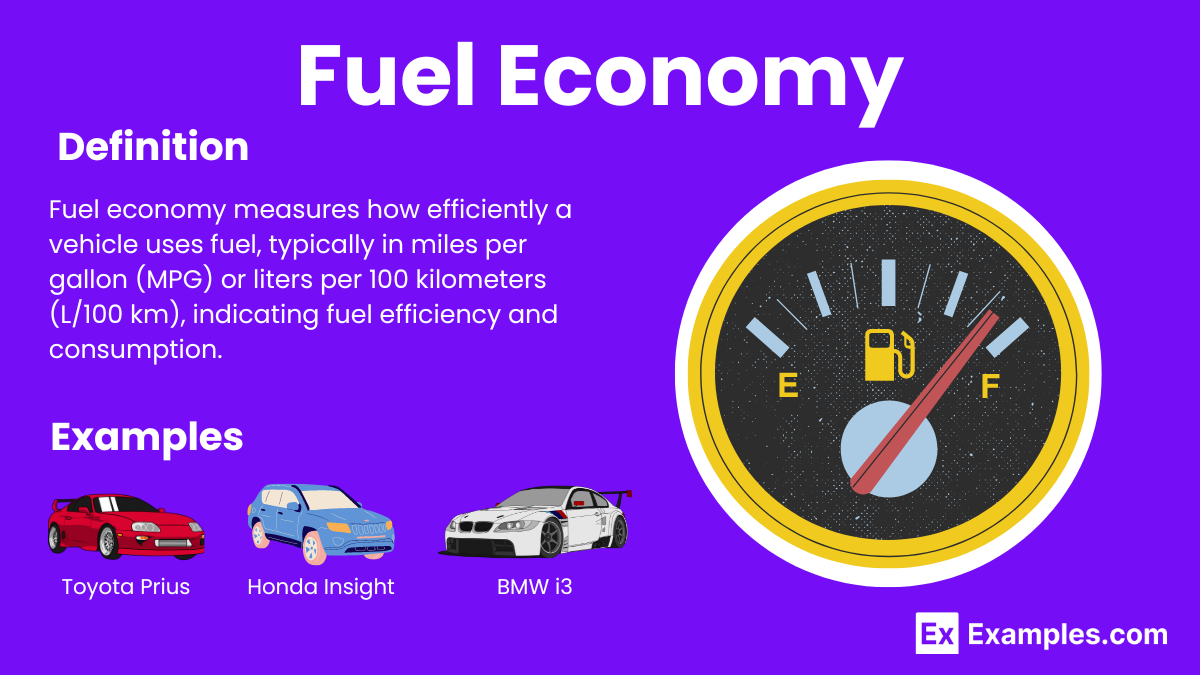
At its core, fuel economy is a measurement of a vehicle’s thermodynamic and mechanical efficiency. Specifically, it calculates how effectively a vehicle converts the chemical potential energy stored in its fuel (or the electrical energy stored in its battery) into kinetic energy and distance traveled, reflecting its overall powertrain efficiency.
In the United States, this efficiency is traditionally expressed in Miles Per Gallon (MPG). For example, a vehicle rated at 30 MPG can theoretically travel 30 miles on a single gallon of gasoline. In many other parts of the world, this metric is inverted and expressed as fuel consumption, typically measured in liters per 100 kilometers (L/100 km).
Understanding MPG vs. MPGe
With the rapid rise of electric vehicles (EVs) and plug-in hybrids (PHEVs), the automotive industry needed a standardized way to compare electric efficiency with traditional combustion engines. To solve this, the Environmental Protection Agency (EPA) developed MPGe (Miles Per Gallon Gasoline Equivalent).
1 Gallon of Gasoline contains approximately 33.7 kilowatt-hours (kWh) of thermal energy.
An electric vehicle that can travel 100 miles on 33.7 kWh of electricity is rated at 100 MPGe.
This metric allows consumers to make direct, side-by-side efficiency comparisons between gas-powered cars, hybrids, and pure EVs.
How the EPA Determines Ratings
The EPA conducts standardized laboratory tests to simulate both city and highway driving conditions. These tests account for real-world variables like air conditioning usage, cold weather startups, and high-speed acceleration. The resulting numbers are displayed on the vehicle’s window sticker (often called the Monroney sticker) as three distinct ratings: City MPG, Highway MPG, and Combined MPG.
Why Fuel Efficiency Matters More Than Ever in 2026
As we navigate 2026, vehicle efficiency is no longer just a secondary consideration for budget-conscious drivers—it is a central pillar of modern transportation. Several factors have converged to make optimizing your mileage absolutely essential.
1. Financial Savings and Inflation Relief
While fuel prices fluctuate, the long-term trend of energy costs continues to put pressure on household budgets. Driving a vehicle with excellent gas mileage acts as a natural hedge against inflation. By choosing a vehicle with high efficiency, you can save thousands of dollars in fuel costs over the lifespan of your vehicle, significantly reducing your long-term operational costs.
2. Stricter Environmental Regulations
Governments worldwide are enforcing aggressive emissions targets. In 2026, Corporate Average Fuel Economy (CAFE) standards and other global emissions standards demand that automakers produce fleets with significantly higher average efficiency and lower greenhouse gas emissions. This regulatory push has accelerated the development of highly advanced, ultra-efficient powertrains.
3. Reducing Environmental Impact
Every gallon of gasoline burned releases roughly 20 pounds of carbon dioxide ($CO_2$) into the atmosphere. Improving your vehicle’s efficiency directly reduces your personal carbon footprint, mitigates local air pollution, and helps combat global climate change.
Real-World Fuel Economy: ICE vs. Hybrid vs. Electric Vehicles
When shopping for a vehicle, understanding the inherent efficiency differences between powertrain types is crucial. Each technology has its own strengths and optimal driving environments.
Internal Combustion Engines (ICE)
Modern gas-powered vehicles are more efficient than ever, thanks to technologies like gasoline direct injection (GDI), turbocharging, and variable valve timing (VVT). However, they are still limited by thermal efficiency limits. Most ICE vehicles convert only about 30% to 40% of the fuel’s energy into movement, with the rest lost as heat.
Best for: Long-distance highway driving where constant speeds minimize shifting and braking.
Average Efficiency: 25 to 40 MPG depending on vehicle size.
Hybrid Electric Vehicles (HEVs)
Hybrids combine a gasoline engine with an electric motor and a small battery pack. They utilize regenerative braking to capture kinetic energy that would otherwise be lost as heat during braking, storing it to assist the engine during acceleration.
Best for: Stop-and-go city traffic and daily commuting.
Average Efficiency: 45 to 55+ MPG.
Plug-In Hybrid Electric Vehicles (PHEVs)
PHEVs feature larger batteries that can be charged from an external power source. They offer a limited all-electric driving range (typically 25 to 50 miles) before transitioning to operate as a standard hybrid.
Best for: Drivers who want emission-free daily commutes but need gas-powered flexibility for long road trips.
Average Efficiency: 70 to 100+ MPGe in electric mode; 35 to 45 MPG in hybrid mode.
Battery Electric Vehicles (BEVs)
Electric vehicles represent the pinnacle of energy efficiency. Electric motors are incredibly efficient, converting over 85% of electrical energy into vehicle movement.
Best for: Almost all driving scenarios, provided reliable charging infrastructure is accessible.
Average Efficiency: 90 to 130+ MPGe.
Practical Tips to Improve Your Vehicle’s Gas Mileage Today
You don’t need to buy a brand-new car to enjoy better efficiency. How you drive and maintain your current vehicle can have a massive impact on your daily consumption. Here are proven, actionable strategies to boost your MPG.
1. Modify Your Driving Habits
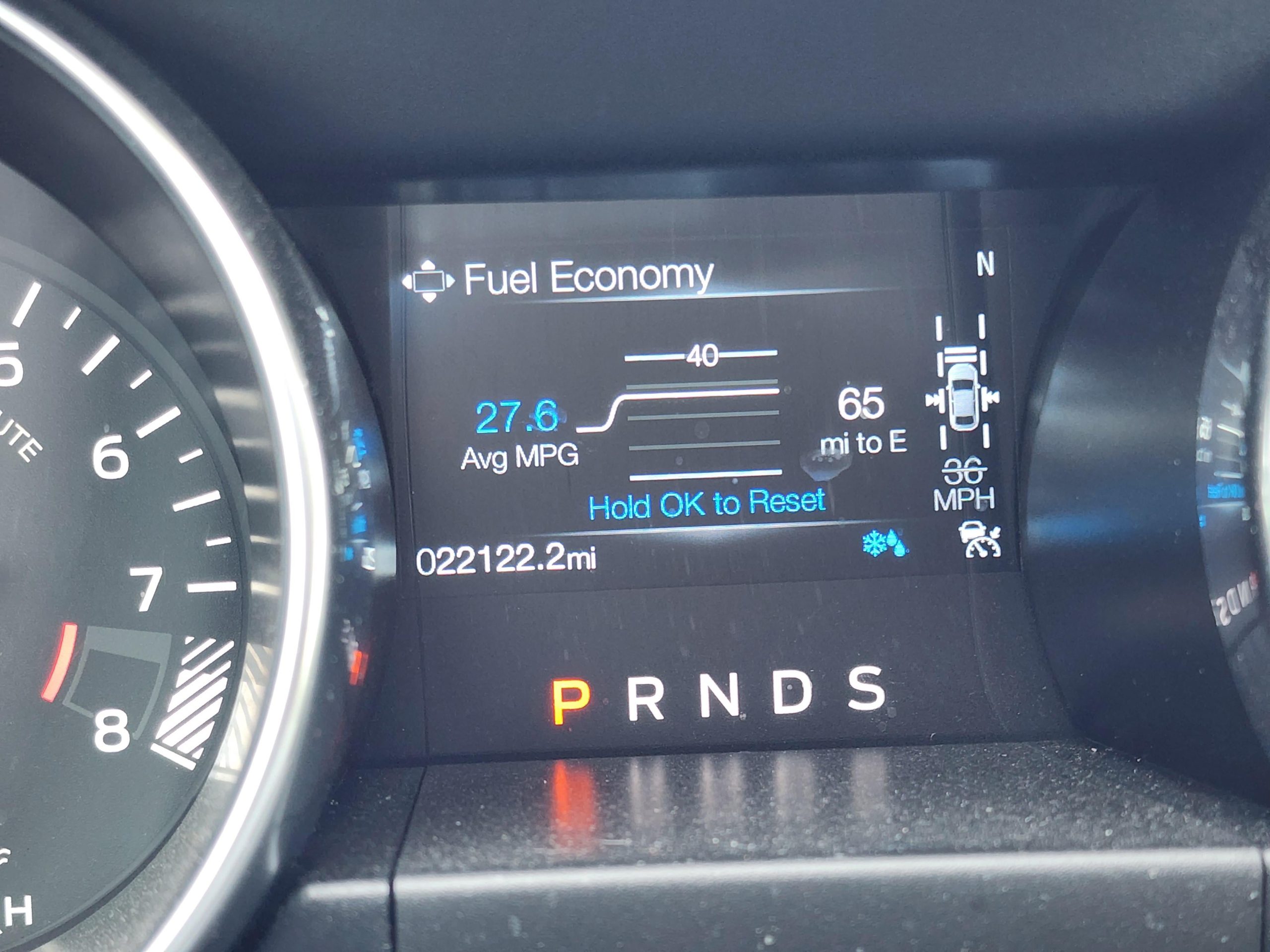
Your right foot is the single greatest variable in your vehicle’s efficiency. Implementing eco-driving techniques can improve your gas mileage by up to 30% on the highway and 10% to 15% around town.
Avoid Aggressive Acceleration: Rapid acceleration and hard braking waste fuel and accelerate wear on tires and brakes. Imagine an egg under your gas pedal and apply pressure smoothly.
Maintain Steady Speeds: Use cruise control on flat highways to maintain a constant speed.
Observe Speed Limits: Fuel economy typically decreases rapidly at speeds above 50 mph. Every 5 mph you drive over 50 mph is equivalent to paying an additional $0.20 to $0.30 per gallon of gas.
Minimize Idling: Modern engines do not require prolonged warming up. If you are parked for more than 10 to 15 seconds, turn off your engine to save fuel.
2. Prioritize Vehicle Maintenance
A well-maintained vehicle operates at peak thermodynamic efficiency. Neglecting basic upkeep can quietly drag down your fuel economy, making regular engine optimization crucial.
Keep Tires Properly Inflated: Under-inflated tires increase rolling resistance, forcing your engine to work harder. Check your tire pressure monthly, or rely on your tire pressure monitoring system (TPMS) if equipped, especially when temperatures drop.
Use the Recommended Motor Oil: Always use the manufacturer-recommended grade of motor oil. Using the wrong viscosity can increase friction in the engine, lowering your MPG.
Replace Clogged Air Filters: While modern fuel-injected engines automatically adjust fuel mixtures, a severely clogged air filter can still hurt acceleration and overall performance.
3. Optimize Aerodynamics and Weight
Your vehicle’s engine must constantly fight wind resistance and gravity. Making your car lighter and sleeker yields immediate benefits through improved aerodynamic design.
Remove Roof Racks and Cargo Boxes: Roof-mounted carriers create immense aerodynamic drag, reducing fuel economy by 2% to 20% depending on your speed. Remove them when they are not in use.
Lighten the Load: Clean out your trunk and backseat. An extra 100 pounds in your vehicle can reduce your MPG by about 1%, highlighting the benefits of vehicle weight reduction.
Manage Your Air Conditioning: At low speeds (city driving), rolling down the windows is more efficient than running the AC. At high speeds (highway driving), roll the windows up to reduce aerodynamic drag and use the air conditioning instead.
How to Compare Vehicles and Use the EPA MPG Finder
If you are in the market for a new or used vehicle, doing your homework on efficiency ratings can save you thousands of dollars down the road. The EPA provides a wealth of free resources designed to help consumers make informed decisions.
Using the FuelEconomy.gov Database
The official government portal allows you to compare up to four vehicles side-by-side. You can view:
- Official EPA City/Highway/Combined Ratings: Standardized data for easy comparison.
- Annual Fuel Cost Estimates: Calculated based on average fuel prices and 15,000 miles of driving per year.
- Greenhouse Gas Ratings: A simple 1-to-10 scale rating the vehicle’s environmental impact.
- User-Submitted Real-World MPG: Real data shared by actual vehicle owners, giving you a realistic expectation of what to expect outside of a laboratory setting. This comprehensive fuel consumption data allows for more informed decision-making.
Key Factors to Keep in Mind When Comparing:
Your Driving Profile: If 80% of your driving is on the highway, pay closer attention to the Highway MPG rating rather than the Combined rating.
Drivetrain Options: All-Wheel Drive (AWD) models almost always get lower fuel economy than their Front-Wheel Drive (FWD) or Rear-Wheel Drive (RWD) counterparts due to increased weight and mechanical friction.
Trim Levels: Larger wheels, sport-tuned suspensions, and heavy panoramic sunroofs on premium trims can negatively impact a vehicle’s overall efficiency.
Common Fuel Economy Myths Debunked
There is no shortage of bad advice when it comes to saving fuel. Let’s set the record straight on a few common misconceptions.
Myth 1: Premium fuel will instantly improve my car’s MPG.
The Reality: Unless your vehicle’s manual explicitly states that premium fuel is required or recommended, using high-octane gasoline is a waste of money. It will not improve your fuel economy, increase horsepower, or clean your engine any better than regular unleaded.
Myth 2: You must warm up your engine for several minutes in the winter.
The Reality: Modern electronic fuel-injection systems require no more than 30 seconds of idling before they are ready to drive. Driving gently is actually the fastest and most efficient way to bring your engine up to operating temperature.
Myth 3: Manual transmissions are always more efficient than automatics.
- The Reality: While this was true decades ago, modern automatic transmissions, continuously variable transmissions (CVTs), and dual-clutch setups feature advanced computer programming and more gear ratios than manual gearboxes, making them highly optimized for efficiency.
Conclusion: The Path Forward for Smart Drivers
Optimizing your vehicle’s fuel economy is a win-win scenario. By adopting mindful driving habits, keeping up with regular maintenance, and utilizing modern tools to choose efficient vehicles, you can significantly lower your cost of ownership while contributing to sustainable transportation and a cleaner, healthier environment.
As automotive technology continues to evolve rapidly through 2026 and beyond, staying informed is your best tool for saving money at the pump or the charging station. Start by implementing just two or three of the tips mentioned above on your next trip, and watch your efficiency climb!