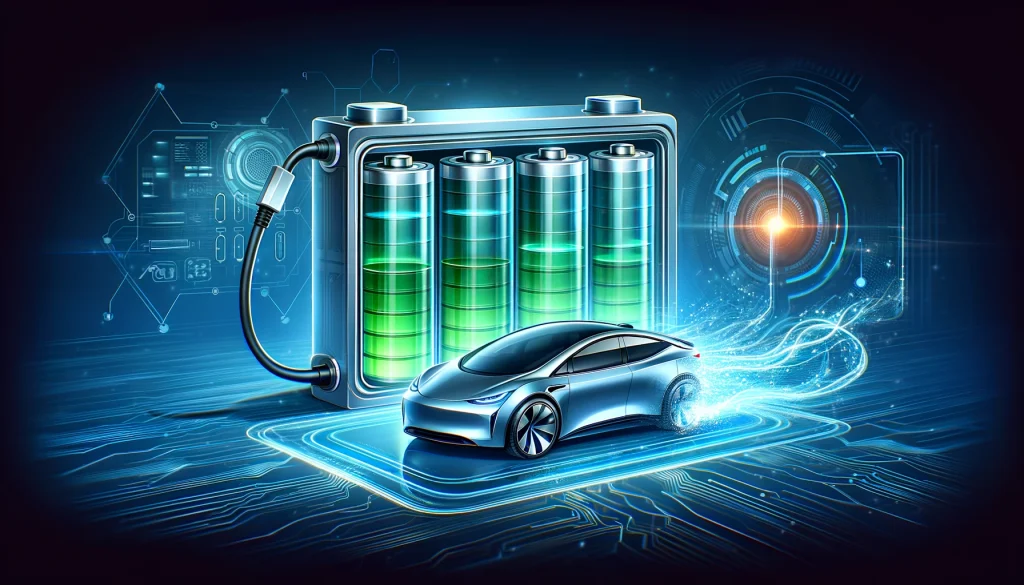
The global energy transition is no longer a distant promise—it is happening right now, under the hood of our vehicles, within our electrical grids, and inside the devices in our pockets. At the heart of this massive shift is battery tech, the silent engine driving the decarbonization of our world. As we navigate 2026, the demand for safer, faster-charging, and more sustainable energy storage solutions has pushed researchers and manufacturers past the limits of traditional lithium-ion battery technology.
We are witnessing an unprecedented convergence of materials science, focusing on advanced battery materials, artificial intelligence, and manufacturing scale. This guide explores the groundbreaking innovations, market shifts, and real-world challenges defining the state of battery tech today.
The Current Landscape: Where Battery Tech Stands in 2026
To understand where we are going, we must look at how rapidly the market has scaled. According to the International Energy Agency (IEA) Global Energy Review, battery storage has become the fastest-growing power technology on Earth.
In 2025 alone, global deployments of new battery storage capacity reached a staggering 108 GW—a 40% increase compared to the previous year. To put this in perspective, our current global installed capacity is now eleven times higher than it was just five years ago in 2021.
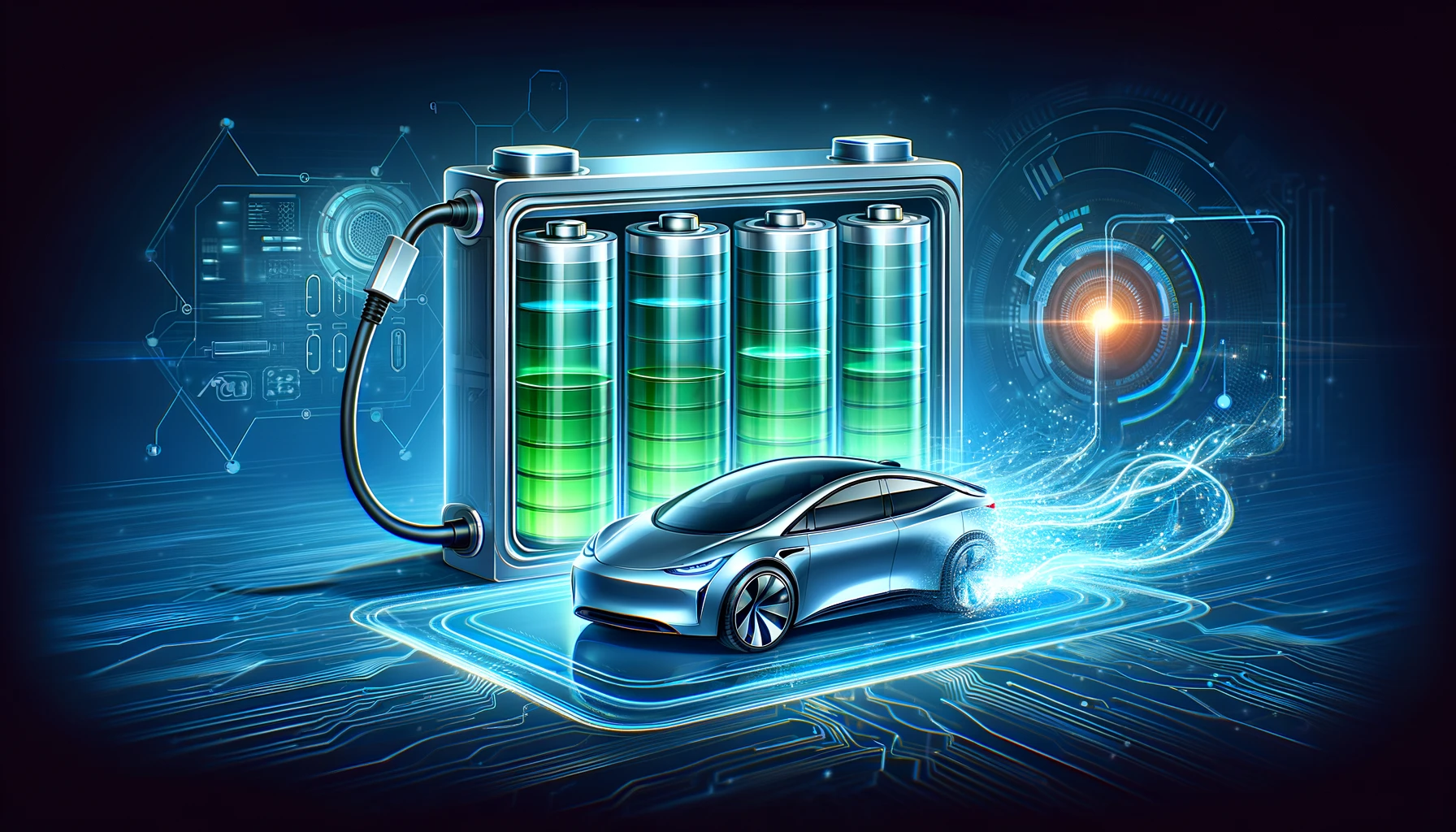
The Dominance of Lithium-Iron Phosphate (LFP)
While early electric vehicle batteries and consumer electronics relied heavily on Nickel Manganese Cobalt (NMC) chemistries due to their high energy and power density, the market has undergone a massive realignment. Today, Lithium-Iron Phosphate (LFP) batteries account for approximately 90% of new energy storage deployments.
Why has LFP taken over?
Cost Efficiency: LFP chemistries bypass expensive and geopolitically sensitive materials like cobalt and nickel.
Enhanced Safety: They are significantly less prone to thermal runaway (catching fire) compared to NMC.
Superior Lifespan: LFP cells can endure thousands of charge-discharge cycles with minimal degradation, making them ideal for stationary grid storage and budget-friendly EVs.
However, LFP is not a one-size-fits-all solution. Because it is less energy-dense than rival chemistries, premium electric vehicle batteries, aerospace applications, and high-performance devices still require alternative, next-generation solutions.
Beyond Lithium-Ion: The Breakthrough Chemistries to Watch
As we push the physical boundaries of conventional lithium-ion battery technology and liquid-electrolyte lithium batteries, a wave of novel chemistries and advanced battery materials is transitioning from university laboratories to commercial pilot lines. Here are the most promising innovations reshaping the industry in 2026.
1. Solid-State Batteries: The Holy Grail of Energy Density
For years, solid-state technology was viewed as a distant dream. In 2026, we are finally seeing the first commercial integrations in premium electric vehicles and specialized aerospace projects.
By replacing the volatile liquid electrolyte found in traditional batteries with a solid material—such as ceramics, polymers, or glass—solid-state batteries offer game-changing benefits:
Double the Energy Density: They can store up to twice the energy of a standard lithium-ion battery of the same weight.
Near-Instant Charging: Capable of charging from 0% to 80% in under ten minutes without damaging the cell structure.
Absolute Safety: Solid electrolytes are non-flammable, eliminating the risk of catastrophic battery fires.
2. Sodium-Ion Batteries: The Low-Cost, Abundant Alternative
While lithium remains highly sought after, its supply chain is vulnerable to geopolitical bottlenecks. Enter sodium-ion battery tech.
Sodium is incredibly abundant, cheap, and easily sourced from common salt. While sodium-ion batteries have a lower energy density than lithium-ion, they perform exceptionally well in extremely cold temperatures and are highly stable. In 2026, sodium-ion has emerged as the premier choice for stationary utility-scale grid-scale energy storage and urban micro-mobility vehicles (like electric scooters and budget commuter cars).
3. Silicon and Graphene Anodes: Boosting the Speed Limits
Traditional battery cathode and anode materials are evolving rapidly. For anodes, graphite is common. However, replacing or blending graphite with silicon allows the anode to hold significantly more lithium ions.
Historically, silicon anodes suffered from a major flaw: they would swell and crack during charging. Modern engineering has solved this by utilizing graphene-based coatings and silicon nanoparticles. This hybrid approach prevents degradation, allowing consumer electronics and premium EVs to charge at lightning speeds while maintaining a long operational life.
Solving the Scale-Up and Supply Chain Bottlenecks
Developing a revolutionary chemistry in a cleanroom is one thing; battery manufacturing at a gigawatt scale is another. Industry gatherings, such as The Battery Show Europe, have highlighted that the transition to next-generation battery tech is currently bottlenecked by three critical pillars:
Supply Chain Dependency
The raw materials required for advanced battery materials—lithium, cobalt, nickel, and high-purity graphite—remain concentrated in a handful of geographical regions. To counter this, the United States and the European Union have implemented aggressive domestic manufacturing mandates.
By expanding domestic mineral processing and implementing strict demand-side strategies, western nations are working to narrow material shortages. However, building mines and refineries takes years, making battery recycling infrastructure a vital secondary source of raw materials.
Workforce Development
The rapid expansion of gigafactories and advanced battery manufacturing has outpaced the availability of skilled labor. Operating highly automated, ultra-dry manufacturing environments requires specialized knowledge in electrochemistry, robotics, and precision engineering. Industrialized nations are heavily investing in vocational training and university partnerships to bridge this talent gap.
Cost Competitiveness
New technologies must compete with the incredibly optimized cost structures of legacy lithium-ion production. Scale is the only way to drive down the cost-per-kilowatt-hour ($/kWh). Until solid-state and sodium-ion facilities reach gigafactory scale, they will remain premium or niche solutions.
The Evolution of Charging Infrastructure and Management Systems
A battery is only as good as the system that manages it. The physical evolution of cell chemistry has been matched step-for-step by advancements in digital diagnostics and smart charging infrastructure.
Modern battery tech relies heavily on AI-driven Battery Management Systems (BMS). These systems act as the “brain” of the battery pack, constantly monitoring voltage, temperature, and internal resistance at the individual cell level.
[Battery Cells] ---> [AI-Powered BMS] ---> [Thermal Management] ---> [Optimized Output/Charge]
Key Advancements in Smart Charging:
Predictive Diagnostics: By analyzing charging patterns, modern BMS software can predict cell failures weeks before they occur, preventing thermal incidents.
Active Thermal Control: Advanced thermal management systems, utilizing liquid-cooling and phase-change materials, keep batteries within their optimal temperature window (typically 15°C to 35°C), dramatically extending their lifespan.
- Vehicle-to-Grid (V2G) Integration: In 2026, EVs are no longer just energy consumers; they are mobile power banks. V2G technology allows parked EVs to feed electricity back into the grid during peak demand hours, earning money for vehicle owners and stabilizing the local power grid.
Real-World Applications: Where Next-Gen Batteries Are Deployed
The ripple effects of advanced energy storage are reshaping multiple industries simultaneously.
1. Renewable Energy Grids
Solar and wind energy are inherently intermittent—the sun doesn’t always shine, and the wind doesn’t always blow. Massive grid-scale energy storage systems (BESS) act as giant shock absorbers for the grid, storing excess clean energy during peak production and releasing it when demand surges. Sodium-ion and LFP chemistries are leading this revolution, making fossil-fuel “peaker plants” obsolete.
2. Electric Aviation and eVTOLs
Electric Vertical Takeoff and Landing (eVTOL) aircraft—often referred to as flying taxis—require batteries with an incredibly high power density and power-to-weight ratio. Traditional lithium-ion was simply too heavy to make commercial electric flight viable. The commercialization of solid-state battery tech in 2026 has opened the door to regional electric aviation, enabling quiet, zero-emission travel between neighboring cities.
3. Consumer Electronics
Imagine a smartphone that fully charges in five minutes and only needs to be plugged in once every three days. Thanks to silicon-anode and graphene-hybrid technologies, the wear-and-tear associated with fast charging has been neutralized. Wearables, medical implants, and laptops are becoming smaller, safer, and longer-lasting than ever before.
Strategic Mistakes to Avoid in the Battery Space
For businesses, investors, and developers looking to capitalize on the energy storage boom, navigating this fast-paced market requires avoiding several common pitfalls:
- Chasing “Hype” Chemistries Prematurely: Do not mistake a breakthrough laboratory press release for an immediate commercial product. It typically takes 7 to 10 years for a new battery chemistry to move from a lab bench to mass production.
- Ignoring Lifecycle Sustainability: Regulators, particularly in the EU, are enforcing strict “battery passport” systems. Manufacturers must prove the ethical sourcing of raw materials and design packs with end-of-life recycling in mind.
- Underestimating Software: Hardware is only half the battle. Investing in superior battery chemistry while neglecting the Battery Management System (BMS) will result in poor performance, shorter lifespans, and safety risks.
Conclusion
The evolution of battery tech is the defining technological story of the mid-2020s. From the rapid global deployment of cost-effective LFP grid storage to the exciting commercialization of solid-state and sodium-ion cells, we are no longer constrained by the limitations of yesterday’s lithium-ion designs.
As we look toward the remainder of 2026, the focus must remain on securing regional supply chains, training a highly skilled workforce, and refining battery recycling infrastructure. By solving these structural challenges, next-generation energy storage solutions will continue to unlock a cleaner, more mobile, and fully sustainable global economy.