The moment you decide to learn to drive, a familiar debate emerges: manual or automatic? For many beginners, this choice feels monumental, shaping not just their initial driving lessons and learning curve but their entire driving experience. In 2026, with evolving automotive technology and a diverse market, understanding the nuances of Manual vs Automatic Cars: Which Is Better for Beginners? is more critical than ever. This decision impacts everything from your confidence behind the wheel and daily stress levels to the cost of your first car, its availability, and ultimately, the type of driver’s license you’ll obtain. Let’s dive deep into this age-old question to help you make the smartest choice for your driving journey.

The Core Differences: Understanding Transmissions
Before we weigh the pros and cons for beginners, it’s essential to grasp the fundamental differences between manual and automatic transmissions. This understanding is key to deciphering which type of car is better suited for you as a new driver, especially when considering Manual vs Automatic Cars: Which Is Better for Beginners?.
Manual Transmission: The Driver’s Engagement
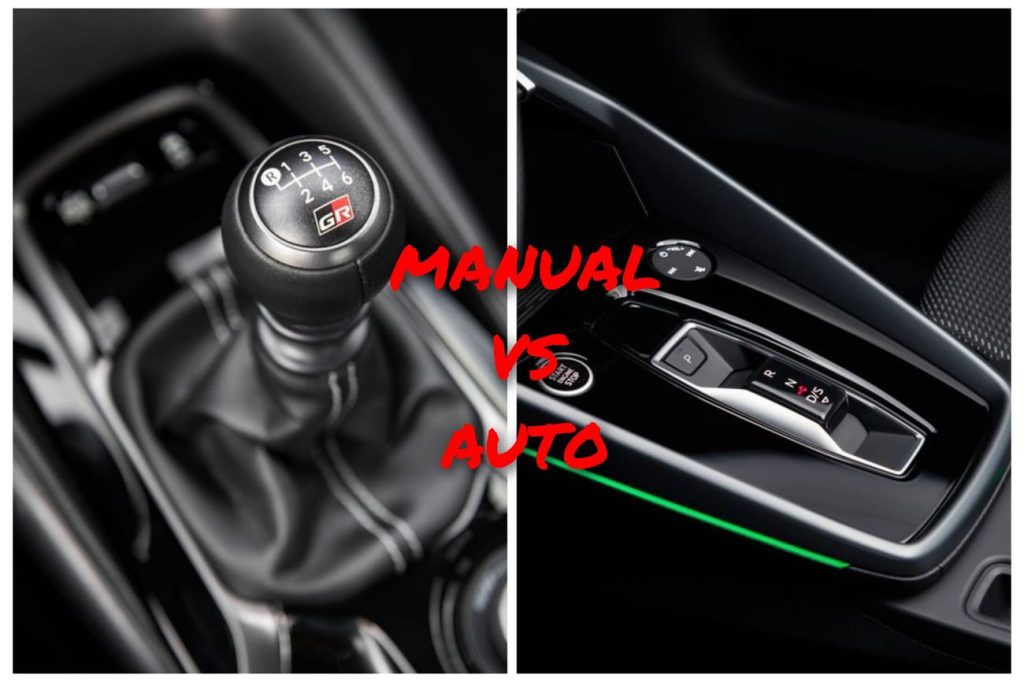
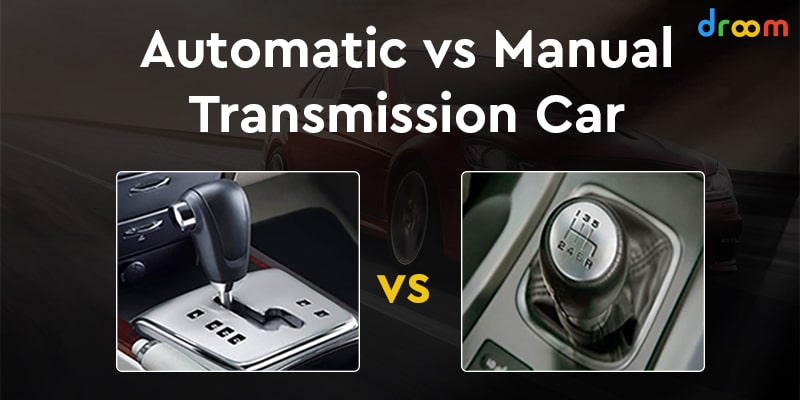
A manual transmission, often called a “stick shift,” requires the driver to actively participate in gear changes. This involves a clutch pedal (operated by the left foot) and a gear stick. To change gears, you must:
Depress the clutch pedal with your left foot.
Move the gear stick to the desired gear.
Release the clutch pedal smoothly while simultaneously applying accelerator with your right foot.
This process requires precise clutch control, coordination, and timing. For many, the engagement and control offered by a manual transmission are its biggest draws. It can foster a deeper connection with the vehicle and the act of driving.
Automatic Transmission: The Simplicity Factor
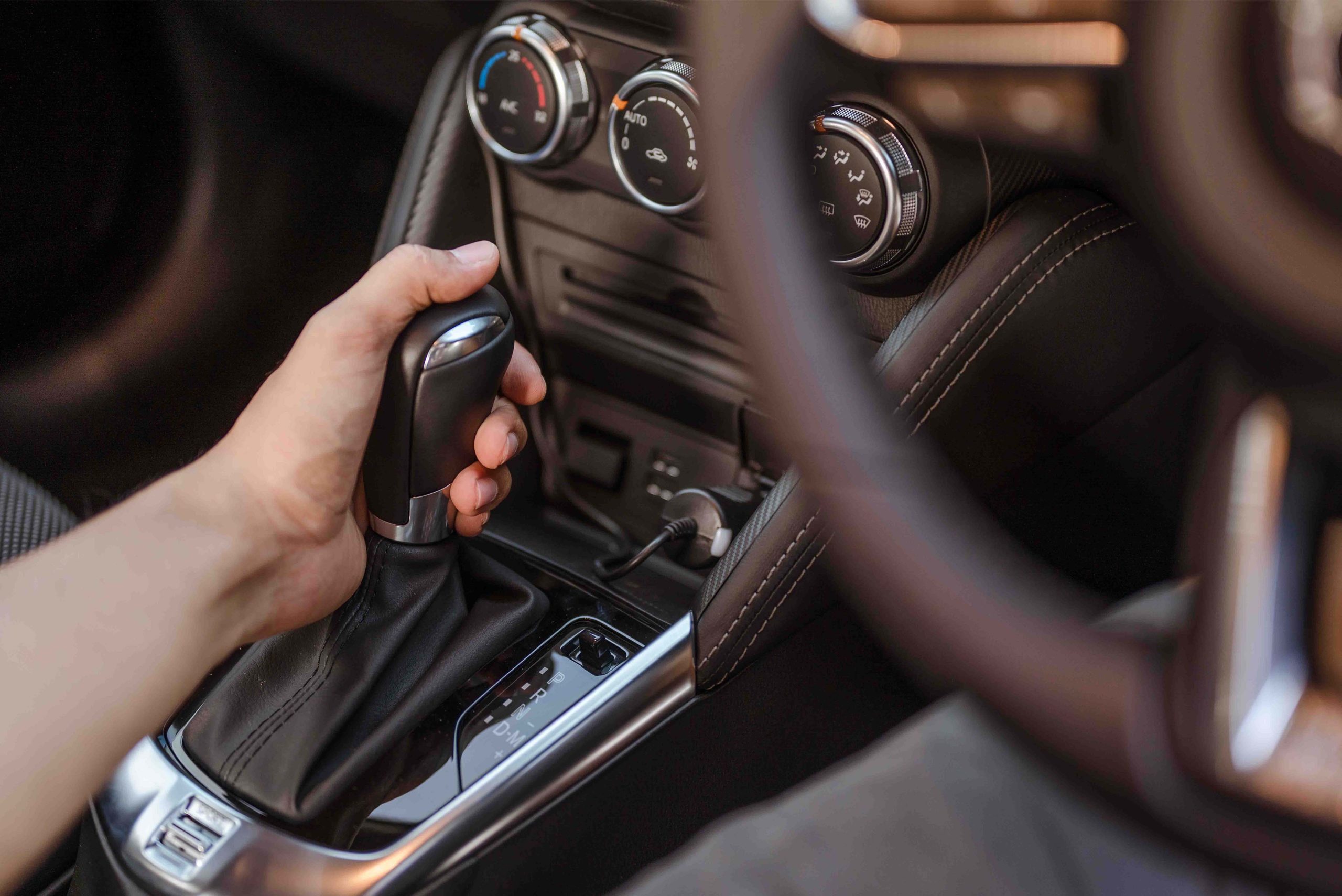
An automatic transmission, on the other hand, handles gear changes for you. The driver only needs to manage the accelerator and brake pedals. The gear selector typically has positions like:
P (Park): Locks the transmission to prevent movement.
R (Reverse): For driving backward.
N (Neutral): Disengages the transmission, allowing the car to roll freely.
D (Drive): The primary setting for forward motion, where the car automatically shifts through gears as needed.
Some modern automatics also offer manual modes (e.g., paddle shifters or +/- on the gear stick), allowing for some driver control, but the core function remains automated. The simplicity of operation is the hallmark of automatic cars.
Manual vs Automatic Cars: Which Is Better for Beginners? The Beginner’s Dilemma
The question of Manual vs Automatic Cars: Which Is Better for Beginners? isn’t about which is inherently superior, but rather which aligns best with a learner driver’s individual learning style, confidence levels, and driving environment.
The Case for Automatic: Easing into Driving
For many new drivers, when considering Manual vs Automatic Cars: Which Is Better for Beginners?, the automatic transmission presents a significantly less daunting entry point into the world of driving. The reduced complexity can lead to a faster acquisition of fundamental driving skills during driving lessons.
Reduced Learning Curve: Without the need to master clutch control and gear shifting simultaneously, beginners can focus on steering, braking, accelerating, and understanding traffic rules. This can make the initial driving lessons less stressful and more productive, leading to a smoother driving test experience.
Confidence Boost: Successfully navigating traffic without the fear of stalling can significantly boost a beginner’s confidence. This is particularly true for those who might be anxious about driving.
Simpler in Stop-Start Traffic: Urban driving, characterized by frequent stops and starts, is considerably less taxing in an automatic. You don’t have to worry about constantly engaging and disengaging the clutch, which can be tiring and frustrating in heavy traffic.
Focus on the Road: By automating gear changes, the driver can dedicate more mental energy to observing their surroundings, anticipating hazards, and making safer decisions, significantly enhancing overall road safety for novice drivers. This is a crucial aspect of novice driving.
The Case for Manual: Building Foundational Skills
While seemingly more challenging, learning to drive a manual car can offer distinct advantages that might benefit certain beginners in the long run, providing a different perspective on Manual vs Automatic Cars: Which Is Better for Beginners?.
Deeper Understanding of Vehicle Mechanics: Operating a manual transmission forces a beginner to master clutch control and understand how the car’s engine, clutch, and gears work together. This can lead to a more intuitive feel for the vehicle and better anticipation of its behavior.
Enhanced Control: Manual drivers often feel a greater sense of control over their vehicle, especially in challenging conditions like steep hills or slippery surfaces. They can select the optimal gear for the situation.
Potential for Better Fuel Economy (Historically): While modern automatics are incredibly efficient, historically, manual transmissions often offered better fuel economy. For budget-conscious beginners, this could be a factor, though the gap has narrowed significantly.
Wider Availability and Potentially Lower Cost: In some markets, manual cars might be more readily available and potentially cheaper to purchase, especially for used vehicles. This can be a significant advantage for a first-time car buyer.
Preparation for All Vehicles: If you learn on a manual, you can drive any car, whether it’s manual or automatic, granting you a full driver’s license without restrictions. Conversely, learning solely on an automatic will lead to an automatic driving license, limiting you to automatic vehicles. This versatility can be invaluable for your driving test and future driving needs.
Key Considerations for Beginners in 2026
When deciding between Manual vs Automatic Cars: Which Is Better for Beginners?, consider these contemporary factors:
1. Your Learning Style and Anxiety Levels
Are you someone who thrives on challenge and enjoys mastering complex systems, or do you prefer a simpler, more straightforward approach when weighing Manual vs Automatic Cars: Which Is Better for Beginners??
Anxious Drivers: If you’re prone to anxiety about driving, particularly the fear of stalling or making mistakes in traffic, an automatic is likely the more comfortable and confidence-building choice.
Detail-Oriented Learners: If you enjoy understanding how things work and appreciate a direct connection with your vehicle, a manual might be more rewarding.
2. Your Daily Driving Environment
Where will you be doing most of your driving? This is a crucial factor in determining the practicality of each transmission type.
Urban Driving (Stop-and-Go): For city dwellers who anticipate spending a lot of time in traffic, an automatic is a clear winner for comfort and reduced stress.
Suburban/Rural Driving (Open Roads): If your driving will primarily involve less congested roads with fewer stops, the appeal of a manual might increase. However, even here, the ease of an automatic is hard to ignore.
Hilly Terrain: Driving on steep inclines can be challenging for manual beginners, with the risk of rolling backward. While some modern manual cars offer features like hill start assist, automatics generally handle hills with greater ease.
3. Cost and Availability in 2026
The automotive market is constantly evolving. While manuals were once the more affordable option, the landscape is shifting.
New Car Market: In 2026, the trend towards electrification and advanced driver-assistance systems (ADAS) means that fewer new cars are offered with manual transmissions. Many manufacturers are phasing them out. This makes automatics the default and often the only option for many new models.
Used Car Market: You can still find a wide selection of used manual cars, and they may offer a lower entry price point for a first vehicle, though their resale value can fluctuate more than automatics in some markets. However, the cost savings might be offset by potential future maintenance costs and differences.
Insurance Costs: While historically manual cars could sometimes be cheaper to insure due to perceived lower accident rates, this is not a universal rule and can vary significantly by region and individual driver profile.
4. The Future of Driving: Electrification and Automatics
As we move further into the 2020s and towards 2026 and beyond, electric vehicles (EVs) are becoming increasingly prevalent.
EVs are Primarily Automatic: Almost all electric vehicles utilize a single-speed automatic transmission. Learning to drive an automatic car now prepares you for the dominant transmission type of the future.
ADAS Integration: Modern cars, whether manual or automatic, are equipped with advanced driver-assistance systems. These systems often integrate seamlessly with automatic transmissions, enhancing safety and ease of driving.
Making the Choice: Practical Tips for Beginners
To help solidify your decision on Manual vs Automatic Cars: Which Is Better for Beginners?, consider these practical steps:
1. Take Test Drives in Both
There’s no substitute for experience. If possible, arrange for comprehensive driving lessons or test drives in both a manual and an automatic car. This hands-on experience will give you a true feel for what each transmission type entails.
Focus on Feel: Pay attention to how your body feels. Are you tense trying to coordinate the clutch and gear stick? Or do you feel more relaxed and in control with the automatic?
Simulate Real Conditions: If possible, drive on roads that mimic your expected daily commute. Try a few hill starts in a manual if you’re considering it.
2. Discuss with Your Driving Instructor
Your driving instructor is a valuable resource. They can assess your aptitude and provide personalized advice based on their experience with countless beginner drivers.
Ask for Their Recommendation: Be open about your concerns and ask for their honest opinion on which transmission type would be best for your learning journey.
Understand Their Teaching Method: Some instructors might be more comfortable teaching manual, while others might focus on automatics due to market trends.
3. Consider Your Long-Term Goals
While your first car is important, think about your future driving needs and preferences.
Do you plan to drive performance cars? Many sports cars still offer manual options, and some enthusiasts prefer them for the driving experience.
Do you anticipate needing a car for varied conditions or terrains? If so, the control offered by a manual might be a consideration, but modern automatics are highly capable.
Common Pitfalls to Avoid
When navigating the Manual vs Automatic Cars: Which Is Better for Beginners? decision, beware of these common mistakes:
Assuming Manual is Always Cheaper: While this was once true, the price difference in the used market can be negligible, and the cost of learning manual might involve more lessons.
Ignoring Your Comfort Level: Don’t let peer pressure or outdated notions dictate your choice. Your comfort and confidence are paramount for road safety and becoming a proficient driver.
Overlooking the Future: With the automotive industry’s rapid shift towards automatics and EVs, learning automatic now is a practical preparation for the road ahead.
Not Practicing Enough: Whichever you choose, consistent practice is key to becoming a confident and competent driver, especially when preparing for your driving test.
Conclusion: Your Best First Car Experience
Ultimately, the question of Manual vs Automatic Cars: Which Is Better for Beginners? is deeply personal. In 2026, the automotive landscape leans heavily towards automatics due to technological advancements and the rise of electric vehicles, influencing the ongoing debate of Manual vs Automatic Cars: Which Is Better for Beginners?. For the vast majority of learner drivers, an automatic transmission offers a smoother, less stressful, and more confidence-inspiring introduction to driving. It allows you to focus on the essential skills of road awareness and safe navigation without the added complexity of clutch and gear management.
However, if you are a mechanically inclined individual, seeking a deeper connection with your vehicle, or specifically looking for a more affordable used car and are willing to put in the extra effort, a manual can still be a rewarding choice. It builds a strong foundation of vehicle control.
Your first car is a significant step. By carefully considering your personal preferences, your typical driving environment, and the current automotive trends, you can make an informed decision that sets you up for a lifetime of safe and enjoyable driving. Whether you choose manual or automatic, the journey to becoming a skilled driver begins with making the right choice for you.