
The automotive landscape is undergoing a seismic shift. As we move deeper into 2026, the challenge is no longer just about building electric vehicles (EVs) with longer ranges, but about optimizing the intelligence that governs their energy consumption through advanced predictive energy optimization. The breakthrough technology currently redefining this space is the integration of Satellite AI into vehicle energy management systems (EMS).
By merging real-time orbital data with onboard artificial intelligence, vehicles are evolving from reactive machines into proactive energy-efficient navigators. This article explores How to optimize vehicle “Energy Management” via satellite AI, which is setting the gold standard for EV efficiency, battery longevity, battery degradation prevention, and smart charging.
The Convergence of Space-Grade Data and Automotive AI
In 2026, the concept of “energy management” has transcended simple battery monitoring. It now involves a complex orchestration of weather patterns, topography, real-time traffic data integration, and grid availability. Satellite AI acts as the “eyes in the sky” for these vehicles.
<img alt="Leveraging Data Analytics to Optimize Electric Vehicle Performance …" src="https://automobilesat.com/wp-content/uploads/2026/05/leveraging-data-analytics-optimize-electric-vehicle-performance-enhance-efficiency-prolong-battery-life-concept-electric-vehicles-data-analytics-performance-optimization_918839-110010.jpg” style=”max-width:100%; height:auto; border-radius:8px; margin: 1rem 0;” />
Satellite-based systems provide high-resolution topographical data that allows the vehicle’s AI to predict energy expenditure with near-perfect accuracy. By knowing the precise elevation changes and surface conditions of a route miles ahead, the EMS can dynamically adjust powertrain operations and utilize precise energy consumption forecasting to minimize waste.
How Satellite AI Transforms Battery Health and Performance
Battery health is the heartbeat of the EV experience. Modern AI-driven systems, often supported by robust cloud-based analytics, now utilize satellite telemetry to influence thermal management and charging cycles.
Predictive Thermal Control: By pulling satellite weather data, the vehicle pre-conditions the battery pack before the driver even starts their commute, ensuring optimal operating temperatures.
Energy-Aware Routing: The AI calculates the most energy-efficient route, not necessarily the fastest one, by analyzing real-time road conditions reported by satellite sensors.
- Charging Schedule Optimization: By integrating with the power grid and intelligent charging infrastructure via satellite communication, EVs can time their charging to coincide with peak renewable energy production, lowering costs and grid strain.
<img alt="AI-Driven Energy Management Systems for Autonomous Charging" src="https://automobilesat.com/wp-content/uploads/2026/05/siryugi_AI-Driven_Energy_Management_Systems_Fleets_of_Autonom_559ad6ef-7107-4281-9695-21a0a766b8a7_0-768×430-1.png” style=”max-width:100%; height:auto; border-radius:8px; margin: 1rem 0;” />
The 2026 Standard: Beyond Simple Range Estimation
In the past, range estimation was notoriously unreliable. Today, the integration of satellite-linked AI allows for “Charge Assurance.” This means that the vehicle doesn’t just guess how much range is left; it knows, with high certainty, the impact of upcoming terrain, ambient temperature, and even wind resistance—all gathered from satellite atmospheric data, further enhancing the capabilities of advanced driver-assistance systems (ADAS).
This level of optimization is crucial for advanced Vehicle-to-grid (V2G) technology. When the vehicle is plugged in, the AI acts as an energy trader, using satellite data to determine the best time to feed power back to the grid, maximizing the owner’s financial return while maintaining battery health.
Addressing Challenges in Data-Driven Energy Management
Despite the obvious benefits, implementing satellite AI for energy management comes with hurdles. The primary challenge is latency in data processing and the need for high-speed, secure communication between the satellite constellation and the vehicle, often leveraging sophisticated edge AI processing.
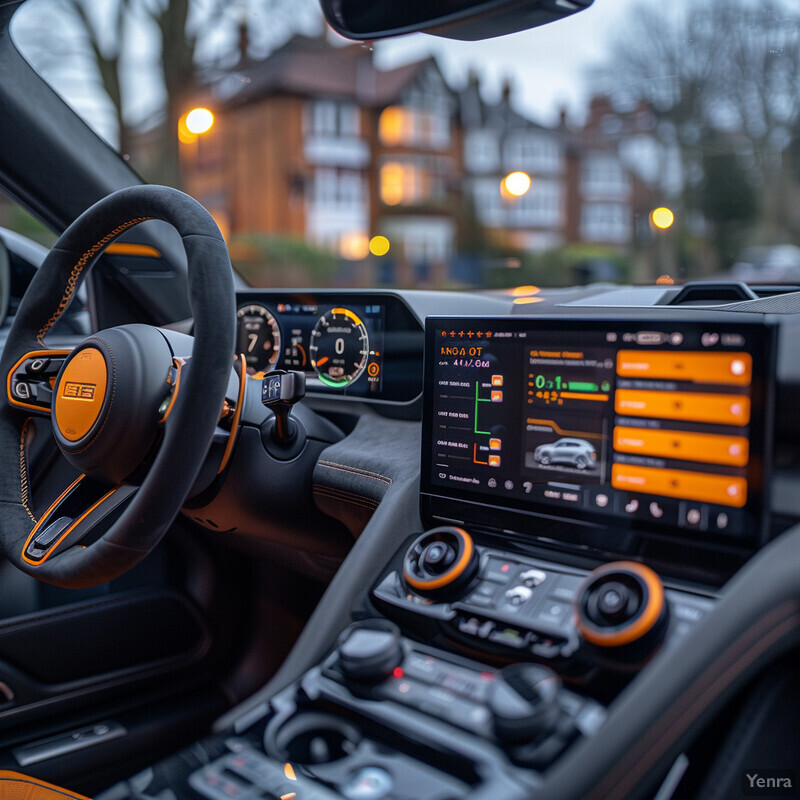
However, the rapid deployment of LEO (Low Earth Orbit) satellites in 2026 has significantly reduced these latency issues. Furthermore, edge computing on the vehicle itself allows the AI to make split-second decisions without needing constant cloud connectivity, ensuring safety even in remote areas with poor terrestrial network coverage.
The Future: Autonomous Energy Intelligence
As we look toward the remainder of 2026 and beyond, the goal is total automation, driving us closer to truly sustainable mobility solutions. Future iterations of these systems will likely manage the entire lifecycle of the vehicle’s energy use without any human intervention. From finding the nearest ultra-fast, clean-energy charger to automatically adjusting regenerative braking intensity based on satellite-detected traffic flow, the vehicle is becoming a truly autonomous energy manager.
For fleet operators, this technology is a game-changer. By centralizing the management of dozens of vehicles via satellite AI, logistics companies can see a 15-20% increase in overall energy efficiency, drastically reducing operational overhead and carbon footprints.
Conclusion
Optimizing vehicle energy management via satellite AI is no longer a futuristic concept—it is the reality of the 2026 automotive market. By leveraging high-resolution topographical data, predictive weather modeling, and smart grid connectivity, manufacturers are providing drivers with more range, better battery longevity, effective battery degradation prevention, and lower costs.
As the technology matures, we can expect energy management systems to become even more invisible, seamless, and effective. Whether you are an EV owner looking to maximize your battery life or a fleet manager aiming for peak efficiency, embracing these satellite-powered AI solutions is the definitive way forward.