
The automotive landscape is undergoing a seismic shift. As we move further into 2026, the modern vehicle has evolved from a simple mode of transportation into a sophisticated mobile hub. At the heart of this transformation is the rapid expansion of Ka-band satellite technology, which is fundamentally redefining how passengers interact with entertainment, navigation, and digital services on the road.
While cellular networks have long been the backbone of vehicle connectivity, they often struggle with coverage gaps in rural areas or high-speed transit corridors. The integration of Ka-band satellite systems is bridging this divide, offering the high-bandwidth, low-latency connectivity required to power the next generation of automotive infotainment.
Why Ka-Band is the New Gold Standard for Vehicles
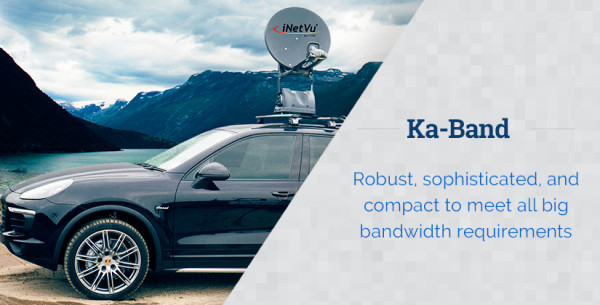
The Ka-band spectrum, operating between 26.5 and 40 GHz, provides the massive data throughput necessary to support high-definition streaming, cloud-based gaming, and real-time telematics. Unlike lower frequency bands, Ka-band allows for smaller, more efficient antenna arrays—a critical requirement for seamless integration into vehicle rooftops.
Beyond Cellular: Solving the Connectivity Gap
Cellular networks, including 5G, are excellent for urban environments, but they remain prone to dead zones in mountainous regions or vast stretches of highway. SATCOM on the Move (SOTM) technology allows vehicles to maintain a persistent connection to orbiting satellites. This ensures that whether a user is streaming 4K video or accessing live navigation updates, the connection remains uninterrupted, regardless of the vehicle’s location.
Enhancing the Automotive Infotainment Experience
By 2026, the expectations of the modern driver have shifted. Passengers now expect an in-cabin experience that mirrors their home digital environment. Ka-band satellite growth is directly fueling several key entertainment trends:
High-Definition Streaming: With increased bandwidth, vehicles can now support multiple simultaneous 4K streams for rear-seat entertainment systems without buffering.
Cloud-Based Gaming: Low-latency satellite links enable real-time cloud gaming, turning the backseat into a competitive gaming arena.
Over-the-Air (OTA) Updates: Beyond entertainment, high-speed satellite links allow for massive software updates to be pushed to vehicles instantly, ensuring that infotainment interfaces are always running the latest features.
Integrated Digital Cockpits: Enhanced connectivity allows for personalized AI assistants that sync with a user’s home or work cloud, providing a truly seamless transition from the office to the driver’s seat.
The Technical Evolution of Automotive Antennas
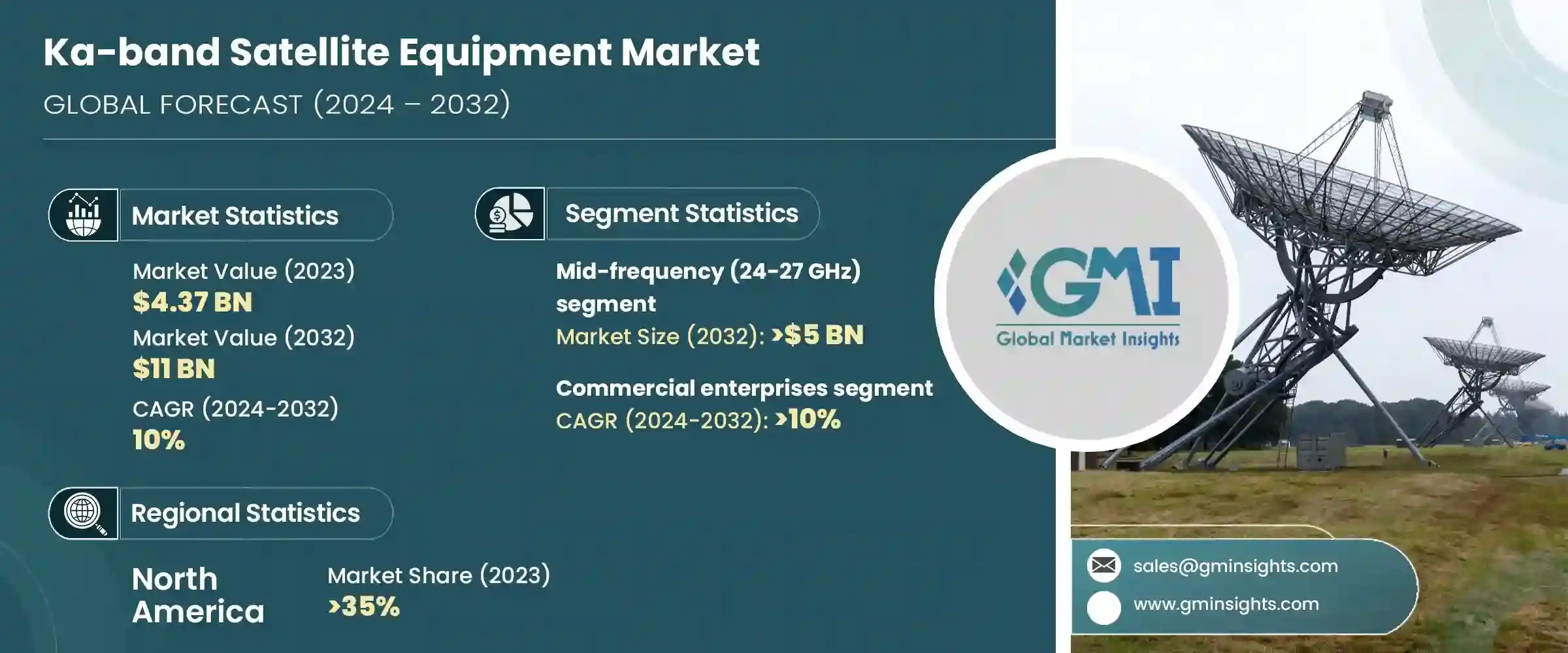
The transition toward Ka-band dominance is not just about the satellites in orbit; it is equally about the on-vehicle hardware. Manufacturers are currently racing to develop flat-panel, electronically steered antennas that can track satellites at high speeds without the need for bulky, moving mechanical parts.
Key Drivers in the Antenna Market
- Miniaturization: As antennas become smaller and more aerodynamic, they can be integrated into the vehicle’s roofline without compromising aesthetics or fuel efficiency.
- Cost-Effectiveness: Economies of scale are driving down the cost of Ka-band hardware, making it a viable option for premium and mid-range vehicle segments alike.
- Hybrid Connectivity: Leading automotive systems now utilize hybrid hardware that intelligently switches between 5G cellular and Ka-band satellite, ensuring the most stable connection possible at any given moment.
Overcoming Challenges: The Road Ahead
Despite the clear benefits, the implementation of Ka-band technology in automotive entertainment is not without its hurdles. Atmospheric interference, such as heavy rain or dense foliage, can occasionally impact high-frequency signals. Furthermore, the regulatory environment regarding spectrum allocation is still evolving in various global markets.
However, the industry is responding with advanced signal processing algorithms and robust beam-steering technologies. These innovations ensure that even under suboptimal conditions, the signal integrity remains high enough to support critical infotainment services.
Conclusion: A Connected Future
As we look toward the remainder of 2026 and beyond, the growth of Ka-band satellite networks is set to become the defining factor in connected vehicle technologies. The ability to provide truly global, high-speed internet access to moving vehicles is no longer a futuristic concept—it is a market reality.
For automotive manufacturers, the message is clear: investing in satellite-ready infrastructure is essential to meet the demands of a digitally native consumer base. As entertainment systems become more data-intensive and autonomous driving features require constant, reliable connectivity, Ka-band satellite technology will remain the backbone of the automotive ecosystem, ensuring that the car of the future is as connected as the home of the future.