
Stuck in bumper-to-bumper traffic when your temperature gauge suddenly climbs into the red? For Toyota Rush owners, an overheating engine during a gridlock is more than just an inconvenience—it is a potential engine-killer that requires immediate, decisive action. As we navigate the driving conditions of 2026, understanding why this happens is your first line of defense against costly repairs.
Whether you are navigating the humid, salt-heavy air of coastal regions or the stop-and-go chaos of a modern metropolis, your vehicle’s cooling system is under constant pressure. In this guide, we break down why your Toyota Rush overheats in traffic and how to keep your engine running cool.
Why Do Toyota Rush Engines Overheat in Traffic?
The Toyota Rush is a robust SUV, but it isn’t immune to the laws of thermodynamics. When you are moving at highway speeds, airflow through the radiator is consistent and natural. However, in a traffic jam, your vehicle sits idle, relying entirely on the cooling fan to pull air through the radiator fins.
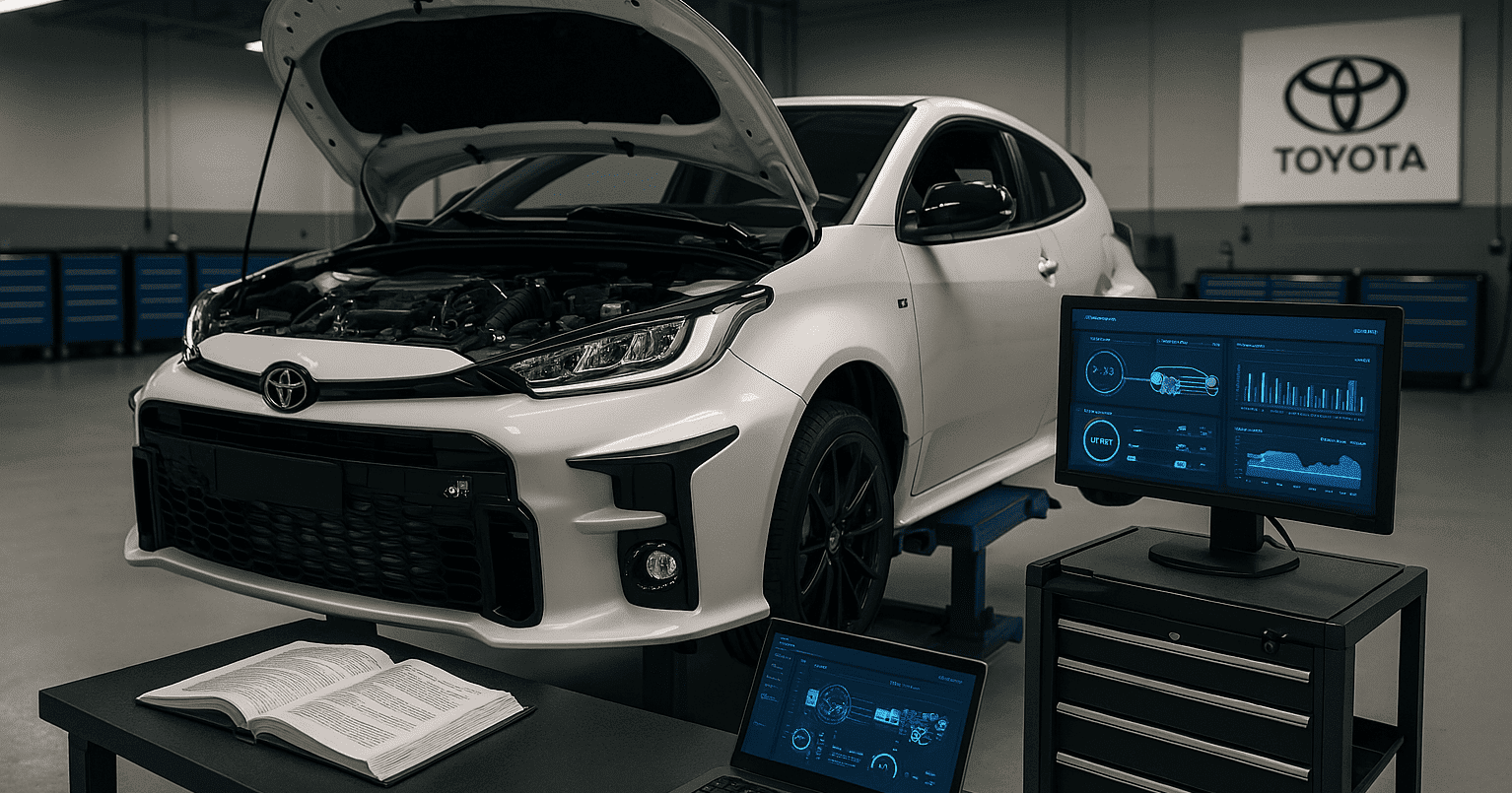
The “Perfect Storm” for Overheating
Several factors contribute to this specific problem:
- Coolant Degradation: Over time, coolant loses its ability to transfer heat effectively. If you haven’t flushed your system recently, the fluid may be struggling to dissipate engine heat.
- Radiator Blockage: Debris, insects, and road grime accumulate on the radiator fins, acting as an insulator that traps heat inside the engine bay.
- Faulty Thermostat: If your thermostat is stuck in the closed position, coolant cannot circulate through the radiator, leading to an instant spike in temperature.
- Cooling Fan Malfunction: This is the most common culprit in traffic jams. If the motor fails or the relay is blown, the engine receives zero cooling airflow while stationary.
Immediate Steps to Take When the Needle Rises
If you notice your temperature gauge creeping toward the “H” while stuck in traffic, don’t panic. Immediate action can save you thousands of dollars in head gasket repairs.
- Turn Off the A/C: Your air conditioning system puts a significant load on the engine and generates extra heat. Turn it off immediately to reduce engine strain.
- Turn on the Heater: This may seem counterintuitive, but switching your heater to the maximum setting forces the vehicle to draw heat away from the engine block and into the cabin.
- Shift to Neutral: When stopped, shifting into Neutral or Park and gently revving the engine (around 2,000 RPM) can help the water pump circulate coolant faster.
- Pull Over Safely: If the needle hits the red zone, pull over to a safe area. Never open the radiator cap while the engine is hot—the pressurized steam can cause severe burns.

Maintenance Tips for 2026 and Beyond
Prevention is always cheaper than a cure. To ensure your Toyota Rush remains reliable throughout 2026, follow these maintenance best practices:
1. Check Coolant Levels and Quality
Always inspect your coolant reservoir when the engine is cold. Ensure the fluid is at the recommended level and check for signs of discoloration. If the coolant looks rusty or murky, it is time for a full system flush.
2. Inspect the Cooling Fan
Before the start of the summer season, test your cooling fan. With the engine running and the A/C turned on, the fan should engage almost immediately. If it remains stationary, check the fuse or the relay first, as these are common points of failure.
3. Clean Your Radiator
Use a low-pressure water hose to gently clean the exterior of your radiator. Removing caked-on dirt and debris allows for maximum airflow, which is critical during those long, hot traffic jams.

When to Seek Professional Help
While some issues are DIY-friendly, others require a certified technician. If you notice a sweet, syrupy smell (coolant leak), white smoke coming from the exhaust, or a persistent need to top off the coolant, you may have a leaking water pump or a failed head gasket.
Ignoring these symptoms will lead to catastrophic engine failure. In 2026, with advanced diagnostic tools available, a mechanic can quickly pressure-test your cooling system to find hidden leaks that are invisible to the naked eye.
Conclusion
The Toyota Rush is a reliable workhorse, but like any machine, it requires proactive care to handle the stress of modern traffic. By keeping your cooling system clean, monitoring your fluid levels, and acting quickly if you see the temperature gauge rise, you can avoid the frustration of a roadside breakdown.
Remember: A few minutes of preventive maintenance today can save you from a major engine overhaul tomorrow. Keep your cool, stay updated, and drive safely through the traffic jams of 2026.