
Is your Toyota Innova diesel feeling sluggish, unresponsive, or struggling to climb hills? If your Toyota Innova diesel turbo is not boosting, you are likely experiencing a significant loss of power, reduced fuel efficiency, and a frustrating driving experience. As we head into 2026, the legendary 2KD-FTV and 1GD-FTV engines remain workhorses, but they are not immune to induction system failures.
Whether you are a daily commuter or an enthusiast looking to maximize your engine’s reliability, understanding why your turbocharger has stopped providing that signature “boost” is essential. In this guide, we will break down the common causes of boost loss and how to get your Innova back to its peak performance.
Understanding Turbocharger Boost Loss
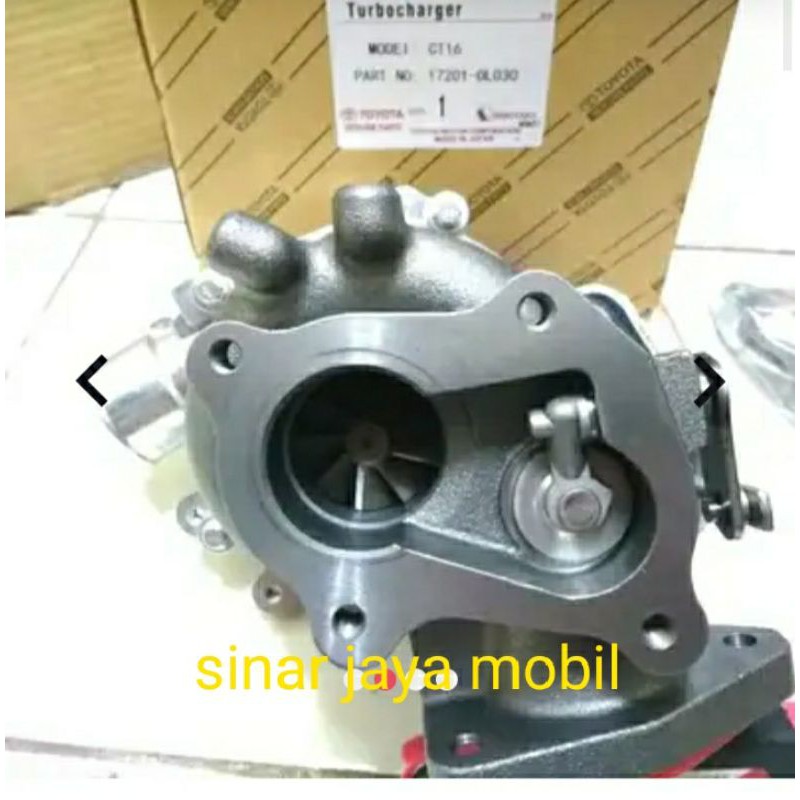
The turbocharger is the heart of your Innova’s performance. It forces compressed air into the engine, allowing it to burn more fuel and generate more power. When the system fails to build boost pressure, the engine reverts to “naturally aspirated” mode, which is why the car feels incredibly slow.
If you suspect your Toyota Innova diesel turbo is not boosting, the first step is to check for a “Limp Mode” activation. Often, the ECU detects a fault and cuts power to protect the engine. Before diving into mechanical repairs, always scan your vehicle for DTC (Diagnostic Trouble Codes) using an OBD-II scanner.
Common Culprits Behind Boost Failure
When the turbo fails to spool up, the issue is rarely the turbocharger unit itself. More often, it is a peripheral component that controls the boost pressure.
1. Boost Leaks (Intercooler Piping)
The most common cause of boost loss is a leaking intake system. Over time, the rubber hoses connecting the turbo, intercooler, and intake manifold can crack or loosen.
- Signs: A loud hissing or whistling sound during acceleration.
- The Fix: Inspect all hoses for cracks, oil residue, or loose clamps. Tightening a clamp or replacing a damaged silicone hose is often all it takes to restore full power.
2. Faulty Vacuum Lines and Solenoids
Toyota Innova diesel engines rely on a Vacuum Switching Valve (VSV) to control the Variable Nozzle Turbo (VNT) actuator. If the vacuum lines are cracked or the VSV solenoid is stuck, the turbo vanes won’t adjust to the correct position.
- Impact: The turbo will either stay in a low-boost position or fail to spool entirely.
- Recommendation: Check for vacuum leaks using a vacuum pump and ensure the electrical connector to the solenoid is clean and free of corrosion.
Advanced Diagnostics: When to Consider Upgrades
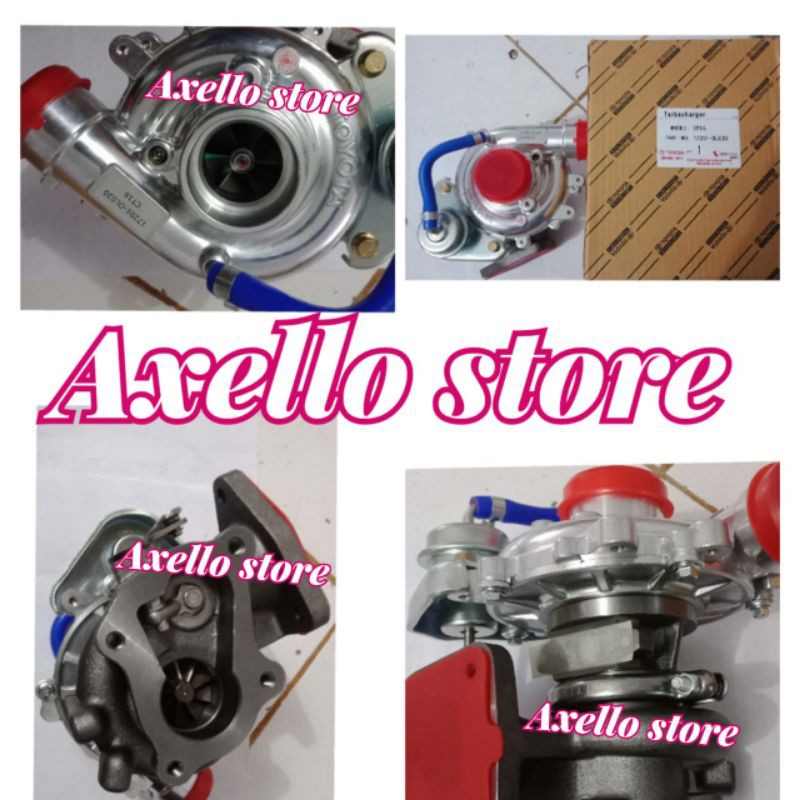
If your mechanical components are intact but the turbo still feels weak, it might be time to look at the health of the turbo assembly itself. For owners of the 2KD-FTV engine, many are choosing to upgrade the turbocharger rather than just performing a standard repair.
According to recent industry data from 2026, upgrading your turbo can lead to a significant power increase. “Upgrade turbo kenaikan tenaga bisa sampai 50 dk berdasarkan dyno test,” as noted by performance experts. By choosing a high-quality replacement or an upgraded hybrid turbo, you can achieve better spooling and increased reliability for daily driving.
Key Factors for Turbo Upgrades:
- Reliability: Ensure that any performance turbo modification is paired with a proper ECU remap to keep air-fuel ratios safe.
- Intercooler Efficiency: If you increase boost, the air gets hotter. A larger, more efficient intercooler is a mandatory companion to a high-performance turbo setup to prevent heat soak.
- Maintenance: Always use high-quality synthetic engine oil. The turbo shaft spins at incredibly high RPMs; clean oil is the only thing preventing premature bearing wear.
How to Prevent Future Boost Issues
To keep your Toyota Innova running smoothly through 2026 and beyond, follow these maintenance best practices:
- Regular Air Filter Changes: A clogged air filter starves the turbo, forcing it to work harder and increasing exhaust gas temperatures.
- Cool-Down Periods: After a long highway drive, let the engine idle for 30-60 seconds before shutting it off. This allows the turbo bearings to cool down and prevents oil “coking.”
- Monitor Your Gauges: Install a simple boost gauge if you are a performance enthusiast. It will give you an immediate visual warning if your boost levels drop below the factory specification.
Conclusion
A Toyota Innova diesel turbo not boosting is a solvable problem that usually points to a vacuum leak, a faulty solenoid, or a worn-out turbo assembly. By methodically checking your intake hoses, vacuum lines, and the VNT actuator, you can identify the root cause of your power loss.
Whether you choose to restore your Innova to factory specifications or take the opportunity to perform a turbocharger upgrade for added performance, remember that consistency is key. Keep your maintenance schedule tight, use quality components, and your Innova will continue to be the reliable, powerful machine it has always been.