Toyota Innova Diesel Hard Starting In Morning: The 2026 Comprehensive Maintenance Guide

The Toyota Innova has long held its reputation as the ultimate MPV workhorse. Whether you are operating the robust 2.5L D-4D engine from older generations or the high-pressure 2.4L or 2.8L GD-series engines found in the newer Innova Zenix and Crysta iterations, reliability is the hallmark of your vehicle. However, as we navigate through 2026, even the most legendary engines can face the dreaded morning hard-start syndrome. When you turn the ignition and are met with a sluggish, coughing engine, it is more than just an inconvenience; it is a sign that your fuel system, electrical architecture, or compression integrity requires immediate attention.
Understanding why a diesel engine struggles in the morning requires a look at the physics of compression ignition. Unlike gasoline engines, diesels do not rely on spark plugs. Instead, they depend on intense cylinder heat and precise fuel atomization. As your vehicle ages, components that were once tight and efficient begin to succumb to carbon buildup, sensor degradation, and electrical resistance. This guide will walk you through the diagnostic process to identify why your Toyota Innova diesel is experiencing hard starting in the morning and how to resolve it permanently.
Understanding the Mechanics of Diesel Cold Starts in 2026

To solve the Toyota Innova diesel hard starting in morning issue, one must first understand that diesel fuel behaves differently as temperatures fluctuate. Diesel fuel has a higher viscosity than gasoline, meaning it thickens in cooler temperatures. In 2026, modern common-rail direct injection (CRDI) systems are highly sophisticated, but they are also incredibly sensitive to fuel pressure drops. If your engine takes several extra seconds to “catch,” it is usually because the ECU (Engine Control Unit) is not receiving the correct data to initiate the combustion sequence.
The transition from a cold engine to a running engine involves a delicate dance between the Glow Plug Control Module, the fuel pump, and the starter motor. If any of these links are compromised, the engine will crank longer than the manufacturer’s specification of 1.5 to 2 seconds. Prolonged cranking not only drains your battery but also puts excessive stress on the starter solenoid and can lead to unburnt fuel washing down the cylinder walls, which risks long-term engine wear.
The Role of Glow Plugs and Relay Systems
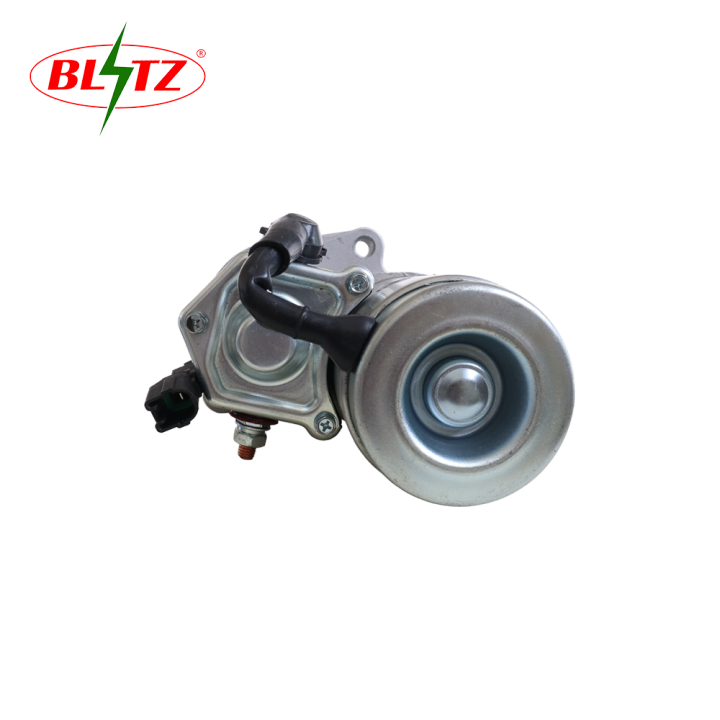
The most frequent culprit behind a hard-starting Innova is the glow plug system. In the context of 2026 vehicle maintenance, it is important to note that modern glow plugs are designed for rapid heating, often reaching 1,000 degrees Celsius in under three seconds. If your Innova’s glow plug relay is faulty, or if even a single glow plug has reached the end of its 60,000 to 80,000-mile service life, the combustion chamber will not be hot enough to facilitate a clean start.
You can diagnose this by observing the glow plug indicator light on your dashboard. If the light fails to illuminate, or if it flashes rapidly, this is a diagnostic trouble code (DTC) indicating a circuit fault. Furthermore, in high-mileage Innovas, carbon buildup on the tip of the glow plug can act as an insulator, preventing the heat from effectively reaching the air-fuel mixture. Replacing these with high-quality OEM-spec plugs is essential for restoring instant cold-start performance.
Fuel System Integrity: Air Leaks and Pressure Drops

A sophisticated common-rail system requires a specific amount of rail pressure (often exceeding 300 bar) to trigger the fuel injectors. If your Innova has an air leak in the fuel lines or a failing check valve in the fuel filter housing, the fuel will “drain back” to the tank overnight. This leaves an air pocket in the system, forcing the fuel pump to work overtime in the morning to purge the air before the engine can fire.
Inspect your fuel filter housing for signs of weeping or moisture. In 2026, with the increasing use of biodiesel blends, fuel system degradation is becoming more common. Biodiesel can be more hygroscopic, leading to internal corrosion within the high-pressure fuel pump. If you notice a rough idle immediately after the engine finally starts, it is a hallmark symptom of air trapped in the fuel lines or a failing pressure regulator valve.
Battery Health and Cold Cranking Amps (CCA)
In 2026, vehicle electronics are more demanding than ever. Even if your battery shows a strong charge of 12.6 volts while the engine is off, it may lack the Cold Cranking Amps (CCA) required to turn over a high-compression diesel engine. As a battery ages, its internal resistance increases. During a cold morning, the chemical reaction inside the battery slows down, resulting in a voltage drop during the cranking phase.
If the voltage drops below 10 volts during cranking, the ECU may deactivate the fuel injectors as a safety precaution, preventing the engine from starting. Always ensure your battery terminals are free of sulfate buildup and that the ground straps are clean. A weak ground is a hidden cause of hard starting that many mechanics overlook, as it creates a “ghost” resistance that starves the starter motor of necessary current.
Common Sensor Failures Affecting Startup
Modern Toyota Innova engines rely on a suite of sensors to determine the optimal injection timing. The Crankshaft Position Sensor (CKP) and the Camshaft Position Sensor (CMP) are critical. If these sensors are dirty or failing, the ECU may struggle to synchronize the fuel injection with the piston position during the initial crank. Another often-overlooked component is the Engine Coolant Temperature (ECT) sensor.
If the ECT sensor is faulty and sends a signal to the computer that the engine is warmer than it actually is, the ECU will not trigger the glow plugs or enrich the fuel mixture for a cold start. This mismatch between real-world conditions and the ECU’s data is a frequent cause of the Toyota Innova diesel hard starting in morning. Checking these sensor values via an OBD-II scanner is a standard procedure in 2026 and should be the first step for any DIY enthusiast.
Preventative Maintenance Tips for 2026
To avoid morning starting issues, adopt a proactive maintenance schedule. First, use a high-quality fuel system cleaner every 5,000 miles to prevent carbon buildup on the injector nozzles. Second, replace your fuel filter every 15,000 miles, especially if you drive in areas with varying fuel quality. Third, ensure that your battery is tested annually for both voltage and CCA capacity.
Additionally, consider the quality of the diesel fuel you use. In 2026, some regions are introducing higher-sulfur or lower-quality blends that can clog injectors faster. Using a reputable fuel station and keeping your tank at least a quarter full can prevent condensation from forming inside the fuel tank, which eventually leads to water contamination in your diesel fuel—a major enemy of the common-rail system.
Frequently Asked Questions
Why does my Innova start fine in the afternoon but struggle in the morning?
This is a classic symptom of either a glow plug issue or a fuel drain-back problem. In the morning, the engine is at its coldest, requiring the glow plugs to function correctly. If the fuel system has a microscopic air leak, the fuel drains back to the tank overnight, forcing the pump to prime the system before the engine can catch.
Can a bad starter motor cause hard starting?
Yes. If the starter motor is worn, it will not spin the engine at the necessary RPM (revolutions per minute) required to generate the heat needed for compression ignition. If your cranking sounds noticeably slower or “lazy” compared to when the vehicle was new, your starter motor may be drawing too much current or simply failing.
Should I use starting fluid to help my Innova start?
Avoid using starting fluid (ether) at all costs. Modern diesel engines, including the Toyota GD-series, are not designed for the explosive nature of ether. It can cause severe damage to the piston rings, glow plugs, and even lead to a cracked cylinder head due to the extreme pressure spikes it creates in the combustion chamber.
How often should I replace glow plugs?
While there is no fixed interval, most technicians in 2026 recommend inspecting them every 60,000 miles. If you live in a colder climate, you may find that they require replacement sooner. Replacing them as a complete set is highly recommended to ensure uniform heating across all cylinders.
Conclusion
A Toyota Innova diesel hard starting in morning is rarely a mystery that cannot be solved with a systematic diagnostic approach. By focusing on the health of your battery, the integrity of your fuel lines, the performance of your glow plugs, and the accuracy of your engine sensors, you can restore your Innova to its reliable self. As we progress through 2026, the key to longevity for your diesel engine remains consistent, high-quality maintenance. Do not ignore the early signs of sluggishness; addressing these minor issues today will save you from a major breakdown and expensive repairs tomorrow.