
The Toyota Fortuner has long been the gold standard for rugged reliability and off-road prowess. However, even the most legendary SUVs can face challenges when the incline gets steep. If you are driving your 2026 Toyota Fortuner and notice a sudden drop in torque or a refusal to accelerate while climbing, you aren’t alone.
Losing power uphill is more than just an inconvenience; it can be a safety hazard when overtaking or navigating tight mountain hairpins. In this comprehensive guide, we will explore why your Toyota Fortuner diesel engine might be struggling and how to restore its legendary “go-anywhere” performance.
Understanding the Uphill Struggle: Why Gravity Exposes Weakness
When you drive on a flat highway, your engine operates under a moderate load. However, gravity is a relentless auditor of your vehicle’s health. Climbing a hill requires a significantly richer fuel-to-air ratio and maximum boost from your turbocharger.

If any component in the combustion chain is slightly degraded, the uphill climb will expose it. In 2026, with the prevalence of the 2.8L GD-series engines and hybrid-assisted diesel powertrains, the complexity of these systems means there are more sensors and filters that need to be in top shape.
Top 7 Reasons for Toyota Fortuner Power Loss in 2026
1. Clogged Fuel Filter and the Suction Control Valve (SCV)
The most common culprit for a Toyota Fortuner diesel loss of power uphill is a restricted fuel supply. Diesel fuel filters catch microscopic contaminants that can starve the engine under high demand.
Furthermore, the Suction Control Valve (SCV) in the common rail system is known to stick. If the SCV fails to regulate fuel pressure correctly, the engine won’t get the “surge” of diesel required to conquer a steep grade, leading to a sluggish response.
2. Turbocharger Issues and Boost Leaks
The turbocharger is the heart of your Fortuner’s uphill performance. A small crack in an intercooler hose or a loose clamp can result in a “boost leak.”
In 2026 models, the Variable Geometry Turbo (VGT) uses small vanes to optimize airflow. If these vanes become sooted up due to excessive idling or low-quality fuel, they won’t open fully, leaving you with no power when you hit the accelerator.
<img alt="Causes Of Diesel Engine Power Loss Going Uphill – Fuel Delivery, Air …" src="https://m.media-amazon.com/images/I/41rDDORlKmL.SL500.jpg” style=”max-width:100%; height:auto; border-radius:8px; margin: 1rem 0;” />
3. The Diesel Particulate Filter (DPF) Bottleneck
Modern emissions standards in 2026 are stricter than ever. Your Fortuner is equipped with a Diesel Particulate Filter (DPF) designed to trap soot. If you primarily drive in the city, the DPF may not reach the temperatures required for a “regeneration” cycle.
A partially blocked DPF creates backpressure in the exhaust system, effectively choking the engine. This is often accompanied by a warning light or the vehicle entering a “Limp Mode.”
4. Mass Air Flow (MAF) Sensor Glitches
The MAF sensor measures the amount of air entering the engine. If it is dirty or faulty, it sends incorrect data to the ECU (Engine Control Unit).
Because the ECU doesn’t think there is enough air, it won’t inject enough fuel. This results in slow acceleration and a feeling that the car is “holding back” despite your foot being buried in the carpet.
5. EGR Valve Carbon Build-up
The Exhaust Gas Recirculation (EGR) valve is a common pain point for diesel owners. Over time, carbon soot mixes with oil vapor to create a thick sludge that narrows the intake manifold.
This restriction is barely noticeable on flat ground but becomes a major performance bottleneck when the engine needs to breathe deeply during a climb.
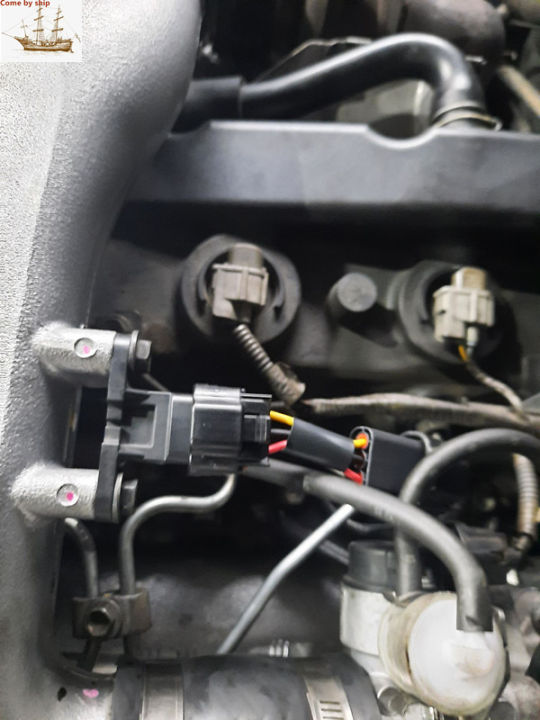
6. Transmission Slip or Torque Converter Issues
Sometimes the “loss of power” isn’t the engine at all—it’s the automatic transmission. If the transmission fluid is old or the torque converter is failing to lock up, the engine’s power isn’t being efficiently transferred to the wheels. You might notice the RPMs rising without a corresponding increase in speed.
7. Faulty Accelerator Pedal Sensor
In 2026, most vehicles are “drive-by-wire.” The physical link between your foot and the engine is an electronic sensor. If this sensor develops “dead spots,” the ECU may ignore your request for more power during an uphill climb.
How to Diagnose Your Fortuner’s Power Loss
If your Fortuner is struggling, follow these steps to narrow down the cause:
- Check for Warning Lights: Use an OBD-II scanner to check for “pending” codes even if the Check Engine Light isn’t on.
- Inspect the Air Filter: A simple visual check can reveal if your engine is literally gasping for air.
- Listen for Whistling: A high-pitched whistle under acceleration usually indicates a turbo boost leak.
- Observe Exhaust Smoke: Black smoke usually means too much fuel (air restriction), while white or bluish smoke could indicate injector or turbo seal issues.
2026 Maintenance: Preventing Uphill Struggles
To ensure your Toyota Fortuner remains a mountain-climbing beast, follow these preventative measures:
- Use Premium Diesel: High-quality fuel with detergents helps keep the injectors and SCV clean.
- The “Italian Tune-up”: Occasionally drive at highway speeds for 20-30 minutes to allow the DPF to regenerate and clear out soot.
- Regular EGR Cleaning: Have your intake system inspected and cleaned every 50,000km to prevent carbon choking.
- Update ECU Software: In 2026, Toyota frequently releases software patches that optimize fuel mapping and transmission shifts for better climbing performance.
Conclusion
A Toyota Fortuner diesel loss of power uphill is usually a symptom of a system that can no longer meet the high demands of heavy load. Whether it’s a simple clogged fuel filter, a dirty MAF sensor, or a more complex DPF issue, identifying the problem early can save you thousands in repair costs.
By staying on top of your 2026 maintenance schedule and using quality parts, you can ensure your Fortuner continues to conquer every peak with ease. Don’t let a minor sensor issue stand between you and your next adventure.