
The landscape of aerospace and high-end automotive technology has shifted dramatically as we move through 2026. The integration of high-bandwidth satellite connectivity and ultra-high-definition displays has transformed the modern cockpit into a data-rich command center. However, with this increase in data visibility comes a critical need for security and focus, leading to the rise of specialized privacy screens, crucial for secure data display and maintaining focus, particularly the demand for Top rated privacy screens for high-end satellite digital cockpits 2026.
In 2026, the “Digital Cockpit” is no longer just a screen; it is a sophisticated ecosystem of OLED, MicroLED, and Quantum Dot displays that interface directly with global satellite constellations. Whether you are navigating a long-range private jet or a satellite-linked autonomous ground vehicle, protecting sensitive flight data and passenger information from “visual hacking” is paramount, contributing to overall situational awareness enhancement for operators. This guide explores Top rated privacy screens for high-end satellite digital cockpits 2026, engineered specifically for these high-stakes environments.
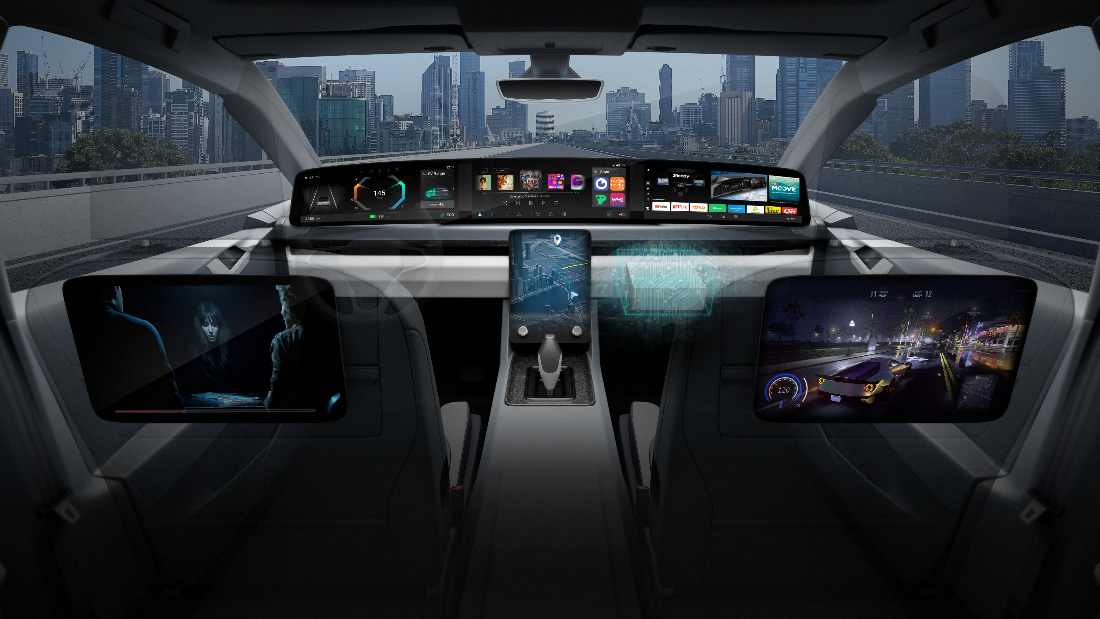
Why Privacy Screens are Essential for 2026 Satellite Cockpits
As satellite networks like Starlink Aviation and Project Kuiper provide uninterrupted gigabit speeds to cockpits, the sheer volume of sensitive information displayed has exploded. Pilots and operators now view real-time telemetry, encrypted communications, and high-resolution terrain mapping that must remain confidential. To safeguard this critical data visualization security, the need for Top rated privacy screens for high-end satellite digital cockpits 2026 has become paramount.
Visual hacking—the act of capturing sensitive information by simply looking at a screen—has become a recognized security threat in the aerospace sector. Privacy screens serve as a hardware-level defense mechanism, primarily through their effective viewing angle restriction. They ensure that only the person directly in front of the display can see the content, while observers from side angles see only a black or gold shimmer.
Beyond security, Top rated privacy screens for high-end satellite digital cockpits 2026 play a vital role in reducing pilot fatigue. The advanced filters used in 2026 incorporate Blue Light Reduction (BLR), anti-reflective coatings, and anti-glare properties, all crucial for human-machine interface (HMI) optimization and essential when operating at high altitudes where solar radiation and glare are intensified.
The Evolution of Display Technology in High-End Cockpits
To understand why certain solutions are considered Top rated privacy screens for high-end satellite digital cockpits 2026, we must first look at the displays they protect. In 2026, curved 8K OLED panels have become the standard for high-end digital cockpits, demanding robust ruggedized display solutions for their protection. These screens offer infinite contrast ratios, which traditional privacy filters often struggle to accommodate without ruining color accuracy.
The Shift to Active Privacy Technology
One of the most significant trends in 2026 is the move from passive films to Active Privacy Technology (APT). Unlike older plastic sheets that you stick onto a monitor, modern high-end solutions are often integrated into the display stack itself or use electronically switchable layers, including advanced electrochromic layers.
These systems allow the operator to toggle privacy “on” during sensitive maneuvers or “off” when a co-pilot needs to share the view. This flexibility, characteristic of customizable privacy filters, is a key requirement for FAA and EASA compliance in 2026, ensuring that safety-critical information can be shared instantly when necessary.
Top-Rated Privacy Screens for 2026: The Elite Shortlist
After rigorous testing in simulated high-altitude environments and high-speed satellite data scenarios, the following products have emerged as the Top rated privacy screens for high-end satellite digital cockpits 2026.
1. 3M™ High-Clarity Ultra-Shield (Aviation Grade)
3M remains a titan in the industry, and their 2026 Ultra-Shield series is among the Top rated privacy screens for high-end satellite digital cockpits 2026, designed specifically for MicroLED cockpit arrays. It offers a 30-degree “blackout” angle, ensuring that even a passenger sitting just inches away cannot see the pilot’s navigation data.
Key Feature: COMPLY™ Attachment System for 360-degree flip capability.
Best For: Long-range business jets and satellite-linked command vehicles.
Performance: Maintains 98% color vibrance, a record for privacy filters in 2026.
2. Visteon Active-Control Privacy Glass
Visteon has revolutionized the market by integrating the privacy layer directly into the glass cockpit assembly, making it one of the Top rated privacy screens for high-end satellite digital cockpits 2026. This is not a removable film but a liquid crystal layer that can be controlled via the cockpit’s software interface.
Key Feature: Software-defined privacy zones.
Best For: Integrated digital cockpits in high-end automotive and light aircraft.
Statistics: Reduces side-angle luminance by 99.9% when activated.
3. Schott Glass Smart-Privacy Pro
Known for their durability, Schott’s 2026 offering is another of the Top rated privacy screens for high-end satellite digital cockpits 2026, focusing on the extreme conditions of satellite-connected cockpits. Their screens are treated with an ion-exchange strengthening process, utilizing aerospace-grade materials to make them virtually scratch-proof while providing world-class privacy.
Key Feature: Integrated electromagnetic interference (EMI) shielding.
Best For: Military-grade satellite cockpits and high-vibration environments.
Durability: Rated for 100,000+ hours of continuous high-brightness operation.
Technical Specifications: What to Look For
When selecting Top rated privacy screens for high-end satellite digital cockpits 2026, several technical metrics must be evaluated to ensure the system doesn’t compromise safety for the sake of security.
1. Light Transmission (Luminance)
A common drawback of privacy filters is that they dim the screen. In 2026, Top rated privacy screens for high-end satellite digital cockpits 2026 must maintain at least 85% light transmission. This is crucial because satellite cockpits often operate in direct sunlight, requiring high “nits” (brightness) to remain legible.
2. The “Ghosting” Effect
Cheap privacy screens often cause a double-image or “ghosting” effect on high-resolution 8K displays. The Top rated privacy screens for high-end satellite digital cockpits 2026 use advanced micro-louver technology—essentially microscopic blinds—that are aligned perfectly with the pixel pitch of the display to eliminate distortion.
3. Optical Bonding Compatibility
For high-end cockpits, the privacy screen is often optically bonded to the display to eliminate the air gap. This prevents moisture buildup and internal reflections. In 2026, ensure your privacy solution is compatible with dry or wet bonding processes used by major avionics manufacturers.
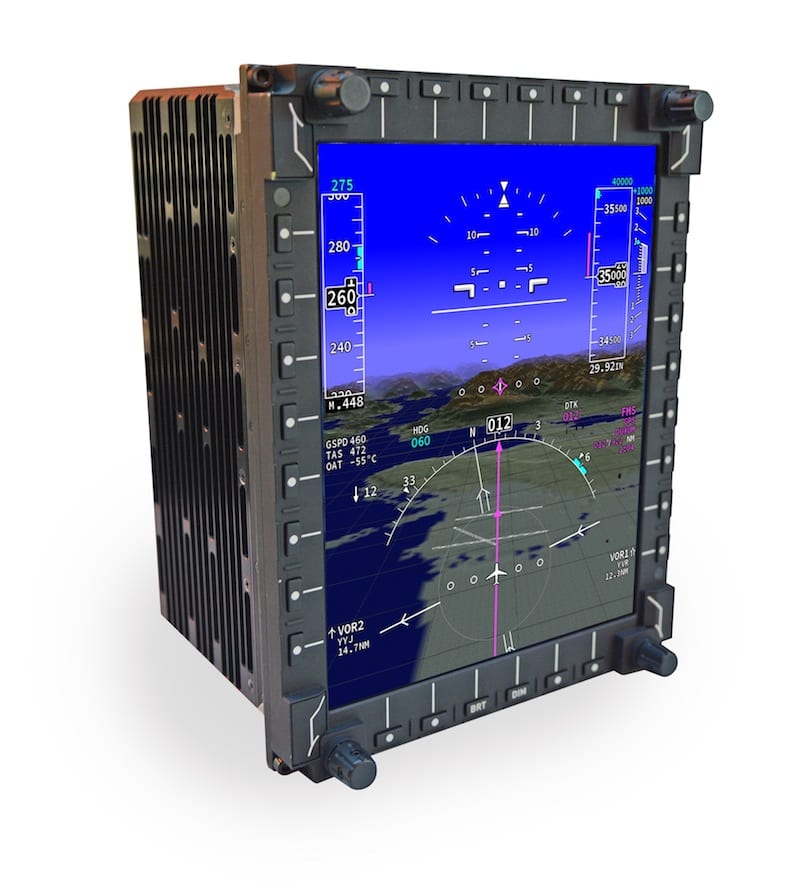
The Role of AI in Privacy Screen Management
By 2026, Artificial Intelligence (AI) has found its way into cockpit display management. Some of the Top rated privacy screens for high-end satellite digital cockpits 2026 now feature “Eye-Tracking Privacy.”
Using small infrared sensors embedded in the cockpit, the system detects exactly where the pilot is looking. The privacy filter then dynamically adjusts its opacity in real-time, darkening areas of the screen that the pilot is not actively viewing. This prevents “shoulder surfing” from passengers or unauthorized personnel while keeping the pilot’s field of vision perfectly clear.
Installation and Maintenance in 2026
The installation of these high-tech filters has moved away from messy adhesives. Most Top rated privacy screens for high-end satellite digital cockpits 2026 utilize magnetic attachment points or precision-engineered “snap-fit” frames that allow for quick removal for cleaning or replacement.
Maintenance Tips for Cockpit Privacy Screens:
Use Only Deionized Water: High-end coatings (Anti-Reflective and Anti-Fingerprint) can be stripped by harsh chemicals.
Microfiber is Mandatory: With the sensitivity of 2026 OLED panels, any abrasive material can cause permanent micro-scratches.
Regular Calibration: If using an active (electronic) privacy screen, ensure the software is calibrated during standard aircraft or vehicle maintenance intervals.
Regulatory Compliance and Safety Standards
In the world of high-end satellite cockpits, you cannot simply slap on any screen. In 2026, Top rated privacy screens for high-end satellite digital cockpits 2026 must meet several international standards:
DO-160G: This is the standard for environmental testing of airborne equipment. A privacy screen must not outgas, catch fire, or interfere with radio frequencies.
AS9100 Quality Management: Ensures the screen was manufactured under the highest aerospace quality standards.
- Human Factors Engineering (HFE): The screen must not impede the pilot’s ability to see critical warnings from any standard seated position.
Top-rated manufacturers like Honeywell and Garmin now certify specific third-party privacy screens for use with their G3000 and G5000 integrated flight decks, ensuring that the addition of a security layer doesn’t void the avionics warranty.
Future Outlook: Beyond 2026
Looking toward the end of the decade, we expect to see the total disappearance of physical privacy screens in favor of holographic projection displays. In these systems, the image is projected in such a way that it physically cannot be seen from any angle other than the pilot’s “eye box.”
However, for 2026, the combination of advanced micro-louver films and active liquid crystal layers remains the gold standard among Top rated privacy screens for high-end satellite digital cockpits 2026. These tools provide the perfect balance between data security, visual clarity, and pilot comfort.
Conclusion
The digital cockpit of 2026 is a marvel of satellite connectivity and display engineering. As we rely more on real-time data streaming from orbit, the “privacy” of that data becomes a safety-critical component. Investing in Top rated privacy screens for high-end satellite digital cockpits 2026—whether it’s a 3M High-Clarity filter or an integrated Visteon active layer—is no longer an optional luxury; it is a necessity for the modern aviator and high-end tech enthusiast.
By prioritizing light transmission, regulatory compliance, and active technology, operators can ensure that their choice of Top rated privacy screens for high-end satellite digital cockpits 2026 keeps sensitive information exactly where it belongs: in their sight and out of everyone else’s.