
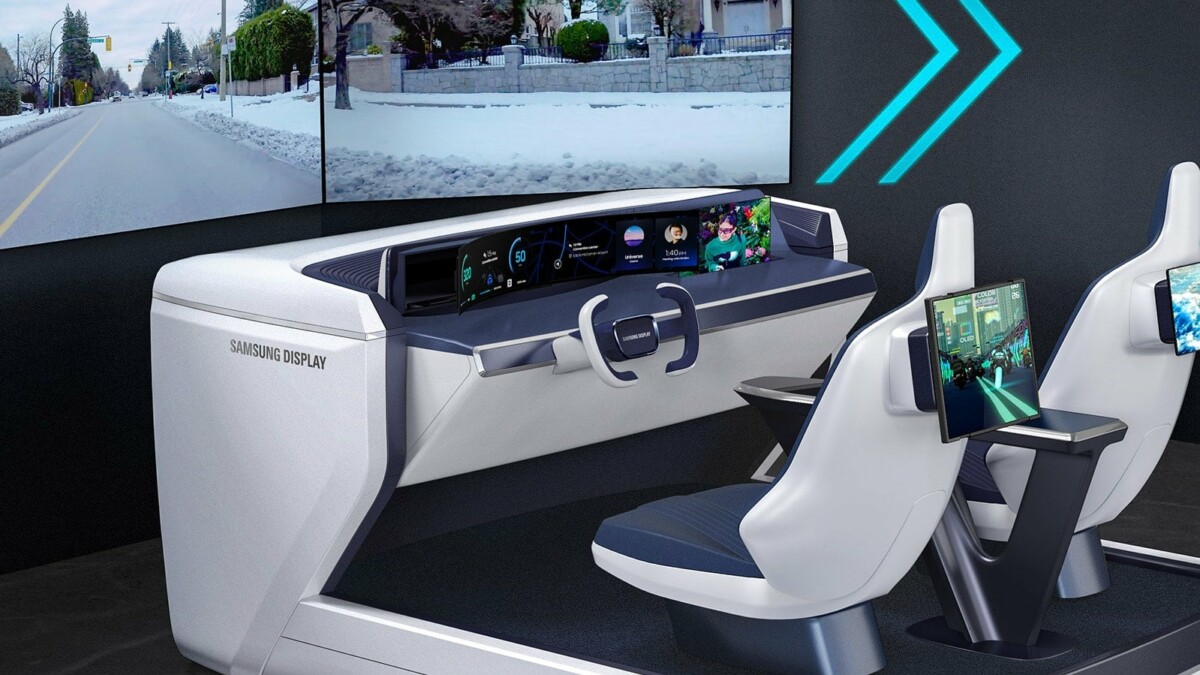
The modern vehicle cockpit has evolved far beyond a simple steering wheel and a dashboard, ushering in a new era of the digital cockpit experience. In 2026, the concept of a “Satellite-Pro” driving experience refers to the seamless integration of high-speed satellite connectivity, real-time global navigation, and advanced computing power—much like the reliability and performance associated with the Dynabook Satellite Pro series. Whether you are a professional driver, a tech enthusiast, or a long-distance traveler, your vehicle’s cockpit should function as a high-performance mobile command center, embodying the pinnacle of smart vehicle technology.
To achieve this level of sophistication in automotive technology, you need the right hardware. From advanced satellite communication modules to AI-driven diagnostic tools, here are the Top 10 most useful cockpit gadgets for a “Satellite-Pro” driving experience, designed to transform your cockpit into a state-of-the-art satellite-pro environment.
1. High-Bandwidth Satellite Connectivity Hubs
The foundation of a true “Satellite-Pro” experience is constant, high-speed internet. Unlike traditional cellular data that drops in remote areas, satellite-to-vehicle connectivity ensures you have a consistent signal regardless of your location.
Why it’s essential: These hubs are central to advanced telematics solutions, allowing for real-time traffic updates, cloud-based navigation, and high-definition video streaming for passengers, leveraging robust real-time data processing capabilities.
The Pro Advantage: By utilizing low-earth orbit (LEO) satellite networks, these hubs provide latency levels comparable to 5G, ensuring your cockpit tech remains responsive even in the middle of a desert.
2. Augmented Reality (AR) Heads-Up Displays (HUD)
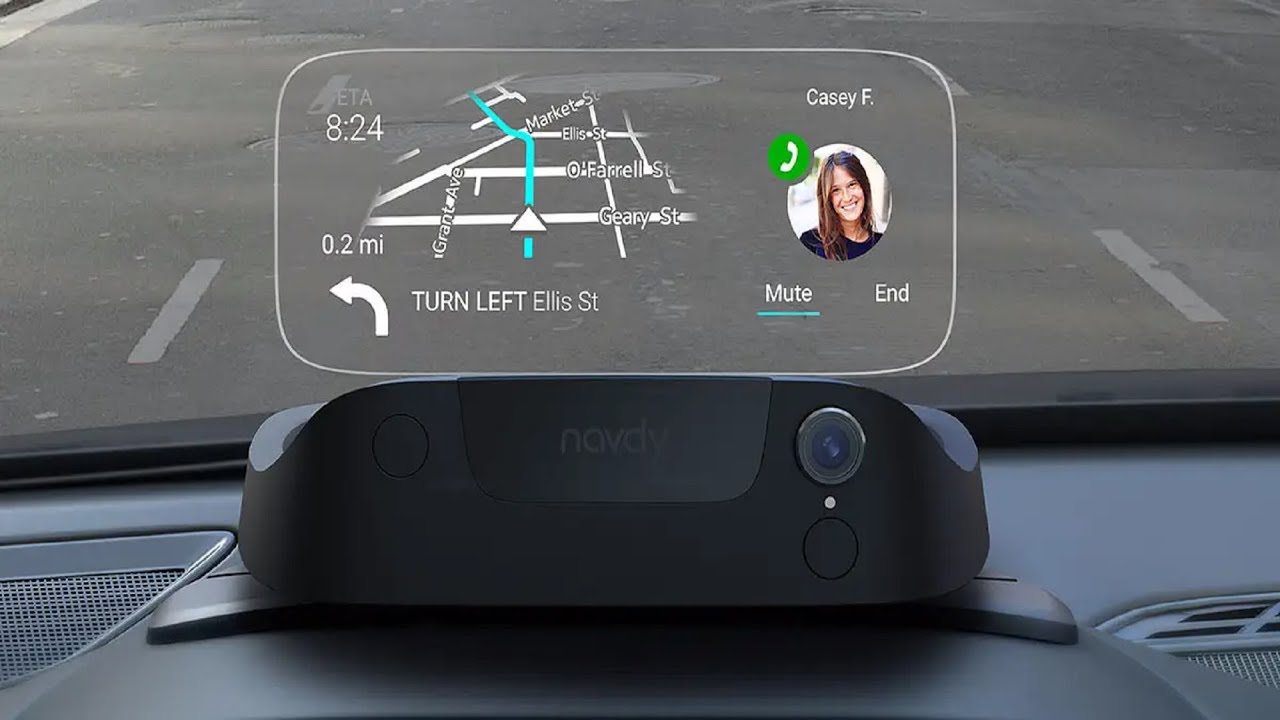
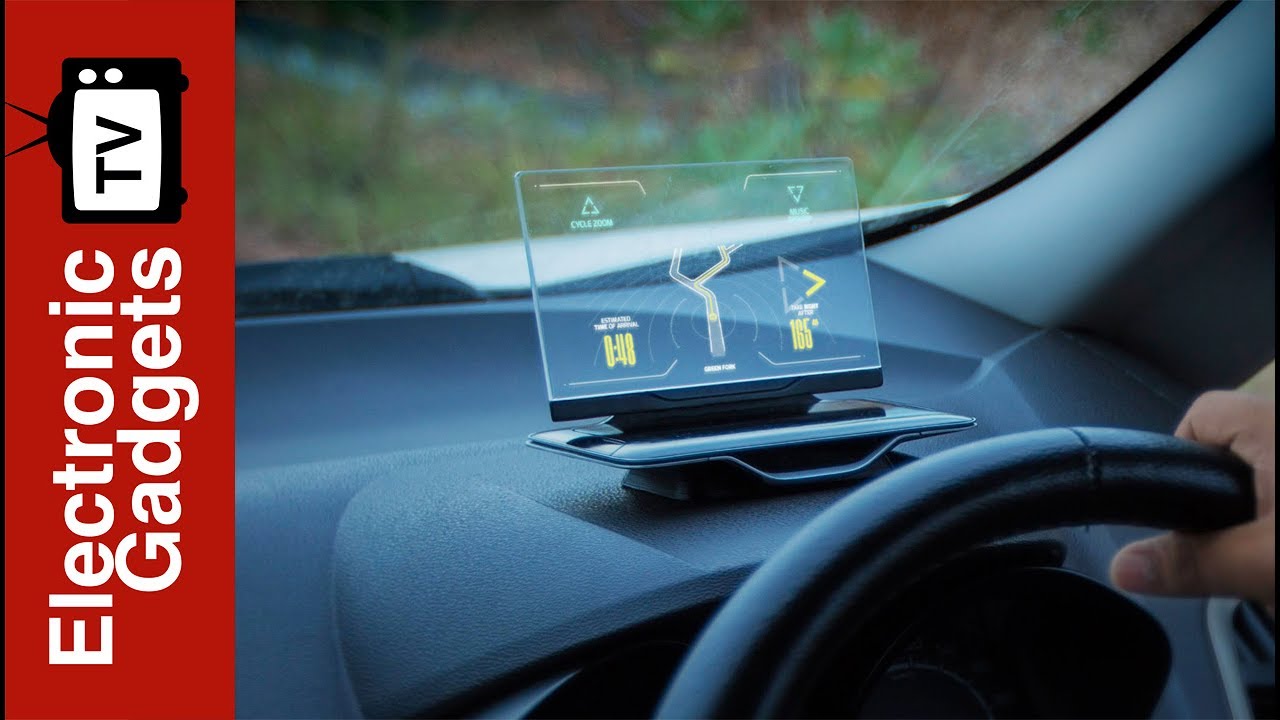
In 2026, the windshield is your primary interface. AR HUDs project navigation data, safety warnings, and satellite-mapped terrain directly into your line of sight, significantly enhancing Advanced Driver-Assistance Systems (ADAS).
Precision Navigation: By overlaying navigation arrows onto the actual road, you reduce the time spent glancing at traditional GPS screens.
Safety Statistics: Research shows that AR HUDs can reduce driver distraction by up to 40% by keeping eyes focused on the road while providing critical data, offering crucial enhanced safety features.
3. AI-Powered Predictive Maintenance Monitors
Much like how users manage their Dynabook Satellite Pro laptops by monitoring internal storage drives and cooling fans, your car requires proactive maintenance. These OBD-II gadgets connect to your car’s computer to predict failures before they happen, enabling effective remote monitoring of vehicle health.
Real-time Diagnostics: These devices track battery health, engine temperature, and sensor performance.
Proactive Alerts: If your vehicle’s “cooling fan” or “DC jack” power output shows signs of degradation, the system alerts you via your cockpit display, allowing for repairs before a breakdown occurs.
4. Global Interactive Satellite Mapping Tablets
While many cars have built-in screens, a dedicated, high-resolution tablet mounted in the cockpit offers a superior Global Satellite Map experience, often integrating seamlessly with existing vehicle infotainment systems.
Customization: You can use these tablets to manipulate interactive maps, drop pins for remote locations, and overlay weather patterns in real-time.
Connectivity: These devices act as the “Satellite Pro” workstation, allowing you to access manuals, technical documents, and cloud-based route planning with ease.
5. Multi-Device Power Management Stations
Heavy use of external devices—such as laptops, cameras, and drones—requires a robust power solution. A professional-grade power management station ensures your gadgets remain charged throughout the trip.
Stable Current: Modern power stations for vehicles protect your sensitive electronics from voltage spikes.
Efficiency: Just as a laptop requires specific power management when idle, these stations automatically shut down non-essential ports to conserve your vehicle’s battery life.
6. Biometric Fatigue Detection Systems
Safety is the most critical element of a professional driving experience. Biometric sensors in the steering wheel or dashboard monitor your heart rate, eye movement, and skin temperature to detect signs of drowsiness, significantly contributing to enhanced safety features.
Proactive Intervention: If the system detects fatigue, it can trigger haptic feedback in the seat or adjust the ambient lighting to help you stay alert.
Data Integration: This data can be synced with your “Satellite-Pro” profile to adjust your driving schedule based on your physical readiness.
7. 360-Degree Satellite-Synced Dash Cams
Standard dash cams are a thing of the past. The 2026 standard is a 360-degree, satellite-synced camera system that provides not just video, but precise location-stamped telemetry.
Security: In the event of an incident, the system uploads high-definition footage to the cloud via satellite, ensuring evidence is preserved even if the vehicle is damaged, with robust vehicle cybersecurity protocols safeguarding your data.
Landscape Capture: Perfect for professional drivers or content creators who need to document their routes through diverse global terrain.
8. Smart Climate Control Modules
A comfortable cockpit is a productive cockpit. Smart climate control systems use ambient sensors to adjust the temperature, humidity, and air quality of the cabin based on the external environment provided by your satellite connection.
Environmental Awareness: If your satellite map detects a high-pollen area or extreme temperature fluctuations, the system pre-emptively adjusts the cabin’s filtration and heating/cooling settings.
9. Voice-Activated “Co-Pilot” AI Assistants
In 2026, the “Satellite-Pro” experience is hands-free. Advanced AI voice assistants can manage your navigation, respond to emails, and control vehicle settings using natural language processing, further enhancing the digital cockpit experience.
Multitasking: You can request a “Satellite-Pro” diagnostic check or ask for a route optimization based on current weather satellite imagery without ever touching a button.
Seamless Integration: These assistants are designed to mirror the user-friendly interface found in high-end office computing hardware.
10. High-Fidelity Noise-Canceling Cockpit Barriers
Even the best technology is useless if you cannot focus. High-fidelity noise-canceling technology, built into the headrests or the cabin architecture, creates a quiet zone that allows for clear satellite-linked communication.
Focus: By eliminating road and engine noise, you create a professional environment suitable for conference calls or deep focus on complex navigation tasks.
Mastering Your “Satellite-Pro” Cockpit Setup
Creating a “Satellite-Pro” driving experience is about more than just buying gadgets; it is about creating a cohesive ecosystem. Whether you are replacing old parts—much like sourcing a new keyboard or display screen for a legacy Toshiba Satellite Pro—you should prioritize quality and compatibility.
Why Integration Matters
When you integrate these 10 gadgets, you aren’t just adding tech; you are building a network. Every device should communicate with your primary navigation hub. For example, your satellite connectivity hub should feed data into your AR HUD, which in turn shares status updates with your AI-powered maintenance monitor.
Maintaining Your Hardware
Just as you would refer to a Dynabook Satellite Pro user manual to optimize battery usage or manage external device power, you must perform regular firmware updates on your cockpit gadgets. In 2026, software is just as important as hardware, with over-the-air (OTA) updates becoming standard for maintaining peak performance. Ensure all your devices are updated to support the latest satellite protocols to prevent connectivity lags.
The Future of Driving
As we look toward the remainder of 2026 and beyond, the line between an office workstation and a vehicle cockpit will continue to blur. By investing in these top 10 gadgets, you are not only improving your convenience; you are future-proofing your driving experience. Reliability, speed, and connectivity are no longer luxury features—they are the new standard for the professional driver.
Conclusion
The path to a “Satellite-Pro” driving experience is paved with smart, connected, and reliable technology. By upgrading your cockpit with these 10 essential gadgets, you ensure that you are always in control, always connected, and always safe. Whether you are navigating global maps, monitoring vehicle health, or simply enjoying the comfort of an AI-optimized environment, these tools provide the professional edge you need.
Remember to source your components from reputable suppliers, much like finding reliable replacement parts for your Toshiba Satellite Pro C50 series, to ensure that your setup remains durable and effective for years to come. Your vehicle is your office; treat it with the same level of care and technological integration as you would your most vital professional tools.