
Is your Suzuki XL7 feeling more like a washing machine full of wet towels than a smooth-running family SUV? Experiencing engine vibration at idle can be incredibly frustrating, especially when you are sitting at a stoplight or stuck in morning traffic. As we move through 2026, many owners of both the standard and hybrid XL7 models are looking for answers to this common mechanical concern.
In this guide, we will break down exactly why your vehicle might be shaking and, more importantly, how to restore that factory-smooth driving experience.
The First Step: Decoding the Check Engine Light
Before you start replacing parts, the most critical step in diagnosing Suzuki XL7 engine vibration idle issues is checking your dashboard. If the Check Engine Light (CEL) is illuminated, your car is already trying to communicate with you.
Modern vehicles are equipped with an On-Board Diagnostic (OBD-II) system. By plugging in an affordable scanner, you can retrieve specific Diagnostic Trouble Codes (DTCs). These codes act as a roadmap, pointing you directly to the culprit—whether it’s a misfire in a specific cylinder, a faulty sensor, or a fuel delivery issue. Never ignore these codes, as they can save you hundreds of dollars in unnecessary “guess-and-check” repairs.
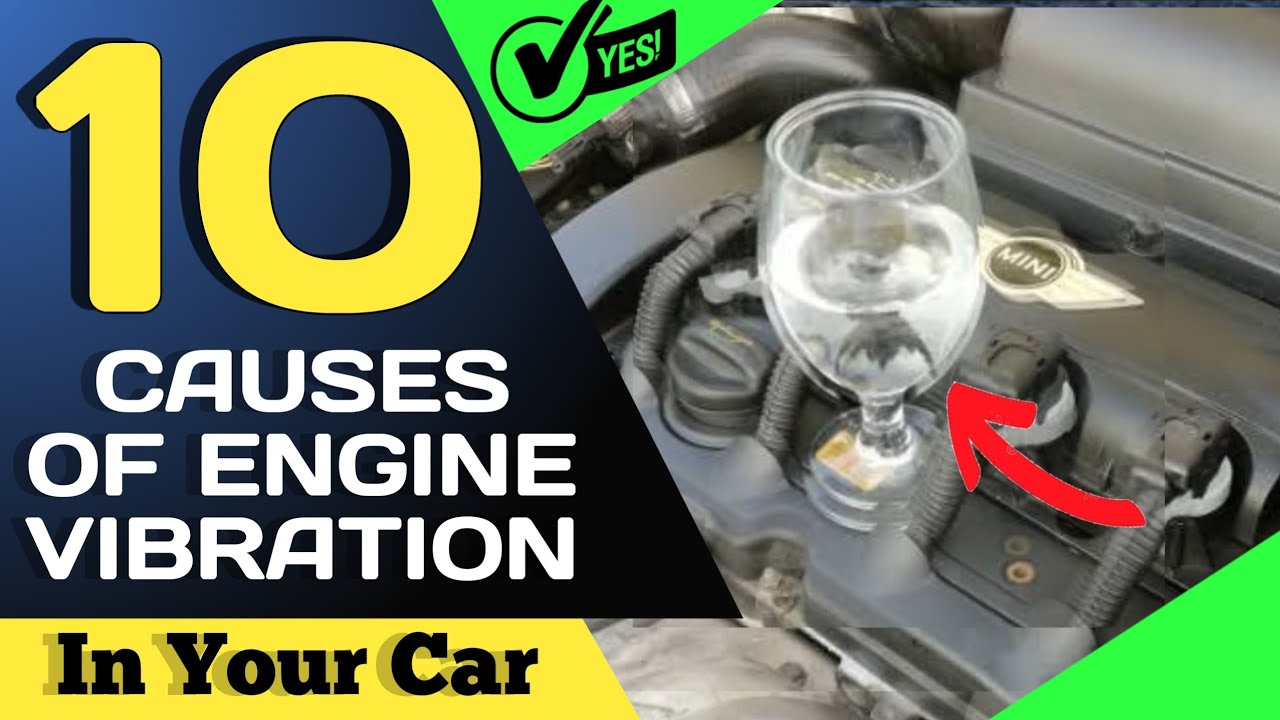
Common Causes of XL7 Shaking at Idle
When your Suzuki XL7 vibrates while stopped, it typically points to a disruption in the engine’s combustion process or a failure in the mounts that stabilize the engine. Here are the most frequent offenders:
1. Worn Engine Mounts
The engine mounts are designed to isolate the chassis from the natural vibrations of the engine. Over time, the rubber components within these mounts can harden, crack, or tear. When this happens, the engine’s vibrations are transferred directly to the cabin. If you feel the shaking primarily through the floorboards or steering wheel, worn engine mounts are a prime suspect.
2. Ignition System Failures
If your spark plugs are old or your ignition coils are failing, your engine will experience a misfire. A misfire at idle causes a rhythmic “stumble” or shaky sensation because one cylinder isn’t firing correctly. This is often accompanied by a noticeable drop in fuel economy and sluggish acceleration.
3. Dirty Throttle Body or Idle Air Control (IAC) Valve
Over thousands of miles, carbon deposits can build up around the throttle body plate. This restricts airflow, causing the engine to struggle to maintain a steady idle speed. Cleaning the throttle body is a relatively inexpensive maintenance task that often resolves idle-related vibrations.
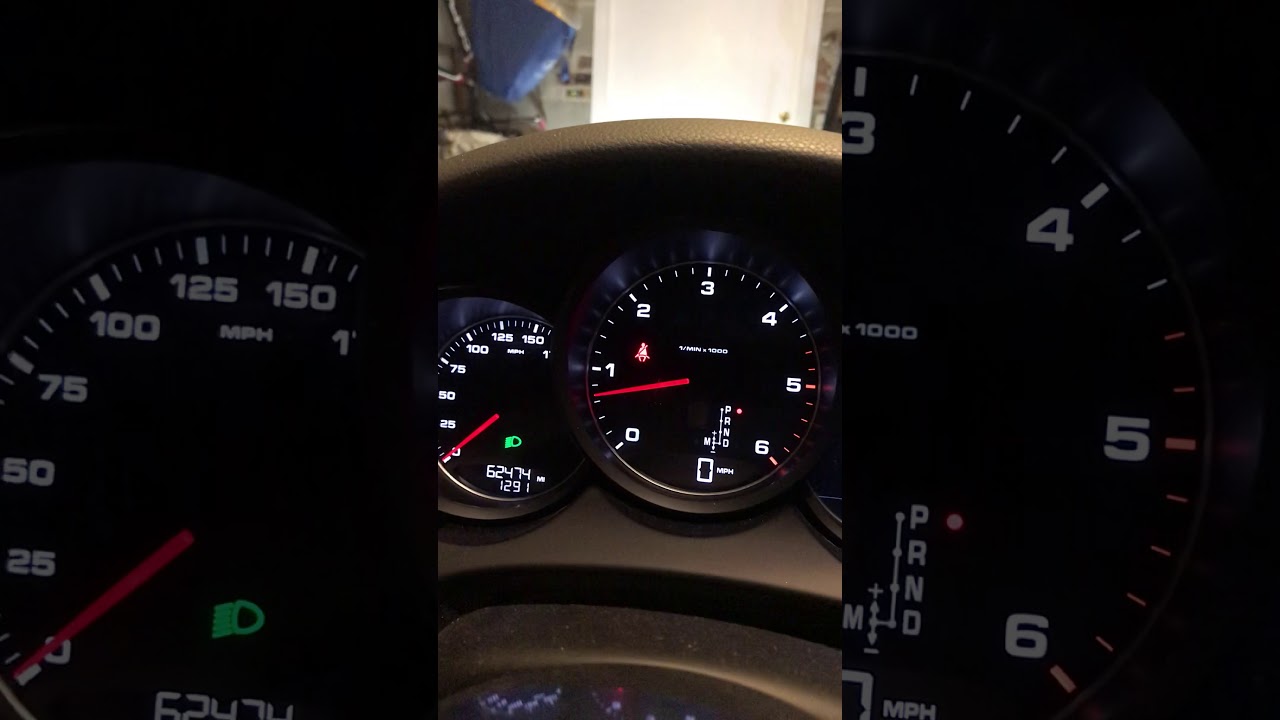
Special Considerations for the Suzuki XL7 Hybrid
In 2026, many XL7 owners are driving the Hybrid variant. If you notice the “Idling Stop & Go” indicator blinking, it is a specific warning sign unique to the hybrid system.
If the hybrid system indicator flashes, it suggests a fault in the integrated starter generator or the auxiliary battery system. Forcing the vehicle to continue driving under these conditions can lead to further electrical strain. If you experience vibration combined with a blinking hybrid light, it is highly recommended to consult a certified Suzuki technician rather than attempting a DIY fix.
<img alt="Engine Vibration at Idle Diagnosis Help | Tacoma World" src="https://twstatic.net/attachments/img20230429145309102_hdr-jpg.5402385/” style=”max-width:100%; height:auto; border-radius:8px; margin: 1rem 0;” />
Maintenance Tips to Prevent Future Vibrations
Preventative maintenance is the best defense against engine roughness. Follow these simple steps to keep your XL7 running like new:
- Stick to the Service Schedule: Regular oil changes and air filter replacements ensure the engine breathes and lubricates correctly.
- Fuel Quality Matters: Using low-quality fuel can lead to carbon buildup on injectors. Consider using a high-quality fuel system cleaner every 5,000 miles to keep the spray pattern optimized.
- Monitor Your Battery: For hybrid models, ensure the auxiliary battery is holding a charge. A weak battery can cause the electronic control unit (ECU) to behave erratically, leading to idle fluctuations.
- Listen to Your Engine: If you notice a change in the “tone” of your engine at idle, don’t wait for the vibration to worsen. Early detection is key to avoiding costly repairs.
When to See a Professional
While many maintenance tasks are easy for the weekend warrior, some issues require specialized equipment. If you have replaced your spark plugs, cleaned your throttle body, and checked your engine mounts, yet the vibration persists, it may be time to visit a professional.
A mechanic can perform a compression test or a fuel pressure test to rule out deeper internal engine issues. Remember, a systematic approach is the only way to effectively troubleshoot a complex system like the Suzuki XL7.
Conclusion: Restoring Your Ride
A shaking car is more than just a nuisance; it is a sign that something is out of sync. Whether it is a simple matter of cleaning a dirty throttle body or addressing a failing engine mount, diagnosing the Suzuki XL7 engine vibration idle early will preserve the longevity of your vehicle.
By staying proactive with your maintenance and paying attention to your dashboard warnings, you can ensure that your Suzuki XL7 continues to provide the comfort and reliability you expect for years to come. Don’t let the vibration take the joy out of your drive—start your diagnosis today!