
There is nothing quite as frustrating as turning your ignition key or pressing the start button only to be met with total silence. In 2026, while vehicle technology has advanced significantly, the classic dead car battery remains one of the most common roadside emergencies. Whether you left your lights on, have an aging battery, or are dealing with extreme temperature fluctuations, knowing how to revive your vehicle is an essential life skill.
This comprehensive, step-by-step guide to jump-starting a dead battery will help you get back on the road safely and efficiently. By following these professional tips, you can avoid costly towing fees and the stress of being stranded.
Essential Safety Precautions Before You Begin
Before you reach for those jumper cables, safety must be your top priority. A car battery contains sulfuric acid and can release explosive gases, so caution is non-negotiable.
- Consult your owner’s manual: Modern 2026 vehicles often have specific jump-starting ports or sensitive electronics that require a specific procedure.
- Inspect the battery: Never attempt to jump-start a battery that is cracked, leaking, or frozen.
- Safety gear: If possible, wear safety glasses and gloves to protect against potential acid splashes or sparks.
- Clear the area: Ensure the vehicles are close enough for the cables to reach but do not let the vehicles touch.
<img alt="How to Jump-Start a Dead Battery: A Step-by-Step Guide" src="https://static.wixstatic.com/media/e8a86a2c1d582231144bfe9be1e057d3920389~mv2.jpg/v1/fill/w1000,h1000,alc,q85,usm0.661.000.01/e8a86a_2c1d582231144bfe9be1e057d3920389~mv2.jpg” style=”max-width:100%; height:auto; border-radius:8px; margin: 1rem 0;” />
The Step-by-Step Guide to Jump-Starting Your Car
Once you have confirmed that the battery is safe to jump, follow these steps in the exact order listed. Using the correct sequence prevents electrical shorts and damage to your car’s computer system.
1. Position the Vehicles
Park the functional vehicle so the batteries are as close as possible without the cars touching. Turn off both engines, engage the parking brakes, and turn off all lights, radios, and accessories in both vehicles.
2. Connect the Positive Cables
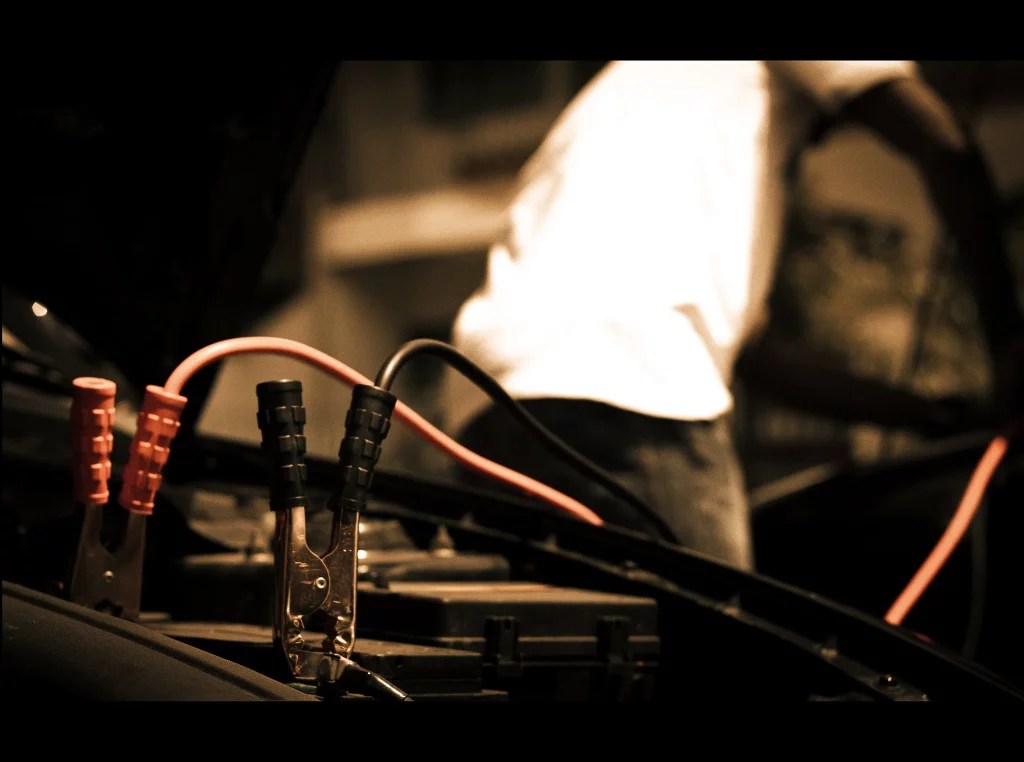
Attach one end of the red jumper cable to the positive (+) terminal of the dead battery. Connect the other end of the red cable to the positive (+) terminal of the donor vehicle’s battery.
3. Connect the Negative Cables
Attach one end of the black jumper cable to the negative (-) terminal of the donor vehicle’s battery. Crucial Step: Attach the other end of the black cable to an unpainted metal surface on the engine block or frame of the dead car—away from the battery. This reduces the risk of sparks igniting battery gases.
<img alt="How to Jump-Start a Dead Battery: A Step-by-Step Guide" src="https://static.wixstatic.com/media/e8a86ad2aceab13e184b9e8f95265ff5aef0bc~mv2.jpg/v1/fill/w980,h980,alc,q85,usm0.661.000.01,encavif,qualityauto/e8a86a_d2aceab13e184b9e8f95265ff5aef0bc~mv2.jpg” style=”max-width:100%; height:auto; border-radius:8px; margin: 1rem 0;” />
4. Start the Engines
Start the engine of the donor vehicle and let it idle for a few minutes to charge the dead battery. Attempt to start the disabled vehicle. If it doesn’t start immediately, wait another 3–5 minutes and try again.
5. Remove the Cables in Reverse Order
Once the car is running, remove the cables in the exact reverse order you connected them. Start by removing the black negative clamp from the car that was dead, then the black clamp from the donor car, followed by the red positive clamps.
What If You Don’t Have Another Car?
In 2026, many drivers are switching to portable lithium-ion jump starters. These compact devices allow you to jump-start a dead battery without needing another vehicle. They are safer, easier to use, and highly recommended for road trips.
Troubleshooting and Maintenance Tips
If the car still won’t start after a jump, you may be dealing with a faulty alternator or a completely dead battery cell that can no longer hold a charge. After successfully jump-starting your car, it is vital to drive it for at least 20–30 minutes to allow the alternator to recharge the battery.
Proactive battery maintenance includes:
- Checking for corrosion on battery terminals.
- Ensuring the battery connections are tight and secure.
- Testing your battery health annually if your battery is over 3 years old.
Conclusion
Mastering the step-by-step guide to jump-starting a dead battery provides peace of mind whenever you hit the road. While jump-starting is a reliable short-term fix, remember that a dead battery is often a sign of an underlying issue. If your battery dies repeatedly, have it inspected by a professional mechanic to avoid being stranded again. By staying prepared and following these safety protocols, you can handle any battery emergency with confidence in 2026 and beyond.