
The Mitsubishi Xpander has cemented its reputation as one of the most reliable and family-friendly MPVs on the road. However, as we move through 2026, owners of both newer and high-mileage models should remain vigilant regarding one specific component: the fuel pump. A failing fuel pump can turn a smooth family road trip into a stressful roadside emergency.
Understanding the Mitsubishi Xpander fuel pump failure symptoms is not just about maintenance—it is about ensuring the safety and reliability of your vehicle. In this guide, we break down the warning signs, the technical reality of pump degradation, and how you can protect your Xpander from unexpected breakdowns.
Why the Fuel Pump Matters for Your Xpander
The fuel pump is the heart of your engine’s delivery system. Its primary job is to move gasoline from the fuel tank to the engine at a precise, constant pressure. If this pressure drops—or fails entirely—your engine will starve for fuel, leading to poor performance or a complete refusal to start.
In the Xpander, as with most modern fuel-injected vehicles, the pump is submerged inside the fuel tank. While this helps keep the pump cool, debris in the fuel or long-term wear can eventually compromise the internal motor.
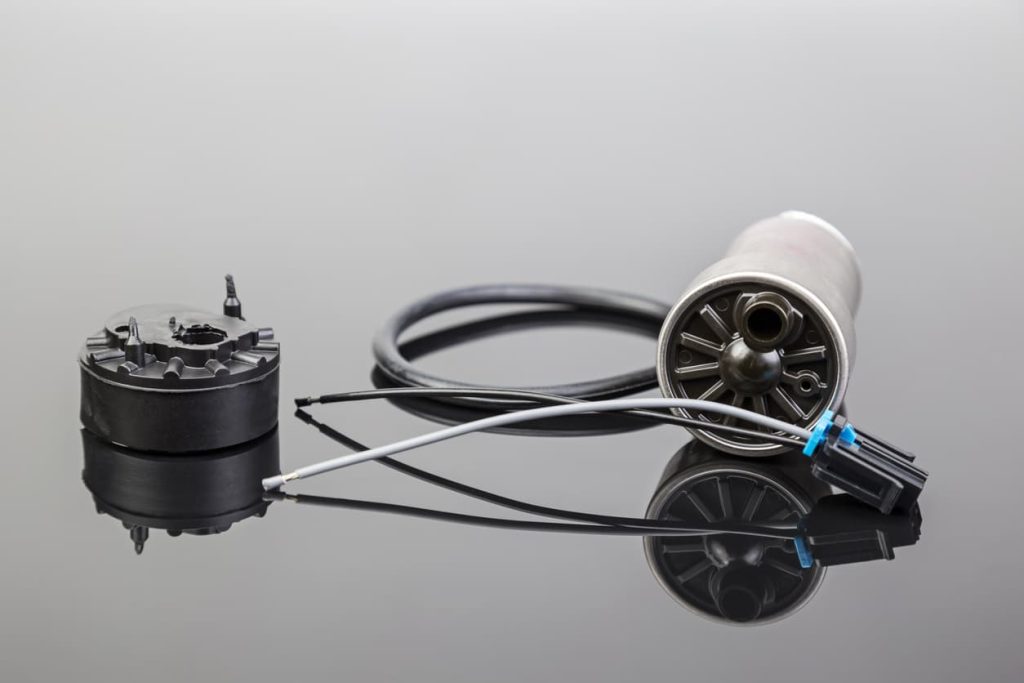
Top 5 Mitsubishi Xpander Fuel Pump Failure Symptoms
Recognizing the early warning signs of a failing pump can save you from costly engine damage or being stranded. If you notice any of these symptoms in your 2026 Xpander, it is time for a professional inspection.
1. Engine Stalling or Sudden Shutdown
One of the most reported Mitsubishi Xpander fuel pump failure symptoms is the engine dying suddenly while driving. Dani Bastian, the General Chairman of the Xpander Mitsubishi Owner Club (X-MOC), highlights that a common sign of a failing pump is the engine cutting out abruptly, even while the vehicle’s electrical system remains fully functional. This is a tell-tale sign that the pump has lost power or pressure momentarily.
2. Difficulty Starting the Engine
If you turn the key or press the start button and your Xpander cranks for an unusually long time before firing up, the fuel pump may be struggling to build the necessary pressure in the fuel line. A healthy pump should prime the system instantly; a weak one will cause a “hard start” condition.
3. Engine Hesitation and Power Loss
You might notice that your Xpander feels “sluggish” during acceleration or hesitates when you press the gas pedal. This happens because the engine is not receiving the consistent volume of fuel required for higher RPMs. If the car stutters while climbing a hill or merging onto a highway, the pump may be failing to keep up with the engine’s demand.

4. Unusual Whining Noises
While the fuel pump operates quietly under the back seat, a failing pump often begins to emit a high-pitched whining or humming sound. If you hear this noise coming from the rear of the vehicle when the ignition is in the “ON” position, it is a significant indicator that the pump motor is struggling and nearing the end of its life.
5. Complete Loss of Pressure (No Start)
This is the final, most critical stage of failure. The engine will crank perfectly fine because the battery and starter are working, but the engine will never “catch” or turn over. You may even smell raw fuel near the engine bay, as the injectors are firing, but there is zero pressurized fuel arriving to create the combustion cycle.
How to Prevent Fuel Pump Issues in 2026
Prevention is always cheaper than a breakdown. To keep your Xpander running optimally, follow these simple maintenance tips:
- Avoid Driving on “Empty”: The fuel in your tank acts as a coolant for the fuel pump. Driving consistently with a low fuel level causes the pump to overheat, drastically shortening its lifespan. Try to keep your tank at least one-quarter full.
- Use Quality Fuel: Contaminated or low-quality gasoline can clog the fuel filter and damage the pump. Stick to reputable gas stations to ensure the fuel is clean and free of debris.
- Regular Inspections: During your scheduled 2026 maintenance intervals, ask your mechanic to check fuel pressure levels. Catching a weak pump before it fails completely is the best way to avoid a tow truck.

What to Do If Your Xpander Fails
If you suspect your Xpander is suffering from fuel pump issues, do not ignore the signs. Continuing to drive with a failing pump can lead to the engine running “lean,” which may cause overheating or damage to your spark plugs and catalytic converter.
Always consult with an authorized Mitsubishi service center. They have the diagnostic tools to measure the specific fuel pressure output of your pump and determine if it meets the manufacturer’s requirements. Using genuine Mitsubishi parts for replacement is highly recommended to ensure the same longevity and performance you expect from your vehicle.
Final Thoughts
The Mitsubishi Xpander fuel pump failure symptoms are distinct and often progressive. By paying attention to how your car starts, sounds, and accelerates, you can identify potential issues long before they leave you stranded. Keep your fuel levels healthy, choose high-quality gasoline, and treat your Xpander to regular check-ups to ensure it stays a reliable companion for years to come.