
The Mitsubishi Pajero Sport is a legendary off-roader, built to conquer rugged terrain and steep mountain passes. However, even the most robust 4×4 can struggle when the mercury climbs. If you have experienced your Mitsubishi Pajero Sport engine overheating uphill in 2026, you aren’t alone. Dealing with rising temperatures while navigating an incline is stressful, but understanding the root cause is the first step toward a permanent fix.
<img alt="Mitsubishi Pajero Sport Engine – Specs & Motor Options | CarsGuide" src="https://carsguide-res.cloudinary.com/image/upload/fauto,fllossy,qauto,tcgmarkingbackgroundsm/v1/editorial/2023-Mitsubishi-Pajero-Sport-GSR-SUV-Red-Glen-Sullivan-1200×800-(5″ style=”max-width:100%; height:auto; border-radius:8px; margin: 1rem 0;” />.jpg)
Immediate Steps: What to Do When the Gauge Spikes
When you notice your temperature needle climbing toward the red zone while climbing a steep grade, immediate action is required to prevent catastrophic engine damage.
- Reduce Load: Immediately back off the throttle. If you are towing or carrying a heavy load, shift to a lower gear to reduce engine strain.
- Turn Off the A/C: The air conditioning system puts an additional load on your engine. Turning it off immediately reduces the heat generated under the hood.
- Maximize Cabin Heating: Ironically, turning your heater to the maximum setting helps pull heat away from the engine block and into the cabin.
- Idle Safely: If the temperature does not drop, pull over to a safe area. Keep the engine at idle speed until the temperature drops and the warning light extinguishes.
- Emergency Shutdown: If the temperature fails to stabilize, turn the engine off completely and move away from the vehicle. Do not attempt to open the radiator cap while the engine is hot—the pressurized steam can cause severe burns. Call for a tow truck if the issue persists.
.jpg)
Common Causes of Pajero Sport Overheating on Inclines
Overheating during uphill climbs is often a symptom of a cooling system struggling to keep up with the extra demand. In 2026, many Pajero Sport owners find that these specific components are the usual suspects:
1. Cooling System Efficiency
The most common culprit is a clogged radiator. Over time, mud, debris, and internal scale buildup restrict coolant flow. If the fins are blocked externally, airflow is reduced, preventing the radiator from dissipating heat effectively when you need it most.
2. Thermostat Failure
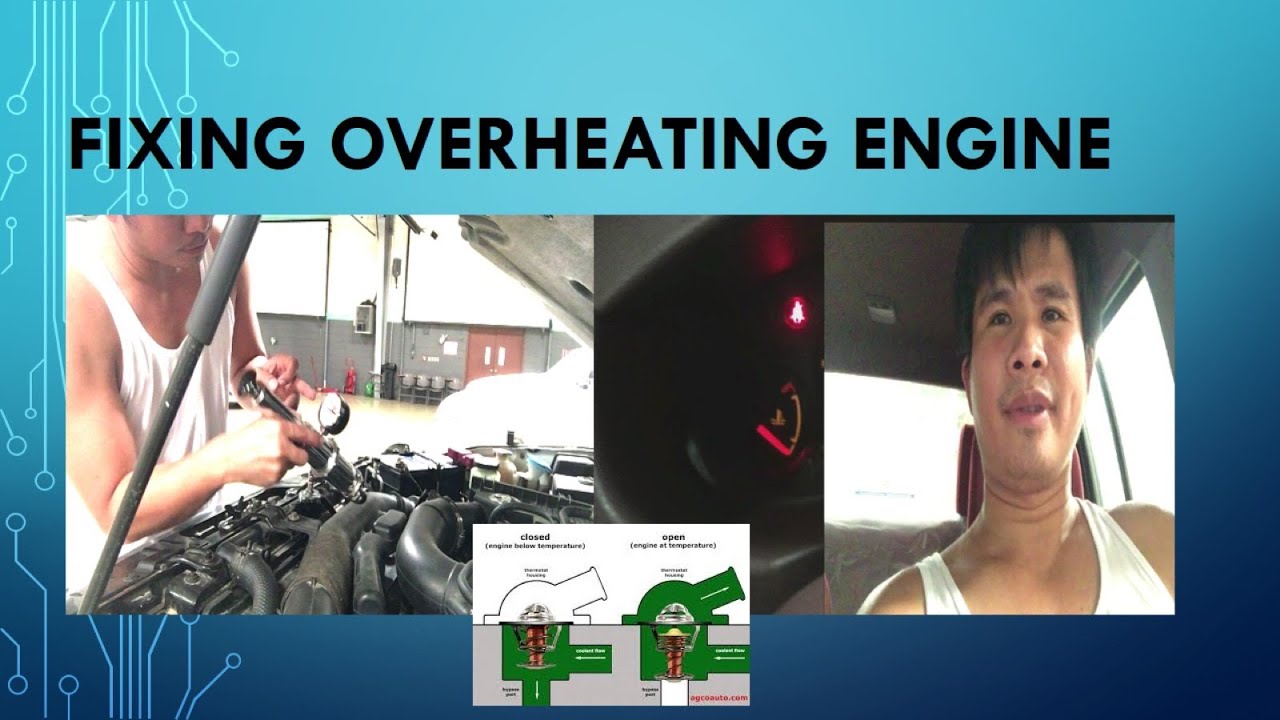
The thermostat is the gatekeeper of your cooling system. If it becomes stuck in a partially closed position, it restricts the flow of coolant to the radiator. When the engine works harder on an incline, the coolant cannot circulate fast enough to manage the increased thermal output.
3. Viscous Fan Clutch Issues
For models equipped with a mechanical fan, a failing viscous fan clutch is a frequent cause of overheating under load. As the engine works harder, the fan should spin faster to pull air through the radiator. If the clutch is worn, it will not engage properly, leading to high engine temperatures at low speeds or during steep climbs.
4. Coolant Degradation
Coolant is not just antifreeze; it is a vital heat-transfer fluid. If your coolant is old, acidic, or diluted with too much water, its boiling point drops significantly. Always ensure you are using the OEM-recommended coolant specified for your model year.
Proactive Maintenance Tips for 2026
Prevention is always cheaper than a complete engine overhaul. To keep your Pajero Sport running cool during your next off-road adventure, consider these maintenance practices:
- Radiator Flush: Perform a professional cooling system flush every 2-3 years to remove internal deposits.
- Inspect Hoses: Check all rubber cooling hoses for signs of bulging, cracking, or softening. A collapsed hose can restrict flow under high-pressure conditions.
- Monitor Engine Health: Use an OBD-II scanner to monitor real-time coolant temperatures. Often, the dashboard gauge is “buffered” and may not show the true severity of a temperature spike until it is too late.
- Clean the Exterior: If you frequent muddy trails, ensure the radiator fins are cleaned thoroughly after every trip. Compressed air or a low-pressure water spray works wonders.
When to See a Professional
If you have checked the coolant levels and ensured there are no visible leaks, but your Pajero Sport continues to run hot on inclines, it is time for a professional diagnosis. Issues like a failing water pump (which may have worn impellers) or a blown head gasket require specialized tools and technical expertise.
Continuing to drive a vehicle that is prone to overheating can lead to warped cylinder heads and permanent engine failure. By addressing these symptoms early in 2026, you ensure that your Mitsubishi Pajero Sport remains a reliable companion for years to come. Remember, when in doubt, pull over and let the engine breathe.