
If you own a Mitsubishi Pajero Sport, you know it is a beast on the road. However, experiencing a Mitsubishi Pajero Sport brake vibration at high speed can transform your smooth highway cruise into a nerve-wracking experience. As we head into 2026, keeping your rugged SUV in peak condition is essential for both safety and driving pleasure.
Whether it is a subtle shimmy in the steering wheel or a violent shudder throughout the chassis when you touch the brake pedal, you are not alone. This guide breaks down exactly why your Pajero Sport is vibrating and how to resolve these issues for good.
Understanding the Difference: Brake-Induced vs. Speed-Induced Vibration
Before jumping to conclusions, it is vital to distinguish between vibrations that occur only while braking and those that persist while cruising.
- Brake-Induced Vibration: This is felt primarily through the brake pedal and steering wheel when you apply pressure to slow down. It is almost always related to the braking system components.
- Speed-Induced Vibration: This occurs at specific highway speeds (usually between 80 km/h and 120 km/h) regardless of whether you are braking. This is typically linked to drivetrain, wheel, or suspension issues.
Common Causes of Brake Vibration at High Speeds
If your Pajero Sport shakes specifically when you hit the brakes at highway speeds, the issue is likely mechanical wear within the stopping system.
1. Warped Brake Rotors
The most common culprit for “pulsing” or shaking during braking is warped brake rotors. Over time, extreme heat cycles can cause the metal discs to become uneven. When the brake pads grip an uneven surface, the vibration travels directly through the calipers to the steering rack.
2. Worn or Glazed Brake Pads
If your Pajero Sport brake pads have worn down unevenly or have become “glazed” due to excessive heat, they may not make consistent contact with the rotor. This creates an uneven friction surface, leading to that familiar shudder.

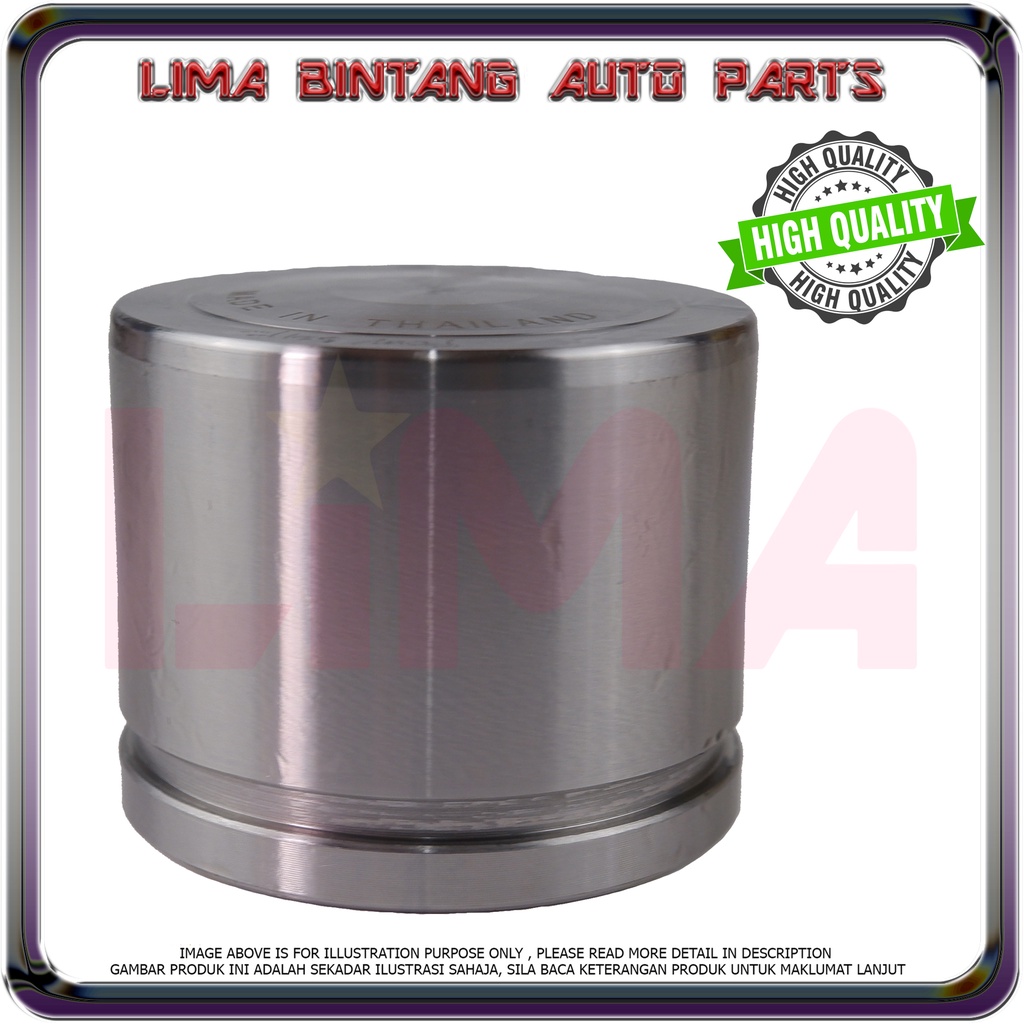
3. Stuck Brake Caliper Pistons
A seized or sticking caliper piston prevents the brake pad from retracting or clamping properly. This can cause the pad to drag against the rotor, creating excessive heat and localized warping, which manifests as vibration when you finally apply the brakes.
Identifying Non-Braking Highway Shakes
If your vehicle vibrates even when you aren’t touching the brakes, you are likely looking at a wheel, tire, or suspension problem. By 2026, many Pajero Sport owners are identifying these specific issues:
- Unbalanced Wheels: This is the #1 cause of highway speed vibrations. If your tires are not perfectly balanced, the centrifugal force at high speeds creates a rhythmic wobble.
- Bent Rims: Off-roading is a core feature of the Pajero Sport, but hitting a rock or deep pothole can bend a rim. Even a slight deformation will cause a noticeable shake at high speed.
- Worn Tie Rods and Wheel Bearings: Loose steering components or a failing wheel bearing can cause “play” in the front end. As speed increases, this play intensifies, leading to a loss of steering precision and vibration.
Step-by-Step Diagnostic Strategy
To troubleshoot your Mitsubishi Pajero Sport effectively, follow this professional diagnostic flow:
- Visual Inspection: Check for uneven tire wear or visible damage to the rims.
- The “Brake Test”: Find a safe, empty stretch of road. Gently apply the brakes at 100 km/h. If the steering wheel shakes, focus on rotors and pads.
- The “Cruising Test”: If the shake happens at speed without braking, visit a tire shop for a road-force balance.
- Suspension Check: Jack up the front of the vehicle and attempt to wiggle the wheels at the 12 o’clock and 6 o’clock positions. Any movement indicates a wheel bearing or ball joint issue.
Maintenance Tips for 2026 and Beyond
Prevention is always cheaper than repair. To keep your Pajero Sport running smoothly:
- Rotate your tires every 10,000 km to ensure even wear patterns.
- Perform regular brake fluid flushes to prevent moisture buildup, which can corrode caliper pistons.
- Use OEM or high-quality ceramic brake pads to reduce the likelihood of heat-induced warping on your rotors.
- Check lug nut torque: Sometimes, a simple loose lug nut is the hidden culprit behind a scary-feeling highway vibration.
Conclusion
A Mitsubishi Pajero Sport brake vibration at high speed is rarely a mystery that cannot be solved. By distinguishing between braking-related issues like warped rotors and speed-related issues like unbalanced tires, you can save significant time and money at the mechanic.
Always prioritize safety. If you feel a severe vibration, have your vehicle inspected by a qualified technician immediately. With the right maintenance, your Pajero Sport will continue to provide the smooth, commanding ride you expect for years to come.