
If you own a Mitsubishi Outlander, there is nothing more nerve-wracking than your engine cutting out while you are cruising down the highway or waiting at a traffic light. As we navigate through 2026, many owners are reporting intermittent stalling issues that range from rough idling to complete power loss.
Understanding why your Mitsubishi Outlander engine stalls randomly is the first step toward reclaiming your vehicle’s reliability. Whether you are driving a newer PHEV model or a high-mileage gasoline variant, stalling is almost always a sign that the engine’s “life triangle”—air, fuel, and spark—is being compromised.
The Core Mechanics: Why Engines Suddenly Die
At its most basic level, an internal combustion engine requires a precise balance of air, fuel, and spark to maintain momentum. If your Outlander runs perfectly one moment and shuts down the next, it means one of these three components has been abruptly interrupted.

When an engine stalls, the Electronic Control Unit (ECU) may be struggling to compensate for a sudden sensor failure. If the ECU receives conflicting data from the crankshaft position sensor or the mass airflow (MAF) sensor, it may simply shut down the fuel injectors as a safety precaution, leading to the dreaded “random stall.”
Common Symptoms: Beyond the Stall
Many Outlander owners report that the stalling doesn’t happen in a vacuum. Before the engine cuts out completely, there are often subtle warning signs that your vehicle is struggling.
- Rough Idle: If your engine feels like it is “shaking” or vibrating excessively when stopped at a red light, it is a precursor to a stall.
- RPM Fluctuations: If the needle drops below 1,000 RPMs and then surges, the idle air control system may be failing.
- Flickering Lights: Electrical instability often accompanies stalling, suggesting a bad alternator or a loose ground connection.
- Service Engine Soon Light: Never ignore the dashboard warnings. These codes are your vehicle’s way of speaking to you.
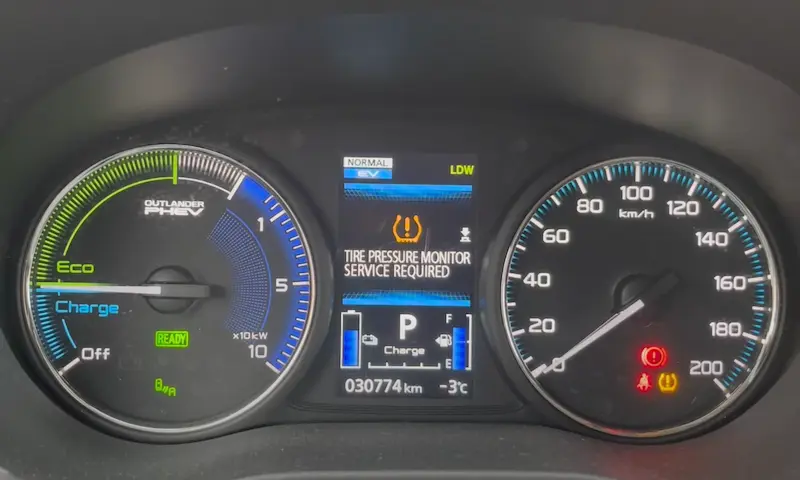
Top 5 Causes of Random Stalling in 2026
If you are dealing with a Mitsubishi Outlander that dies unexpectedly, check these common failure points first.
1. Faulty Crankshaft Position Sensor
The crankshaft position sensor tells the computer exactly when to fire the spark plugs. If this sensor sends a faulty signal, the ECU stops the fuel flow entirely, resulting in an immediate stall.
2. Clogged Mass Airflow (MAF) Sensor
The MAF sensor measures the amount of air entering the engine. If it is covered in dust or oil, the fuel-to-air ratio becomes incorrect. This often causes the engine to “choke” and stall during acceleration.
3. Fuel Pump or Filter Issues
If your fuel pump is failing, it may not be able to maintain the constant pressure required for the engine to run. This is particularly noticeable when the fuel tank is low or when climbing steep hills.
4. Vacuum Leaks
A cracked vacuum hose allows unmetered air into the combustion chamber. This confuses the ECU, leading to a lean mixture that can cause the engine to stumble and eventually stall out.
5. Battery and Alternator Health
In modern 2026 Outlanders, electrical stability is critical. A dying battery or a failing alternator can cause voltage drops that reset the electronic systems, causing the engine to shut down mid-drive.

How to Handle Engine Stalling (TSBs and Recalls)
Before spending thousands at a mechanic, check if your specific model year has an active Technical Service Bulletin (TSB) or recall. Mitsubishi frequently updates engine software to manage idle speeds and sensor sensitivity.
You can use the NHTSA website or the official Mitsubishi Owners portal to input your VIN. If your stalling issue is related to a factory defect, you may be eligible for a free repair, even if your warranty has technically expired.
Troubleshooting Steps for Owners
If your Outlander is acting up, try these steps to narrow down the cause:
- Scan for OBD-II Codes: Even if the check engine light isn’t on, “pending codes” can tell you which sensor is acting up.
- Clean the Throttle Body: A dirty throttle plate is a leading cause of rough idling and stalling at low speeds.
- Check Battery Terminals: Ensure they are clean, tight, and free of corrosion. A loose cable can cause a total power loss.
- Inspect Vacuum Lines: Look for any cracked or disconnected rubber hoses under the hood.
Conclusion: Don’t Ignore the Stall
A random engine stall is not just an inconvenience—it is a significant safety risk. Whether it is a simple fix like a dirty sensor or a more complex fuel system issue, addressing it early will prevent further damage to your engine components.
By staying proactive with your maintenance and paying attention to how your Outlander behaves at low RPMs, you can ensure your vehicle remains a reliable companion on the road throughout 2026 and beyond. If the stalling persists, consult a certified technician immediately to avoid being stranded.