
If you are driving a 2026 Mitsubishi Outlander and notice a piercing roar or a frantic rattle when you step on the gas, you aren’t alone. While the Outlander remains a top-tier choice for families seeking versatility and value, the Mitsubishi Outlander engine noise at high RPM has become a frequent topic of discussion among owners and technicians alike.
Understanding whether that sound is a normal characteristic of the Continuously Variable Transmission (CVT) or a warning sign of mechanical failure is crucial for your safety and your wallet. In this comprehensive 2026 guide, we dive deep into the causes, the fixes, and the latest technical bulletins surrounding this issue.
The Nature of the Beast: Why High RPMs Sound Different
The Mitsubishi Outlander, particularly the non-hybrid 2.5L variants, relies heavily on a CVT. Unlike traditional automatic transmissions that “shift” through fixed gears, a CVT adjusts infinitely to keep the engine in its most efficient power band.
When you accelerate hard or climb a steep grade, the engine climbs to a high RPM and stays there until you reach your cruising speed. This often results in a “droning” or “mooing” sound that many drivers mistake for engine distress. In 2026, while Mitsubishi has refined these systems, the inherent acoustic profile of a high-revving four-cylinder engine remains a common complaint.
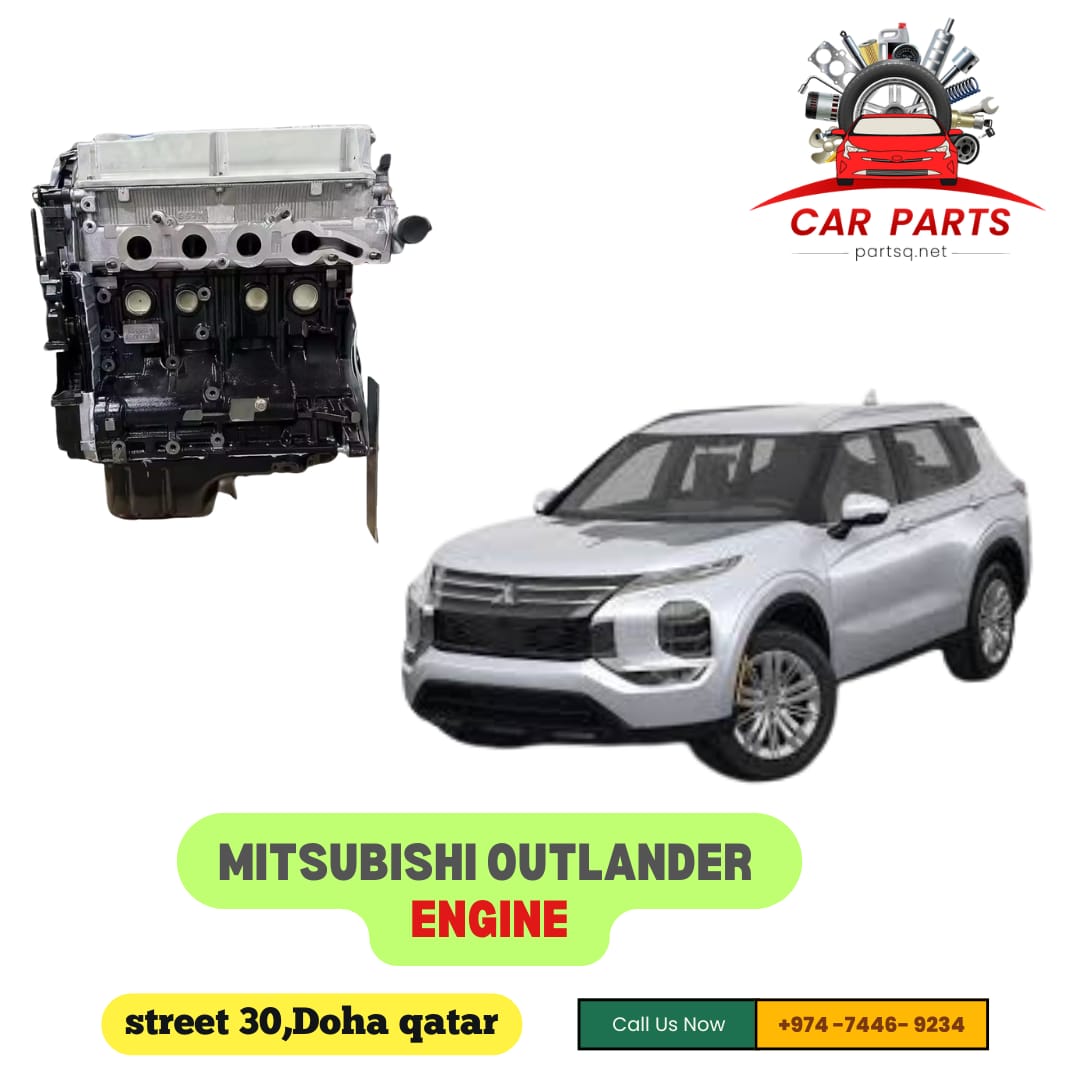
Common Causes of Mitsubishi Outlander Engine Rattle
If the noise isn’t just a consistent drone but a distinct metallic rattle, you likely have a mechanical component vibrating out of sync. Based on real-time data from 2024–2026 models, here are the primary culprits:
1. Loose Exhaust Heat Shields
One of the most common reasons for a rattle at high RPM is a loose exhaust heat shield. These thin metal plates protect the chassis from the heat of the catalytic converter. Over time, the bolts can rust or vibrate loose, causing the shield to vibrate violently against the exhaust pipe when the engine reaches specific frequencies (usually between 3,000 and 4,500 RPM).
2. Timing Chain Tensioner Issues
The Outlander’s engine uses a timing chain rather than a belt. While chains are designed to last the life of the vehicle, a faulty hydraulic tensioner can allow the chain to “slap” against the timing cover. This is a serious issue; if you hear a clattering sound that increases with engine speed, seek professional diagnostic help immediately to avoid catastrophic engine failure.
3. Drive Belt Idler Pulley
The serpentine belt drives your alternator, AC compressor, and water pump. If the idler pulley bearing begins to wear out, it will emit a high-pitched whine or a grinding noise that becomes significantly louder as the RPMs climb.
High RPM Revving When Going Uphill: Is It Normal?
A frequent report on Mitsubishi forums involves the engine revving excessively high when climbing hills. Owners often feel as though the car “refuses to shift.”
In 2026, this is largely attributed to the CVT’s Grade Logic Control. The vehicle’s computer detects the incline and keeps the engine at a higher RPM to ensure there is enough torque to maintain speed. While it sounds like the engine is straining, it is often performing exactly as programmed. However, if this is accompanied by a loss of power or a burning smell, it may indicate a slipping belt within the transmission.

2026 Technical Service Bulletins (TSBs) and Recalls
Mitsubishi has released several updates to address engine and transmission acoustics. By 2026, several Software Updates (TCU Reflashing) have been made available to “smooth out” the simulated gear shifts, which reduces the time the engine spends at a static high-decibel RPM.
- TSB for Engine Vibration: Certain 2022–2025 models had a TSB regarding a resonant vibration at 2,500 RPM caused by the intake manifold.
- CVT Fluid Degradation: In higher-mileage Outlanders, old transmission fluid can cause the belt to chatter, leading to increased noise. Mitsubishi now recommends more frequent CVT fluid intervals if you frequently tow or drive in mountainous terrain.
How to Fix and Prevent High RPM Noise
Maintaining your Mitsubishi Outlander involves more than just oil changes. To keep engine noise to a minimum, follow these steps:
- Check for Loose Accessories: Ensure the air intake box and plastic engine covers are securely fastened.
- Inspect Exhaust Hangers: Worn rubber hangers can allow the exhaust system to vibrate against the frame.
- Use High-Quality Oil: Ensure you are using the 0W-20 synthetic oil specified by Mitsubishi. Low oil levels or incorrect viscosity can lead to increased valve train noise at high speeds.
- Update the Software: Visit your dealership to ensure your Transmission Control Unit (TCU) and Engine Control Unit (ECU) are running the latest 2026 firmware.

When Should You Be Worried?
Not all noise is bad, but some sounds demand immediate attention. You should visit a technician if you experience:
- Rhythmic Tapping: Could indicate a valve adjustment issue or “piston slap.”
- Whining/Squealing: Usually points toward the CVT belt or a bearing in the alternator.
- Limp Mode: If the high RPM noise is accompanied by a “Check Engine” light or a sudden drop in speed, your car has likely entered a protection mode to prevent further damage.
Conclusion
The Mitsubishi Outlander engine noise at high RPM is often a byproduct of its efficient CVT design, but it can also be a symptom of loose heat shields or timing chain wear. By staying proactive with your maintenance and understanding the difference between “normal drone” and “mechanical rattle,” you can ensure your Outlander remains a reliable companion through 2026 and beyond.
If your vehicle is still under its 10-year/100,000-mile powertrain warranty, don’t hesitate to have these noises documented by a certified dealer. Most acoustic issues are solvable with a simple software tweak or a tightened bolt, keeping your drive quiet and your mind at ease.