
The dream of the “connected car” has long been hampered by the limitations of terrestrial infrastructure. For decades, drivers venturing into rural areas, mountainous regions, or vast desert highways have faced the inevitable “dead zone.” However, as we move through 2026, the landscape of mobile connectivity, particularly automotive satellite connectivity, is undergoing a seismic shift, largely due to the impact of new SpaceX satellites on in-car 5G connectivity. Thanks to the rapid deployment of SpaceX’s Direct to Cell technology, in-car 5G connectivity is finally breaking free from the constraints of cell towers.
Bridging the Connectivity Gap: The 2026 Reality
When SpaceX first initiated its Direct to Cell program in early 2024, the goal was to cover the 90% of the Earth’s surface that lacked reliable cellular service, providing true global mobile broadband. Two years later, that vision has evolved into a robust ecosystem. This robust ecosystem highlights the significant impact of new SpaceX satellites on in-car 5G connectivity, effectively turning the sky into a massive, invisible cell tower. By leveraging Low Earth Orbit (LEO) satellites, SpaceX is effectively turning the sky into a massive, invisible cell tower.
<img alt="How 5G Paves the Way for the Driverless Car – WSJ" src="https://automobilesat.com/wp-content/uploads/2026/05/5G-AA006CARM_20180912122033.jpg” style=”max-width:100%; height:auto; border-radius:8px; margin: 1rem 0;” />
For the modern vehicle, this means that high-speed data is no longer tied to proximity to a physical mast. Whether you are driving through a remote national park or navigating a dense urban center, the seamless roaming between terrestrial 5G and satellite 5G is becoming a reality. This smooth transition, facilitated by advanced telematics systems within the vehicle, is a direct result of the impact of new SpaceX satellites on in-car 5G connectivity, proving vital for the next generation of autonomous driving systems that require constant, low-latency data streams to function safely.
Starlink Mobile: Beyond Basic Connectivity
The service previously known as “Direct to Cell” has been rebranded as Starlink Mobile, reflecting a shift toward a more comprehensive, high-bandwidth service model. This rebranding and the advancements in satellite hardware, including sophisticated integrated antenna technology in vehicles, underscore the growing impact of new SpaceX satellites on in-car 5G connectivity, enabling “5G speeds from space,” boasting up to 100x the data density compared to early satellite-to-phone prototypes.
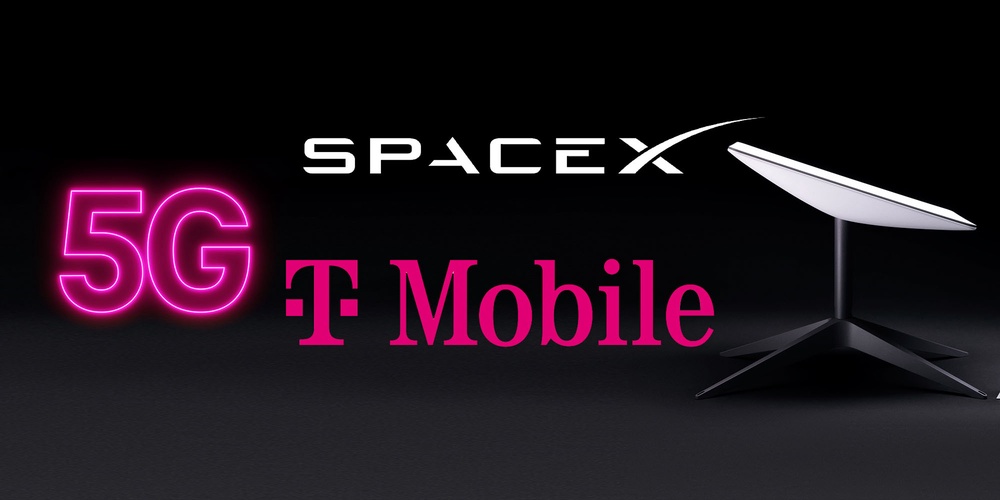
Indeed, the profound impact of new SpaceX satellites on in-car 5G connectivity is a game-changer for the automotive industry, promising an enhanced user experience for drivers and passengers alike. It isn’t just about making a phone call; it’s about:
Over-the-Air (OTA) updates: Seamlessly downloading massive software patches for EV battery management and safety systems without needing a Wi-Fi connection.
Real-time Infotainment: Streaming 8K content or engaging in high-fidelity cloud gaming while in transit.
- V2X Communication: Enabling Vehicle-to-Everything communication, where cars “talk” to one another to prevent accidents, even in remote areas.
The Role of SDN and Intelligent Routing
As the number of connected devices skyrockets, managing the traffic between satellites and vehicles requires sophisticated architecture. This sophisticated architecture is crucial for optimizing the impact of new SpaceX satellites on in-car 5G connectivity, especially for critical low-latency communication, as the number of connected devices skyrockets. In 2026, the industry is moving toward centralized Software-Defined Networking (SDN) control.
Because satellites face inherent power, computational, and memory constraints, SDN allows for better scalability and flexibility. By treating the satellite constellation as a single, cohesive network, SpaceX can dynamically route data packets to the vehicle with the lowest possible latency, while also implementing robust protocols for data security and privacy. This dynamic routing further enhances the positive impact of new SpaceX satellites on in-car 5G connectivity, ensuring low latency for the future of 6G-ready vehicles that will rely on these systems by the end of the decade.
Why This Matters for the Automotive Industry
The integration of satellite-to-cell technology is not merely a convenience feature; it is a strategic necessity. This strategic necessity highlights the significant impact of new SpaceX satellites on in-car 5G connectivity for automotive manufacturers, fundamentally reshaping the entire connected vehicle ecosystem. Automotive manufacturers are increasingly viewing connectivity as the primary differentiator for new vehicle sales.
- Safety and Emergency Services: In the event of an accident, a vehicle connected via satellite can transmit critical telemetry data to emergency services, even when terrestrial networks are down or congested.
- Predictive Maintenance: Cars can now stream diagnostic data to manufacturers in real-time, allowing for “preventative” repairs that stop breakdowns before they occur.
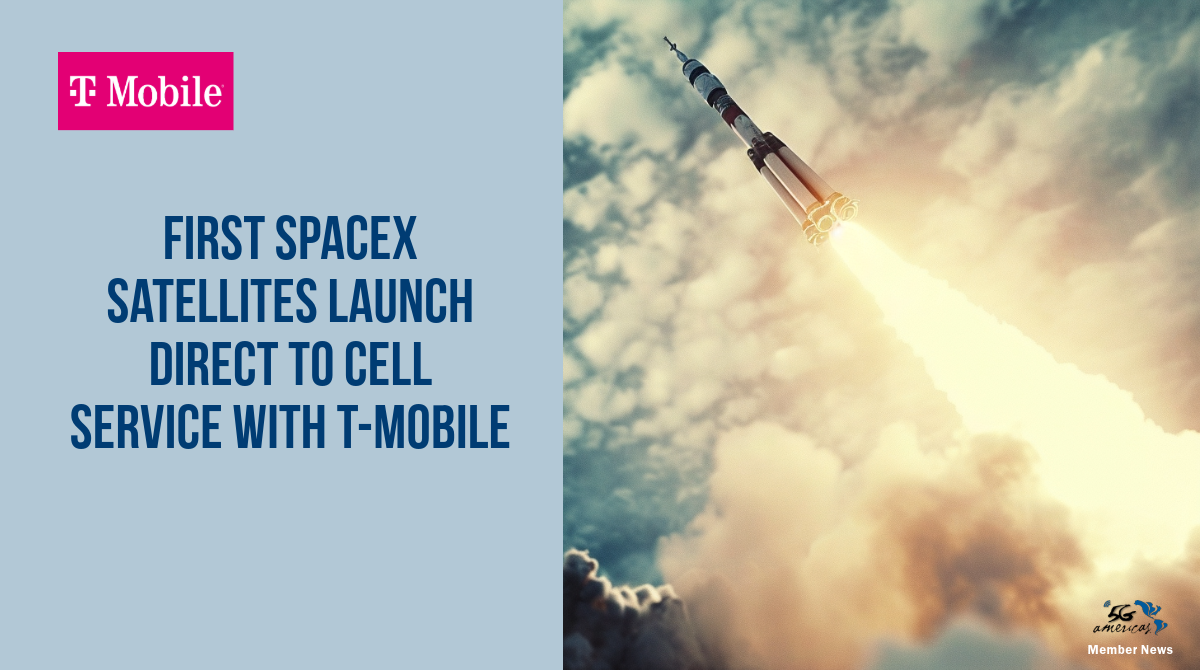
- Global Standardization: With partnerships like those between SpaceX and major carriers (such as T-Mobile), the goal is a global standard where a vehicle manufactured in one country maintains identical connectivity capabilities when driven across borders.
Looking Ahead: The Road to 2030
As we look toward 2030, the synergy between satellite providers and the automotive sector will only deepen, fundamentally transforming the future of transportation. This deepening synergy will further amplify the impact of new SpaceX satellites on in-car 5G connectivity, transitioning to a fully integrated 5G/6G satellite ecosystem. We are currently witnessing the transition from experimental “Direct to Cell” services to a fully integrated 5G/6G satellite ecosystem.
While terrestrial 5G will remain the backbone of urban connectivity, the “SpaceX effect” on the automotive experience, driven by the impact of new SpaceX satellites on in-car 5G connectivity and the growth of automotive satellite connectivity, ensures that the promise of the connected car is no longer limited by geography. Drivers in 2026 are already experiencing a world where the “no signal” icon is becoming a relic of the past. As satellite density increases and hardware costs drop, the automotive experience will continue to evolve, making the car not just a mode of transport, but a fully mobile, high-speed office and entertainment hub.
Conclusion
The impact of new SpaceX satellites on in-car 5G connectivity is profound, representing the most significant leap in automotive communication since the introduction of GPS. By providing universal coverage and global mobile broadband capabilities, SpaceX is effectively future-proofing the modern vehicle. As we continue to integrate these satellite systems, we are not just connecting cars; we are building a safer, smarter, and more efficient global transportation network.