
As the crisp air of autumn settles in and the first frost begins to coat your windshield, it is time to face a reality every driver knows: winter is coming. Preparing your vehicle isn’t just about comfort; it is a critical safety measure that protects your engine, your tires, and your peace of mind. By the time mid-November rolls around in 2026, you should already have your vehicle prepped for the plummeting temperatures.
Learning how to winterize your car for cold weather is a proactive investment that prevents costly breakdowns and hazardous road conditions. From checking your battery health to ensuring your tread depth is sufficient for ice, this guide covers everything you need to navigate the 2026 winter season with confidence.

Why Early Preparation Matters
The biggest mistake drivers make is waiting until the first major snowstorm to address vehicle maintenance. When temperatures drop consistently below 45°F (7°C), your car’s performance changes drastically. Rubber stiffens, fluids thicken, and battery capacity drops significantly.
By taking action in late fall, you avoid the seasonal rush at mechanic shops and ensure your vehicle is ready for the unpredictable nature of winter roads. Proper winterization reduces wear and tear, extending the lifespan of your vehicle’s most vital components.
1. Inspect Your Battery and Electrical System
Cold weather is the number one enemy of car batteries. In freezing temperatures, your engine requires more current to start, while the battery’s chemical output is naturally lower.
- Test your voltage: If your battery is more than three years old, have it load-tested by a professional.
- Check connections: Ensure your battery terminals are clean and free of corrosion. A loose or dirty connection can lead to a “no-start” situation on a sub-zero morning.
- Inspect cables: Look for any fraying or damage that might impede electrical flow.
2. Master Your Traction: Tires for Winter
Your tires are the only point of contact between your vehicle and the road. When the mercury drops, standard all-season tires lose flexibility and grip.
- Switch to Winter Tires: If you live in an area with heavy snow or consistent ice, dedicated winter tires (marked with the snowflake symbol) are non-negotiable. They feature specialized rubber compounds that remain soft in the cold.
- Check Tire Pressure: For every 10-degree drop in temperature, your tire pressure can drop by about 1 PSI. Check your tire pressure monthly throughout the winter to ensure optimal handling.
- Monitor Tread Depth: Use the “penny test” or a depth gauge to ensure you have adequate tread. Bald tires are dangerous on slushy or icy surfaces.
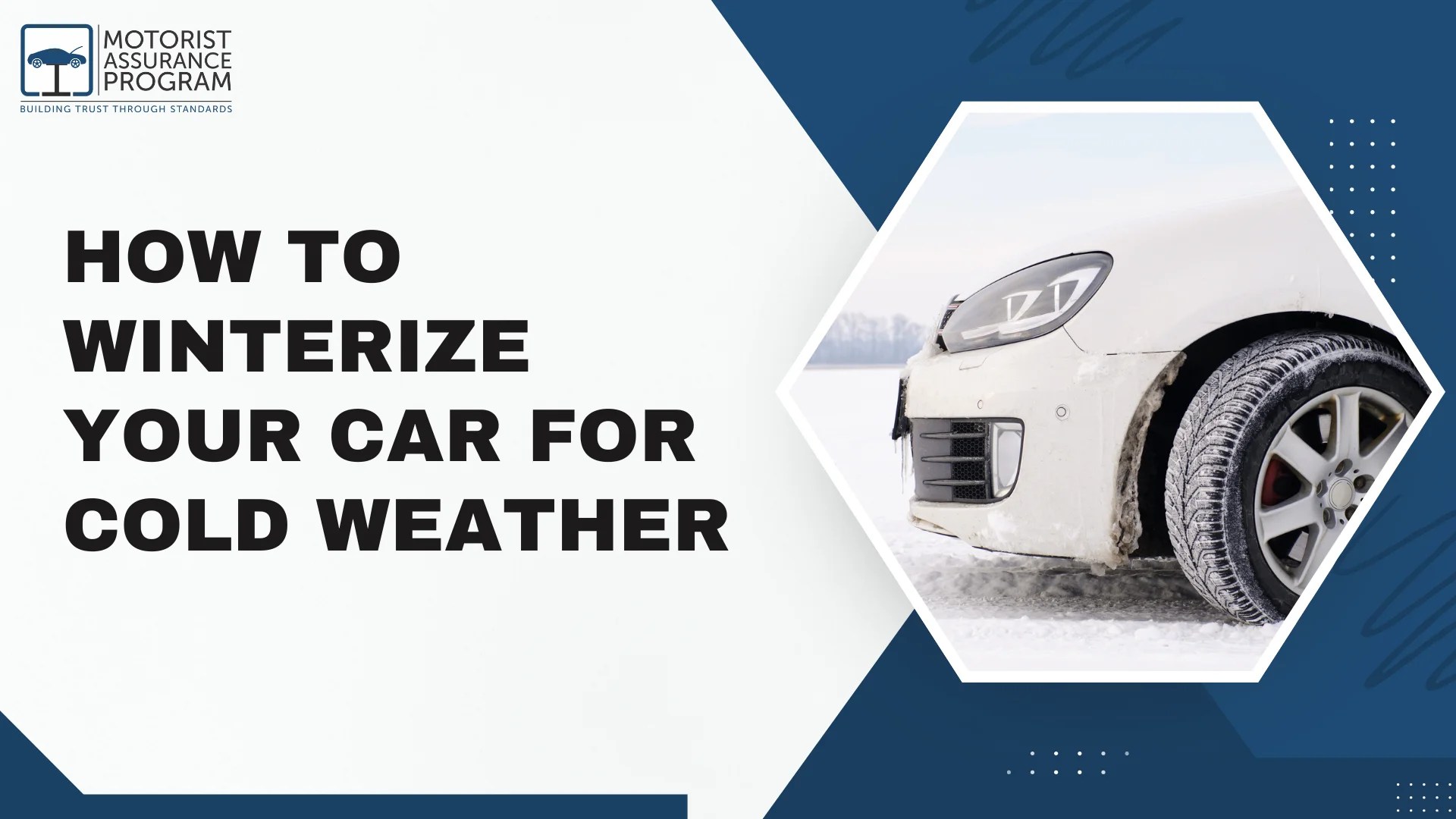
3. Fluid Maintenance and Visibility
Visibility is your best defense against winter accidents. If your windshield wipers are streaking or your washer fluid is frozen, you are driving blind.
- Switch to Winter-Grade Washer Fluid: Ensure your reservoir is filled with a winter-rated fluid (typically rated for -20°F or lower) to prevent freezing in the lines.
- Upgrade Wiper Blades: Invest in heavy-duty winter wiper blades designed to clear ice and heavy, wet snow without tearing.
- Check Coolant (Antifreeze): Your engine needs a 50/50 mix of coolant and water to prevent the block from freezing. Use a tester to ensure your coolant is rated for the lowest temperatures you expect in your region.
4. Protect Your Exterior and Interior
Road salt and de-icing chemicals are highly corrosive. If left on your vehicle, they can eat through your paint and cause rust on the undercarriage.
- Wax Before the First Snow: Applying a high-quality coat of wax in late fall provides a protective barrier against salt and road grime.
- Use All-Weather Floor Mats: Swap your carpeted mats for rubberized, deep-dish floor mats to keep melting snow and slush from soaking into your vehicle’s interior carpet.
- Lubricate Door Seals: Apply a silicone-based lubricant to your door and trunk seals to prevent them from freezing shut overnight.
5. Prepare a Winter Emergency Kit
Even the most well-maintained car can get stuck in a winter storm. Being prepared can be the difference between a minor inconvenience and a dangerous situation. Your 2026 winter emergency kit should include:
- Jumper cables or a portable lithium jump-starter.
- A foldable snow shovel and an ice scraper with a brush.
- Extra warmth: A heavy blanket, gloves, and a spare hat.
- Traction aids: A small bag of sand or kitty litter to help regain grip if you get stuck in snow.
- Emergency supplies: A flashlight, extra batteries, non-perishable snacks, and bottled water.
Conclusion: Drive with Confidence
Learning how to winterize your car for cold weather is a commitment to your safety and the longevity of your investment. By following these steps—checking your battery, upgrading to winter-ready tires, maintaining essential fluids, and packing an emergency kit—you are setting yourself up for a stress-free winter driving season.
Don’t wait for the first snowflake to fall. Take these precautions in 2026 to ensure that when the winter roads get tough, you and your vehicle are ready for the challenge. Stay warm, stay safe, and drive carefully!