
In 2026, the cost of purchasing a new vehicle has reached record highs. For most drivers, the smartest financial move is to keep their current vehicle running smoothly for as long as possible. Extending your car’s lifespan isn’t just about luck; it’s about consistent, proactive maintenance.
By following a disciplined schedule, you can easily push your vehicle well past the 200,000-mile mark. Whether you drive a traditional internal combustion engine or a modern hybrid, reliability is built on the foundation of routine care. Let’s dive into the essential practices that will keep your car on the road and out of the repair shop.
The Foundation of Vehicle Longevity: Fluids and Filtration
Your engine is the heart of your vehicle, and it relies on clean fluids to function. If you ignore your oil change intervals, you are essentially inviting friction and heat to destroy your engine components from the inside out.
- Check oil levels monthly: Don’t wait for a dashboard light. Pull the dipstick once a month to ensure your oil is at the optimal level and not contaminated with debris.
- Coolant system flushes: In 2026, engine temperatures remain a leading cause of roadside breakdowns. Drain and flush your coolant system once a year to prevent corrosion and overheating.
- Don’t ignore the filter: Clean air and fuel filters ensure your engine “breathes” efficiently, which directly improves fuel economy and prevents long-term mechanical strain.

Electrical Systems and Ignition: The 2026 Standard
Modern vehicles are more reliant on electronics than ever before. A dead battery or a faulty spark plug can leave you stranded, regardless of how well you’ve cared for the engine block.
- Battery Health: Test your battery at least once every six months. Extreme temperatures—both hot and cold—can shorten a battery’s life significantly. If your car struggles to start, don’t wait for a complete failure; replace it proactively.
- Spark Plug Maintenance: Experts recommend replacing your spark plugs every 30,000 miles. Fresh plugs ensure a clean, efficient burn, which protects your catalytic converter and improves overall vehicle performance.
- Lighting Checks: Safety is non-negotiable. Regularly walk around your vehicle to test and replace any blown-out lightbulbs. This isn’t just for visibility; it prevents electrical shorts and keeps you legal on the road.
The Importance of Stopping Power: Brakes and Tires
Reliability isn’t just about moving; it’s about being able to stop safely. Your braking system is a critical safety component that requires specific attention to maintain its long-term reliability.
- Brake Pad Replacement: For most daily commuters, you should plan to change out your brake pads every 20,000 miles. Waiting until you hear that high-pitched squeal can lead to expensive rotor damage.
- Tire Pressure and Rotation: Keep your tires properly inflated according to the manufacturer’s sticker inside your driver-side door jamb. Rotating your tires every 5,000 to 7,000 miles ensures even tread wear, which extends the life of your suspension components.
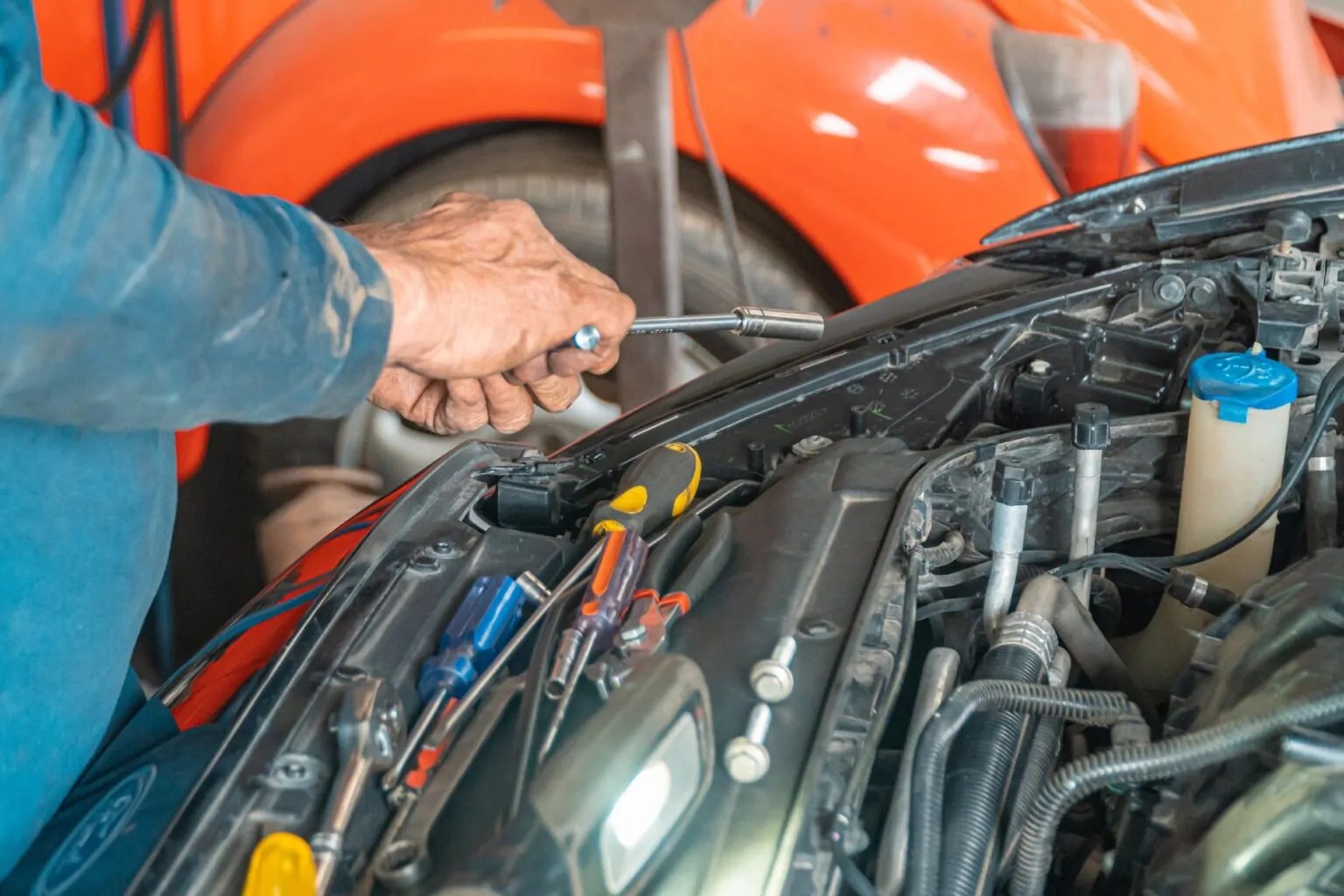
Inspecting Belts and Hoses: The Silent Killers
Many drivers overlook the rubber components under the hood until a belt snaps, causing an immediate, catastrophic engine failure.
- Visual Inspections: Every time you check your oil, take a moment to look at your serpentine belts and coolant hoses. Look for signs of cracking, fraying, or soft “spongy” spots.
- Replace on Schedule: If a belt shows even minor signs of wear, replace it immediately. These parts are relatively inexpensive compared to the cost of an engine rebuild caused by a snapped belt.
Driving Habits That Extend Vehicle Life
Your driving style is just as important as the mechanic’s work. To maximize your car’s life in 2026, consider these behavioral adjustments:
- Avoid “Jack-Rabbit” Starts: Aggressive acceleration puts unnecessary stress on your transmission and engine. Smooth, gradual acceleration is the key to longevity.
- Warm Up Properly: In colder climates, give your engine 30 to 60 seconds to circulate oil before driving away. This reduces cold-start wear significantly.
- Minimize Short Trips: Engines reach their most efficient operating temperature after several miles. Frequent short trips prevent the engine from burning off moisture, which can lead to sludge buildup.

Conclusion: Consistency is Key
Maintaining your car for long life and reliability in 2026 isn’t about expensive upgrades or complex modifications. It is about adhering to a consistent maintenance schedule and listening to what your car is telling you. By staying on top of your fluids, monitoring your electrical health, and replacing wear-and-tear items before they fail, you ensure that your vehicle remains a reliable partner for years to come.
Treat your car with care, and it will return the favor by saving you thousands in repair bills and replacement costs. Start your proactive maintenance log today—your future self will thank you.