
In 2026, the dream of the fully autonomous commute has become a reality for millions. However, as we rely more heavily on Level 4 and Level 5 autonomous vehicles (AVs), the technical challenges have shifted from basic obstacle avoidance to complex data persistence. One of the most frustrating and potentially dangerous issues facing modern drivers—or rather, “passengers”—is the dreaded “No Signal” error.
Whether you are operating a Tesla Model Next, a Waymo-integrated commuter, or a satellite-linked Rivian, maintaining a constant connection to the Global Navigation Satellite System (GNSS), often augmented by RTK (Real-Time Kinematic) and PPP (Precise Point Positioning) for centimeter-level accuracy, and Low Earth Orbit (LEO) satellite constellations is critical. In this comprehensive guide, we will explore why these signal drops occur in 2026 and provide a step-by-step roadmap to troubleshooting and fixing these errors to ensure your journey remains uninterrupted.
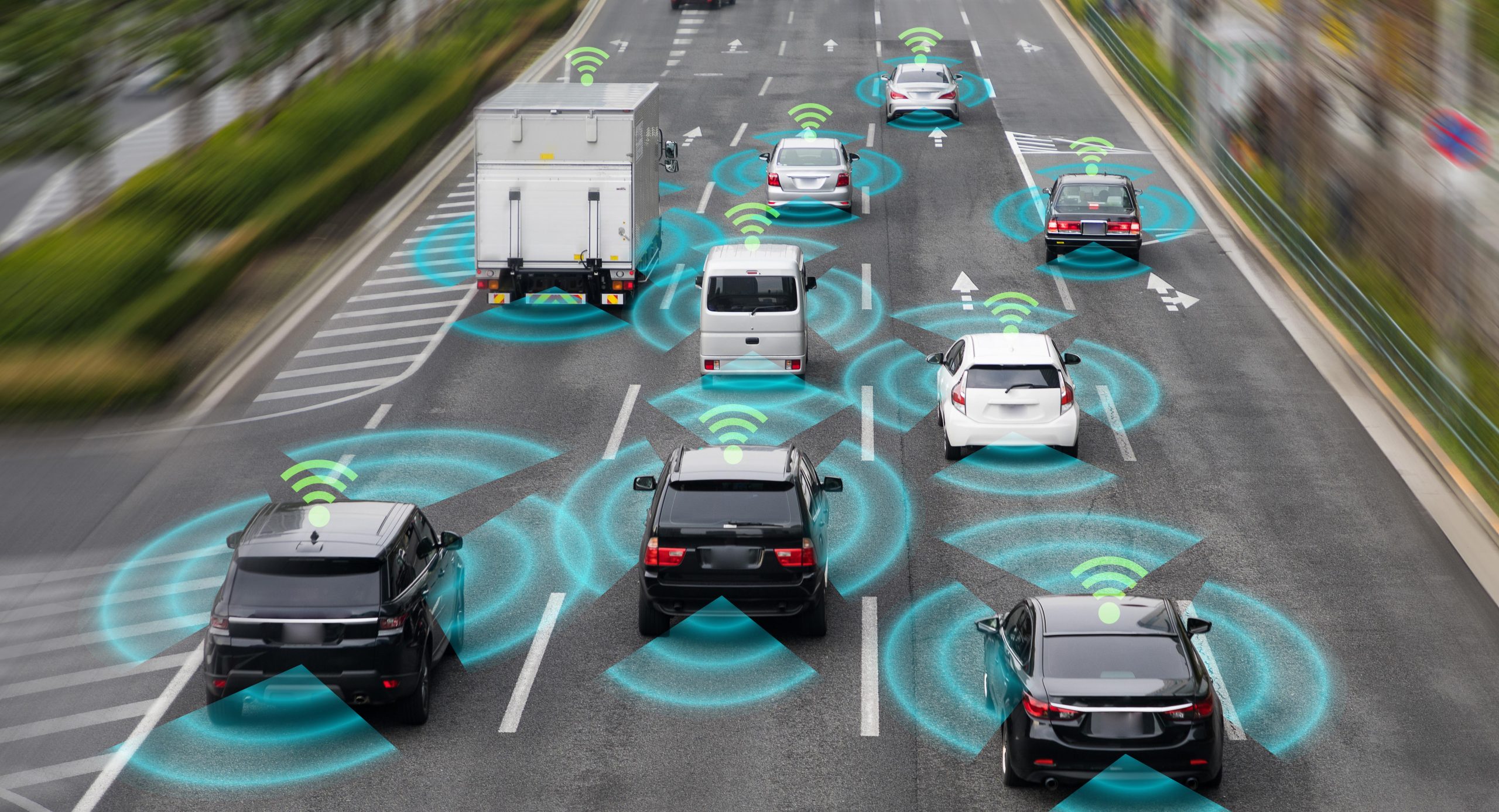
1. Understanding the 2026 Satellite Landscape for AVs
By 2026, the satellite infrastructure supporting autonomous cars has evolved far beyond simple GPS. Modern vehicles now utilize a multi-constellation approach, pulling data from GPS (USA), Galileo (EU), BeiDou (China), and Starlink’s dedicated automotive LEO tier.
Why “No Signal” Happens Today
A “No Signal” error in 2026 usually points to one of three failures: Physical Obstruction, Hardware Degradation, or Atmospheric/Electronic Interference, often referred to as environmental attenuation. Unlike the early 2020s, where 4G/5G was the primary backup, 2026 vehicles rely on high-bandwidth satellite handshakes to download real-time HD maps and coordinate with “Swarm Intelligence” systems. When this handshake fails, the vehicle’s “shared situational awareness” is compromised.
The Role of LEO Constellations
Unlike traditional geostationary satellites, LEO satellites (like Starlink or Amazon Kuiper) are much closer to Earth. This reduces latency to sub-20ms, making real-time autonomous adjustments possible. However, because these satellites move rapidly across the sky, your car must perform thousands of “handoffs” per hour. A breakdown in this handoff logic is a primary cause of 2026 signal errors.
2. Immediate Hardware Troubleshooting Steps
If your vehicle reports a loss of satellite connectivity, or if its predictive analytics for connectivity system alerts you to potential signal degradation, the first step is to rule out physical and hardware malfunctions. In 2026, most autonomous cars use phased-array antennas integrated directly into the roof or glass panels.
Step 1: Inspect the Smart-Glass and Roof Sensors
Modern AV antennas are often embedded within the electromagnetic-transparent roof panels. Check for:
Micro-cracks: Even a hairline fracture in the roof’s composite material can allow moisture to interfere with the phased-array elements.
Debris and Nanocoatings: High-performance satellite signals can be attenuated by thick layers of road salt, heavy ice, or aftermarket ceramic coatings that weren’t rated for RF transparency.
Static Buildup: In dry, high-speed environments, static electricity can build up on the sensor housing. Ensure your vehicle’s grounding straps (located near the wheel wells) are intact.
Step 2: Cable Integrity and the “Bus” Check
The data throughput required for 2026 autonomous driving is massive. Most vehicles use automotive Ethernet or high-speed fiber optics to connect the roof antenna to the central AI processing unit (often referred to as the “Brain” or Edge AI Processors responsible for onboard compute).
Check the diagnostic port for Error Code 404-SAT, which typically indicates a physical disconnection.
Ensure that no recent modifications (like roof racks or solar attachments) have pinched the internal wiring.
3. Navigating “Urban Canyons” and Environmental Interference
One of the most common causes of “No Signal” errors in 2026 remains the Urban Canyon effect. As cities grow taller, the narrow corridors between skyscrapers block the line-of-sight to satellites.
Multipath Interference in 2026
Multipath interference occurs when a satellite signal bounces off a glass building before hitting your car. This causes a timing delay, leading the car to believe it is several meters away from its actual location. Modern AVs employ robust GNSS integrity monitoring systems to detect such discrepancies. In response, the safety software may trigger a “No Signal” or “Inaccurate Positioning” lockout to prevent accidents.
How to Fix Environmental Signal Loss:
- Enable V2X (Vehicle-to-Everything): If satellite signals are blocked, ensure your car’s V2X system is active. This allows the car to “borrow” positioning data from smart traffic lights and nearby vehicles.
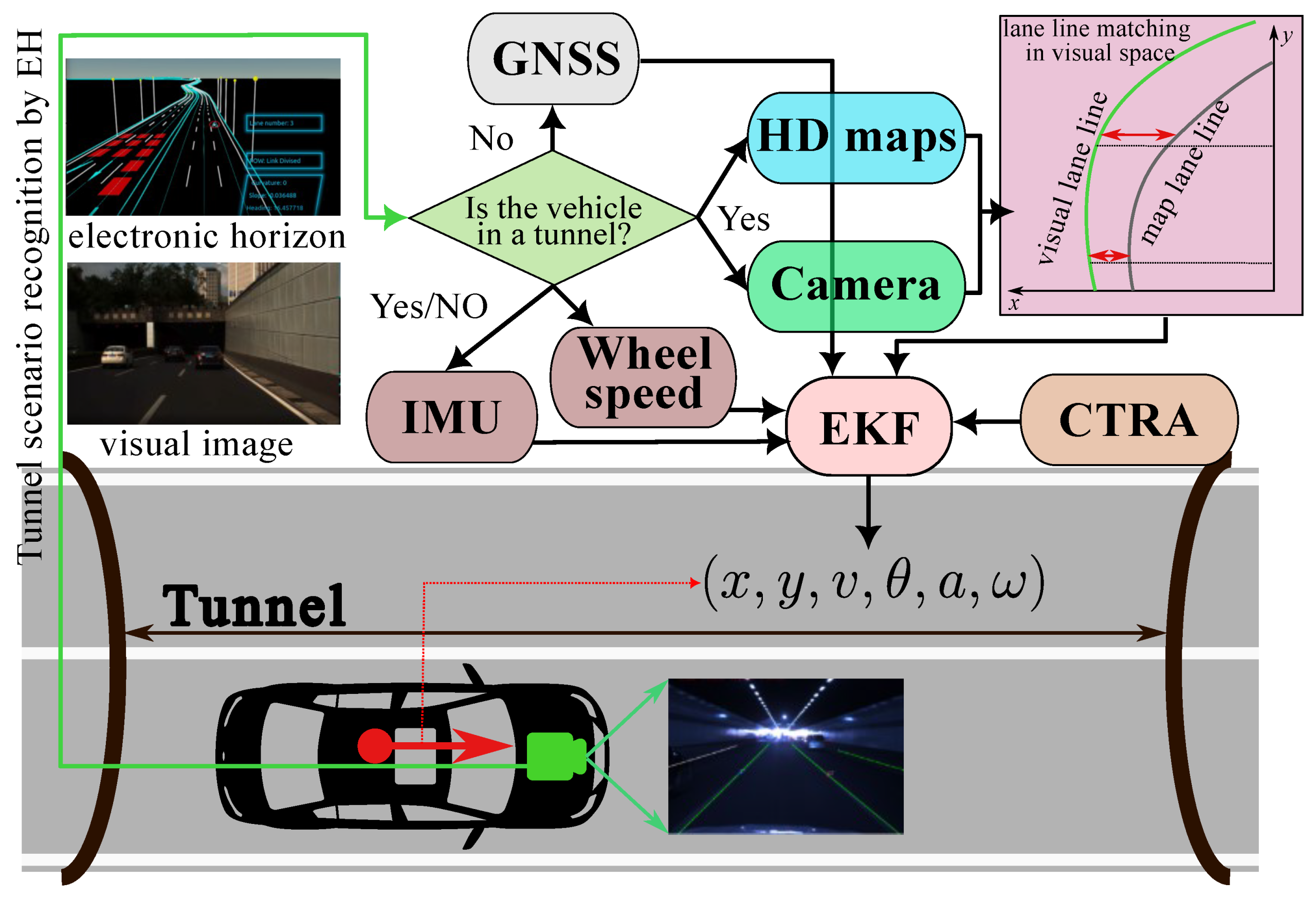
- Calibrate the IMU (Inertial Measurement Unit): When the satellite signal drops, the vehicle relies on its Inertial Measurement Unit (accelerometers and gyroscopes). If your IMU is out of calibration, the car cannot perform “dead reckoning” accurately. Use your vehicle’s settings menu to run a Dynamic IMU Recalibration while driving in a straight line on a flat road.
- Check for Solar Flare Alerts: 2026 falls near a period of increased solar activity. Geomagnetic storms can ionize the atmosphere, causing temporary satellite blackouts. Most modern AVs have a “Space Weather” notification—if this is active, the only fix is to wait for the storm to pass or switch to manual/local sensor-based driving.
4. Software Solutions and Sensor Fusion
In many cases, the “No Signal” error isn’t a lack of signal, but a software handshake failure. The vehicle’s AI must fuse data from cameras, LiDAR, and satellites using sophisticated sensor fusion algorithms. If the satellite data contradicts the LiDAR data by even a few centimeters, the system may “reject” the satellite signal for safety.
The Power of SLAM (Simultaneous Localization and Mapping)
If your satellite link is down, your car’s entire localization stack must seamlessly transition to alternative methods, ideally to Visual SLAM. This technology uses the car’s high-resolution cameras to recognize landmarks (signs, buildings, lamp posts) and compare them to an offline HD Map stored in the vehicle’s local SSD.
To fix software-related signal errors:
Force an HD Map Update: If your local maps are outdated, the car may lose confidence in its position when satellite data is missing. Connect to a high-speed Wi-Fi 7 or 6G node to download the latest regional map tiles.
Clear the Cache: Sometimes, the “Signal Buffer” in the vehicle’s communication module becomes fragmented. A simple System Deep Reboot (usually holding two buttons on the steering wheel for 10 seconds) can clear the cache and re-initiate the satellite handshake.
Firmware Over-the-Air (FOTA): Check if your manufacturer has released a patch for the GNSS receiver firmware. In 2026, manufacturers frequently update the algorithms that filter out signal “noise.”
5. Dealing with Signal Jamming and Spoofing
As autonomous cars become the standard, signal jamming and spoofing have unfortunately become a significant cyber-physical security concern in 2026. Malicious actors or faulty industrial equipment can emit “noise” that drowns out the weak signals coming from space.
Identifying a Spoofing Attack
If your car suddenly shows a “No Signal” error while in an open field, or if the map shows you are in the middle of the ocean, you may be experiencing GNSS Spoofing.
The Fix: Modern 2026 AVs are equipped with Anti-Spoofing Phased Arrays. Ensure your “Secure Navigation” setting is set to “High.” This forces the car to cross-reference satellite timestamps with encrypted LEO signals, which are much harder to fake than traditional GPS.
Report the Zone: Most 2026 vehicles have a “Report Signal Interference” button. This uploads the coordinate and frequency of the interference to a global database, helping authorities locate the source and alerting other AVs to avoid the area.
6. Maintaining the “Trinity of Navigation”
To prevent future “No Signal” errors, every AV owner in 2026 should understand the Trinity of Navigation: Satellite, Vision, and Inertial. This multi-layered approach is fundamental to fail-operational design principles, ensuring that when one system fails, the other two must be perfect to maintain safe operation.
Tips for Long-Term Reliability:
Sensor Cleaning: It sounds basic, but a smudge on a side-facing camera can prevent the car from using Visual Odometry when the satellite signal drops in a tunnel. Use manufacturer-approved hydrophobic cleaners.
Subscription Check: In 2026, many LEO satellite services are subscription-based. Ensure your Data Plan hasn’t expired or hit a “throttling” cap, which can lead to low-priority signal handling.
- Battery Health: The satellite receiver and the AI processing unit are power-hungry. If your vehicle’s 12V/48V auxiliary battery (not the main traction battery) is degrading, it may cause the communication module to brown out or operate in a low-power mode with reduced sensitivity. Many advanced AVs also leverage digital twin technology to constantly monitor the health and performance of all navigation components, predicting potential failures before they impact connectivity.
7. When to Visit a Certified Tech Center
While most 2026 signal issues can be fixed via software or simple cleaning, some require professional intervention. You should seek help if:
- The “No Signal” error persists in clear, open environments.
- The vehicle fails its Self-Diagnostic Boot Sequence (Error Code: COMM-FAIL).
- There is visible condensation inside the roof-mounted sensor suite.
- The car’s V2X module is unable to “see” other vehicles, suggesting a broader failure of the wireless communication stack.
Conclusion: The Resilient Future of Autonomous Travel
In 2026, a “No Signal” error is no longer a reason to pull over to the side of the road, but it is a signal that your vehicle’s redundancy systems are being put to the test. By understanding the interplay between LEO satellite constellations, IMU dead reckoning, and Visual SLAM, you can effectively troubleshoot and resolve most connectivity issues.
As we move toward 2027 and beyond, the integration of 6G terrestrial networks and even denser satellite swarms will make “No Signal” errors a relic of the past. Until then, keeping your hardware clean, your maps updated, and your firmware current is the best way to ensure your autonomous journey remains smooth, safe, and connected.