
Imagine you are running late for a meeting in your high-tech 2026 model vehicle, only to find the door won’t budge. Whether you are dealing with a jammed manual latch or a glitchy electronic actuator, car door lock issues are frustrating and compromise your vehicle’s security.
Fortunately, you don’t always need to call an expensive locksmith or visit a dealership. With the right tools and a bit of patience, you can master how to fix car door lock problems at home. This guide provides a comprehensive, step-by-step approach to troubleshooting and repairing modern and classic locking systems.
Common Signs Your Car Door Lock Needs Repair
Before diving into the “how-to,” it is essential to identify the symptoms. In 2026, most vehicles use a combination of biometric sensors, keyless entry, and traditional mechanical overrides.
- Intermittent Operation: The door locks or unlocks only some of the time.
- Strange Noises: You hear a grinding or clicking sound when pressing the lock button.
- Physical Resistance: The key is difficult to turn, or the interior handle feels “mushy.”
- Frozen Mechanisms: Extreme weather can cause the internal pins to seize.

Essential Tools for DIY Car Lock Repair
To fix a car door lock at home, you’ll need a basic DIY kit. Most of these items are likely already in your garage.
- Dry Graphite Lubricant: Never use WD-40 for long-term lock health; it attracts gunk.
- Screwdriver Set: Both Flathead and Phillips head.
- Trim Removal Tool: To safely pop off interior door panels without scratching the plastic.
- Multimeter: Essential for testing power door lock actuators and electrical continuity.
- Microfiber Cloth and Rubbing Alcohol: For cleaning sensors and external keyholes.
How to Fix a Jammed or Sticky Car Door Lock
A “sticky” lock is usually the result of accumulated dirt or old, dried-up grease. This is the most common issue for vehicles that still utilize a physical keyway.
Step 1: Clean the Keyway
Start by blowing compressed air into the lock cylinder to remove loose debris. If the lock is visibly dirty, use a small amount of rubbing alcohol on your key and insert it several times to break down grime.
Step 2: Apply the Right Lubricant
Spray a small amount of dry graphite lubricant into the keyhole. Unlike oil-based products, graphite stays dry and prevents dust from sticking to the internal tumblers. Turn the key back and forth several times to distribute the powder.
Step 3: Check the Door Latch
Sometimes the problem isn’t the lock cylinder but the door latch mechanism on the side of the door. Clean the latch with a rag and apply a lithium-based grease to ensure it moves freely when it hits the striker plate.
Troubleshooting Power Door Lock Actuator Issues
In 2026, most cars rely on a central locking system powered by actuators. If one door fails while the others work, the actuator is likely the culprit.
Testing the Actuator
Listen closely to the door while pressing the “unlock” button. If you hear a faint motor sound but nothing happens, the gears inside the actuator may be stripped. If you hear nothing at all, it could be a blown fuse or a wiring issue.
Pro Tip: Check your vehicle’s fuse box first. A single blown fuse can disable the entire power locking system, saving you hours of unnecessary mechanical work.
Replacing the Actuator at Home
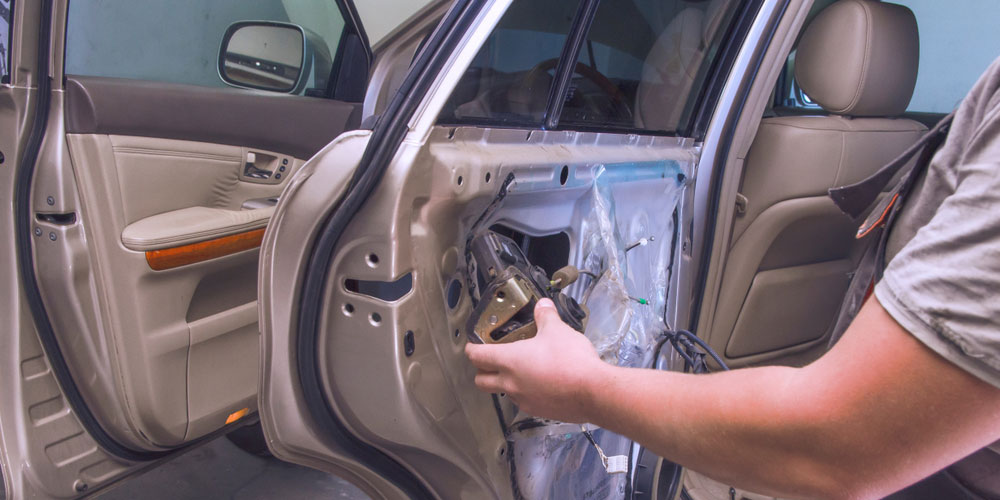
If the actuator is dead, you will need to remove the interior door panel. Use your trim tool to pop the clips, disconnect the window switches, and peel back the moisture barrier. Once inside, you can unscrew the old actuator and plug in a new one. This DIY car repair can save you upwards of $300 in labor costs.
Dealing with Keyless Entry and Smart Lock Glitches
As we move through 2026, biometric and RFID-based entry have become standard. If your car isn’t recognizing your digital key or fingerprint, the fix might be digital rather than mechanical.
- Replace the Key Fob Battery: 90% of “broken” locks are actually just dead CR2032 batteries.
- Signal Interference: Ensure your smartphone or other electronic devices aren’t blocking the signal between your fob and the car.
- System Reset: Some modern vehicles allow you to “reboot” the infotainment system, which often controls the door lock settings.
When to Remove the Interior Door Panel
If the lock is stuck in the “locked” position and won’t budge manually, you likely have a broken linkage rod. These metal rods connect the handle to the latch.
- Remove the Door Panel: Carefully unscrew the armrest and handle covers.
- Inspect the Rods: Look for any rods that have popped out of their plastic retaining clips.
- Reattach and Secure: Snap the rods back into place. If the plastic clip is broken, you can find replacements at any auto parts store for a few dollars.
Preventative Maintenance for Longevity
To avoid future car door lock problems, follow these simple maintenance tips annually:
- Lubricate seasonally: Apply graphite to locks before the winter sets in to prevent freezing.
- Clean your sensors: If your car has touch-capacitive handles, keep them free of wax and road salt.
- Check the door alignment: If a door is sagging, it puts pressure on the lock, causing it to fail prematurely. Tighten the hinge bolts if you notice any drooping.
Conclusion
Learning how to fix car door lock problems at home is an empowering skill that saves time, money, and stress. From simple lubrication of a sticky cylinder to replacing a complex power lock actuator, most repairs are well within the reach of a determined DIYer.
By staying proactive with maintenance and understanding the nuances of 2026 vehicle technology, you can ensure your car remains secure and accessible. Remember, if a repair feels too complex or involves high-voltage electrical systems, never hesitate to consult a professional.