
Imagine you are navigating the busy city streets in your 2026 Honda Jazz. The sun is blazing, and you reach for the climate control. The moment you hit the AC button, instead of a cool breeze, your engine shutters and dies. This frustrating scenario is more common than you might think.
When your Honda Jazz engine stalls when the AC is turned on, it indicates that the engine cannot handle the additional mechanical and electrical load. In this comprehensive 2026 guide, we will explore the root causes, diagnostic steps, and the most effective fixes to get your Jazz back to its smooth-idling self.
Understanding the Load: Why the AC Affects Your Engine
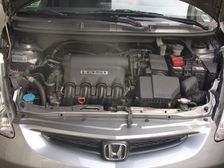
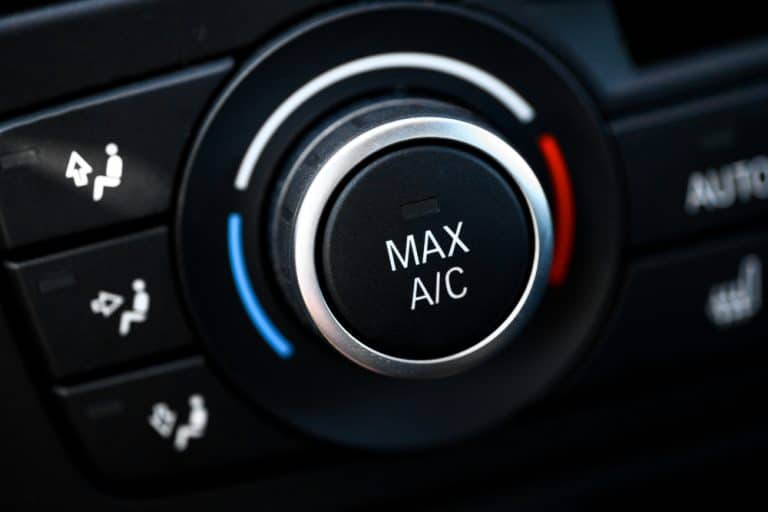
The air conditioning system in your Honda Jazz isn’t just a “fan.” It relies on a heavy-duty compressor driven by the engine’s serpentine belt. When you engage the AC, the compressor clutch snaps into place, placing a significant physical drag on the engine.
Normally, the Engine Control Unit (ECU) recognizes this load and automatically increases the idle speed to compensate. If there is a breakdown in this communication or a mechanical failure, the engine’s RPMs will drop too low, leading to a stall.
Top 7 Reasons Your Honda Jazz Stalls When the AC Is On
1. Faulty Idle Air Control (IAC) Valve
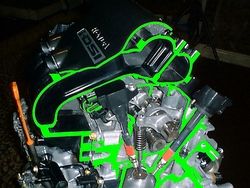
The Idle Air Control (IAC) valve is the most frequent culprit in older Honda models and remains a critical component in 2026 maintenance. Its job is to manage the engine’s idle speed by bypassing the throttle plate. If the IAC valve is clogged with carbon or has failed electrically, it won’t open far enough to compensate for the AC load, causing the engine to suffocate and stall.
2. Seizing AC Compressor
If the AC compressor internal bearings are failing, the unit becomes incredibly difficult for the engine to turn. In some cases, the compressor may be on the verge of “locking up.” This creates a massive amount of resistance that can overcome the engine’s torque at idle, resulting in an immediate shutoff.
3. Dirty Throttle Body
Over time, oil vapors and dirt create a “gunk” buildup around the throttle butterfly valve. This restricts the precise amount of air required for a steady idle. While the car might run fine at high speeds, the restricted airflow at idle—combined with the AC load—is often enough to trigger a stall.
4. Weak Battery or Failing Alternator
Modern Honda Jazz models are packed with electronics. When the AC kicks in, the cooling fans also activate, drawing significant current. If your battery is weak or the alternator is struggling to provide sufficient voltage, the ignition system may not receive enough power to keep the engine firing under the added strain.
5. Vacuum Leaks
The engine relies on a specific vacuum pressure to operate efficiently. A cracked hose or a leaking gasket introduces “unmetered air” into the system. This leans out the fuel mixture. When the AC adds load to a lean-running engine, the combustion process fails, and the car stalls.
6. Faulty MAP or MAF Sensors
The Manifold Absolute Pressure (MAP) sensor tells the ECU how much load the engine is under. If this sensor provides inaccurate data, the ECU won’t know to add more fuel when the AC compressor engages. This lack of fuel leads to an RPM stumble and eventual stall.
7. Clogged Air Filter or Low Refrigerant
While it seems simple, a clogged air filter can starve the engine of oxygen. Additionally, if the AC system has incorrect refrigerant levels, the compressor may cycle rapidly or operate at extreme pressures, putting an irregular and heavy load on the engine that the ECU cannot anticipate.
How to Diagnose the Issue in 2026
Before heading to a mechanic, you can perform a few simple checks to narrow down the problem:
- Check for Warning Lights: Use an OBD-II scanner to check for stored codes like P0505 (Idle Control System Malfunction).
- Listen for Noises: Turn on the AC and listen. A loud screeching or grinding noise points directly to a failing AC compressor clutch or belt.
- Visual Inspection: Look at the throttle body. If you see black carbon deposits around the edges of the butterfly valve, a simple cleaning might solve your problem.
- Watch the Tachometer: If the RPMs drop below 600 before the stall, the issue is likely related to the idle compensation system.
Recommended Fixes and Maintenance
Cleaning the Throttle Body and IACV
For many Honda Jazz owners, the fix is as simple as a $10 can of specialized throttle body cleaner. Removing the air intake hose and cleaning the carbon deposits can restore the airflow needed to support the AC load.
Replacing the AC Compressor
If the compressor is seizing, it must be replaced. In 2026, it is highly recommended to replace the receiver drier and expansion valve at the same time to ensure no debris from the old compressor ruins the new one.
Updating the ECU Software
In newer Honda Jazz iterations, stalling can sometimes be a software glitch. Dealers can often perform a PCM (Power Control Module) idle relearn procedure or a software update that adjusts how the engine reacts to the AC clutch engagement.
Preventing Future Stalls
To keep your Honda Jazz running perfectly throughout 2026 and beyond, follow these maintenance tips:
- Replace air filters every 12,000 miles.
- Service the AC system every two years to ensure correct refrigerant levels and lubrication.
- Clean the fuel system with high-quality additives to prevent carbon buildup on sensors.
- Check battery health annually, especially before the summer months when AC usage is highest.
Conclusion
A Honda Jazz engine that stalls when the AC is turned on is more than just an inconvenience; it can be a safety hazard in heavy traffic. Whether the issue is a simple dirty throttle body or a more complex AC compressor failure, early diagnosis is key. By understanding the relationship between your engine and the cooling system, you can ensure your 2026 driving experience remains cool, calm, and connected.
If cleaning the intake components doesn’t resolve the issue, consult a certified technician to check the electrical load and compressor health. Restoring your Jazz’s idle stability will not only stop the stalling but also improve your overall fuel efficiency and engine longevity.