
If you drive a Honda HR-V and have recently noticed a high-pitched metallic chirp or squeal when coming to a gentle stop, you aren’t alone. As we move through 2026, many owners of the latest HR-V models are reporting this specific annoyance—a Honda HR-V brake squeal at low speed. While it can be alarming, understanding why it happens is the first step toward fixing it.
In this guide, we will break down why your brakes might be noisy, whether it’s a safety concern, and how you can restore that silent, smooth braking performance you expect from your Honda.
Is Your Honda HR-V Brake Squeal a Safety Risk?
Most drivers assume that any noise from the braking system signals immediate mechanical failure. However, in many cases, a squeal at low speed is actually a characteristic of modern braking materials rather than a sign of a broken component.
<img alt="Low Speed Brake Function|Honda Technology|Honda Global" src="https://global.honda/en/tech/LowSpeedBrakeFunctionLSBF/images/main.jpg” style=”max-width:100%; height:auto; border-radius:8px; margin: 1rem 0;” />
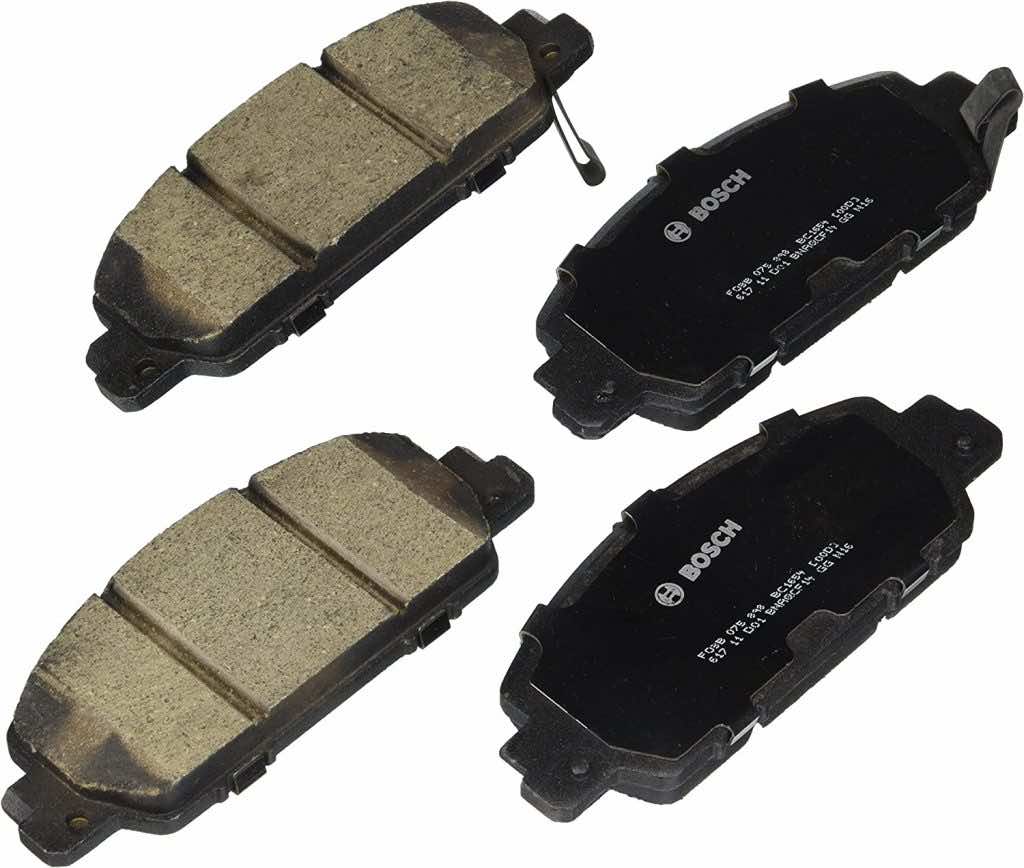
Newer HR-Vs use high-performance, eco-friendly brake pad compounds. These materials are designed to be durable and heat-resistant, but they often have a harder composition that can cause surface vibration against the rotor. This vibration manifests as a low-speed squeal, especially during the first few drives of the day.
Common Culprits Behind the Noise
If your HR-V is relatively new—for instance, a 2024 or 2025 model with under 5,000 miles—the noise is often related to environmental factors rather than wear and tear.
1. Morning Moisture and Surface Rust
If your HR-V sits outside overnight, a thin layer of oxidation (surface rust) forms on the brake rotors due to humidity. When you pull out of your driveway and apply the brakes, the pads scrape this microscopic layer of rust off the rotor. This process often creates a light squealing sound until the rotors are “cleaned” by the pads.
2. Brake Dust Accumulation
Brake dust is a byproduct of normal operation. If this dust gets trapped between the pad and the rotor, it can cause a temporary, high-pitched squeal. This is particularly common in stop-and-go city traffic where the brakes are used frequently but not with enough force to clear the dust away.

3. Glazed Brake Pads
If you frequently ride your brakes or drive in heavy traffic, the brake pads can become “glazed.” This occurs when the pad surface becomes overly smooth and hard due to excessive heat. A glazed pad loses its initial “bite,” leading to vibration and noise at low speeds.
How to Diagnose and Fix Squeaky Brakes
Before heading to the dealership, you can perform a few simple diagnostic steps to see if the issue is minor or requires professional intervention.
- Check for Wear Indicators: Even on newer HR-Vs, check your brake pads for the built-in wear sensor. This is a small metal tab that touches the rotor when the pad is low, creating a constant, loud screeching sound. If you hear this even at high speeds, it is time for a replacement.
- The “Bedding-In” Procedure: Sometimes, a quick fix involves re-seating the pads. Find a safe, empty road and perform a few controlled stops from 30 mph to 5 mph. This can help clear debris and redistribute pad material on the rotor.
- Clean Your Calipers: If you are comfortable with DIY maintenance, removing the wheels and using a dedicated brake cleaner can remove accumulated dust and grime that might be causing the squeal.
When to See a Professional
While minor squealing is often normal, there are specific “red flags” that indicate you need to visit a service center:
- Grinding Metal-on-Metal Sound: This indicates your pads are completely gone and you are damaging your rotors.
- Vibration in the Steering Wheel: If the brake pedal pulses or the steering wheel shakes when you brake, you may have warped rotors.
- Soft or Spongy Pedal: This suggests air in the brake lines or a leak, which is a critical safety issue that needs immediate attention.
Maintaining Your HR-V Brake System
To keep your Honda HR-V running quietly through 2026 and beyond, consistency is key. Regular brake inspections should be part of your routine oil change service. If you live in an area with high humidity or road salt, ask your technician to lubricate the brake pad shims and contact points to prevent future squeals.
Remember, the HR-V is a reliable vehicle, and most brake noises are simply a byproduct of its high-tech, efficient braking system. By keeping your rotors clean and being mindful of your driving habits, you can enjoy a quiet, safe ride every time you get behind the wheel.