
Is your Honda Civic feeling sluggish, unresponsive, or simply lacking that signature turbocharged kick? If you are staring at your dashboard wondering why your turbo boost is not working, you aren’t alone. As we move through 2026, the 1.5L and 2.0L turbocharged engines powering the modern Civic lineup remain engineering marvels, but even the most reliable platforms can experience a loss of boost pressure.
Whether you are driving a 10th-generation Civic or the latest model, a lack of boost can turn a spirited daily driver into a chore. In this guide, we will break down the most common culprits behind boost pressure issues, helping you diagnose the problem before you head to the mechanic.
Understanding the Symptoms: Why Is My Boost Missing?
When your Honda Civic turbo boost is not working, the symptoms often extend beyond just a loss of power. You might notice a Check Engine Light (CEL), strange whistling noises under heavy acceleration, or even “limp mode,” where the car restricts performance to prevent engine damage.
Boost issues generally fall into two categories: mechanical failures or electronic control malfunctions. While it is tempting to assume the turbocharger itself has failed, the actual cause is frequently a small, inexpensive component in the forced induction system.
Common Culprits: Why Your Civic Isn’t Building Boost
Before you start pricing out a brand-new turbocharger, check these common failure points that often mimic a blown turbo.
1. Boost Leaks in the Charge Pipes
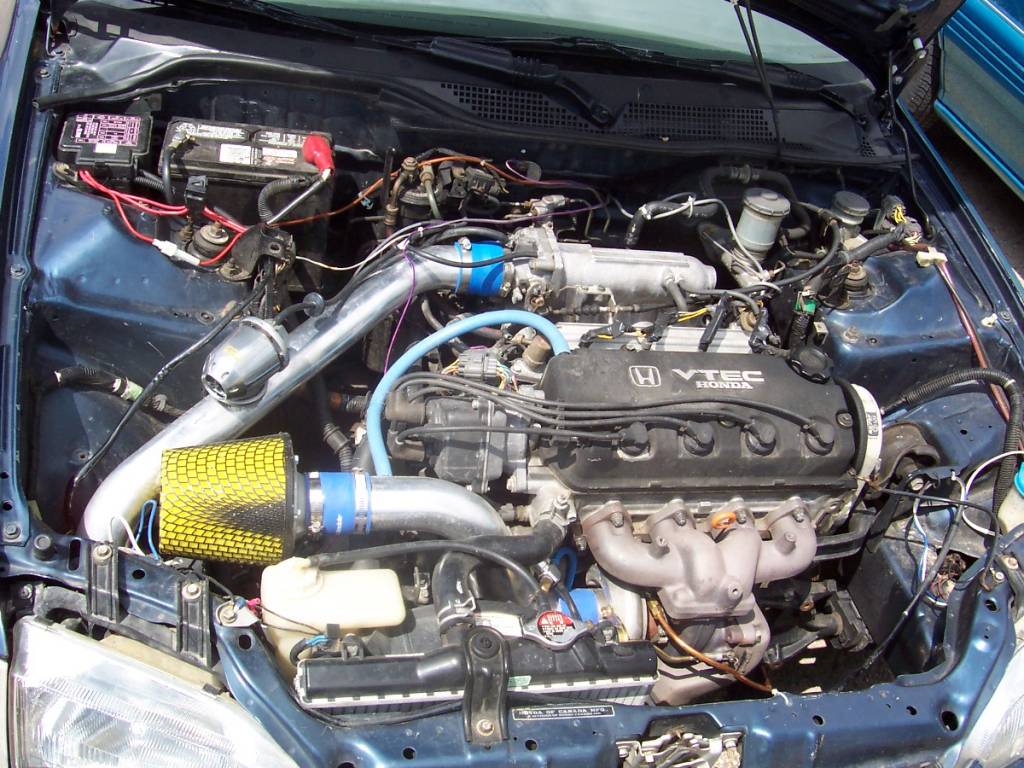
The most frequent cause of low boost pressure is a boost leak. Your Civic relies on pressurized air flowing from the turbo, through the intercooler, and into the intake manifold. If a rubber coupling is loose, a clamp has rusted through, or a plastic pipe has developed a hairline crack, the pressurized air will escape before it ever reaches the engine.
- The Fix: Perform a visual inspection of all rubber hoses and plastic charge pipes. Listen for a “hissing” sound during acceleration, which is a tell-tale sign of a leak.
2. Wastegate Actuator and EWG Issues
On many modern Hondas, the Electronic Wastegate (EWG) controls how much exhaust gas hits the turbine wheel. If the EWG fails or the mechanical linkage binds, the wastegate may stay stuck in the open position. This causes all exhaust pressure to bypass the turbo, effectively leaving you with a naturally aspirated engine.
- The Fix: Inspect the wastegate linkage for debris or corrosion. In some cases, the actuator motor itself may require calibration or replacement.
<img alt="Honda Civic Turbo Bild – 44,55 KB – Honda Forum & Tuning" src="https://www.maxrev.de/files/2009/03/hondacivicturbo.jpg” style=”max-width:100%; height:auto; border-radius:8px; margin: 1rem 0;” />
3. Faulty MAP and Boost Pressure Sensors
Your engine’s ECU relies on the Manifold Absolute Pressure (MAP) sensor to calculate how much boost to request. If this sensor is dirty or failing, the ECU may “panic” and pull boost pressure as a safety precaution.
- The Fix: A scan tool can monitor live data. If your MAP sensor readings remain static while you are accelerating, it is likely time for a cleaning or a sensor swap.
Diagnosing Older Civic Models (2.2 i-CTDi)
If you are driving an older Civic, such as the 2.2 i-CTDi diesel, you might experience different symptoms, such as boost spikes rather than a total loss of power. This is often linked to the Diesel Particulate Filter (DPF). If the DPF is clogged, it creates excessive backpressure, confusing the variable geometry turbocharger and leading to erratic boost behavior.
When Is It Actually the Turbo?
While rare compared to leaks and sensor failures, turbocharger failure does happen. Signs of a physically damaged turbo include:
- Blue smoke from the exhaust (indicating oil seal failure).
- Excessive shaft play in the turbine wheel.
- Metallic grinding noises originating from the turbo housing.
If you have verified that there are no leaks and your sensors are functional, you may need to have a professional technician inspect the internal bearings of the turbocharger.
Steps to Take Before Visiting the Shop
If your Honda Civic turbo boost is not working, follow this systematic approach to save money on diagnostic fees:
- Scan for Codes: Use an OBD-II scanner to pull pending or permanent trouble codes. Codes like P0299 (Turbocharger Underboost) are direct indicators of a pressure drop.
- Check Your Air Intake: Ensure your air filter isn’t severely clogged, as a lack of airflow can prevent the turbo from spooling properly.
- Inspect Vacuum Lines: On older models, check that all small vacuum lines are intact and not brittle.
- Listen for Leaks: With the car in “Park,” have a helper rev the engine slightly while you listen near the piping for rushing air sounds.
Conclusion
A loss of boost pressure in your Honda Civic is rarely a “death sentence” for your engine. In 2026, with the wealth of knowledge available through community forums and advanced diagnostic tools, most boost issues can be traced back to simple vacuum leaks, sensor failures, or wastegate malfunctions. By methodically checking your charge pipes and monitoring your sensor data, you can often get your Civic back to its high-performance self without the need for a major, costly repair.