
There is nothing quite as frustrating as pulling up to a drive-thru or a parking garage gate only to find your car window won’t budge. In 2026, vehicle technology has advanced, but the fundamental mechanics of power windows remain a common point of failure for many drivers. Whether your window is stuck halfway or refuses to move entirely, you don’t always need a professional mechanic to get back on track.
This DIY guide to fix car power window issues will walk you through the diagnostic process, helping you save hundreds of dollars in repair shop fees. By understanding the common culprits, you can perform quick, effective repairs right in your driveway.
Common Causes of Power Window Failure
Before you start taking your door panel apart, it is important to understand what might be wrong. Most power window failures in 2026 vehicles stem from one of eight primary issues:
- Blown Fuses: The most frequent and easiest fix.
- Faulty Window Switch: Constant use leads to internal corrosion or wear.
- Bad Window Motor: The heart of the system, which can burn out over time.
- Damaged Window Regulator: The mechanical arms that lift the glass can bend or snap.
- Wiring Issues: Broken or frayed wires within the door hinge.
- Misaligned Glass: The window may have slipped out of its track.
- Dirty Window Tracks: Debris can create enough friction to trigger the safety “auto-stop” feature.
- Relay Failure: A bad power relay can cut electricity to the entire window circuit.
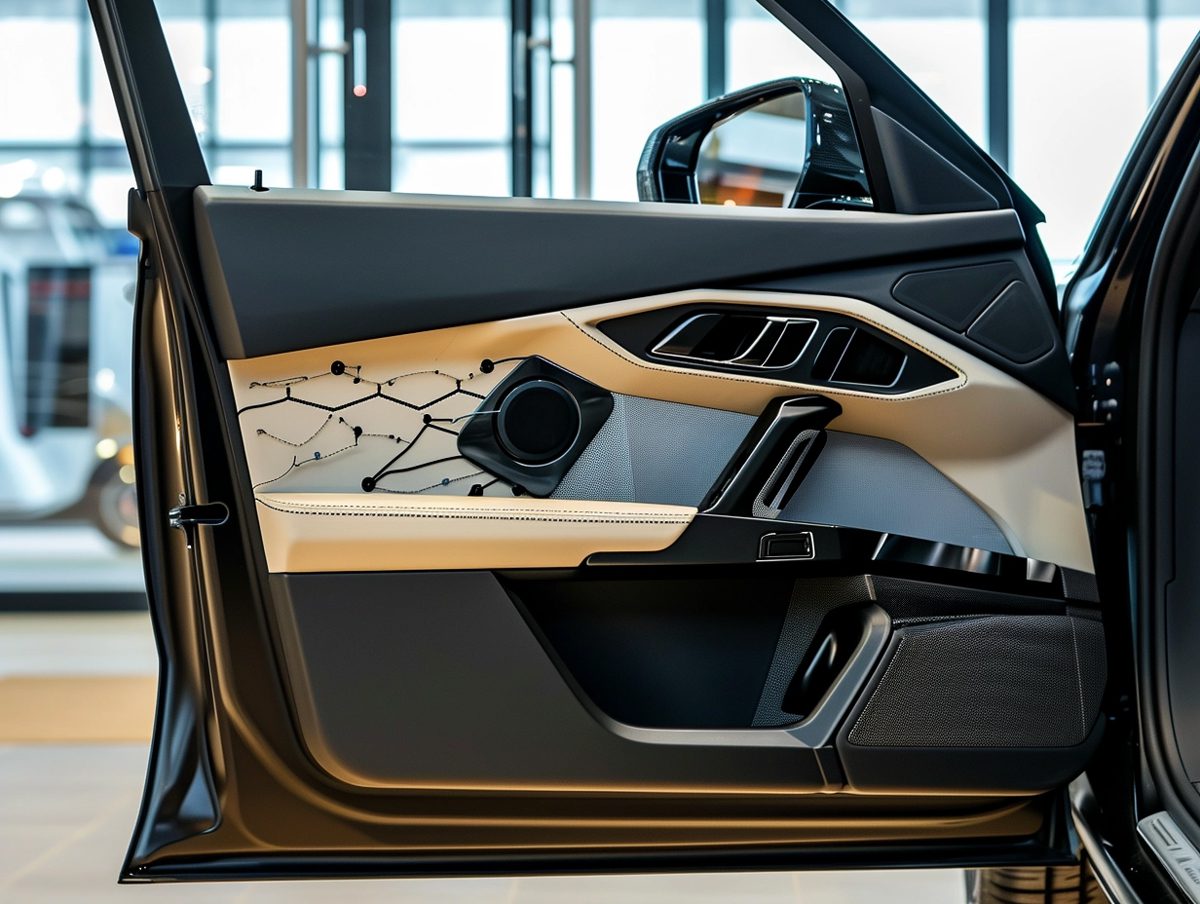
Step 1: Check the Basics (Fuse and Relay)
Always start with the simplest solution. If none of your windows are working, the problem is likely a blown fuse or a bad relay. Consult your owner’s manual or the fuse box diagram located under the dashboard or in the engine bay.
If the fuse is intact, check the power window relay. A relay is a small electrical switch that allows a low-current circuit to control a high-current circuit. If you don’t hear a “click” when you press the window button, the relay might be the culprit. These are inexpensive parts that can be swapped in seconds.
Step 2: Diagnosing the Window Switch
If only one window is failing, the window switch is often the primary suspect. Over time, moisture and dust can corrode the electrical contacts inside the switch housing.
To diagnose this, try operating the window from the master control panel (usually on the driver’s side) versus the individual door switch. If the window works from one but not the other, the individual switch is likely the problem. You can usually pry the switch assembly out with a plastic trim tool and clean the contacts with electronic cleaner spray or replace the unit entirely.

Step 3: Inspecting the Motor and Regulator
If you hear a grinding noise when you press the button, the window motor or the regulator is likely failing. The regulator is the mechanical assembly that moves the glass up and down.
- Remove the Door Panel: Use a screwdriver or trim removal tool to gently pop the clips holding the door panel in place.
- Examine the Regulator: Check for bent tracks or cables that have come off their pulleys.
- Test the Motor: Use a multimeter to check if the motor is receiving power when the switch is pressed. If the motor gets power but doesn’t move, it is time for a replacement.
Pro-tip: If the window is stuck, you can sometimes “jump-start” it by tapping the door panel near the motor while pressing the switch. This can dislodge a stuck motor brush, though it is only a temporary fix.

Step 4: Maintenance Tips to Prevent Future Issues
Prevention is better than a repair. In 2026, many modern cars feature advanced “anti-pinch” sensors that stop the window if they detect resistance. If your window tracks are clogged with dirt or dry rubber, the system may trigger this safety feature incorrectly.
- Clean the Tracks: Use a silicone-based lubricant to clean and lubricate the window channels.
- Avoid Slamming: Hard door closures can jar the regulator cables out of alignment.
- Keep it Dry: If you notice water leaking into your door, fix the weather stripping immediately to prevent short-circuiting the electronics.
Conclusion
Fixing a car power window may seem daunting, but it is a manageable task for any DIY enthusiast. By systematically checking your fuses, switches, and mechanical components, you can identify the source of the problem quickly. Remember, if you are uncomfortable working with electrical components, don’t hesitate to consult a professional. However, for most common issues, this DIY guide to fix car power window issues will provide the knowledge you need to keep your windows rolling smoothly all year long.