
The Daihatsu Xenia has long been hailed as the “king of the road” for Indonesian families. Renowned for its durability and spacious interior, it remains a top choice in 2026. However, a common grievance among urban commuters is the Daihatsu Xenia poor fuel economy in city driving. While the vehicle is marketed as an efficient MPV, real-world conditions often tell a different story.
If you are finding that your fuel gauge drops faster than expected during your daily commute, you are not alone. Understanding the nuances of your engine’s performance and adjusting your driving habits can significantly transform your fuel efficiency.

Why Does Your Xenia Consume More Fuel in the City?
Many owners report that their fuel consumption figures don’t match the manufacturer’s claims. In city traffic, where stop-and-go driving is the norm, the engine works harder than it does on a steady highway cruise.
The Impact of Stop-and-Go Traffic
City driving involves constant acceleration from a standstill. This process requires the engine to overcome the car’s inertia, which is the most fuel-intensive phase of driving. If you are frequently stuck in gridlock, your engine is idling for extended periods, burning fuel without covering any distance.
Engine Load and Maintenance
A neglected vehicle is a thirsty one. In 2026, even with the latest Xenia models, poor engine maintenance remains the number one culprit for decreased fuel efficiency. Clogged air filters, dirty fuel injectors, or old spark plugs force the engine to work harder to achieve the same power output, leading to higher fuel consumption.
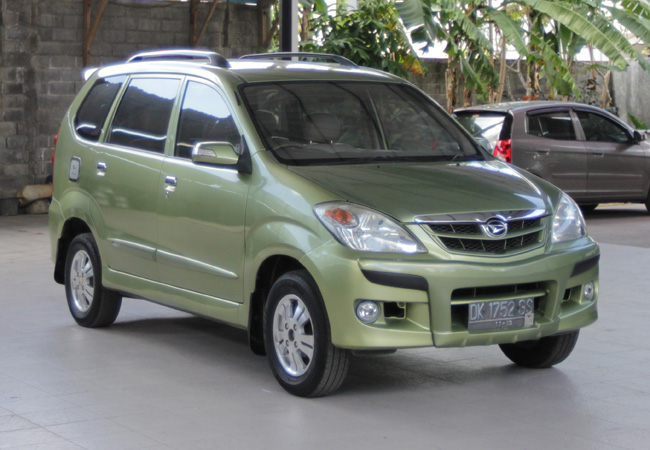
Optimizing Your Xenia for Urban Efficiency
While you cannot control the traffic, you can control how your car responds to it. By implementing these practical tips, you can combat the issue of Daihatsu Xenia poor fuel economy in city driving.
- Maintain Proper Tire Pressure: Under-inflated tires increase rolling resistance, forcing your engine to burn more fuel. Check your tire pressure at least once every two weeks.
- Avoid Excessive Idling: If you are waiting for more than 60 seconds, turn off your engine. Modern Xenia engines are designed for quick restarts, and idling consumes unnecessary fuel.
- Smooth Acceleration: Avoid “jackrabbit” starts. Gradually pressing the accelerator allows the transmission to shift efficiently and keeps the engine in its optimal torque band.
- Lighten the Load: Remove unnecessary items from your trunk. Carrying extra weight adds resistance that your engine must overcome, especially when accelerating.
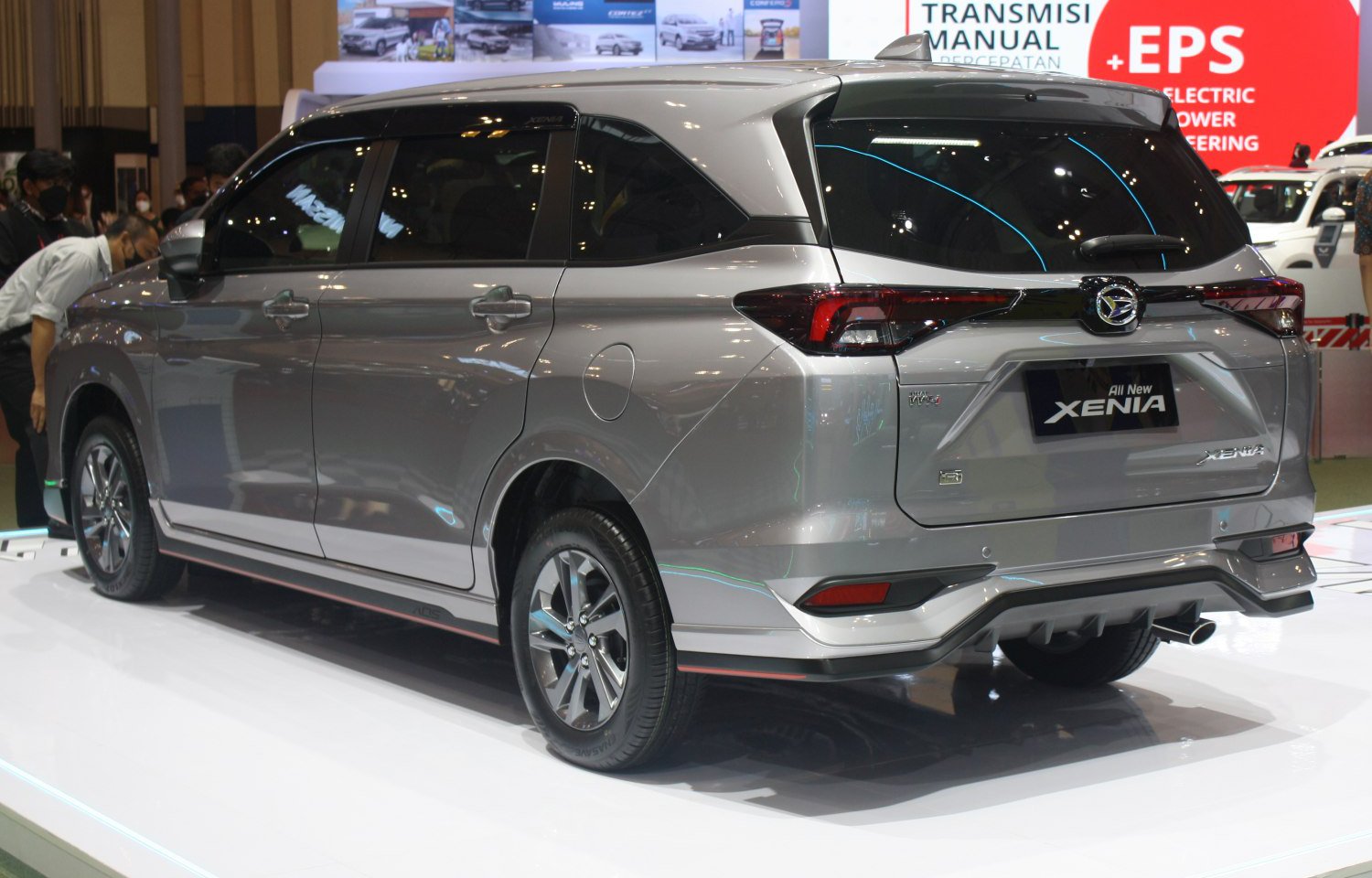
Choosing the Right Xenia for Your Needs
When selecting a Daihatsu Xenia in 2026, it is vital to match the engine variant to your driving environment. If your primary use is navigating dense urban traffic, the 1.0L or 1.2L variants are often better suited for fuel economy.
Conversely, if your daily commute involves highway stretches or hilly terrain, the 1.3L or 1.5L engines might actually be more efficient. Why? Because the larger engine doesn’t have to strain as much to maintain highway speeds, preventing the “overworking” that leads to poor fuel economy.
Statistics at a Glance
While some users report frustration, data suggests that the Xenia is still highly competitive. Depending on the model year and road conditions, owners have reported fuel efficiency ranging from 17 to 29 km/liter. If your vehicle is significantly below this, it may be time for a professional diagnostic check at an authorized Daihatsu service center.
Essential Maintenance Checklist for 2026
To ensure your Xenia maintains its legendary efficiency, stick to this maintenance routine:
- Oil Changes: Use the recommended viscosity to reduce internal engine friction.
- Air Filter Replacement: Ensure the engine gets a clean intake of air for optimal combustion.
- Fuel System Cleaning: Periodically use fuel system cleaners to clear deposits from injectors.
- Scheduled Tune-ups: Follow the service manual strictly to keep sensors and timing in check.
Conclusion: Driving Smarter, Not Harder
Addressing Daihatsu Xenia poor fuel economy in city driving is a combination of vehicle maintenance and conscious driving behavior. While urban traffic is an unavoidable reality of modern life, you don’t have to let it drain your wallet.
By keeping your Xenia well-maintained and adopting a smoother driving style, you can bring your fuel consumption closer to the advertised benchmarks. The Daihatsu Xenia remains one of the most reliable and efficient MPVs on the market in 2026; with a little attention to detail, it will continue to serve your family faithfully for years to come.