
Is your Daihatsu Terios struggling to find its rhythm on chilly mornings? If you turn the key and feel that tell-tale shudder or hear the engine stumbling during those first few minutes of operation, you aren’t alone. A Daihatsu Terios engine misfire on cold start is a common frustration for owners, but in 2026, we have the diagnostic tools and technical knowledge to resolve it effectively.
When an engine misfires, the combustion process is interrupted in one or more cylinders. During a cold start, the engine relies on a precise air-fuel mixture and optimal spark timing to compensate for lower temperatures. When these variables are off, the “stumble” occurs. Let’s dive into how you can diagnose and fix this issue once and for all.

Understanding the Science of Cold Start Misfires
A cold start requires a “rich” fuel mixture because cold fuel does not vaporize as easily as warm fuel. The Engine Control Unit (ECU) monitors various sensors to adjust this ratio. If the ECU receives incorrect data, or if the delivery system is compromised, the engine will misfire until it reaches operating temperature.
Common contributors to this issue include:
- Worn Spark Plugs: Over time, the electrode gap widens, requiring higher voltage that a cold ignition coil may struggle to provide.
- Carbon Buildup: Deposits on intake valves can soak up fuel during a cold start, leading to an overly lean mixture.
- Vacuum Leaks: Even a small leak in a rubber intake hose can cause a significant air-fuel imbalance when the engine is cold.
Diagnosing with Daihatsu DTC Codes
The first step in any professional repair is reading the Diagnostic Trouble Codes (DTCs). The Daihatsu Terios EFI system is sophisticated; if your “Check Engine” light flickers or stays on, the computer has likely stored a specific code.
Referencing the Daihatsu troubleshooting guide, you should look for codes specifically related to cylinder misfires (often P0300 through P0304). These codes indicate which cylinder is failing. If the misfire is intermittent, it may be triggered by a failing Ignition Coil Pack. In the Terios 1.5L engine, these coils are mounted directly onto the spark plugs and are known to be sensitive to moisture and heat cycles.
Step-by-Step Troubleshooting Strategy
If you want to tackle this yourself, follow this systematic approach to isolate the root cause:
1. Check the Ignition System
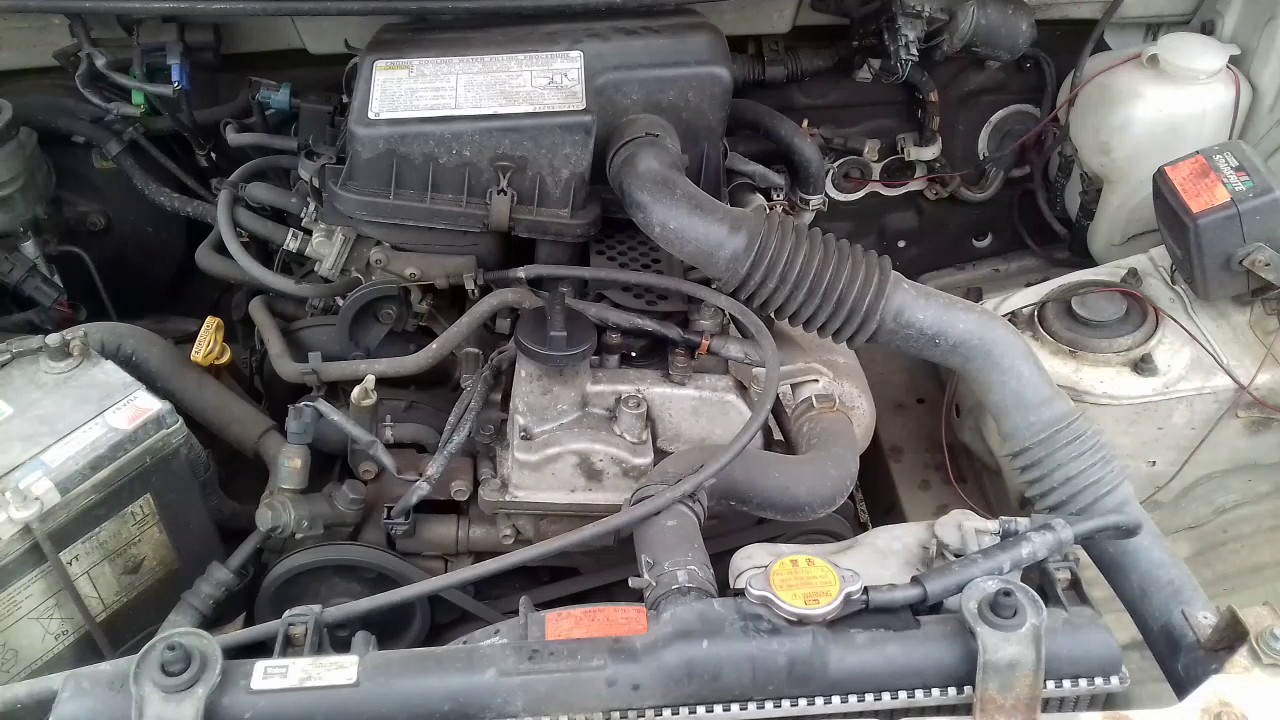
Begin by inspecting the ignition coils and spark plugs. Pull the coils and look for signs of carbon tracking or moisture. If the spark plug tips are black or oily, replace them immediately. Using high-quality, OEM-spec iridium plugs is highly recommended for the Terios 1.5L engine.
2. Inspect Vacuum Lines and Intake
A cold start misfire is often exacerbated by a vacuum leak that “seals” itself as rubber components expand with engine heat. Check all rubber hoses connected to the intake manifold for cracks or brittleness.
3. Clean the Throttle Body and MAF Sensor
The Mass Air Flow (MAF) sensor tells the ECU how much air is entering the engine. If this sensor is dirty, the ECU will provide the wrong amount of fuel. Use a dedicated MAF cleaner spray, but be careful—the sensor element is extremely fragile.
Why Intermittent Misfires Are Tricky
According to experts in the Daihatsu Terios community, intermittent misfires are the hardest to track because they don’t always trigger a permanent light. If your Terios runs perfectly once warm, focus your investigation on:
- Fuel Injector Performance: A leaking or clogged injector can cause a poor spray pattern that only manifests when the engine is cold.
- Coolant Temperature Sensor (CTS): If the CTS sends a signal to the ECU that the engine is warmer than it actually is, the ECU won’t enrich the fuel mixture enough, causing a cold start stumble.
Maintenance Tips for 2026
To prevent a Daihatsu Terios engine misfire on cold start from returning, keep up with a proactive maintenance schedule. Use high-quality fuel, replace your fuel filter every 40,000 miles, and perform an occasional fuel system treatment to keep the injectors clean.
If the problem persists despite your efforts, consider taking the vehicle to a shop equipped with a live-data diagnostic tool. Being able to view “Fuel Trim” values in real-time while the engine is cold can pinpoint exactly whether the engine is running too lean or too rich.
Conclusion
Dealing with a cold start misfire in your Daihatsu Terios doesn’t have to be a nightmare. By utilizing the onboard diagnostic system, checking your ignition components, and ensuring your sensors are clean, you can restore that smooth, reliable startup you expect from your vehicle. Don’t ignore the stumble—addressing it early will save you from premature catalytic converter failure and other costly repairs down the road.