
Is your Daihatsu Terios shaking every time you come to a stop? If you feel a rhythmic thumping or a violent shudder through the steering wheel, you aren’t alone. As we navigate the roads in 2026, many Terios owners report that brake vibration remains a common, yet solvable, nuisance.
Whether you are navigating city traffic or heading off-road, a stable braking system is critical for your safety. In this guide, we break down why your Terios might be shuddering and how you can restore that smooth, factory-fresh stopping power.
Understanding the “Corrugated Iron” Sensation
When your Daihatsu Terios experiences brake vibration, it often manifests as a sensation similar to driving over corrugated iron. This shuddering isn’t just annoying; it is a clear signal from your vehicle that something in the rotating assembly is out of alignment or physically compromised.

Typically, if the vibration is felt primarily in the steering wheel, the issue originates from the front brake system. If you feel the vibration through the seat or the floorboards, it is more likely related to the rear brake drums or shoes.
Common Culprits: Why Your Terios Shudders
The brake system on the Daihatsu Terios is robust, but it requires periodic maintenance to handle the heat and friction generated during daily use. Here are the most frequent causes of brake vibration:
1. Warped Brake Rotors (Disc Runout)
This is the #1 cause of pedal pulsation. If your front brake rotors have been subjected to extreme heat—such as heavy stop-and-go traffic or long mountain descents—they can become uneven. Even a microscopic variation in the rotor surface can cause the brake pads to “skip,” leading to the shudder you feel.
2. Worn Wheel Bearings
Sometimes, the vibration isn’t caused by the brakes at all. As noted by many owners in the 4×4 community, a worn wheel bearing can introduce “play” into the wheel hub. This movement creates a false sense of brake shudder. If you have recently had your vehicle serviced and the vibration persists, have a technician specifically check the wheel bearing tolerance.

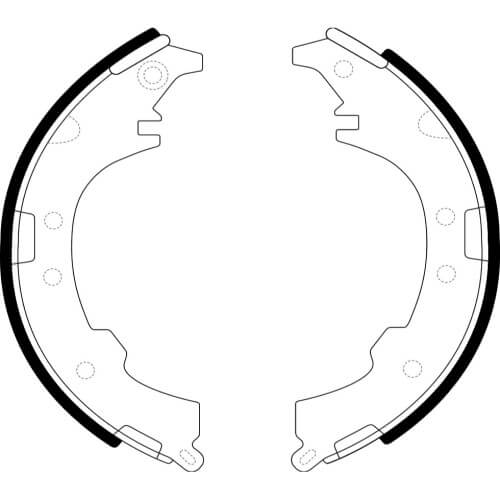
3. Glazed or Uneven Brake Shoes
For Terios models equipped with rear drum brakes, glazed brake shoes or out-of-round drums can cause a distinct shuddering sensation. Over time, brake dust and heat can harden the lining of the shoes, preventing them from gripping the drum smoothly.
Diagnostic Steps for 2026 Terios Owners
Before you start replacing expensive components, follow this systematic diagnostic approach to save time and money:
- Check the Front Rotors: Use a dial indicator to measure “runout.” If the rotor is outside the manufacturer’s specifications, it must be machined or replaced.
- Inspect the Wheel Bearings: Lift the vehicle and perform a “shake test” on each wheel. Any movement at the 12 and 6 o’clock positions could indicate a failing bearing.
- Examine Brake Pads and Shoes: Ensure the pads are wearing evenly. Uneven wear often points to a seized brake caliper slide pin, which forces the pad to apply pressure at an angle.
- Consult the Service Manual: For precise torque specs and clearance measurements, refer to your Daihatsu Terios Brake System Service Manual. Having the official technical data ensures your repairs meet 2026 safety standards.
Maintenance Tips to Prevent Future Vibration
To keep your Daihatsu Terios braking smoothly, consistency is key. Follow these maintenance best practices:
- Avoid “Riding” the Brakes: Constant, light pressure on the pedal creates unnecessary heat, which is the primary cause of rotor warping.
- Regular Brake Fluid Flushes: Brake fluid is hygroscopic, meaning it absorbs moisture over time. This leads to internal corrosion of your brake lines and calipers, which can cause erratic braking.
- Clean Your Hubs: Every time you rotate your tires, ensure the wheel hub surface is cleaned of rust and debris before remounting the wheel. A clean mating surface prevents uneven rotor seating.
When to Seek Professional Help
While DIY maintenance is rewarding, your brake system is a safety-critical component. If you notice a “spongy” brake pedal combined with vibration, or if your ABS light flickers on the dashboard, professional intervention is required.
Modern Daihatsu Terios models utilize sophisticated Anti-Lock Braking Systems (ABS). If the vibration is accompanied by warning lights, the issue might be electronic rather than mechanical. In such cases, use an OBD-II scanner to pull specific error codes before replacing hardware.
Conclusion
Brake vibration in your Daihatsu Terios is a manageable issue if you tackle it early. Whether it is a simple matter of replacing worn brake pads, machining the rotors, or addressing a wheel bearing, identifying the root cause is the first step toward a smoother ride.
By keeping up with your vehicle’s service manual and performing regular inspections, you ensure that your Terios remains a reliable companion on the road throughout 2026 and beyond. Don’t let a minor shudder turn into a major repair—inspect your brakes today and drive with confidence.