
In 2026, the reach of medical care is no longer defined by geographic barriers. For rural healthcare providers, the challenge has always been maintaining a reliable connection between mobile medical units and central hospitals, crucial for delivering effective telemedicine services. When lives are on the line in isolated areas, cellular signals often fail, making Best satellite-connected dashboards for rural healthcare fleets the gold standard for fleet management and patient data integrity.
By integrating satellite communication with advanced Business Intelligence (BI) tools, healthcare organizations can now track assets, monitor patient data in transit, including vital signs for remote patient monitoring (RPM), and optimize logistics in real-time. This guide explores the Best satellite-connected dashboards for rural healthcare fleets tailored for the unique demands of rural medical logistics.
Why Satellite Connectivity is Essential for Rural Healthcare
Traditional fleet management relies on terrestrial cellular towers, which are notoriously unreliable in mountainous, desert, or deep rural regions. This makes robust off-grid communication essential for Emergency Medical Services (EMS) fleets and other critical healthcare operations. Satellite-powered connectivity ensures that whether your mobile clinic is traversing a remote valley or a dense forest, you maintain a constant, resilient link.
This persistent connectivity allows for:
Real-time synchronization of Electronic Health Records (EHR) from mobile units to hospital servers, leveraging comprehensive vehicle telematics data for contextual insights.
Predictive maintenance alerts that prevent vehicle breakdowns in areas where towing services are hours away.
Enhanced dispatching capabilities, ensuring the nearest unit is always routed to the location where it is needed most, powered by advanced geospatial intelligence.
Key Features of Leading Satellite Fleet Dashboards
When evaluating the best dashboard for your fleet, you need more than just a map. Modern platforms now offer comprehensive Fleet BI (Business Intelligence) capabilities that transform raw telematics into actionable insights, leading to significant operational efficiency improvements. Among these, the Best satellite-connected dashboards for rural healthcare fleets stand out.
1. Real-Time Asset and Equipment Tracking
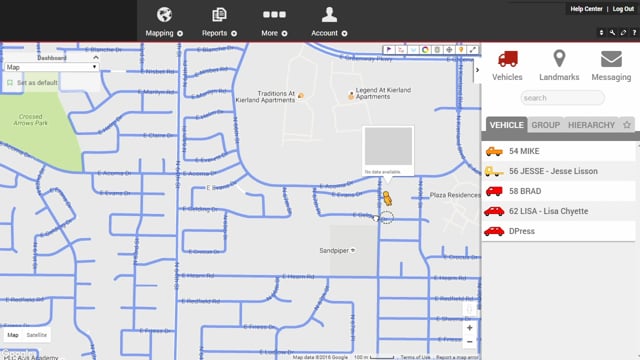
Your dashboard should act as a command center. By utilizing satellite-enabled tracking, you can monitor not just the vehicle, but also the temperature-sensitive medical equipment inside. If a vaccine refrigerator fluctuates in temperature, the dashboard alerts the driver and the dispatch center immediately, regardless of their location. This capability is a hallmark of the critical communication infrastructure provided by the Best satellite-connected dashboards for rural healthcare fleets.
2. Customizable KPIs and Analytics
The best dashboards provide over 70 pre-built reports that cover 95% of fleet management needs. In 2026, the most effective rural healthcare dashboards allow administrators to customize filters and fields to track specific KPIs, such as:
Response time efficiency in underserved zones.
Fuel consumption patterns across rugged terrain.
Driver safety scores to reduce liability and insurance costs.
These comprehensive features are what define the Best satellite-connected dashboards for rural healthcare fleets.
Integrating IoT Data for Holistic Fleet Insights
Healthcare fleets are essentially mobile IoT (Internet of Things) ecosystems. A truly robust dashboard aggregates data from vehicle sensors, medical devices, and navigation systems into a single, cohesive view.
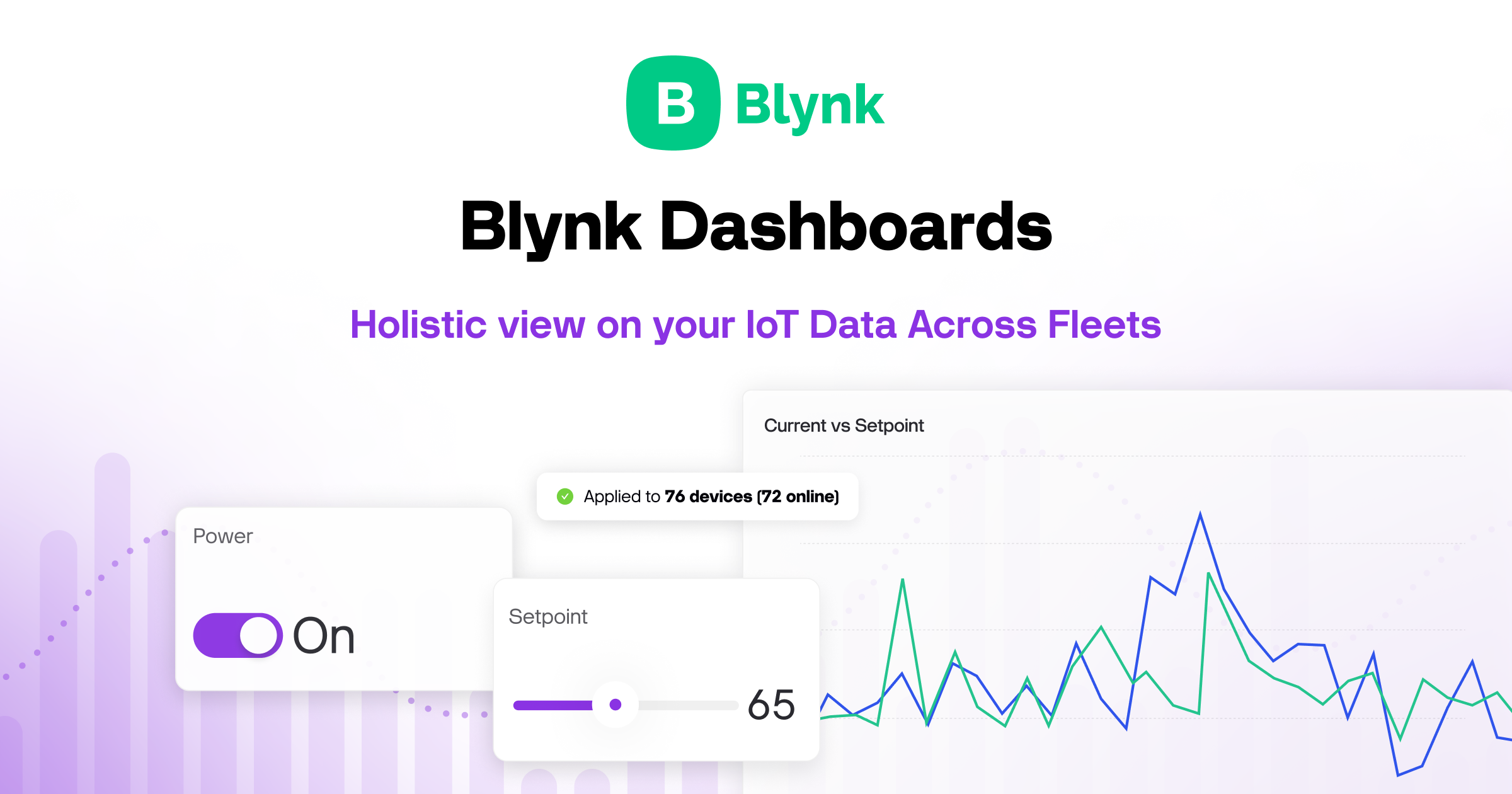
By using platforms that support IoT data visualization, fleet managers can gain a holistic view of their entire operation. This integration is critical for reducing operational costs. When you can see exactly how your equipment is performing, you can optimize routes and reduce fuel waste, directly contributing to the sustainability of rural healthcare programs.
Selecting the Right Solution for Your Organization
Choosing the right dashboard requires balancing technical capability with ease of use. Your clinical staff may not be IT experts, so the dashboard must feature an intuitive UI that presents critical patient and vehicle data without clutter, essential for efficient operation of mobile health clinics. This intuitive design is a key differentiator for the Best satellite-connected dashboards for rural healthcare fleets.
Critical Considerations for 2026
Resilience: Ensure the system uses Low Earth Orbit (LEO) satellite constellations for lower latency in remote areas.
Scalability: Can the system grow as your mobile clinic fleet expands to cover more counties or regions?
- Security: Given that you are transmitting sensitive patient data, the dashboard must be HIPAA-compliant and utilize end-to-end encryption, adhering to stringent data encryption standards, for all satellite transmissions.
Conclusion: Empowering Rural Care Through Technology
The integration of Best satellite-connected dashboards for rural healthcare fleets is a game-changer for rural healthcare fleets in 2026. By bridging the gap between isolated medical units and centralized data systems, these tools ensure that high-quality care is accessible to everyone, regardless of their zip code.
Investing in these technologies is not just an operational decision; it is a commitment to improving patient outcomes. As we look toward the future, the ability to maintain constant communication and data flow will remain the cornerstone of successful, mobile, and patient-centered rural healthcare.