
In the rapidly evolving landscape of automotive technology, the year 2026 marks a pivotal shift in how we interact with vehicle data. No longer confined to a single central infotainment screen, professional drivers, off-road enthusiasts, and fleet operators are turning to satellite displays to manage “Pro” vehicle metrics. These secondary screens provide real-time telemetry, engine diagnostics, and mission-critical data without cluttering the primary dashboard. This includes advanced OBD-II data displays and components of comprehensive vehicle telematics systems.
However, the effectiveness of these high-tech tools is entirely dependent on how they are installed. Poorly mounted displays can lead to driver fatigue, safety hazards, or equipment failure. This comprehensive guide explores the best practices for mounting satellite displays for “Pro” vehicle metrics to ensure your data is always visible, secure, and functional.
1. Ergonomics and the “Line of Sight” Philosophy
Adhering to best practices for mounting satellite displays for “Pro” vehicle metrics begins with optimizing the driver’s field of view (FOV). When dealing with “Pro” metrics—such as oil pressure, turbo boost, G-force, or GPS coordinates—the driver needs to glance at the data without taking their eyes off the road for more than a fraction of a second. This focus on driver safety enhancements is paramount.
The 15-Degree Rule
In ergonomic design, the most critical data should reside within a 15-degree cone of the driver’s natural line of sight. For professional racing or heavy-duty industrial use, mounting satellite displays on the A-pillar or atop the dashboard is often preferred. These specific placements are key among the best practices for mounting satellite displays for “Pro” vehicle metrics, especially in demanding environments. This positioning minimizes focal shift, allowing the eye to transition between the horizon and the digital metrics rapidly, thereby contributing to reduced driver distraction.
Avoiding “Information Overload”
While it is tempting to mount multiple screens, 2026 cockpit design trends emphasize minimalism and relevance. If you are using multiple satellite displays, prioritize them by frequency of use. Emergency alerts and high-priority telemetry should be closest to the primary line of sight, while secondary logs can be mounted lower, near the center console. Many setups now integrate digital gauge clusters seamlessly.
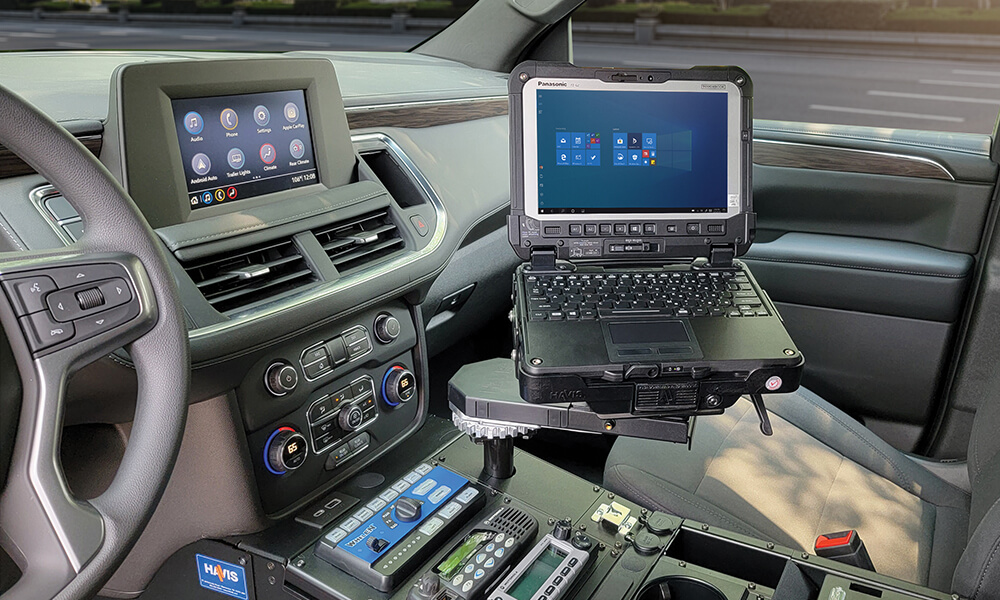
2. Advanced Mounting Hardware: Stability in High-G Environments
In 2026, the hardware used to secure satellite displays has moved far beyond simple suction cups. Implementing robust hardware is fundamental to the best practices for mounting satellite displays for “Pro” vehicle metrics. Heavy-duty mounting hardware is essential for Pro-grade vehicle metrics, especially in high-performance or off-road environments where vibration and G-forces can dislodge inferior mounts.
Mechanical vs. Magnetic Solutions
While magnetic mounts have improved significantly with the advent of high-flux neodymium magnets, mechanical locking systems remain the gold standard for “Pro” applications. A ball-and-socket mounting system (often referred to as a RAM mount) provides 360-degree adjustability while ensuring the display stays locked in place during heavy vibration. These modular mounting systems allow for versatile configurations.
Vibration Damping and Isolation
High-frequency vibrations from diesel engines or rough terrain can cause “screen jitter,” making it impossible to read fine metrics. Among the best practices for mounting satellite displays for “Pro” vehicle metrics in 2026, using vibration-damped brackets is crucial. These mounts incorporate rubberized inserts or spring-loaded stabilizers that absorb kinetic energy before it reaches the display. The use of adjustable display brackets further refines positioning for optimal viewing.
Bespoke Brackets for Specific Vehicles
For industrial and agricultural professionals, generic mounts are rarely sufficient. Custom-engineered brackets, such as those designed for John Deere or Caterpillar machinery, offer a seamless fit that utilizes existing factory bolt holes. This prevents the need for drilling into the dashboard, preserving the vehicle’s structural integrity and resale value. This is also true for commercial vehicle displays in trucking and logistics.
3. Power Management and Data Connectivity
A satellite display is only as good as the data it receives. In the “Pro” world, latency is the enemy. Whether you are monitoring lap times or hydraulic pressure, a delay in data transmission can lead to poor decision-making. These systems are often integral to fleet management solutions.
The Shift to USB-C PD and Wireless Protocols
By 2026, USB-C Power Delivery (PD) has become the universal standard for powering satellite displays. It provides enough wattage to keep high-brightness OLED screens running while simultaneously transferring data. However, many “Pro” setups are moving toward ultra-low-latency Wi-Fi 7 or 6G connectivity to reduce cable clutter.
Hardwiring for Reliability
For mission-critical metrics, hardwiring via the CAN-bus (Controller Area Network) remains a core element of the best practices for mounting satellite displays for “Pro” vehicle metrics. This involves:
- Direct ECU Integration: Connecting the display directly to the vehicle’s brain for zero-lag metrics.
- Fused Power Sources: Ensuring the display has a dedicated, fused circuit to prevent interference from other vehicle electronics.
- Shielded Cabling: Using high-quality shielded cables to prevent Electromagnetic Interference (EMI), which is common in modern electric vehicles (EVs).
Cable Routing and Safety
Never underestimate the importance of clean cable management. Loose wires are a safety hazard, as they can snag on gear shifters or pedals. Use automotive-grade wire looms and zip ties to tuck cables behind trim panels. Effective cable management is another vital aspect of the best practices for mounting satellite displays for “Pro” vehicle metrics, with many professional mounting solutions in 2026 now including integrated cable channels within the mount arm itself.
4. Environmental Resistance and Durability
Vehicles are harsh environments. Between extreme temperature fluctuations and constant sunlight exposure, a satellite display faces significant “weathering” inside the cabin.
Heat Management and Thermal Throttling
In 2026, high-performance displays generate significant heat. When mounted on a dashboard under direct sunlight, they can easily exceed their operating temperature, leading to thermal throttling or total shutdown.
Best Practice for mounting satellite displays for “Pro” vehicle metrics: Choose mounts that allow for airflow behind the device.
Active Cooling: Some high-end “Pro” mounts now feature built-in peltier cooling or silent fans to keep the display at optimal temperatures during summer months.
Glare Reduction and Brightness
A display that is washed out by the sun is useless. Look for satellite displays with a minimum brightness of 1000 nits. Additionally, mounting the display at a slight downward angle can help deflect direct sunlight. Implementing anti-glare screen protectors is a non-negotiable part of the best practices for mounting satellite displays for “Pro” vehicle metrics.
Ruggedization Standards
For vehicles operating in dust, moisture, or open-cockpit environments, ensure your display and mounting hardware meet IP67 or IP68 ratings. This ensures that even if you are racing through the desert or operating a tractor in a rainstorm, your metrics remain visible and the hardware remains functional.
5. Software Integration and UI/UX for Drivers
The physical mount is only half the battle; how the data is presented on the satellite display is equally important. In 2026, User Interface (UI) customization is a core component of “Pro” vehicle metrics.
Prioritizing “At-a-Glance” Data
A key among the best practices for mounting satellite displays for “Pro” vehicle metrics is ensuring optimal UI design, starting with high-contrast color coding. For example:
Green: System operating within normal parameters.
Yellow: Approaching a threshold (e.g., high oil temp).
Red: Critical failure or immediate attention required.
Context-Aware Displays
Modern satellite displays in 2026 often feature context-aware software. If you are on a track, the display automatically switches to lap times and tire temps. If you are towing, it switches to transmission temperature and trailer brake bias. When mounting your display, ensure the software is configured to show only what is relevant to the current task to avoid cognitive overload. This intelligent configuration is a hallmark of the best practices for mounting satellite displays for “Pro” vehicle metrics.
Haptic Feedback and Voice Control
To keep the driver’s focus on the road, many 2026 mounting systems are being integrated with haptic feedback. The mount itself might vibrate slightly when a metric hits a “red” zone, providing a physical alert that doesn’t require the driver to look away from the path ahead.
6. Security and Theft Prevention
With the increasing cost of high-end satellite displays, security has become a major concern. A “Pro” display is a high-value target for opportunistic theft.
Quick-Release vs. Permanent Mounts
Quick-Release: Ideal for drivers who park in public areas. These mounts allow you to disconnect the display and take it with you in seconds.
- Security Fasteners: For permanent installations, use Torx-plus or proprietary security screws that require specialized tools to remove. Incorporating such security fasteners is a crucial element of the best practices for mounting satellite displays for “Pro” vehicle metrics to deter theft. This acts as a significant deterrent to thieves.
Digital Security
In 2026, many displays come with biometric or PIN locks. Even if a thief steals the hardware, the data and the “Pro” metrics software remain inaccessible, rendering the device less valuable on the black market.
7. Future Trends: AR and Transparent Displays
As we look toward the end of 2026 and into 2027, the concept of “mounting” is changing. Transparent OLED (T-OLED) displays are beginning to replace traditional satellite screens. These can be mounted directly onto the windshield or side windows, overlaying “Pro” metrics onto the real world.
While this technology is still emerging, the core principles of the best practices for mounting satellite displays for “Pro” vehicle metrics—stability, visibility, and safety—will endure. Whether you are using a physical screen or an AR overlay, the data must be positioned where it assists the driver rather than distracting them.
Conclusion: The “Pro” Standard
Adhering to the best practices for mounting satellite displays for “Pro” vehicle metrics is an art form that balances engineering, ergonomics, and technology. In 2026, the standard for a professional setup is higher than ever. By diligently applying these best practices for mounting satellite displays for “Pro” vehicle metrics—prioritizing the line of sight, investing in high-quality vibration-damped hardware, ensuring robust connectivity, and managing environmental factors—you can transform your vehicle’s cockpit into a data-driven command center.
Remember, the goal of “Pro” metrics is to provide actionable intelligence. A perfectly mounted display ensures that when your vehicle speaks to you, you are in the best position to listen.