
As we navigate the highways of 2026, the modern vehicle has evolved from a simple mode of transport into a sophisticated, rolling data center. With the integration of Low Earth Orbit (LEO) satellite constellations and advancements in vehicle-to-everything (V2X) communication, cars now enjoy high-speed, low-latency internet connectivity anywhere on the planet. However, this hyper-connectivity comes with a hidden challenge: Signal Fatigue, making Best practices for avoiding “Signal Fatigue” in modern satellite cars essential.
Signal fatigue occurs when the driver or the vehicle’s onboard telematics systems are bombarded with excessive, non-critical, or repetitive notifications from satellite-linked services, leading to cognitive overload. In an era where safety is paramount, managing this digital noise is no longer optional—it is a necessity for road safety and driver sanity, highlighting the importance of Best practices for avoiding “Signal Fatigue” in modern satellite cars.
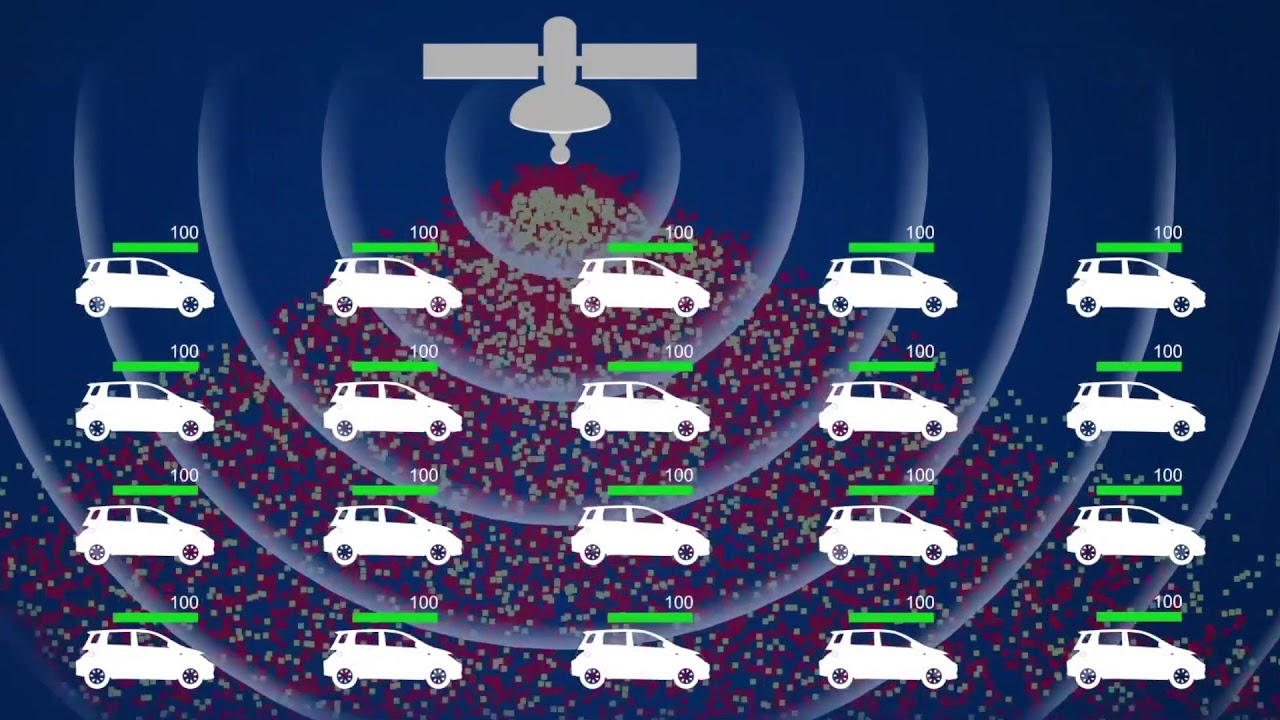
Understanding the Roots of Signal Fatigue
Signal fatigue in modern cars mirrors the “alarm fatigue” often observed in intensive care units, where constant, low-priority alerts cause medical staff to desensitize to warning sounds. Understanding the roots of signal fatigue is the first step towards implementing Best practices for avoiding “Signal Fatigue” in modern satellite cars. When your vehicle’s infotainment system, GPS, and satellite-based safety suites compete for your attention, increasing the risk of driver distraction, the driver’s ability to process critical road hazards diminishes.
Research indicates that binary classification methods—which distinguish simply between “fatigued” and “not fatigued”—are becoming standard in AI-driven monitoring. However, if the car itself is causing the fatigue through constant pings, even the best AI monitoring system will struggle to differentiate between a distracted driver and one simply overwhelmed by data.
The Role of AI in Intelligent Notification Management
To combat signal fatigue, manufacturers are moving toward context-aware notification systems, guided by robust human-machine interface (HMI) design principles. By 2026, the gold standard is an AI-powered interface that prioritizes alerts based on the immediate driving context, which are key Best practices for avoiding “Signal Fatigue” in modern satellite cars.
Contextual Filtering
Instead of pushing every software update notification or satellite connectivity status update to the dashboard, smart systems now use predictive filtering. If the car detects high-speed maneuvering or heavy traffic density, non-essential data streams are automatically suppressed. This ensures that the driver’s cognitive load remains focused on the road rather than the screen, a core component of Best practices for avoiding “Signal Fatigue” in modern satellite cars.
Adaptive Alert Thresholds
Modern vehicles now employ machine learning algorithms that learn the driver’s preferences. If you consistently dismiss weather alerts while parked, the system learns to mute these notifications while the vehicle is in motion. This reduces the number of “false positive” signals that contribute to overall fatigue, reinforcing Best practices for avoiding “Signal Fatigue” in modern satellite cars.
Integrating Wearables and Biometric Feedback
One of the most effective ways to avoid signal fatigue, and a key element of Best practices for avoiding “Signal Fatigue” in modern satellite cars, is to ensure that the car’s communication is synchronized with the driver’s physical state. By integrating wearable technology and advanced driver monitoring systems (DMS) with the vehicle’s satellite gateway, the car can now “sense” when a driver is becoming overwhelmed.
Heart Rate Variability (HRV) Monitoring: When a driver’s HRV indicates rising stress levels, the car’s AI can trigger a “Quiet Mode,” silencing non-critical notifications.
Gaze Tracking and Pupil Dilation: AI-powered internal cameras detect when a driver’s focus is fractured. If the system detects a lack of focus, it will prioritize only life-critical safety signals (such as collision warnings) while muting infotainment pings.
This approach transforms the vehicle from a passive broadcaster of information into an active partner in the driver’s well-being.
Scalable Hardware Solutions for Existing Fleets
A significant challenge in 2026 is retrofitting older models with the hardware required for modern AI-driven fatigue detection. Installing sensors, cameras, and processing units can be costly. However, the industry is shifting toward scalable, cloud-native software updates that can be pushed to existing hardware.
Rather than just logging events after they occur, modern fleet monitoring systems now spot subtle patterns—like slight changes in steering precision or throttle modulation—that signal driver fatigue before it becomes dangerous. By leveraging these patterns, systems can manage the frequency of satellite-based alerts more effectively, ensuring that the driver only receives information that is truly actionable, and contributing to Best practices for avoiding “Signal Fatigue” in modern satellite cars.
Best Practices for Drivers to Manage Digital Noise
While manufacturers are working on the backend, focusing on optimal user experience (UX) in automotive design, drivers can take proactive steps to reduce signal fatigue today. Implementing these Best practices for avoiding “Signal Fatigue” in modern satellite cars can significantly improve your daily commute:
1. Curate Your Notification Feed
Take 10 minutes to audit your vehicle’s infotainment settings. Disable non-essential notifications such as social media pings, third-party shopping alerts, or redundant weather updates. Keep only navigation and safety-critical alerts active.
2. Utilize “Focus Modes”
Much like smartphones, many 2026-model vehicles now feature “Driving Focus” profiles. Activating these profiles automatically silences non-urgent alerts, allowing you to focus on the road.
3. Regularly Update Firmware
Manufacturers are constantly releasing patches to improve the “signal intelligence” of their vehicles, often delivered via over-the-air (OTA) updates. Keeping your vehicle’s software updated ensures that you are benefiting from the latest algorithms designed to reduce notification noise.
4. Optimize Satellite Connectivity Zones
If you are traveling through areas with fluctuating satellite coverage, avoid streaming high-bandwidth, non-essential data. The constant “connecting/disconnecting” pings from the satellite modem can be a major source of subconscious annoyance.
The Future: Predictive Communication
Looking toward the remainder of the decade, the goal is predictive communication. Instead of the car reacting to a signal, it will anticipate the driver’s needs. For example, if the car senses you are nearing an area with limited satellite connectivity, it will preemptively download necessary map data and silence all external notifications to prevent the frustration of lost signals.
By shifting from a reactive model to a proactive, predictive one, the industry aims to eliminate signal fatigue entirely. This transition is vital as we move closer to fully autonomous driving, where the boundary between the driver’s attention and the machine’s data stream must be managed with surgical precision, embodying advanced Best practices for avoiding “Signal Fatigue” in modern satellite cars.
Conclusion: Balancing Connectivity and Safety
The promise of modern satellite cars is a world of seamless, high-speed connectivity. However, the price of that connectivity should not be the driver’s peace of mind. By utilizing AI-driven filtering, biometric integration, and proactive personal settings, we can effectively manage signal fatigue, establishing robust Best practices for avoiding “Signal Fatigue” in modern satellite cars.
As we continue to integrate these advanced technologies into our daily lives, remember that the most important sensor in the car remains the human behind the wheel. Keeping that human alert, focused, and free from unnecessary digital distractions is the ultimate Best practices for avoiding “Signal Fatigue” in modern satellite cars for the connected roads of 2026 and beyond.
Stay connected, stay safe, and keep your dashboard clear of the noise.
The Cognitive Burden: Understanding the “Why” Behind Signal Fatigue
To truly master signal fatigue, we must first deeply understand its root causes, which lie squarely in the realm of human cognition. Modern psychology, neuroscience, and the field of cognitive ergonomics offer critical insights into why an overload of information is not just annoying, but genuinely detrimental to performance, especially in high-stakes environments like driving. Cognitive load theory posits that our brains have a finite capacity for processing information at any given time. When this capacity is exceeded by a barrage of alerts, notifications, and data streams – whether from navigation, infotainment, vehicle diagnostics, or external communication – our cognitive resources become strained. This leads to a phenomenon known as “decision fatigue,” where the sheer volume of choices and data points depletes our mental energy, making it harder to focus, process new information, and make sound judgments.
Consider a scenario where a driver is navigating rush hour traffic, receiving real-time traffic updates and accident alerts, a low tire pressure warning, an incoming work call displayed on the screen, and a personalized ad for a nearby coffee shop. Each piece of information, while potentially useful in isolation, competes for the driver’s attention, fragmenting their focus. Studies by organizations like the AAA Foundation for Traffic Safety consistently show that even hands-free conversations can impair driving performance by diverting cognitive resources. When these distractions are compounded by visual and auditory cues from a hyper-connected dashboard, the risk of “inattention blindness” – where the driver literally fails to see objects in plain sight due to cognitive overload – significantly increases. This underscores that signal fatigue isn’t merely about annoyance; it’s a profound challenge to driver safety, demanding sophisticated, human-centric solutions and emphasizing the need for Best practices for avoiding “Signal Fatigue” in modern satellite cars.
Beyond Filtering: Predictive Analytics and Adaptive Human-Machine Interfaces (HMI)
While personalized settings and intelligent filtering are crucial first steps, the future of combating signal fatigue, and thus implementing Best practices for avoiding “Signal Fatigue” in modern satellite cars, lies in more advanced, context-aware systems. This involves leveraging predictive analytics and adaptive Human-Machine Interfaces (HMI) that transcend simple rule-based filtering. Imagine an AI system that doesn’t just block non-essential alerts but actively anticipates the driver’s needs and the evolving environmental context. For instance, if the car’s sensors detect heavy rain and reduced visibility, the system might proactively suppress all non-critical notifications, prioritize road-condition warnings, and even adjust the display’s brightness and contrast for optimal visibility.
Predictive analytics can also learn driver habits and preferences over time, not just what they don’t want to see, but what they will need to know. If a driver consistently takes a specific route and usually stops for fuel at a particular station, the car’s AI could learn to only issue a low-fuel warning or predictive maintenance alert when that station is out of range or if the driver deviates significantly from their routine. Furthermore, adaptive HMI goes beyond static displays. It envisions interfaces that dynamically change their layout, color schemes, and alert modalities based on real-time factors like driver stress levels (detected via biometric sensors), traffic density, time of day, or even the driver’s current cognitive load. For example, during high-stress driving situations, the system might reduce the amount of displayed information to only the absolute essentials, perhaps using haptic feedback (e.g., a steering wheel vibration) for subtle warnings before escalating to auditory or visual alerts, thereby minimizing cognitive intrusion. This proactive, intelligent adaptation represents a significant leap from reactive filtering, aiming to present only the right information, at the right time, in the most digestible format, and is a key aspect of Best practices for avoiding “Signal Fatigue” in modern satellite cars.
The Role of Biometric Monitoring and Personalized Driver Wellness
An exciting frontier in mitigating signal fatigue, and a critical component of Best practices for avoiding “Signal Fatigue” in modern satellite cars, involves integrating advanced biometric monitoring with personalized driver wellness systems. Modern satellite cars are increasingly equipped with sophisticated in-cabin sensors capable of tracking more than just the road ahead. Eye-tracking cameras can monitor gaze direction, blink rate, and pupil dilation, offering insights into driver attention levels and potential drowsiness. Heart rate variability (HRV) and skin conductance sensors, integrated into steering wheels or seats, can provide real-time data on a driver’s stress or fatigue levels.
When these biometric data streams are fed into the car’s AI, the system gains an unprecedented understanding of the driver’s current physiological and cognitive state. If the system detects early signs of fatigue, such as prolonged blinks or wandering gaze, it can initiate a series of personalized interventions. This might range from gentle auditory nudges and subtle changes in ambient cabin lighting to suggesting a convenient rest stop or even activating a refreshing burst of conditioned air. Conversely, if the driver appears alert and engaged, the system might allow for a slightly higher level of informational input without risking overload. This personalized approach transforms the car from a passive information dispenser into an active partner in maintaining driver wellness and focus. It moves beyond simply managing external signals to actively optimizing the driver’s internal state, ensuring they are better equipped to handle the demands of the road and the necessary digital information, thereby enhancing Best practices for avoiding “Signal Fatigue” in modern satellite cars.
Industry Collaboration and Regulatory Frameworks for a Safer Future
The challenge of signal fatigue is too complex for any single manufacturer or technology to solve in isolation. A concerted effort involving industry collaboration, standardized practices, and proactive regulatory frameworks is essential for creating genuinely safer and more intuitive connected vehicle experiences, and for establishing comprehensive Best practices for avoiding “Signal Fatigue” in modern satellite cars.
Standardized protocols for alert prioritization, for instance, could ensure that critical safety warnings (e.g., collision imminent, emergency vehicle approaching) always cut through less urgent notifications, regardless of the vehicle brand or specific infotainment system. Regulatory bodies, like the National Highway Traffic Safety Administration (NHTSA) in the U.S. and the European Transport Safety Council (ETSC), have a crucial role in establishing benchmarks and performance criteria for in-vehicle information systems. This might include mandating minimum response times for driver fatigue detection systems, setting limits on the complexity of infotainment menus accessible while driving, or even requiring standardized “rest mode” options that temporarily silence all non-essential alerts. Such regulations would not stifle innovation but rather channel it towards solutions that prioritize driver well-being and road safety above all else, ensuring that technological advancement serves humanity’s best interests on the connected roads of tomorrow, and supports Best practices for avoiding “Signal Fatigue” in modern satellite cars.
A Holistic Vision for the Connected Driver
Ultimately, navigating the complexities of modern satellite cars and implementing Best practices for avoiding “Signal Fatigue” in modern satellite cars demands a holistic approach – one that integrates cutting-edge technology with a profound understanding of human limitations and needs. As we accelerate towards a future where vehicles are increasingly autonomous and interconnected, the interim period, where drivers remain the primary operators but are augmented by a plethora of digital aids, presents the greatest challenge. It is in this transition that signal fatigue poses a significant, yet solvable, threat.
The ultimate goal is not to eliminate connectivity, but to refine it into a seamless, intuitive, and truly assistive experience. This requires manufacturers to adopt a driver-first design philosophy, regulators to establish intelligent and adaptable standards, and drivers themselves to cultivate mindful engagement with their vehicle’s systems. By combining advanced AI, predictive analytics, biometric monitoring, and robust industry standards, we can transform the cockpit from a potential source of distraction into a sanctuary of focused control. The human behind the wheel will always be the most critical component of any vehicle system. Our collective mission must be to ensure that this human is not just connected, but also calm, clear-headed, and optimally prepared for the journey ahead, making every drive safer, more efficient, and truly enjoyable, which is the essence of Best practices for avoiding “Signal Fatigue” in modern satellite cars.